Vitamin D is one of the most talked-about nutrients today, and for good reason. Many people experience tiredness, body aches, weak bones, low mood, or muscle weakness without realizing that low vitamin D levels may be contributing to these problems.
Modern lifestyles have changed dramatically over the years. People spend more time indoors, work long office hours, sleep irregularly, and often receive very little sunlight. Because of this, vitamin D deficiency fatigue symptoms have become extremely common around the world.
For adults over 40, maintaining adequate vitamin D energy levels becomes even more important because bone strength, muscle health, recovery, immunity, and overall energy naturally start changing with age.
The good news is that understanding vitamin D is not complicated. Small lifestyle improvements and proper awareness can help support healthier vitamin D levels naturally.
In this article, we will discuss why vitamin D matters, how it affects energy and bones, symptoms of deficiency, natural sources, and simple healthy habits that can help improve overall wellness.
What Is Vitamin D and How Vitamin D Boosts Energy?
Vitamin D is often called the “sunshine vitamin” because the body produces it when skin is exposed to sunlight. Unlike many other vitamins, vitamin D acts more like a hormone and supports several important body functions. It plays a major role in:
-
Bone health
-
Calcium absorption
-
Muscle function
-
Immunity
-
Energy support
-
Mood balance
Without enough vitamin D, the body may struggle to maintain strong bones and healthy muscle function.
Does Vitamin D Give You Energy or Reduce Tiredness?
Many people with low vitamin D levels complain about feeling tired all the time. While fatigue can have many causes, a deficiency directly impacts cellular energy production.
How Vitamin D Affects Energy Levels and Fatigue
-
Low energy and weakness: Mitochondria (the powerhouses of your cells) rely on vitamin D to generate energy efficiently.
-
Feeling exhausted: Low levels make daily physical tasks feel significantly harder.
-
Reduced motivation: Chronic sluggishness affects daily output and focus.
Understanding does vitamin D reduce tiredness comes down to correcting a baseline deficiency—once your levels normalize, overall energy improves noticeably.
Why Vitamin D Is Important for Bones and Muscle Function
One of vitamin D’s biggest roles is helping the body absorb calcium properly. Calcium alone is not enough; without vitamin D, the body cannot effectively use calcium for healthy bones and teeth.
How Low Vitamin D Affects Bones and Muscles
Low vitamin D levels may contribute to:
-
Weak bones and joint discomfort
-
Increased fracture risk
-
Muscle aches and poor post-workout recovery
-
Reduced muscle strength
As people age, maintaining bone and muscle strength becomes increasingly vital for long-term mobility.
Vitamin D and Immune System Support
Vitamin D helps support the immune system. Healthy vitamin D levels may help the body function more effectively during illness and recovery.
This is one reason many health professionals discuss vitamin D frequently during cold and flu seasons.
Common Vitamin D Deficiency Fatigue Symptoms to Watch For
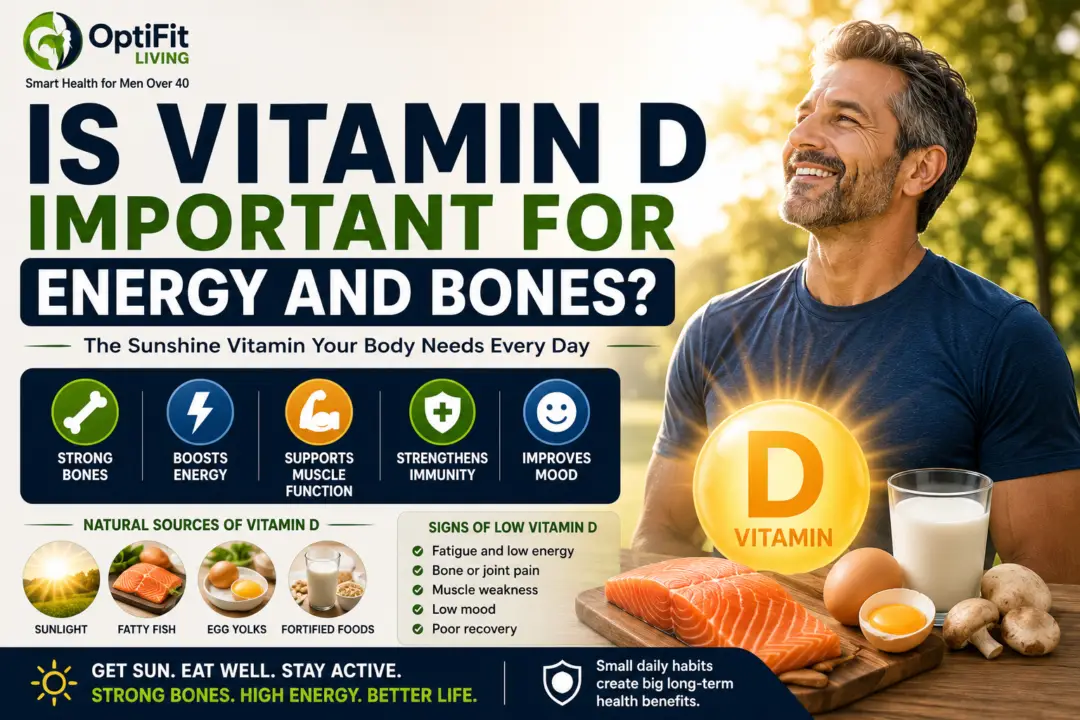
Many people have low vitamin D without realizing it. Common signs include:
-
Constant fatigue and low energy
-
Bone or joint pain
-
Muscle weakness
-
Low mood
-
Poor recovery after exercise
-
Feeling tired despite getting enough sleep
These symptoms can overlap with other conditions, which is why blood testing is essential before taking heavy supplements.
Who Is More Likely to Have Low Vitamin D for Energy?
Certain groups have a much higher risk of deficiency:
-
People Who Spend Little Time Outdoors: Office workers and indoor-heavy lifestyles reduce natural sun exposure.
-
Adults Over 40: Vitamin D production in the skin becomes less efficient with age.
-
Overweight Individuals: Vitamin D can get trapped in body fat tissues, making it less available for the bloodstream.
-
People With Poor Diets: Diets low in fortified or natural fatty foods limit intake.
Natural Sources: Vitamin D Daylight Benefits and Food
1. Vitamin D Daylight Benefits (Sunlight)
Sun exposure is the most natural source. Short daily sunlight exposure helps trigger vitamin D production in the skin. However, needs vary based on:
-
Skin tone
-
Weather and season
-
Clothing and location
-
Time spent outdoors
2. Food Sources of Vitamin D
Some foods naturally contain or are fortified with vitamin D:
-
Fatty fish (salmon, tuna, mackerel)
-
Egg yolks
-
Fortified milk
-
Fortified cereals
Food alone may not always provide sufficient vitamin D for everyone.
Vitamin D for Low Energy: Supplements and Blood Testing
Do Vitamin D Supplements Fix Feeling Tired?
Some people use supplements when blood levels are low. While supplements can help restore optimal levels, dosage should be based on professional advice. More is not always better, as excessive supplementation can cause toxicity.
Importance of Blood Testing
A simple blood test determines whether vitamin D deficiency fatigue is the root cause of your symptoms. Testing is strongly recommended for anyone experiencing:
-
Ongoing fatigue
-
Chronic weakness
-
Persistent bone pain
-
Frequent illness
Can Vitamin D Improve Mood and Daylight Energy?
Some people report mood improvements after correcting low vitamin D levels. Sunlight itself positively affects mental wellness and circadian rhythms. However, mood is complex and influenced by various lifestyle factors beyond single nutrients.
Best Lifestyle Habits for Healthy Vitamin D Levels
-
Spend Time Outdoors: Daily morning walks increase sun exposure naturally.
-
Exercise Regularly: Weight-bearing exercises support bone and muscle strength alongside vitamin D.
-
Eat Balanced Foods: Whole foods improve overall nutrient absorption.
-
Prioritize Sleep: Good sleep supports recovery and daytime energy.
-
Manage Stress: Chronic stress lowers immunity and drains daily energy.
Common Mistakes When Trying to Boost Energy with Vitamin D
-
Taking High Doses Without Testing: Always confirm deficiency via blood work first.
-
Ignoring Lifestyle Habits: Supplements cannot replace outdoor time, exercise, and proper diet.
-
Expecting Instant Results: Restoring optimal nutrient levels takes weeks of consistent effort.
Vitamin D and Healthy Aging
As people age, maintaining bone and muscle health becomes critical. Healthy vitamin D levels support:
-
Mobility and balance
-
Physical strength and daily activity
-
Overall health and immunity
Combined with regular exercise and balanced nutrition, vitamin D plays a pivotal role in healthy aging.
Final Thoughts
Vitamin D is crucial for energy, bones, muscles, and immunity. Many adults unknowingly live with low vitamin D due to modern indoor lifestyles.
Integrating simple daily habits—like outdoor walking, balanced nutrition, exercise, and targeted supplementation based on testing—will help restore your vitamin D energy levels and support overall health.
FAQs
Does vitamin D give you energy immediately?
No. Vitamin D is not a stimulant like caffeine. It builds up in your system over weeks to fix deficiency-related fatigue.
Can low vitamin D cause constant tiredness?
Yes. Low vitamin D levels directly affect cell energy and are a common cause of chronic fatigue and muscle weakness.
What are the best natural sources of vitamin D?
Direct sunlight exposure, fatty fish, egg yolks, and fortified daily products are the best natural sources.
Should adults over 40 get tested for vitamin D deficiency?
Yes. Adults over 40 produce less vitamin D naturally and benefit greatly from routine testing if experiencing low energy or bone discomfort