
One of the biggest reasons people fail to stay healthy long-term is not lack of knowledge. Most people already know the basics:
- Exercise regularly
- Eat healthier
- Sleep better
- Stay active
The real challenge is consistency.
Personally, I experienced this many times. I would start strong with:
- Strict workout routines
- Aggressive diets
- Big fitness goals
- Sudden lifestyle changes
For a few days or weeks, motivation felt very high.
But eventually real life returned:
- Work stress
- Family responsibilities
- Fatigue
- Busy schedules
- Mental exhaustion
Slowly the routine disappeared.
Over time, I realized something important:
Fitness should not feel like temporary punishment.
It should become part of daily life in a realistic and sustainable way.
After 40 especially, the body responds much better to:
- Consistency
- Balance
- Recovery
- Sustainable routines
instead of extreme fitness plans.
Personally, the biggest improvements in my health came only after I stopped chasing perfection and started building habits I could actually maintain long-term.
This article explains how to build a sustainable fitness lifestyle that improves:
- Energy
- Strength
- Weight
- Sleep
- Mental health
- Long-term wellness
without burnout or unrealistic pressure.
Why Most Fitness Plans Fail
Most people fail because they try doing too much too quickly.
Personally, I made this mistake repeatedly.
I would suddenly:
- Start intense workouts
- Completely change my diet
- Remove all favorite foods
- Create unrealistic schedules
At first it felt exciting.
But eventually:
- Motivation dropped
- Stress increased
- Exhaustion appeared
- Old habits returned
Extreme routines are difficult to maintain during real life responsibilities.
The body and mind both prefer gradual change.
Sustainable Fitness Is About Lifestyle, Not Short-Term Motivation
One major lesson I learned is this:
Real fitness is not about temporary excitement.
It is about creating habits that continue even on busy or stressful days.
Personally, once I focused on consistency instead of perfection, fitness became much easier.
Healthy living should support life — not control it completely.
1. Start With Realistic Goals
One major reason people quit fitness is unrealistic expectations.
Many want:
- Fast weight loss
- Instant abs
- Rapid transformation
Personally, unrealistic expectations always created frustration for me.
Now I focus more on:
- Better energy
- Improved mobility
- Better sleep
- Consistent movement
- Long-term health
Realistic goals are easier to maintain.
Better Long-Term Fitness Goals
Healthy goals include:
- Walking daily
- Exercising consistently
- Sleeping better
- Reducing belly fat gradually
- Improving strength slowly
Small consistent improvements create lasting results.
2. Build a Routine You Actually Enjoy
One thing I learned personally:
If you hate your routine, you probably will not continue it long-term.
Sustainable fitness should include activities you can realistically enjoy.
Examples:
- Walking outdoors
- Gym workouts
- Cycling
- Swimming
- Home workouts
- Sports
Personally, walking became one of the easiest habits to maintain because it reduced stress while improving fitness.
3. Focus on Consistency, Not Perfection
This mindset completely changed my approach to health.
Earlier, missing one workout felt like failure.
Now I understand:
- Missing one day does not ruin progress
- One unhealthy meal does not destroy health
The key is returning to healthy habits quickly.
Consistency matters more than perfect behavior.
4. Strength Training Becomes More Important After 40
After 40, muscle loss naturally increases.
Without strength training:
- Metabolism slows
- Weakness increases
- Belly fat becomes harder to control
Personally, strength training improved:
- Energy
- Confidence
- Posture
- Daily movement
- Long-term fitness
You do not need extreme bodybuilding routines.
Simple exercises work very well:
- Squats
- Push-ups
- Resistance bands
- Dumbbells
5. Walking Is One of the Most Sustainable Exercises
Personally, walking became one of the most valuable long-term fitness habits.
Walking helps:
- Burn calories
- Improve blood sugar
- Reduce stress
- Improve sleep
- Increase energy
Most importantly, it is easy to maintain long-term.
Walking after meals especially improved:
- Digestion
- Energy stability
- Mental clarity
Simple activities often work best.
6. Healthy Eating Should Feel Realistic
One of the biggest mistakes I made was trying extreme diets.
Personally, very strict eating plans never lasted long.
Now I focus on:
- Better portions
- More real foods
- Less sugar
- Lighter dinners
- Better consistency
Healthy eating should feel sustainable, not miserable.
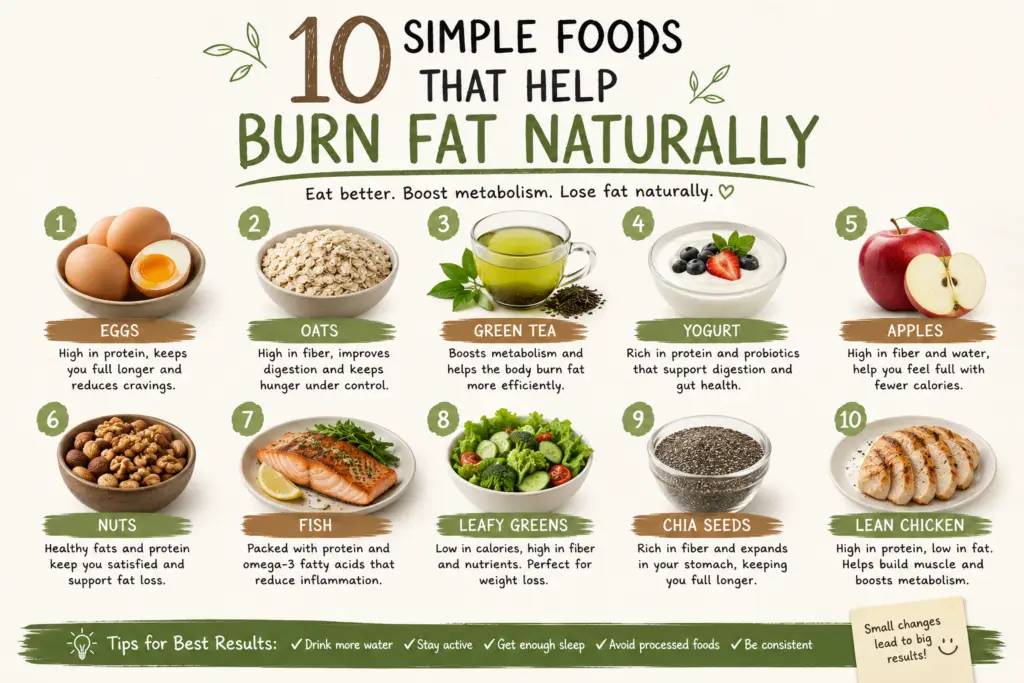
Foods That Improved My Energy Most
Helpful foods include:
- Eggs
- Fish
- Yogurt
- Oats
- Fruits
- Vegetables
- Nuts
- Seeds
These foods improved:
- Energy
- Fullness
- Recovery
- Overall wellness
7. Sleep Is Part of Fitness
Earlier, I focused mostly on exercise and ignored sleep.
Now I realize sleep affects:
- Recovery
- Fat burning
- Hormones
- Motivation
- Mental health
Personally, better sleep improved:
- Energy
- Workout performance
- Mood
- Recovery
The body repairs itself during sleep.
8. Manage Stress to Stay Consistent
Stress destroys consistency more than most people realize.
Personally, stress often caused:
- Emotional eating
- Missed workouts
- Mental exhaustion
- Poor sleep
Stress management became essential for long-term fitness.
Habits That Reduced My Stress
Helpful habits included:
- Walking outdoors
- Prayer and reflection
- Deep breathing
- Better sleep
- Quiet time
- Limiting negative content
Mental calmness supports physical health too.
9. Stop Comparing Yourself to Others
Social media creates unrealistic expectations.
Personally, comparing myself to others often reduced motivation unnecessarily.
Everyone has:
- Different genetics
- Different schedules
- Different stress levels
- Different responsibilities
Fitness should improve your life, not create constant frustration.
10. Build Fitness Around Your Real Life
One major mindset change helped me greatly:
Fitness should fit your lifestyle.
Not the opposite.
If a routine only works during perfect conditions, it probably will not last.
Personally, simpler realistic habits became much easier to maintain long-term.
11. Recovery Is Just as Important as Exercise
After 40, recovery becomes extremely important.
Without proper recovery:
- Injuries increase
- Motivation decreases
- Fatigue builds
Recovery includes:
- Sleep
- Hydration
- Rest days
- Stretching
- Stress management
Personally, balancing exercise and recovery improved my consistency greatly.
12. Build Identity-Based Habits
One helpful mindset is identifying yourself as:
- A healthy person
- An active person
- Someone who values wellness
Personally, once fitness became part of my identity instead of temporary motivation, consistency improved naturally.
13. Small Habits Create Big Long-Term Results
One important lesson I learned:
Small daily habits matter more than occasional extreme effort.
Simple habits like:
- Walking daily
- Drinking more water
- Sleeping earlier
- Reducing sugar
- Staying active
create major long-term improvements.
Why Sustainable Fitness Feels Different After 40
After 40, fitness becomes less about appearance and more about:
- Longevity
- Mobility
- Energy
- Strength
- Independence
- Disease prevention
Personally, I now care more about:
- Feeling energetic
- Staying active
- Avoiding illness
- Maintaining mobility
than temporary trends.
Habits That Helped Me Build Long-Term Fitness
Personally, these habits made the biggest difference:
- Daily walking
- Strength training
- Better sleep
- Stress management
- Drinking more water
- Healthier eating
- Reducing late-night screen time
None of these habits were extreme.
But together they completely improved:
- Energy
- Mood
- Recovery
- Fitness
- Mental clarity
The Truth About Sustainable Fitness
One major realization changed my mindset completely:
The healthiest lifestyle is usually the one you can continue for years.
Not weeks.
Extreme methods often create:
- Burnout
- Injuries
- Stress
- Inconsistency
Sustainable habits create long-term success.
Final Thoughts
Building a sustainable fitness lifestyle is not about perfection or extreme discipline.
Personally, I learned that the best fitness routine is one that feels:
- Realistic
- Consistent
- Flexible
- Sustainable
Simple habits like:
- Walking daily
- Strength training
- Better sleep
- Healthier eating
- Stress management
- Drinking enough water
can completely transform long-term health and fitness.
The goal after 40 is not temporary motivation.
The goal is building a healthier, stronger, more energetic lifestyle that can be maintained naturally for many years.

Pingback: Can You Gain Muscle? A Realistic Guide for Men After 40
Pingback: Weight Lifting at 40 for Men: Safe Beginner Strength Guide