
After the age of 40, many men start noticing a major change in their daily energy levels. The body does not recover as quickly as before, motivation feels lower, mental tiredness increases, and even small tasks sometimes feel exhausting.
Personally, I noticed this change gradually. Earlier, I could work long hours, sleep less, eat whatever I wanted, and still feel active the next day. But after 40, things became different. Poor sleep affected my entire day, heavy meals caused sluggishness, stress drained my energy faster, and weight gain made me feel physically slower.
At first, I thought this was simply a natural part of aging. But over time, I realized that many energy problems after 40 are strongly connected to lifestyle habits, stress, sleep quality, nutrition, hormones, and physical activity.
The good news? Energy can improve naturally with the right habits—without expensive supplements or extreme routines.
Why Energy Levels Drop in Men After 40
As men age, several physiological and lifestyle changes begin happening gradually:
- Biological Factors: Slower metabolism, reduced muscle mass, hormonal changes (declining testosterone), and naturally poorer sleep quality.
- Lifestyle Factors: Increased stress, weight gain, and reduced physical activity.
- Daily Responsibilities: High work pressure, financial obligations, family stress, and cumulative mental exhaustion.
All these factors combine to create a significant drop in daily stamina and vital energy.
Common Signs of Low Energy and Fatigue After 40
Low energy manifests both physically and mentally. Common signs include:
- Feeling tired immediately after waking up
- Pronounced afternoon energy crashes
- Constant mental exhaustion and brain fog
- Lack of motivation and reduced physical stamina
- Difficulty concentrating and low gym performance
- Persistent fatigue despite getting rest
Personal Insight: Mental fatigue was my biggest hurdle. Even while physically resting, my mind felt exhausted due to chronic stress, overthinking, and a lack of proper recovery.
12 Practical Ways to Naturally Increase Energy After 40
1. Optimize Your Sleep Quality First
If there is one change that radically transforms energy levels, it is improving sleep. Poor sleep negatively impacts testosterone levels, mental clarity, physical recovery, mood, and overall motivation. Many men over 40 sleep physically, but their brain remains overstimulated or stressed throughout the night.
Signs poor sleep is draining your energy:
- Waking up exhausted
- Constant caffeine cravings
- Daytime sleepiness and brain fog
- Increased irritability and low motivation
Actionable sleep habits:
- Maintain a Consistent Schedule: Go to bed and wake up at the same time daily.
- Limit Screen Time: Reduce mobile and TV use 1 hour before bed to lower blue light exposure.
- Avoid Late Heavy Meals: Heavy dinners disrupt deep sleep cycles and digestion.
- Cut Evening Caffeine: Avoid coffee or energy drinks in the late afternoon and evening.
- Optimize Your Bedroom: Keep the room cool, dark, and quiet for maximum recovery.
2. Incorporate Daily Physical Movement
Inactivity creates more tiredness. Sitting too much makes the body feel heavier, mentally dull, and physically exhausted. Regular movement enhances blood circulation, oxygen flow, mood, hormone regulation, and mental focus.
Best low-impact exercises for men over 40:
- Daily brisk walking (especially post-meal walks)
- Light to moderate gym workouts
- Cycling, swimming, and basic stretching
3. Build Muscle Through Strength Training
Skeletal muscle mass naturally declines after 40, leading to a slower metabolism, lower energy, weakness, and weight gain.
Strength training supports testosterone production, builds physical stamina, improves body composition, and boosts daily confidence. You do not need extreme bodybuilding routines—consistent resistance training 3 times a week yields massive results.
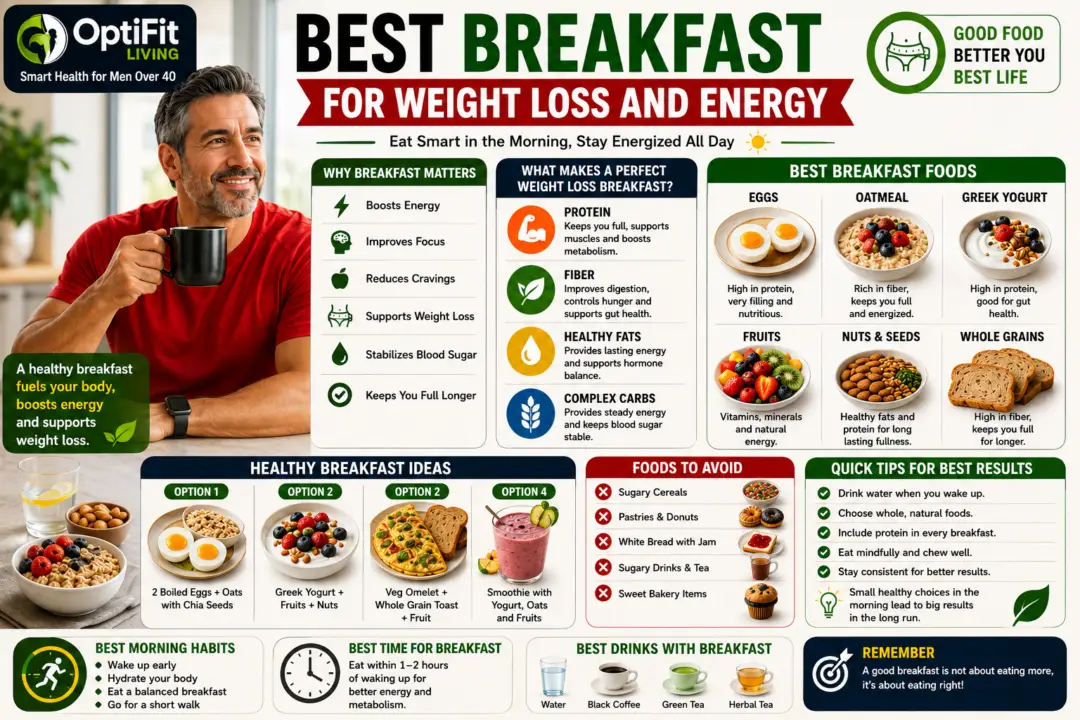
4. Upgrade Your Nutrition and Eating Habits
Diet directly influences energy stability. High-sugar and heavily processed foods cause rapid blood sugar spikes followed by severe crashes, leading to sleepiness, brain fog, and low motivation.
|
Nutrient Category |
Best Food Sources |
Energy Benefit |
|
Protein |
Eggs, Fish, Chicken, Greek Yogurt, Lentils |
Supports muscle repair & hormone health |
|
Healthy Fats |
Nuts, Olive Oil, Avocados, Seeds |
Essential for natural testosterone production |
|
Complex Carbs |
Oats, Brown Rice, Whole Grains, Fruits |
Provides steady, long-lasting energy release |
Foods to minimize:
- Sugary drinks and sodas
- Ultra-processed junk food
- Heavy, fried, and greasy meals
5. Increase Daily Water Intake
Dehydration is a hidden, frequent cause of chronic fatigue. Lack of adequate water manifests as dizziness, headaches, brain fog, and physical lethargy. Proper hydration directly improves focus, physical endurance, and metabolic efficiency.
6. Manage Stress and Overthinking
Mental stress consumes vast amounts of physical energy. Overthinking, work anxiety, and constant emotional pressure keep the nervous system in a fight-or-flight state, leaving the brain exhausted even during rest.
Effective stress management habits:
- Deep Breathing Exercises: Calms the nervous system rapidly.
- Nature Walks: Clears mental clutter and lowers cortisol.
- Limit Negative Media: Reduces digital and mental overstimulation.
- Structured Time Management: Prevents daily overwhelm.
- Prayer and Meditation: Fosters emotional resilience and inner peace.
7. Monitor Blood Sugar Levels
Fluctuating blood sugar levels lead to afternoon sleepiness, sudden hunger pangs, sugar cravings, and post-meal fatigue. Reducing refined sugars, eating balanced meals, and taking brief walks after eating help maintain stable blood glucose levels.
8. Support Testosterone Levels Naturally
Testosterone naturally decreases with age, affecting energy, mood, muscle strength, and drive. You can support your body’s natural hormone production by prioritizing deep sleep, engaging in strength training, managing body weight, consuming healthy fats, and reducing stress.
9. Shed Excess Belly Fat
Carrying extra visceral fat causes fatigue, impacts breathing, alters hormone levels, disrupts sleep, and reduces physical mobility. Even losing a small percentage of body weight significantly improves daily stamina, breathing, and physical performance.
10. Get Daily Outdoor Sun Exposure
Fresh air and direct natural sunlight regulate your circadian rhythm, improve Vitamin D synthesis, boost mood, and enhance mental clarity. Spending just 15–20 minutes outdoors daily helps reduce mental fatigue and restores vitality.
11. Limit Alcohol and Smoking
While alcohol and smoking may temporarily feel relaxing, they severely degrade sleep architecture, harm cardiovascular health, impair muscle recovery, and lower long-term energy levels.
12. Reduce Reliance on Caffeine
Relying heavily on coffee, energy drinks, or sugary tea provides a quick stimulant boost followed by an inevitable crash. True vitality comes from biological recovery and health habits, not central nervous system stimulants.
Key Indicators That Your Energy Is Improving
When these lifestyle adjustments are applied consistently, positive signs will emerge:
- Waking up feeling refreshed naturally
- Sharper focus and reduced brain fog
- Greater motivation for work and physical activity
- Better stamina and workout performance
- Stable, positive mood throughout the day
When Should You Consult a Doctor?
While lifestyle changes solve most energy issues, persistent fatigue can sometimes indicate an underlying medical condition. You should consult a healthcare provider to rule out:
- Type 2 Diabetes or prediabetes
- Severely low testosterone (Hypogonadism)
- Sleep Apnea
- Thyroid dysfunction
- Key nutrient deficiencies (e.g., Vitamin D, B12, Iron)
Final Thoughts
Experiencing low energy after 40 is common, but it is not something men must accept as permanent. Energy levels are closely linked to sleep quality, regular movement, proper nutrition, hydration, stress control, and hormonal health.
Your body after 40 requires smarter care, efficient recovery, and sustainable health routines. Small, consistent daily improvements will help you build physical strength, stay mentally sharp, and maintain natural vitality for years to come.