How to Stay Positive During Tough Times became a very personal lesson for me over the years. Life after 40 teaches you something important: everyone eventually faces difficult phases.
Sometimes the pressure comes from multiple areas all at once:
-
Work stress and professional uncertainty
-
Financial problems and budget strain
-
Family responsibilities and personal care
-
Health concerns and physical limitations
-
Mental exhaustion from continuous pressure
-
Unexpected life situations that catch us off guard
Personally, there were times when stress felt mentally heavy for long periods. And honestly, staying positive during difficult situations is not always easy. Over time, I slowly realized something important: positivity is not pretending everything is perfect. Real positivity means learning how to stay mentally balanced even during difficult moments.
This article shares practical personal observations and healthy habits that helped me stay emotionally stronger during stressful phases of life.
1. Accepting Tough Times Helped Me Mentally
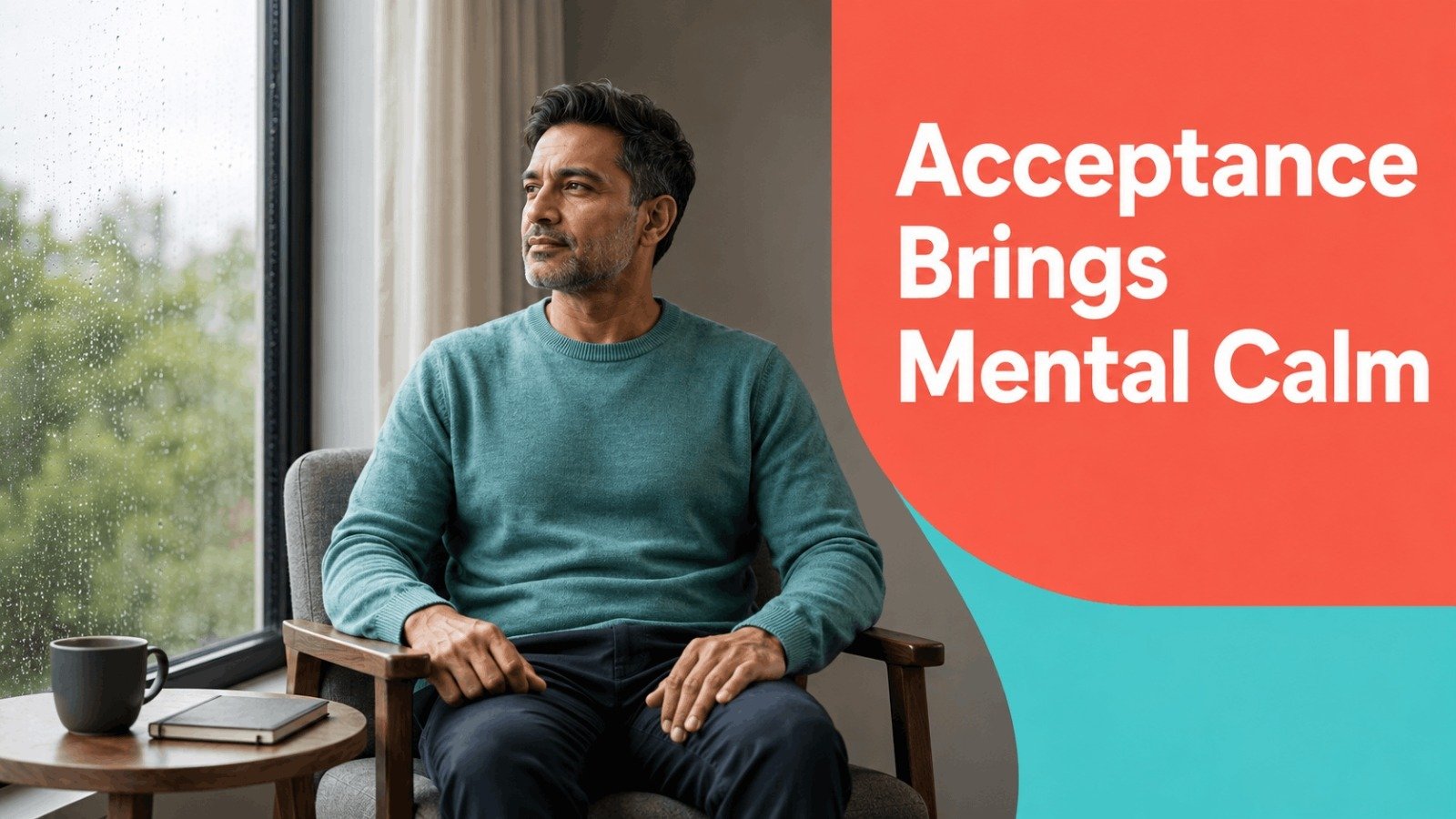
One thing I personally learned: fighting reality mentally creates more stress. Earlier, I often became emotionally exhausted by constantly thinking:
-
“Why is this happening?”
-
“Why is life difficult?”
-
“Why can’t things stay easy?”
But over time, I realized difficult phases are part of life for everyone. Personally, acceptance reduced emotional pressure greatly. Acceptance does not mean giving up — it means staying calm enough to handle situations wisely.
2. Walking Helped Calm My Mind
Whenever stress increased heavily, walking helped me mentally more than expected. Personally, outdoor walks reduced overthinking, emotional pressure, and mental heaviness.
Fresh air and movement created emotional relief naturally. Sometimes during difficult days, even a simple walk improved my mindset. The brain feels healthier when the body keeps moving.
3. Real Positivity Does Not Mean Staying Happy All the Time
This was one of the biggest lessons I learned. Personally, I used to think positivity meant always feeling motivated or cheerful. But real positivity is different. It means:
-
Staying hopeful despite current challenges
-
Staying patient with yourself and others
-
Not mentally collapsing during intense stress
Even simple calmness during difficult moments is a powerful form of positivity.
4. How Sleep Affected My Emotional Strength

One thing I noticed clearly: poor sleep made tough situations feel even worse. Personally, lack of sleep increased irritability, emotional reactions, anxiety, and mental exhaustion.
Conversely, better sleep improved patience, emotional balance, and mental clarity. Healthy recovery is extremely important during stressful phases.
5. Overcoming the Trap of Too Much Overthinking
Personally, overthinking often made situations feel bigger than they really were. The mind kept replaying problems, future fears, and negative possibilities.
Over time, I realized mental overload drains emotional energy. Learning to slow down mentally helped greatly.
6. Creating Quiet Time for Emotional Healing
One habit that helped me personally was creating quiet moments daily. Simple, intentional practices made a big difference:
-
Sitting calmly in a quiet space
-
Prayer and reflection
-
Deep breathing exercises
-
Dedicated time away from screens
The mind needs peaceful moments to recover from emotional pressure. Constant stimulation increases stress further.
7. Staying Active Improved My Overall Mood
Personally, inactivity made stress worse. The more inactive I became, the heavier my thoughts felt and the lower my energy became.
Simple movement improved mood, focus, and mental freshness naturally. Even light activity helps emotional wellness.
8. Gratitude Changed My Perspective
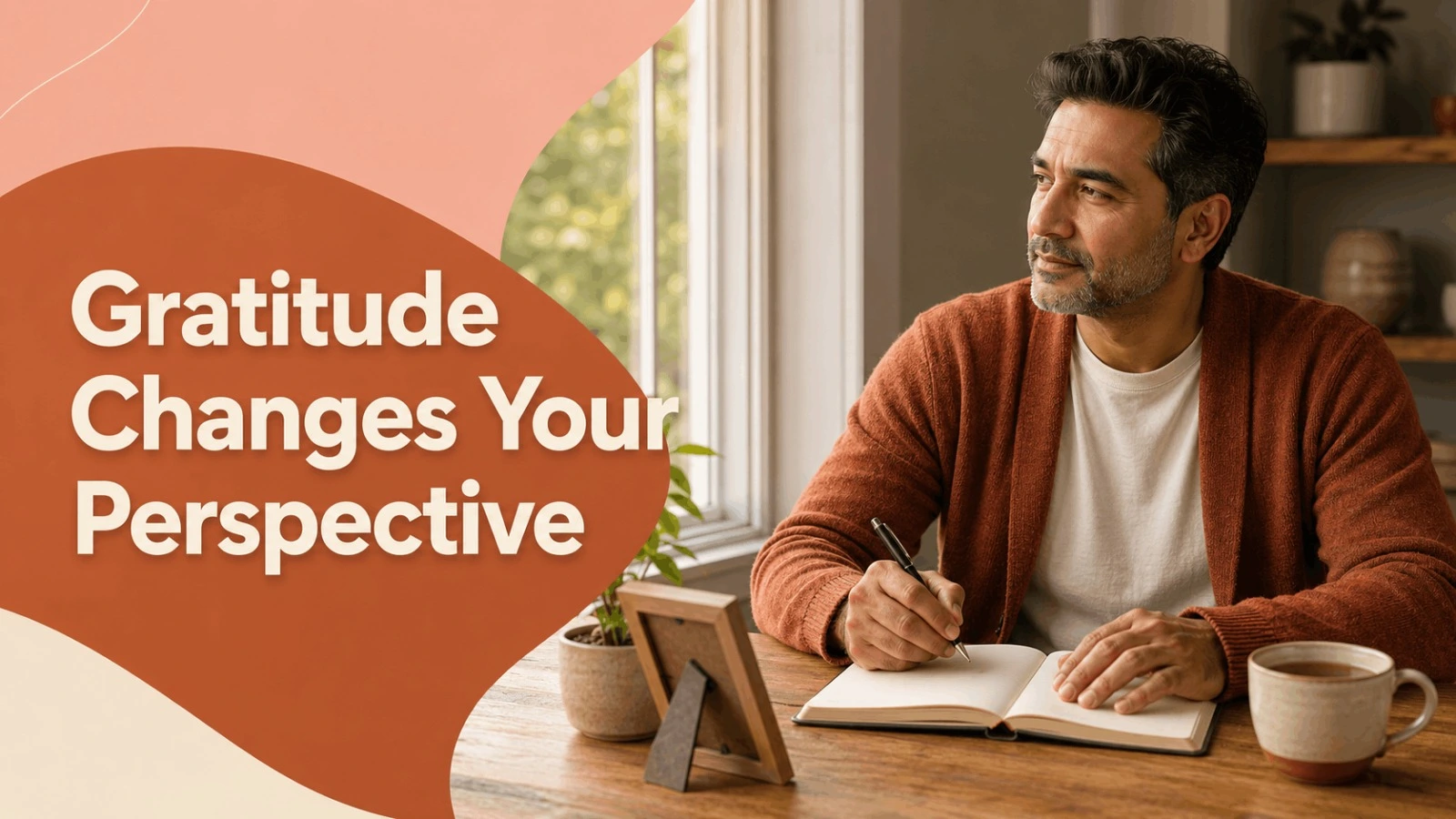
One thing that helped me mentally during difficult times was gratitude. Personally, stressful situations often made me focus only on problems. But intentionally remembering blessings improved emotional balance.
Even during hard phases, there are still things to appreciate:
-
Health and daily vitality
-
Family and personal support systems
-
Shelter and comfortable living space
-
Food and daily essentials
-
Opportunities for future growth
Gratitude creates deep emotional stability.
9. Reducing Screen Overload for Peace of Mind
Modern life increases emotional pressure through negative news, social media comparison, and constant notifications. Personally, too much screen exposure increased stress greatly.
Reducing unnecessary digital noise improved calmness, focus, and emotional peace. The brain needs regular breaks from constant stimulation.
10. Surround Yourself with Positive People
Personally, I noticed environment matters greatly. Spending time around negative thinking, constant complaints, and toxic discussions increased emotional exhaustion.
Calmer, supportive people improved my mindset naturally. Energy around us affects emotional health more than we realize.
11. Faith and Reflection Kept Me Grounded

Personally, prayer and reflection became emotionally powerful during difficult times. They helped me slow down mentally, reduce panic, and feel emotionally grounded.
Life feels lighter when the mind stops carrying every burden alone. Faith created emotional strength during stressful periods.
12. Staying Busy in Healthy Ways
One thing I personally noticed: too much idle overthinking increased stress. Healthy, productive activities improved mood, mental focus, and emotional control.
Simple, routine-focused activities helped keep my mind balanced:
-
Regular exercise and walking
-
Reading engaging books
-
Organizing daily routines
-
Spending time outdoors in nature
Healthy action reduces emotional heaviness effectively.
13. How Tough Times Changed My Perspective on Life
Personally, difficult phases taught me many important lessons: patience, emotional strength, gratitude, and self-control.
Sometimes tough periods quietly help people grow mentally stronger. Not every difficult phase is meaningless.
14. Small Daily Habits That Help Me Stay Positive
Personally, these daily habits helped me most:
-
Walking daily for physical freshness
-
Prioritizing better sleep routines
-
Enjoying quiet mornings
-
Actively practice less overthinking
-
Regular prayer and reflection
-
Staying physically active
-
Practicing daily gratitude
-
Limiting screen overload
None of these habits removed all problems. But together, they improved mental balance, emotional calmness, stress management, hopefulness, and core strength.
Building emotional resilience becomes much easier when you follow the best daily routine for men over 40 to stay physically active and mentally balanced.
15. Building Emotional Strength Takes Time
One thing I learned personally: mental strength does not appear overnight. It develops slowly through:
-
Consistent, healthy routines
-
Daily patience with yourself
-
Ongoing emotional balance
-
Small, healthy actions repeated daily
Small daily habits create long-term emotional resilience.
Frequently Asked Questions (FAQs)
How can I stay positive during stressful times?
Simple habits like daily walking, getting better sleep, practicing gratitude, engaging in prayer, and reducing overthinking can help improve emotional balance during stressful periods.
Does exercise help emotional wellness?
Yes, regular physical movement helps reduce stress levels, improves overall mood, and creates natural mental calmness.
Why does overthinking make stress worse?
Overthinking keeps the brain emotionally overloaded, which increases mental exhaustion, anxiety, and continuous emotional pressure.
Can better sleep improve emotional strength?
Yes, proper restful sleep directly improves your patience, emotional stability, mental focus, and stress management capabilities.
What are the best natural ways to improve positivity?
Walking outdoors, maintaining healthy routines, practicing gratitude, making quiet time, staying active, and reducing screen overload can naturally improve emotional wellness.
Final Thoughts
Learning How to Stay Positive During Tough Times became one of the most important life lessons for me personally. I realized positivity is not about pretending life is perfect.
Real positivity means staying mentally balanced, remaining hopeful, staying patient, and continuing healthy routines even during intense stress.
Simple habits like walking, better sleep, gratitude, quiet time, staying active, and reducing overthinking can slowly improve emotional strength and mental wellness over time. Difficult phases are a natural part of life, but healthier habits help the mind carry those difficult moments far more peacefully.
How to Stay Positive During Tough Times
Under “Staying Positive Does Not Mean Staying Happy All the Time”:
The NHS explains that negative emotions can be a healthy response to difficult life situations, and everyone responds differently.
Under “Walking Helped Calm My Mind”:
According to the CDC, regular physical activity may reduce short-term anxiety, support clearer thinking, and improve sleep.
Under “Sleep Affected My Emotional Strength”:
The National Institute of Mental Health recommends making sleep a priority, following a regular schedule, and limiting screen exposure before bedtime.
Under “Quiet Time Became Emotionally Healing”:
The World Health Organization provides an evidence-informed guide called Doing What Matters in Times of Stress, containing practical exercises for managing difficult thoughts and stressful situations.
Under “Gratitude Changed My Perspective”:
The NIMH includes gratitude among its recommended mental self-care practices, such as noticing and writing down specific things you appreciate.
Helpful Resources
- CDC: Healthy Eating for a Healthy Weight
- CDC: Steps for Losing Weight
- CDC: Fruits and Vegetables for Healthy Weight Management
- American Heart Association: Fish and Omega-3 Fatty Acids
- American Heart Association: Nuts and Healthy Portions
- NCCIH: Green Tea—Usefulness and Safety