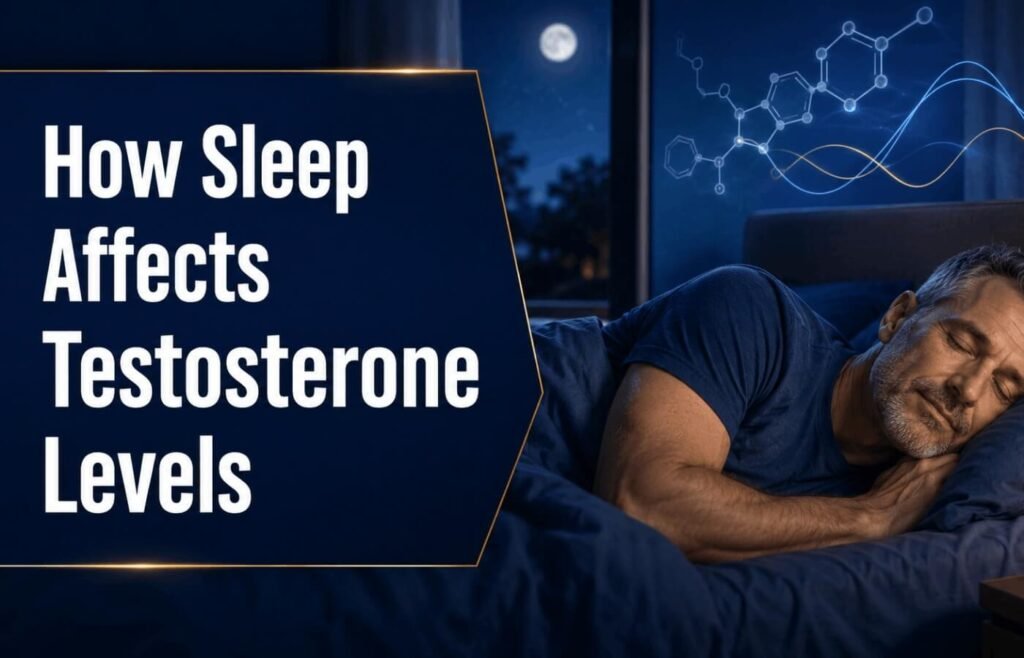
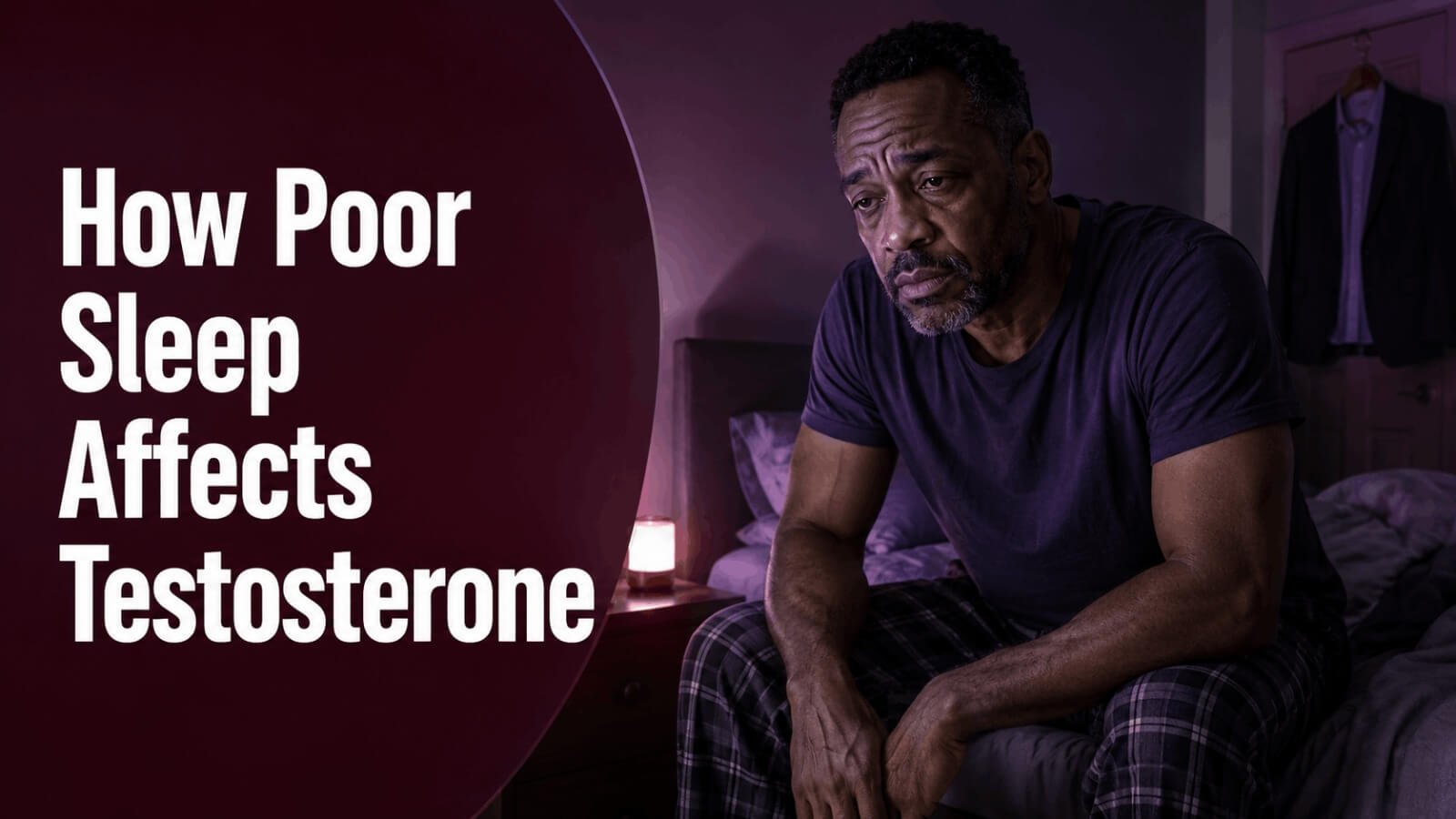
Many men focus heavily on rigorous gym regimens, strict dietary protocols, and targeted supplementation to maintain peak vitality after age 40. While physical training and clean nutrition are critical pillars, one foundational biological factor is consistently undervalued: sleep architecture.
In early adulthood, the endocrine system readily adapts to short nights and irregular schedules. Past the age of 40, however, recovery dynamics shift significantly. A single night of fragmented rest immediately degrades cognitive clarity, emotional resilience, metabolic efficiency, and physical output.
Key Takeaway: Sleep is not passive rest—it is the human body’s primary endocrine, cellular, and neurological repair system.
The Biological Link Between Sleep and Testosterone Levels
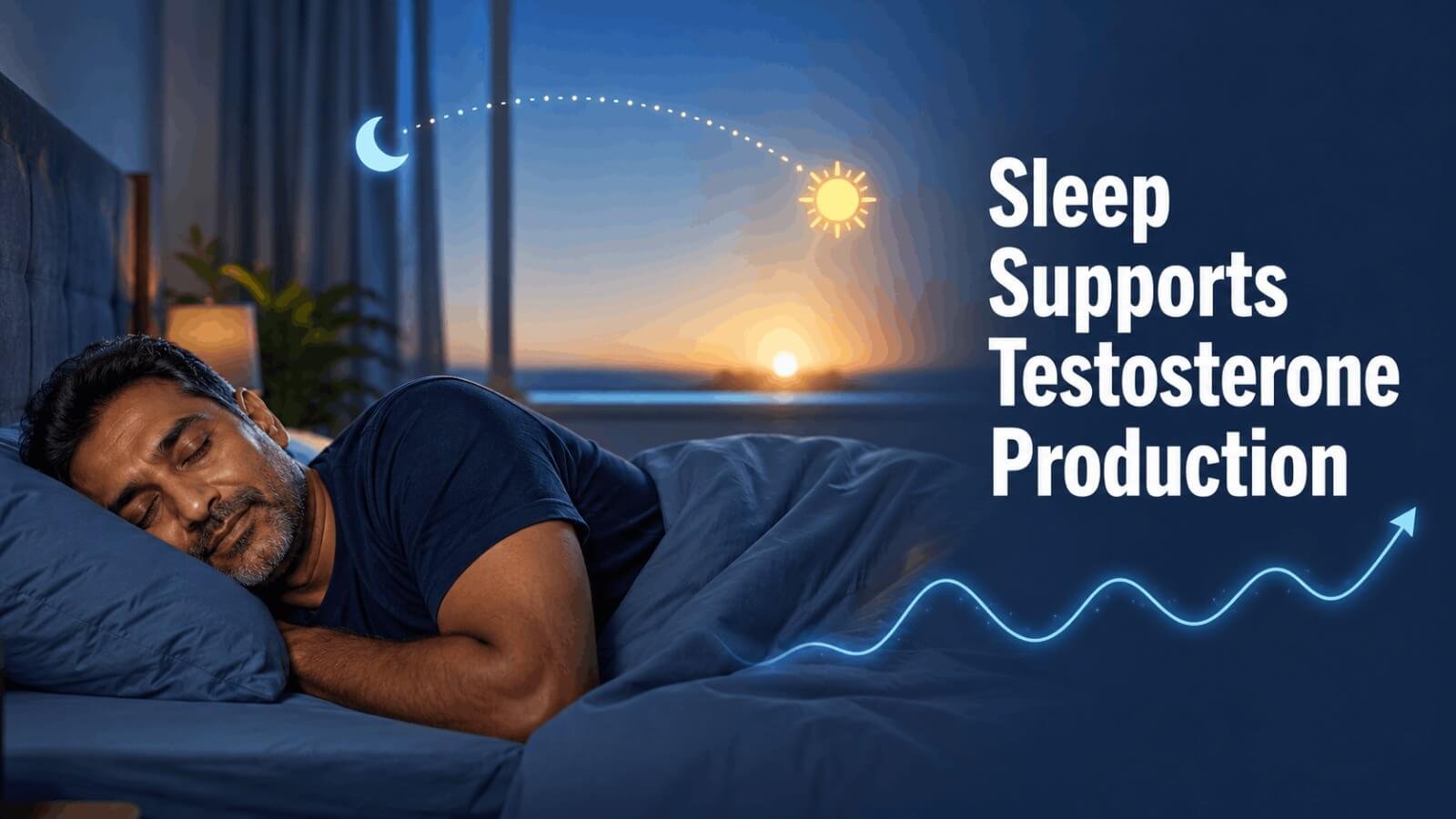
Hormonal regulation is intrinsically tied to the circadian rhythm. The male body synthesizes and pulses the vast majority of its daily testosterone during slow-wave deep sleep and rapid eye movement (REM) cycles.
┌─────────────────────────────────────────────────────────────┐
│                 Circadian Sleep-Hormone Loop                │
├─────────────────────────────────────────────────────────────┤
│  Deep Sleep (Slow-Wave) ──► Peak LH & Testosterone Release   │
│            ▲                                 │              │
│            │                                 ▼              │
│  Circadian Reset ◄──────── Lower Nighttime Cortisol Levels  │
└─────────────────────────────────────────────────────────────┘
When sleep duration is truncated:
-
Hormonal Depletion: Restricting sleep to 5 hours or fewer per night suppresses daytime testosterone levels by 10% to 15% within a single week.
-
Cortisol Antagonism: Sleep deprivation causes sustained elevations in serum cortisol, which directly inhibits the testicular synthesis of testosterone.
-
Neurological Fatigue: Lack of restorative sleep reduces central nervous system drive, impairing motivation and motor unit recruitment during training.
Core Comparison: Optimal Sleep vs. Chronic Sleep Deficit
| Physiological Factor | 7–8 Hours Optimal Sleep | Chronic Sleep Deficit (<6 Hours) |
| Testosterone Levels | Peak nocturnal and diurnal output | 10%–15% clinical reduction |
| Cortisol (Stress Hormone) | Suppressed overnight; normal morning pulse | Chronically elevated throughout the day |
| Metabolic Impact | Regulated insulin sensitivity and leptin | Elevated ghrelin, intense sugar cravings |
| Body Composition | Preservation of lean muscle mass | Increased visceral belly fat accumulation |
| Workout Recovery | Efficient protein synthesis and repair | Prolonged muscle soreness and joint fatigue |
3 Critical Pathways Affected by Sleep Loss

1. Muscle Protein Synthesis and Tissue Repair
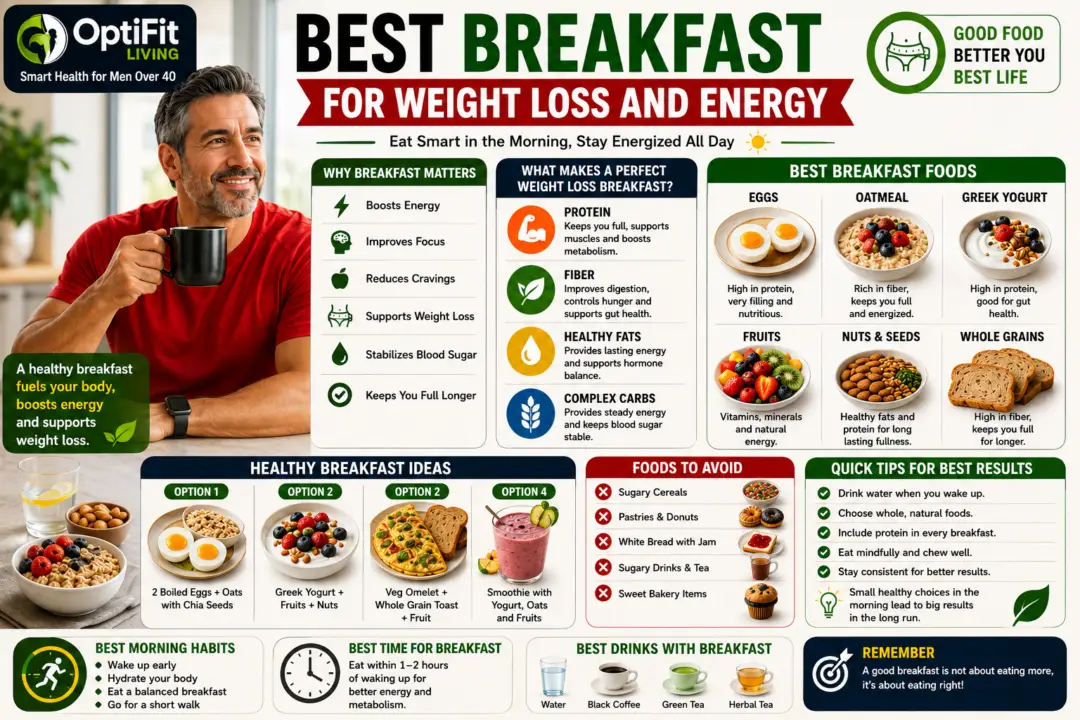
Resistance training creates micro-trauma in skeletal muscle fibers, but growth and structural remodeling occur primarily during slow-wave rest. Insufficient sleep blunts growth hormone release and limits nutrient partitioning to working muscles, stalling strength progression and increasing soft-tissue injury risks. for More information Best Breakfast for Weight Loss
2. Visceral Adiposity and Aromatase Activity
Sleep deprivation disrupts appetite-regulating hormones by elevating ghrelin (hunger) and suppressing leptin (satiety). The resulting caloric surplus drives the accumulation of deep abdominal (visceral) fat. Visceral adipose tissue contains high concentrations of the enzyme aromatase, which converts free testosterone into estrogen, compounding the hormonal decline.
3. Obstructive Sleep Apnea (OSA)
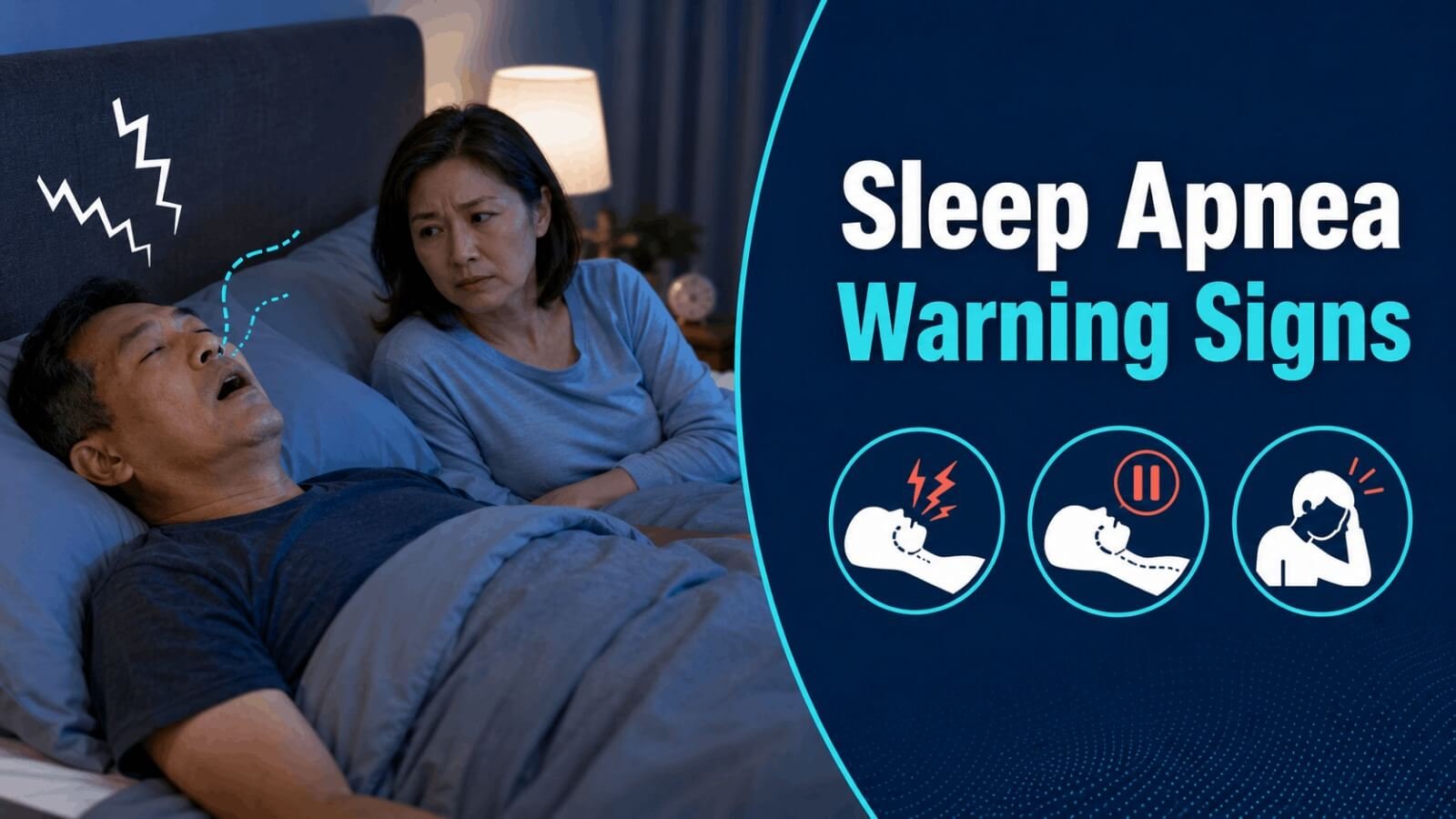
Sleep apnea is common in men over 40. Repeated micro-arousals and transient nocturnal hypoxia prevent the brain from sustaining deep sleep stages, severely impairing the circadian regulation of testosterone levels.
5 Practical Habits to Restore Sleep and Hormonal Health

┌─────────────────────────────────────────────────────────────┐
│                  Actionable Nighttime Protocol              │
├─────────────────────────────────────────────────────────────┤
│  1. Consistent Sleep Timing   ► Anchor circadian rhythm     │
│  2. 60-Minute Screen Curfew   ► Stimulate natural melatonin │
│  3. Lighter Evening Nutrition ► Prevent nocturnal reflux    │
│  4. Post-Dinner Walk (15 min) ► Balance blood glucose       │
│  5. Targeted Micronutrients   ► Optimize nervous system     │
└─────────────────────────────────────────────────────────────┘
-
Anchor Your Sleep Schedule: Retire and wake at identical times every day (±30 minutes) to standardize the circadian clock and maximize slow-wave sleep phases.
-
Implement a Digital Curfew: Eliminate blue-light exposure 60 minutes before bed to allow uninhibited melatonin secretion.
-
Optimize Meal Timing: Consume lighter evening meals at least 2 to 3 hours prior to sleep to prevent gastrointestinal strain and elevated nighttime resting heart rates.
-
Incorporate Light Postprandial Movement: A 15-minute walk following dinner aids glucose disposal, supports digestion, and eases muscular tension.
-
Prioritize Micronutrient-Dense Foods: Include dietary sources of magnesium and tryptophan—such as walnuts, pumpkin seeds, rolled oats, and bananas—while restricting caffeine consumption past early afternoon.
Prioritizing Sustainable Recovery After 40
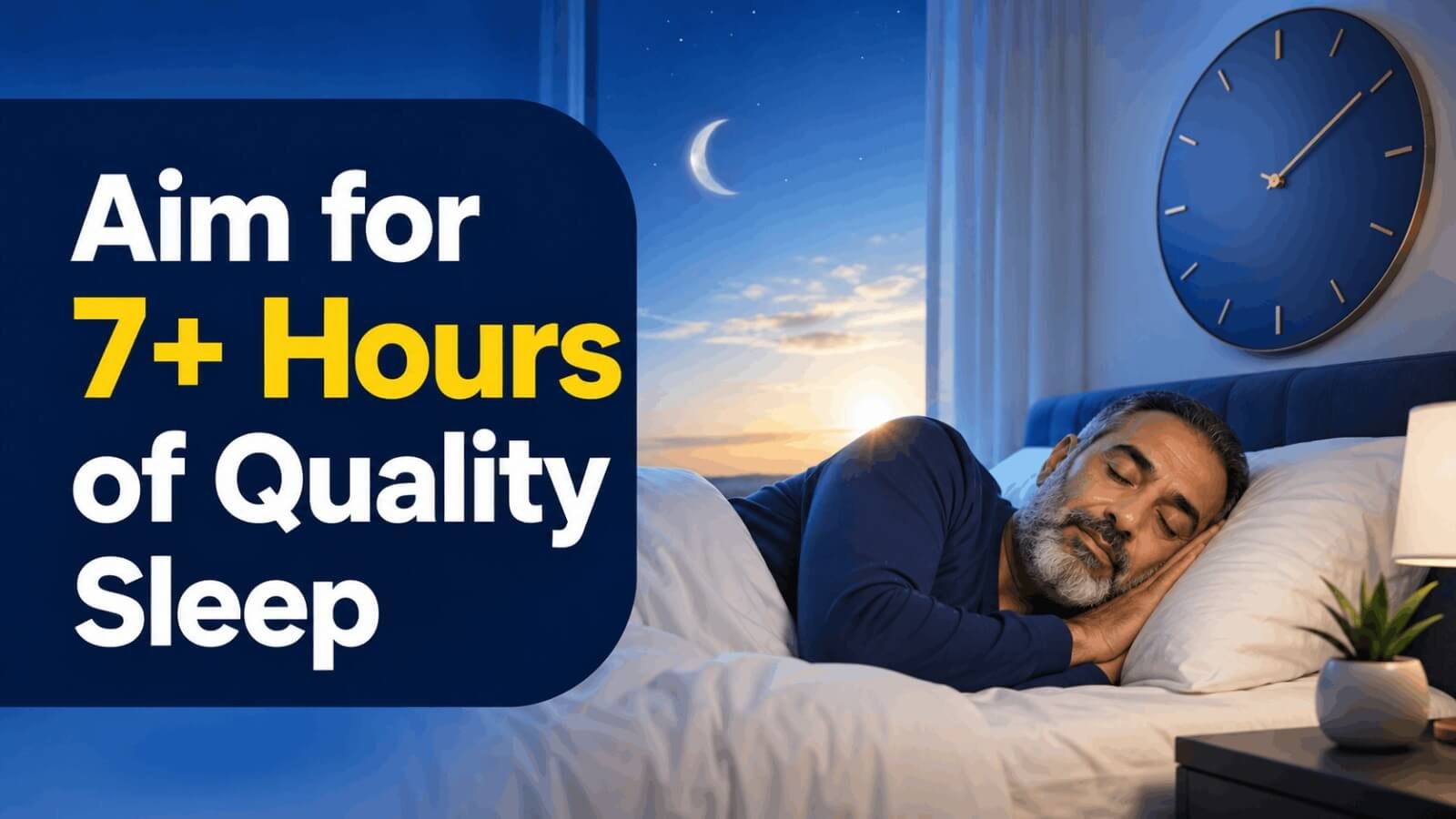
After 40, physiological progress is dictated by recovery capacity rather than sheer training volume. Intense workouts and clean nutrition produce results only when supported by adequate biological repair. Prioritizing 7 to 8 hours of uninterrupted rest naturally optimizes testosterone levels, enhances metabolic resilience, and maintains high daily stamina.
Helpful Resources
- CDC: About Sleep and Recommended Sleep Duration — explains that most adults need at least seven hours and that sleep quality also matters.
- JAMA Study: Sleep Restriction and Testosterone — a small study found a 10–15% reduction in daytime testosterone after healthy young men slept five hours nightly for one week.
- Research Review: Sleep, Testosterone and Ageing Men — reviews the relationship between sleep, cortisol and testosterone.
- American Academy of Sleep Medicine: Obstructive Sleep Apnea — covers snoring, breathing interruptions, fatigue and other warning signs.
- Endocrine Society: Hypogonadism in Men — explains that low testosterone requires symptoms plus at least two low early-morning blood tests.