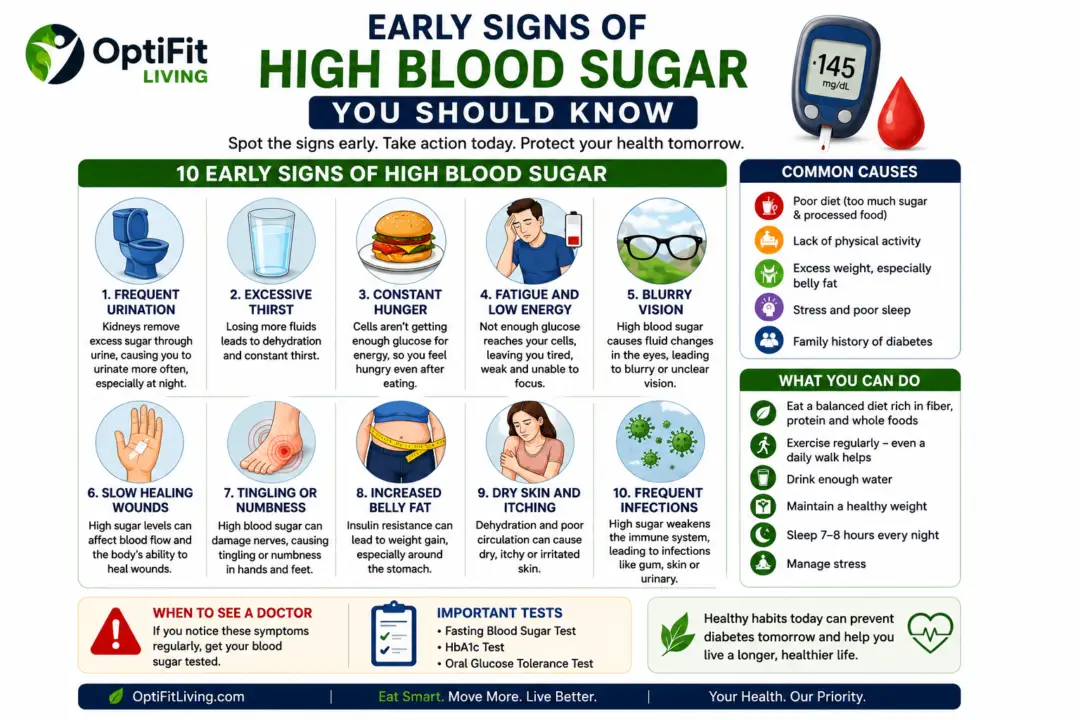
Blood sugar control is one of the most important parts of maintaining good health, especially for people with prediabetes, diabetes, insulin resistance, or weight-related health issues. Today, millions of people struggle with unstable blood sugar levels due to poor diet, stress, lack of exercise, and unhealthy lifestyle habits.
The good news is that many natural foods can help stabilize blood sugar and improve insulin sensitivity without relying only on medication. Eating the right foods daily can help reduce sugar spikes, improve energy, support weight loss, and protect long-term health.
In this detailed guide, we will discuss the best foods to help control blood sugar naturally, foods to avoid, and simple eating habits that can make a major difference in your health.
Why Blood Sugar Control Is Important
Blood sugar, also called blood glucose, is the main source of energy for the body. After eating, carbohydrates break down into glucose and enter the bloodstream.
A hormone called insulin helps move glucose into the cells where it is used for energy. When the body cannot properly use insulin or produce enough insulin, sugar builds up in the blood. Over time, high blood sugar can increase the risk of:
- Type 2 diabetes
- Heart disease
- Kidney problems
- Nerve damage
- Vision loss
- Obesity
This is why managing blood sugar naturally is very important.
How Food Affects Blood Sugar
Different foods affect blood sugar differently. Foods high in refined sugar and processed carbohydrates cause rapid blood sugar spikes. On the other hand, foods rich in fiber, protein, and healthy fats digest slowly and help maintain stable glucose levels.
The goal is not only to lower blood sugar but also to prevent sudden spikes and crashes throughout the day.
Best Foods to Help Control Blood Sugar Naturally
1. Leafy Green Vegetables
Leafy greens are among the best foods for blood sugar control. Examples include:
- Spinach
- Kale
- Lettuce
- Fenugreek leaves
- Broccoli
- Cabbage
These vegetables are:
- Low in calories
- Low in carbohydrates
- High in fiber
- Rich in vitamins and antioxidants
Fiber slows sugar absorption and helps improve insulin sensitivity.
Best Ways to Eat:
- Salads
- Soups
- Stir-fried vegetables
- Smoothies
2. Oats
Oats are an excellent breakfast choice for stable blood sugar. They contain soluble fiber called beta-glucan, which slows digestion and helps prevent sugar spikes after meals.
Oats also help:
- Improve fullness
- Reduce hunger
- Support heart health
- Improve cholesterol levels
Important Tip:
Choose plain oats instead of sugary flavored oatmeal packets.
3. Eggs
Eggs are rich in protein and healthy fats, making them excellent for blood sugar management. Protein slows digestion and helps prevent sudden glucose spikes. Eggs may also:
- Reduce hunger
- Improve insulin sensitivity
- Support muscle health
- Help with weight management
Healthy Options:
- Boiled eggs
- Omelets with vegetables
- Scrambled eggs with olive oil
4. Nuts and Seeds
Nuts and seeds provide healthy fats, fiber, and protein that support stable blood sugar. Best options include:
- Almonds
- Walnuts
- Pistachios
- Chia seeds
- Flaxseeds
- Pumpkin seeds
These foods help:
- Reduce cravings
- Improve fullness
- Slow glucose absorption
- Support heart health
Portion Control Matters
Although healthy, nuts are calorie-dense, so moderate portions are recommended.
5. Greek Yogurt
Unsweetened Greek yogurt is rich in protein and probiotics that may help improve blood sugar balance. Benefits include:
- Better digestion
- Reduced cravings
- Improved gut health
- Increased fullness
Avoid:
- Flavored yogurts
- Sugary yogurt drinks
Choose plain, unsweetened versions whenever possible.
6. Beans and Lentils
Beans and lentils digest slowly, making them excellent for blood sugar control. They are rich in:
- Fiber
- Plant protein
- Minerals
- Slow-digesting carbohydrates
Examples include:
- Chickpeas
- Kidney beans
- Black beans
- Lentils
These foods help keep blood sugar stable for longer periods.
7. Fatty Fish
Fatty fish contain omega-3 fatty acids that reduce inflammation and support heart health. Best choices include:
- Salmon
- Sardines
- Tuna
- Mackerel
People with diabetes have a higher risk of heart disease, so healthy fats are especially important.
8. Cinnamon
Cinnamon may help improve insulin sensitivity and reduce blood sugar levels in some people. It can easily be added to:
- Oats
- Tea
- Yogurt
- Smoothies
Important Reminder:
Use cinnamon in moderation and as part of a healthy diet.
9. Apples
Apples contain fiber and antioxidants that help slow sugar absorption. Despite being naturally sweet, whole apples usually have a lower glycemic impact compared to sugary snacks.
Better Choice:
Eat whole apples instead of apple juice.
10. Avocados
Avocados contain healthy fats and very little sugar.
They help:
- Improve fullness
- Reduce hunger
- Support heart health
- Stabilize blood sugar
They are also rich in potassium and fiber.
11. Whole Grains
Whole grains digest slower than refined grains. Better options include:
- Brown rice
- Quinoa
- Whole wheat bread
- Barley
Avoid refined white flour products whenever possible.
12. Chia Seeds
Chia seeds absorb water and form a gel-like texture that slows digestion. Benefits include:
- Improved fullness
- Better digestion
- Slower sugar absorption
- Increased fiber intake
They are easy to add to:
- Yogurt
- Smoothies
- Oatmeal
Foods That Can Increase Blood Sugar Quickly
Certain foods cause rapid glucose spikes and should be limited.
Sugary Drinks
- Soft drinks
- Energy drinks
- Sweet tea
- Packaged juices
Liquid sugar enters the bloodstream very quickly.
White Bread and Refined Flour
White bread and refined flour products digest rapidly and raise blood sugar levels.
Fast Food
Fast food often contains:
- Refined carbohydrates
- Unhealthy fats
- Excess calories
- Added sugar
Processed Snacks
Examples include:
- Chips
- Cookies
- Cakes
- Candy
These foods offer little nutrition and can worsen insulin resistance.
Best Eating Habits for Stable Blood Sugar
1. Eat Balanced Meals
A healthy meal should include:
- Protein
- Fiber
- Healthy fats
- Vegetables
Balanced meals slow digestion and improve glucose control.
2. Avoid Skipping Meals
Skipping meals may lead to overeating later and unstable blood sugar levels.
3. Control Portion Sizes
Even healthy foods can raise blood sugar if eaten excessively.
4. Drink Enough Water
Hydration helps support metabolism and kidney function.
5. Reduce Late-Night Eating
Eating heavy meals late at night may worsen insulin resistance.
Can Weight Loss Improve Blood Sugar?
Yes. Losing even a small amount of weight can improve insulin sensitivity significantly.
Benefits of healthy weight loss include:
- Lower fasting blood sugar
- Reduced belly fat
- Better energy
- Lower diabetes risk
Best Lifestyle Habits Along With Healthy Foods
Food works even better when combined with healthy habits.
Daily Walking
Walking after meals helps muscles use glucose more efficiently.
Better Sleep
Poor sleep increases insulin resistance.
Stress Management
Chronic stress can raise blood sugar levels through hormonal changes.
Regular Exercise
Strength training and cardio exercises both support glucose control.
When Should You Check Your Blood Sugar?
You should consider blood sugar testing if you:
- Feel tired regularly
- Have increased thirst
- Gain belly fat easily
- Have a family history of diabetes
- Experience frequent hunger
- Are over 40 years old
Early testing can help prevent serious complications later.
Final Thoughts
Healthy food choices can naturally improve blood sugar control and support long-term wellness. Foods rich in fiber, protein, healthy fats, and nutrients help stabilize glucose levels and reduce the risk of diabetes complications.
Simple daily changes like eating more vegetables, whole foods, nuts, seeds, oats, beans, and healthy proteins can make a huge difference over time.
The key is consistency. Small healthy habits practiced every day often create the biggest long-term results.