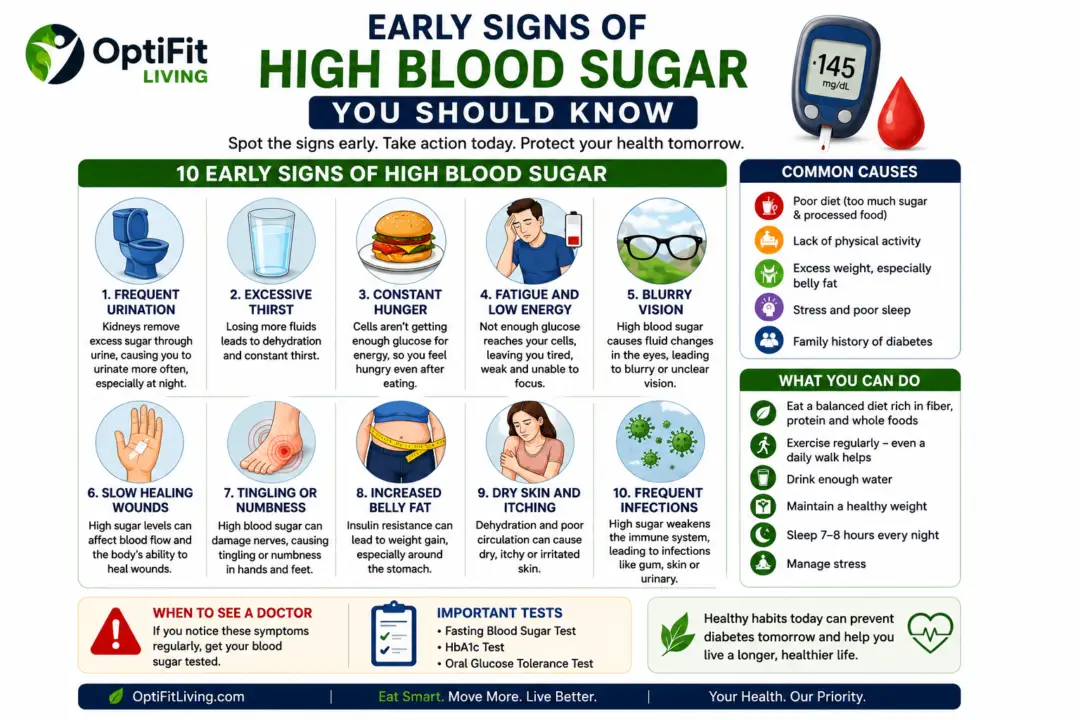

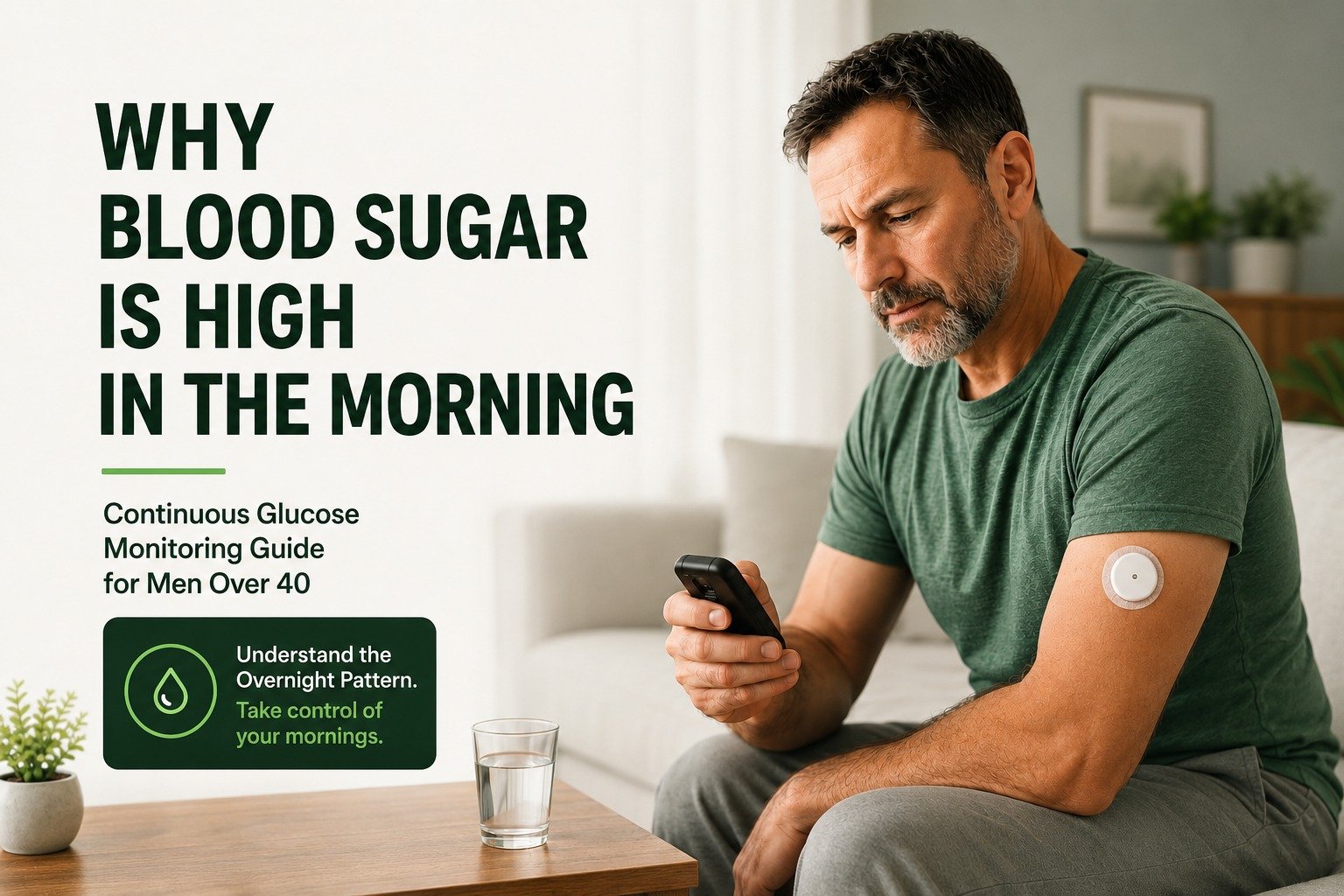
The morning blood sugar reading can be frustrating. A man may eat carefully at night, avoid sweets, sleep for several hours, and still wake up with higher glucose than expected. This is one of the most common concerns I see among men over 40 who are trying to understand their health more seriously.The confusing part is simple: you have not eaten anything overnight, so why is blood sugar high in the morning?
For men over 40, this question matters because morning blood sugar is not only about food. It can relate to sleep quality, belly fat, stress, late dinners, liver glucose release, muscle loss, insulin resistance, medication timing, and daily movement. This is also where continuous glucose monitoring, commonly called CGM, can become useful because it shows patterns that a single finger-prick reading may miss.
In this guide, I will explain why blood sugar is high in the morning, how CGM helps you understand overnight glucose patterns, what habits may be making the problem worse, and what practical steps can help you build better control without panic or extreme changes.
Why Blood Sugar Is High in the Morning After 40
Morning blood sugar is usually checked before breakfast. Many people call it fasting blood sugar. Ideally, this number gives you an idea of how your body handled sugar overnight. But in real life, the morning number is affected by many things that happened before you woke up.
Your body is not inactive during sleep. It is repairing, balancing hormones, controlling temperature, managing stress signals, and preparing you to wake up. During the early morning hours, your body may release stored glucose into the blood, so you have energy to start the day, which is entirely natural.
For a healthy person with a good insulin response, this process is usually controlled. But when insulin resistance, belly fat, poor sleep, stress, or diabetes is present, the same natural process may lead to higher morning sugar. This is why a man over 40 may wake up with high blood sugar even when he did not eat anything overnight.
Morning Blood Sugar Is a Pattern, Not Just One Number
One high reading does not always mean something serious. A poor night’s sleep, late dinner, stress, illness, or even dehydration can affect the result.The real concern is the pattern.If morning blood sugar is repeatedly high, it means your body may be struggling to control glucose during the night or early morning. This is where tracking becomes important. Guessing can create confusion, but tracking can show direction.
What Continuous Glucose Monitoring Means
Continuous glucose monitoring is a method of tracking glucose throughout the day and night. Instead of giving only one reading at one time, a CGM shows how glucose rises, falls, and changes across many hours. This can be especially helpful for morning blood sugar because the problem often starts before you wake up.
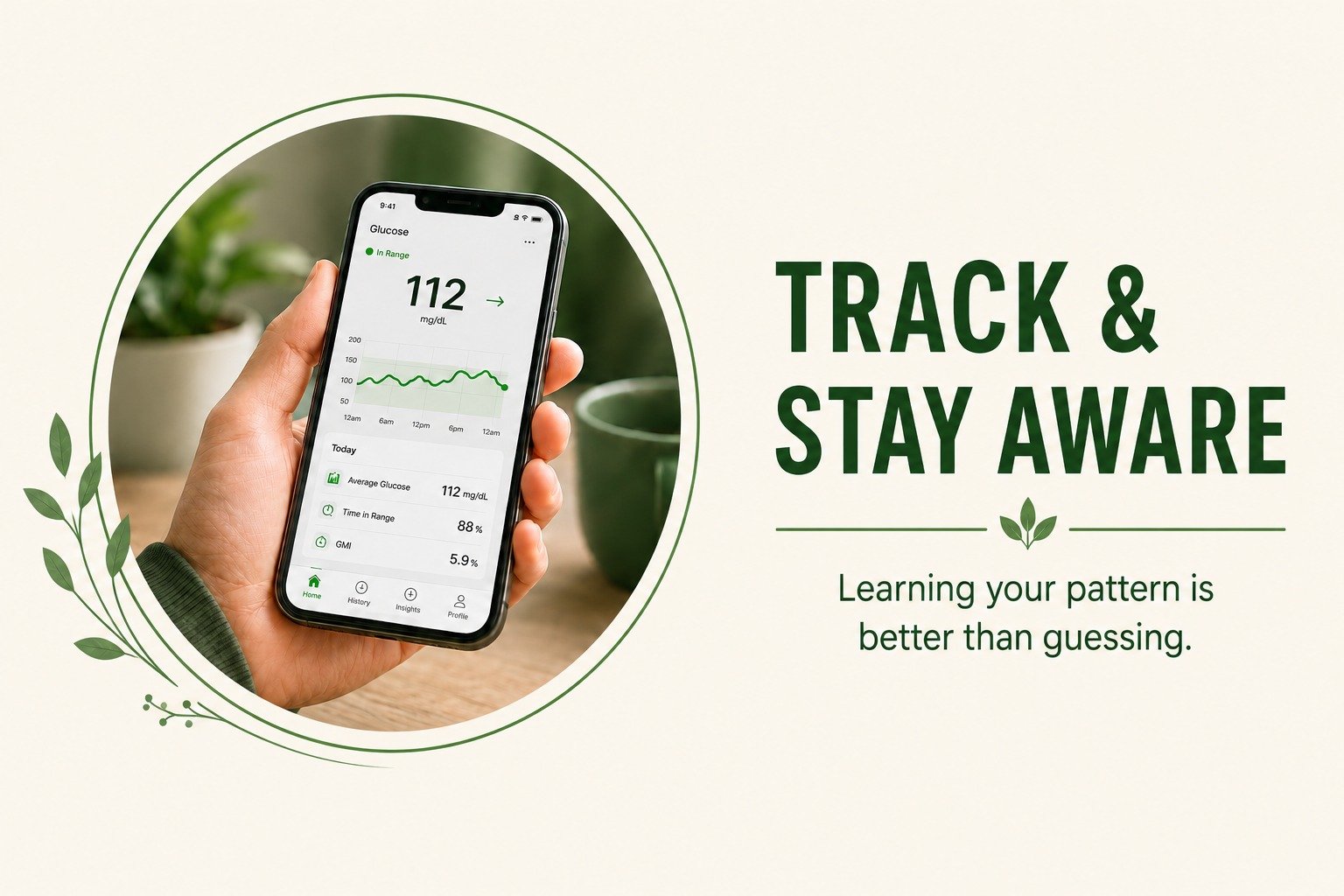
A CGM may show:
- Whether blood sugar stayed high all night
- Whether it rose only in the early morning
- Whether dinner caused a long overnight rise
- Whether sugar dropped too low at night and then rebounded
- Whether stress or poor sleep affected the pattern
- Whether walking, dinner timing, or better sleep improved the next morning
For men over 40, this kind of pattern is more useful than simply blaming one food or one meal.
CGM Does Not Replace Common Sense or Medical Advice
CGM can give helpful information, but it should not create fear. Numbers can move for many reasons. A single spike does not define your health.The best use of CGM is not to panic over every reading. The best use is to learn your personal pattern and discuss important changes with a qualified doctor, especially if you already have diabetes, take medication, use insulin, or have repeated high or low readings.
How CGM Explains Why Blood Sugar Is High in the Morning
A morning finger-prick test gives one number. A CGM gives the story behind that number. For example, if you wake up with high sugar, there are several possible physiological patterns.
Blood Sugar Stayed High After Dinner
Sometimes the morning problem starts at dinner. A heavy dinner with too much rice, bread, sweets, fried food, or late-night snacks can keep blood sugar raised for many hours. If digestion is slow and the body is inactive after dinner, glucose may remain higher into the night.
In this case, the morning reading is not only a morning issue. It is the result of the previous evening. A practical correction is to make dinner earlier, reduce heavy refined carbohydrates at night, add protein and vegetables, and walk for 10 to 15 minutes after meals.
What Is a Normal Blood Sugar Level After 40?
The Dawn Phenomenon (Early Morning Rise)
This is a very common early-morning pattern known medically as the Dawn Phenomenon. The body naturally releases counter-regulatory hormones (like cortisol and growth hormone) before waking up to give you energy to start the day. These hormones trigger the liver to release stored glucose.
When your insulin response is weak or insulin resistance is present, the body cannot handle this spike properly, and glucose rises more than expected. A CGM may show blood sugar starting to climb around 3:00 AM to 6:00 AM even though you did not eat. This does not mean you did something wrong overnight; it means your body needs better metabolic support.
The Somogyi Effect (Nighttime Low Rebound)
In some people, especially those using diabetes medication or insulin, blood sugar may drop too low during sleep (hypoglycemia). The body panics and responds by releasing stress hormones to dump stored glucose back into the blood, which can result in a high morning reading.
This is known as the Somogyi Effect. It is crucial to identify this because the solution is not simply to eat less at night or exercise harder. If medication timing or nighttime lows are involved, a doctor must review the pattern. This is a primary reason why a CGM is useful—it shows what happened while you were sleeping.
Poor Sleep and Stress Response
Poor sleep can directly affect why blood sugar is high in the morning. When sleep is broken, short, or stressful, the body behaves as if it is under pressure, secreting excess cortisol.
Many men over 40 ignore sleep because they are focused on diet, exercise, work, and family. But sleep is not a luxury. It is a fundamental part of metabolic control.
Why Morning Blood Sugar Issues Become More Common After 40
Blood sugar control can change with age. This does not happen overnight, and it does not mean every man over 40 will develop diabetes. But several age-related physiological changes can make morning glucose harder to manage.
- Belly Fat Becomes More Active: Belly fat is closely linked with insulin resistance. When cells become less responsive to insulin, glucose stays in the blood longer. Many men notice that the same diet they tolerated in their 20s or 30s starts causing problems after 40. The body may no longer handle late dinners, sugary tea, white bread, or long sitting hours as easily.
- Muscle Mass May Decline (Sarcopenia): Muscle helps use glucose as fuel. When muscle mass goes down due to age and inactivity, the body has fewer active tissues to clear sugar efficiently from the bloodstream.
- Work and Life Stress Increases: Many men over 40 carry heavy financial pressure, family responsibilities, and mental loads. Chronic stress disturbs sleep, increases insulin resistance, and pushes fasting glucose numbers up.
- Sleep Quality Naturally Shifts: Late screen time, work messages, snoring, or sleep apnea can affect deep sleep stages, indirectly making morning blood sugar harder to regulate.
Common Causes of High Morning Blood Sugar
High morning blood sugar usually has more than one cause. The goal is to identify the most likely triggers and fix them step by step:
- Late Dinner: Eating too late gives the body less time to manage glucose before entering a resting state.
- Heavy Carbohydrates at Night: Large portions of refined rice, bread, pasta, or desserts affect overnight sugar heavily.
- No Walk After Dinner: Sitting or lying down immediately after dinner makes your metabolism sluggish.
- Poor Sleep: Short or broken sleep alters stress hormones and impairs morning insulin sensitivity.
- Stress Before Bed: Going to bed with work tension or mental worry keeps the body alert and glucose elevated.
- Dehydration: Mild dehydration concentrates the blood, making blood sugar readings appear higher.
- Medication Timing: For those taking insulin or diabetes medication, morning readings
Warning Signs and Risk Factors
- Frequent thirst or urination
- Tiredness immediately after waking
- Blurry vision
- Slow-healing wounds
- Energy crashes after meals
- Tingling or burning in feet
Who Is Most Affected?
You may be more likely to notice high fasting sugar if you are over 40, carry excess belly fat, sit most of the day, have a family history of prediabetes/diabetes, or sleep poorly.
What to Look for in a CGM Report
When analyzing your dashboard, look for long-term trends rather than daily individual spikes:
- The Overnight Trend: Did glucose stay flat but high all night (likely a dinner issue), or did it rise sharply right before waking (likely the Dawn Phenomenon)?
- Post-Dinner Response: Look at how sharply sugar rises after your evening meal and how long it takes to come back down.
- Nighttime Lows: Check if there are dangerous dips in the middle of the night that suggest a Somogyi rebound.
Practical Habits to Improve Morning Blood Sugar
The goal is a better routine that your body can repeat comfortably.
1. Eat Real, Balanced Meals at Dinner
A heavy dinner is one of the most common reasons for poor morning readings. Try a balanced plate layout: Protein (eggs, fish, chicken), plenty of non-starchy vegetables, and a smaller, controlled portion of complex carbohydrates.

[INSERT IMAGE HERE: WhatsApp Image 2026-06-21 at 7.59.27 PM (1).jpeg]
- Image Alt Text: A balanced, healthy dinner plate containing grilled chicken breast, broccoli, and sweet potatoes.
2. Walk After Dinner
A short walk after dinner can help your muscles immediately clear some of the glucose from your meal. Start with a steady 10-to-15-minute walk. Consistency matters much more than speed or intensity.

3. Keep a Regular Sleep Time
Irregular sleep confuses the body’s circadian rhythms. Try to sleep and wake at similar times most days to help stabilize fasting hormones.

4. Add Strength Training
Muscle mass is your best sink for processing blood glucose. Even simple resistance exercises two or three times a week—like squats to a chair, wall push-ups, or light dumbbell presses—will support long-term metabolic health.

5. Manage Stress Before Bed
Stress does not disappear by ignoring it. A calmer evening routine—such as keeping your phone away before sleep, breathing slowly, or doing light stretching—helps reduce the mental load and lower nighttime cortisol.

Simple Action Plan to Start
Day 1 to Day 3: Quick Wins
- Eat dinner a little earlier and keep it lighter.
- Walk 10 minutes right after eating.
- Sleep 20 minutes earlier and drink enough water.
Week 1: Build Consistency
- Keep a regular bedtime.
- Reduce late-night snacking on biscuits or sugary tea.
- Track how your sleep quality directly correlates with your morning reading.
Week 2: Adjust Based on Patterns
- If sugar is high all night, cut down on evening carb portions.
- If sugar drops too low at night, consult your healthcare provider to check your medication.
First Month: Create a Stronger System
- Add basic strength training exercises 2–3 times a week.
- Review your overall CGM or glucose trends calmly without obsessing.
Safety and Medical Advice
This article is for education and practical guidance; it is not a diagnosis or a treatment plan. Speak with a qualified doctor if your morning blood sugar is repeatedly high, if you experience sudden dizziness or confusion, if you use insulin, or if you want to adjust your prescribed medication doses.
FAQs
1. Why is blood sugar high in the morning even without eating?
It can rise because your liver naturally releases stored glucose to prepare you for the day. However, if you have insulin resistance, stress, or poor sleep, your body cannot clear this sugar effectively, leaving numbers high.
2. Can continuous glucose monitoring help find the exact reason?
Yes. A CGM tracks trends all night, revealing whether your blood sugar stayed high from a late dinner, spiked right before waking (Dawn Phenomenon), or dropped too low and bounced back (Somogyi Effect).
3. Is high morning blood sugar always a sign of diabetes?
Not necessarily. Isolated high readings can happen due to an infection, an unusually stressful night, dehydration, or a poor night’s sleep. Repeatedly high readings, however, should be evaluated by a doctor.
4. Should I skip dinner if my morning sugar is high?
No, skipping dinner is rarely a long-term solution and can be dangerous if you take diabetes medications. A lighter, balanced meal containing clean protein and fiber is a much better choice.
Helpful Resources
- National Institute of Diabetes and Digestive and Kidney Diseases (NIDDK): Continuous Glucose Monitoring
- Centers for Disease Control and Prevention (CDC): Continuous Glucose Monitors
- MedlinePlus: Blood Glucose Management
- NCBI Bookshelf: The Dawn Phenomenon Study
- U.S. Food and Drug Administration (FDA): Smartwatch and Smart Ring Glucose Safety Communication