
Healthy living for men over 40 is not about becoming perfect. It is about building simple habits that help you feel stronger, lighter, calmer, and more in control of your body. Many men reach their 40s and suddenly notice changes they did not expect. Belly fat becomes harder to lose. Energy drops faster. Sleep is not as deep. Joints feel stiff. Blood sugar, cholesterol, and blood pressure may start becoming serious concerns.
The good news is that your 40s can also become the age where you finally understand your body better.
You do not need extreme diets, heavy gym routines, or complicated health rules. You need a practical lifestyle that fits real life: work, family, stress, responsibilities, and limited time.
This guide will help you understand the most important areas of health after 40 and how to improve them step by step.
Who This Guide Is For
This guide is written for men over 40 who want to improve their health without confusion. It is especially useful if you:
- Feel tired more often than before
- Have gained belly fat – Read our articles on Weight Loss
- Want to become more active
- Are worried about blood sugar, cholesterol, or blood pressure – Read our articles on Blood Sugar
- Want better sleep and energy – Read our articles on Energy & Testosterone
- Do not know where to start
- Prefer simple advice instead of complicated health talk
This is not medical advice or a replacement for a doctor. It is a practical lifestyle guide based on real-life experience, careful research, and trusted health guidance.
Why Healthy Living Is More Important for Men After 40
After 40, the body often becomes less forgiving. You may still eat the same food, work the same hours, and sleep the same way, but the results feel different. Weight gain becomes easier. Recovery becomes slower. Stress affects the body more deeply.
There are several common reasons for this.
Muscle mass may slowly reduce with age if you do not use your muscles regularly. Less muscle means your body may burn fewer calories during the day. This can make fat gain easier, especially around the belly.
Daily movement also usually decreases with age. Many men spend long hours sitting at work, driving, using screens, or resting after a busy day. Sitting too much can affect weight, blood sugar, heart health, and energy levels.
Health organizations recommend that adults aim for at least 150 minutes of moderate physical activity per week and include muscle-strengthening activity at least 2 days per week. This does not mean you must join a gym. Brisk walking, home workouts, bodyweight exercises, cycling, swimming, or light resistance training can all help when done consistently.
The main message is simple: after 40, your body needs regular care. Not extreme care. Regular care.
The Main Goal of Healthy Living for Men Over 40
The goal is not only weight loss. Weight loss is helpful, but real health is bigger than the number on the scale.
A healthy lifestyle after 40 should help you:
- Reduce belly fat
- Improve energy
- Support heart health
- Improve blood sugar control
- Build strength
- Protect joints
- Sleep better
- Manage stress
- Stay active for family and work
- Feel confident in daily life
When these areas improve together, your life becomes easier. You do not feel like you are fighting your body every day.
Healthy Living for Men Over 40 Starts With Daily Movement

Movement is one of the most powerful habits for men over 40. You do not need to train like an athlete. You just need to move more than you sit.
Walking is one of the easiest starting points. It is simple, low-cost, and safe for most people. A daily walk can support weight control, heart health, mood, digestion, and blood sugar.
A good beginner target is:
- 20 to 30 minutes of brisk walking
- 5 days per week
- At a pace where breathing becomes slightly faster
- But you can still speak in short sentences
If you are not active right now, start with 10 minutes after dinner or after lunch. A short walk is better than no walk.
Why Walking Works So Well After 40
Walking is easy to repeat. That is why it works.
Many men fail because they start too hard. They try intense workouts for one week, become sore, then stop. Walking builds the habit first. Once the habit is strong, you can add strength training, stretching, or short cardio sessions.
Walking after meals can also help the body use glucose better, especially for people who worry about blood sugar. For men over 40, this small habit can be very useful.
Read our article on: Best Walking Routine for Men Over 40 to Lose Belly Fat Naturally
Strength Training Is Not Optional After 40

Many men think cardio is enough. Walking is excellent, but strength training is also important after 40.
Strength training helps maintain muscle, supports metabolism, protects joints, improves posture, and makes daily tasks easier. You do not need heavy weights in the beginning.
You can start with simple movements:
- Squats
- Wall push-ups
- Chair sit-to-stand
- Light dumbbell rows
- Resistance band exercises
- Planks
- Step-ups
- Glute bridges
The American Heart Association recommends muscle-strengthening activity at least two days per week along with regular aerobic activity.
Simple Beginner Strength Plan
You can start with this 2-day weekly plan:
Day 1
- Chair squats: 2 sets of 10
- Wall push-ups: 2 sets of 10
- Dumbbell or bottle rows: 2 sets of 10
- Glute bridges: 2 sets of 12
- Plank: 2 rounds of 15 to 20 seconds
Day 2
- Step-ups: 2 sets of 10 each leg
- Incline push-ups: 2 sets of 8 to 10
- Resistance band pulls: 2 sets of 12
- Bodyweight lunges or supported lunges: 2 sets of 8 each leg
- Side plank: 2 rounds of 10 to 15 seconds each side
Do not rush. Good form matters more than speed.
Read our article on: Strength Training Benefits After 40
Belly Fat After 40: Why It Matters
Belly fat is one of the biggest concerns for men over 40. It is not only a cosmetic issue. Fat around the waist can be linked with higher risk of health problems.
Mayo Clinic notes that for men, a waist measurement above 40 inches can signal an unhealthy amount of belly fat and higher health risk.
This does not mean every man should panic. It means waist size is a useful warning sign.
Read our article on: Why Belly Fat Becomes Harder to Lose
Belly fat can increase because of:
- Too many calories
- Lack of movement
- Poor sleep
- High stress
- Sugary drinks
- Large portions
- Low protein intake
- Too much sitting
- Alcohol
- Loss of muscle mass
The mistake many men make is trying to fix belly fat with only one thing. They do only sit-ups. Or they skip dinner. Or they drink lemon water and expect fat loss.
Belly fat reduces when your overall lifestyle improves. You need movement, strength training, better food, sleep, and consistency.
What Actually Helps Reduce Belly Fat

Focus on these habits:
- Walk daily or at least 5 days per week.
- Strength train 2 to 3 days per week.
- Eat enough protein.
- Reduce sugary drinks and snacks.
- Control portion sizes.
- Sleep 7 to 8 hours when possible.
- Reduce late-night overeating.
- Track waist size, not only weight.
You do not need to starve yourself. You need a small calorie deficit that you can maintain.
Food Habits for Men Over 40
Food is not only about dieting. Food affects energy, belly fat, blood sugar, digestion, sleep, mood, and long-term health.
After 40, your food choices should be simple and repeatable. You do not need a perfect meal plan. You need better daily patterns.
Build Your Plate the Easy Way
A healthy plate can look like this:
- Half plate: vegetables or salad
- One quarter: protein
- One quarter: whole grains or smart carbs
- Small portion: healthy fats
Best Protein Sources
Protein helps preserve muscle, reduce hunger, and support recovery.
Good options include:
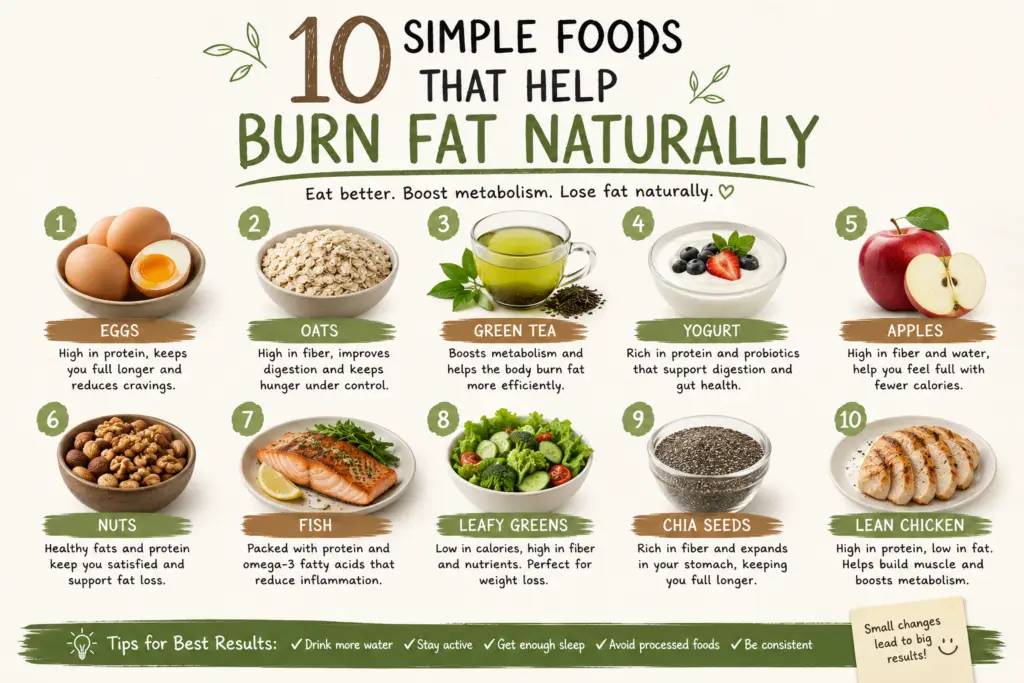
- Eggs
- Chicken
- Fish
- Lean meat
- Yogurt
- Lentils
- Beans
- Cottage cheese
- Tofu
- Protein shakes when needed
Try to include protein in every main meal.
Better Carbohydrate Choices
Carbs are not the enemy. The problem is usually poor-quality carbs and large portions.
Better options include:
- Oats
- Brown rice
- Whole wheat roti
- Lentils
- Beans
- Sweet potato
- Fruits
- Vegetables
Limit frequent intake of white bread, sweets, sugary drinks, bakery items, and fried snacks.
Healthy Fats
Healthy fats support hormones, brain health, and fullness.
Good choices include:
- Olive oil
- Nuts
- Seeds
- Avocado
- Fatty fish
- Peanut butter in small amounts
Portion control is important because fats are high in calories.
Simple Food Rule
Do not ask, “Which diet is best?”
Ask, “Can I eat this way for the next 6 months?”
If the answer is no, the plan is too extreme.
Blood Sugar and Men Over 40

Blood sugar becomes more important after 40 because many men slowly develop insulin resistance without noticing it. This means the body does not use insulin as effectively as before. Over time, this may increase the risk of prediabetes or type 2 diabetes.
Healthy living can support better blood sugar control. Physical activity, weight management, healthy food choices, and less sitting all matter. Regular physical activity is strongly recommended by major health organizations for better heart and metabolic health.
Signs You Should Not Ignore
Speak with a doctor if you often notice:
- Excessive thirst
- Frequent urination
- Unusual tiredness
- Blurry vision
- Slow wound healing
- Tingling in feet
- Unexplained weight changes
These symptoms do not always mean diabetes, but they should be checked.
Habits That Support Better Blood Sugar
Try these:
- Walk 10 to 15 minutes after meals
- Reduce sugary drinks
- Eat protein with carbs
- Choose whole grains more often
- Avoid very large late-night meals
- Sleep better
- Lose even a small amount of extra weight if needed
Small improvements can make a real difference when repeated daily.
Read our article on: Best Foods to Help Control Blood Sugar Naturally
Heart Health After 40
Men over 40 should take heart health seriously. Blood pressure, cholesterol, weight, smoking, stress, poor diet, and inactivity can all increase risk.
The American Heart Association recommends heart-healthy habits such as regular physical activity, balanced eating, weight management, not smoking, and managing blood pressure and cholesterol.
Simple Heart-Healthy Habits
You can start with:
- Walk most days
- Eat more fruits and vegetables
- Reduce fried food
- Limit salt-heavy processed foods
- Check blood pressure regularly
- Know your cholesterol numbers
- Stop smoking if you smoke
- Manage stress
- Sleep better
Heart health is built quietly. The small habits you repeat daily matter more than the big changes you do once in a while.
Sleep: The Missing Part of Men’s Health

Many men over 40 focus on food and exercise but ignore sleep. This is a mistake.
Poor sleep can increase hunger, reduce motivation, affect hormones, increase stress, and make weight loss harder. It can also make you feel older than you are.
Signs Your Sleep Needs Attention
You may need better sleep habits if you:
- Wake up tired
- Feel sleepy in the afternoon
- Crave sweets at night
- Snore heavily
- Wake up many times
- Use your phone late in bed
- Need too much caffeine to function
Simple Sleep Routine
Try this:
- Keep a fixed sleep and wake time
- Stop heavy meals close to bedtime
- Reduce tea, coffee, or caffeine after evening
- Keep the bedroom dark and cool
- Avoid scrolling in bed
- Take a short walk after dinner
- Do light stretching before sleep
If snoring is loud or you wake up choking or gasping, speak with a doctor. Sleep apnea is common and should not be ignored.
Energy and Testosterone Support After 40
Many men worry about low energy and testosterone after 40. It is true that hormones can change with age, but lifestyle has a strong effect too.
Low energy is not always testosterone. It can also come from:
- Poor sleep
- Stress
- Low activity
- Poor diet
- Weight gain
- Vitamin deficiencies
- Diabetes or thyroid issues
- Too much alcohol
- Depression or anxiety
Before blaming testosterone, fix the basics.
Natural Lifestyle Habits That Support Energy
Focus on:
- Strength training
- Daily walking
- Better sleep
- More protein
- Less sugar
- Healthy fats
- Morning sunlight
- Stress control
- Weight management
If tiredness is severe, long-lasting, or unusual, get blood tests done through your doctor.
Stress Management for Men Over 40
Stress is not only a mental issue. It affects the body. It can increase cravings, disturb sleep, raise blood pressure, reduce patience, and make you feel drained.
Many men ignore stress because they think they must stay strong. But real strength is knowing how to manage pressure before it damages your health.
Simple Stress Habits
Try these:
- Walk without your phone for 10 minutes
- Pray, meditate, or sit quietly
- Write down your top 3 tasks for the day
- Stop checking messages late at night
- Talk to someone you trust
- Spend time with family without screens
- Do breathing exercises
- Keep your room and work area organized
You do not need to remove all stress. You need better recovery from stress.
Supplements: Helpful, But Not Magic
Supplements can help when there is a real need, but they cannot replace food, sleep, walking, and strength training.
Common supplements men over 40 often ask about include:
- Vitamin D
- Omega-3
- Magnesium
- Protein powder
- Multivitamins
- B12
Before starting supplements, it is better to check your diet, health condition, medicines, and blood reports. Some supplements may not be suitable for everyone, especially if you have heart disease, diabetes, kidney issues, or take blood thinners.
Simple Supplement Rule
Use supplements to fill gaps, not to cover bad habits.
A Simple Weekly Health Plan for Men Over 40

Here is a realistic weekly plan.
Monday
- 30-minute walk
- Protein with each meal
- 10 minutes stretching before sleep
Tuesday
- Strength training
- Reduce sugary snacks
- Sleep on time
Wednesday
- 30-minute walk
- Add vegetables to lunch and dinner
- Drink more water
Thursday
- Strength training
- Walk after dinner
- No phone in bed
Friday
- 30-minute walk
- Check waist or weight
- Light stretching
Saturday
- Longer walk or outdoor activity
- Family time
- Prepare healthy meals
Sunday
- Rest or gentle walk
- Plan meals
- Review progress
This is simple, but it works when repeated.
Daily Habits That Create Long-Term Results
Healthy living for men over 40 becomes easier when you stop depending on motivation. Motivation comes and goes. Habits carry you when motivation is low.
Start with these daily habits:
- Drink water after waking up.
- Walk at least 20 minutes.
- Eat protein at breakfast.
- Add vegetables to lunch or dinner.
- Avoid sugary drinks.
- Sit less during the day.
- Stretch for 5 minutes.
- Sleep at a fixed time.
- Track waist once a week.
- Do not miss two days in a row.
The last rule is very important. Missing one day is normal. Missing many days becomes a pattern.
Common Mistakes Men Make After 40
Mistake 1: Waiting for a Health Scare
Do not wait for a medical report to start caring for your body. Prevention is easier than repair.
Mistake 2: Trying Extreme Diets
Very strict diets often fail because they do not fit real life. Choose a plan you can repeat.
Mistake 3: Ignoring Strength Training
Walking is great, but strength training protects muscle and function.
Mistake 4: Sleeping Too Late
Late nights affect hunger, mood, energy, and recovery.
Mistake 5: Focusing Only on Weight
Track waist size, energy, strength, sleep, and blood reports too.
Mistake 6: Starting Too Hard
Start easy. Build consistency first. Increase intensity later.
Health Checks Men Over 40 Should Discuss With a Doctor
Men over 40 should not depend only on how they feel. Many problems develop quietly.
Ask your doctor about:
- Blood pressure
- Fasting blood sugar
- HbA1c
- Cholesterol profile
- Liver function
- Kidney function
- Vitamin D
- B12 if needed
- Weight and waist size
- Heart risk assessment
- Prostate discussion if age and symptoms require it
This does not mean you should fear health tests. Tests help you take action early.
How to Stay Consistent
Consistency is the real secret. But consistency does not mean perfection.
Use these simple rules:
Start Small
Do not start with a 6-day workout plan. Start with 20 minutes walking.
Make It Easy
Keep walking shoes ready. Keep healthy snacks available. Keep water near you.
Track One Thing
Track steps, waist, workouts, or sleep. Do not track everything in the beginning.
Use the 80% Rule
Eat well most of the time. Move most days. Sleep better most nights. You do not need perfect days.
Build Identity
Do not say, “I am trying to be healthy.”
Say, “I am a man who takes care of his health.”
That small mindset shift matters.
Example Daily Routine for Men Over 40
Here is a practical routine for a busy man.
Morning
- Wake up at a fixed time
- Drink water
- 5 minutes light stretching
- Protein-rich breakfast
- Short walk if possible
Workday
- Stand up every hour
- Use stairs when possible
- Eat a balanced lunch
- Avoid sugary drinks
- Take a 5-minute breathing break
Evening
- Walk 20 to 30 minutes
- Eat a lighter dinner
- Spend time with family
- Reduce screen time
- Sleep on time
This routine is not fancy. That is why it is realistic.
Final Thoughts
Healthy living for men over 40 is not about chasing youth. It is about protecting your future.
You do not need to change everything in one day. Start with walking. Add strength training. Improve your food. Sleep better. Manage stress. Check your health numbers. Repeat the basics.
Small habits may look simple, but they become powerful when done consistently.
Your 40s can be the stage where you become more disciplined, more aware, and more serious about your health. You may not control your age, but you can control many of your daily choices.
Start small. Stay steady. Keep going.
FAQs:
What is the best healthy habit for men over 40?
The best starting habit is daily walking. It is simple, safe for most people, and supports weight, heart health, blood sugar, mood, and energy.
How many days a week should men over 40 exercise?
A good target is at least 5 days of walking or moderate activity and 2 days of strength training per week. Adults are generally advised to aim for 150 minutes of moderate activity weekly and muscle-strengthening activity at least 2 days per week.
Can men over 40 lose belly fat?
Yes, men over 40 can lose belly fat. The best approach is a mix of walking, strength training, better food choices, portion control, sleep, and stress management.
Is strength training safe after 40?
Strength training is helpful after 40 when done correctly. Start with light exercises, focus on good form, and increase slowly. If you have medical problems or pain, speak with a doctor or qualified trainer first.
What foods should men over 40 eat more often?
Men over 40 should eat more protein, vegetables, fruits, whole grains, lentils, beans, nuts, seeds, and healthy fats. They should reduce sugary drinks, fried foods, and highly processed snacks.
Why do men feel more tired after 40?
Tiredness after 40 can come from poor sleep, stress, low activity, weight gain, poor diet, vitamin deficiencies, blood sugar problems, thyroid issues, or other health conditions. If tiredness continues, medical testing is important.
What is a good waist size goal for men?
Waist size is an important health marker. A waist measurement above 40 inches in men may signal higher health risk, so reducing waist size through healthy habits can be beneficial.
Do men over 40 need supplements?
Not always. Supplements may help if there is a deficiency or specific need, but they should not replace healthy food, exercise, sleep, and medical care. A doctor can guide you based on blood tests and health history.
Helpful Resources:
CDC – Adult Physical Activity Guidelines
Use for walking, exercise, and weekly activity recommendations.
American Heart Association – Physical Activity Recommendations
Use for heart health, cardio, and strength training guidance.