
One thing many men notice after 40 is that the body does not respond to food, stress, sleep, and late nights the same way it used to. A heavy dinner, a few sweet teas, long sitting hours, or poor sleep may not feel serious in the moment, but the next day energy feels low, hunger becomes stronger, and the body feels heavier.
This is where understanding the normal blood sugar level after 40 becomes absolutely critical. Blood sugar is not only a concern for people already diagnosed with diabetes. It is also a vital warning signal for men who are gaining belly fat, feeling tired after meals, waking up with low energy, or noticing more cravings than before. In real life, many men do not check their sugar until symptoms become obvious. The better approach is to understand the numbers early and use them as a guide for smarter daily habits.
This comprehensive article explains what a normal blood sugar level means after 40, how fasting sugar, after-meal sugar, and A1C are different, why sugar levels may rise with age, what warning signs to watch for, and what practical steps can help support better metabolic control.
What Does Normal Blood Sugar Level After 40 Mean?
A normal blood sugar level means your body is consuming and processing glucose properly. Glucose is the sugar that comes mainly from the food you eat, especially carbohydrates such as rice, bread, roti, pasta, potatoes, sweets, fruit juice, and sugary drinks.
Your body uses glucose for energy. The problem starts when glucose stays too high in the blood for too long or drops too low. After 40, this balance can become more sensitive because of belly fat, lower muscle mass, less physical activity, poor sleep, chronic stress, and years of daily eating habits.
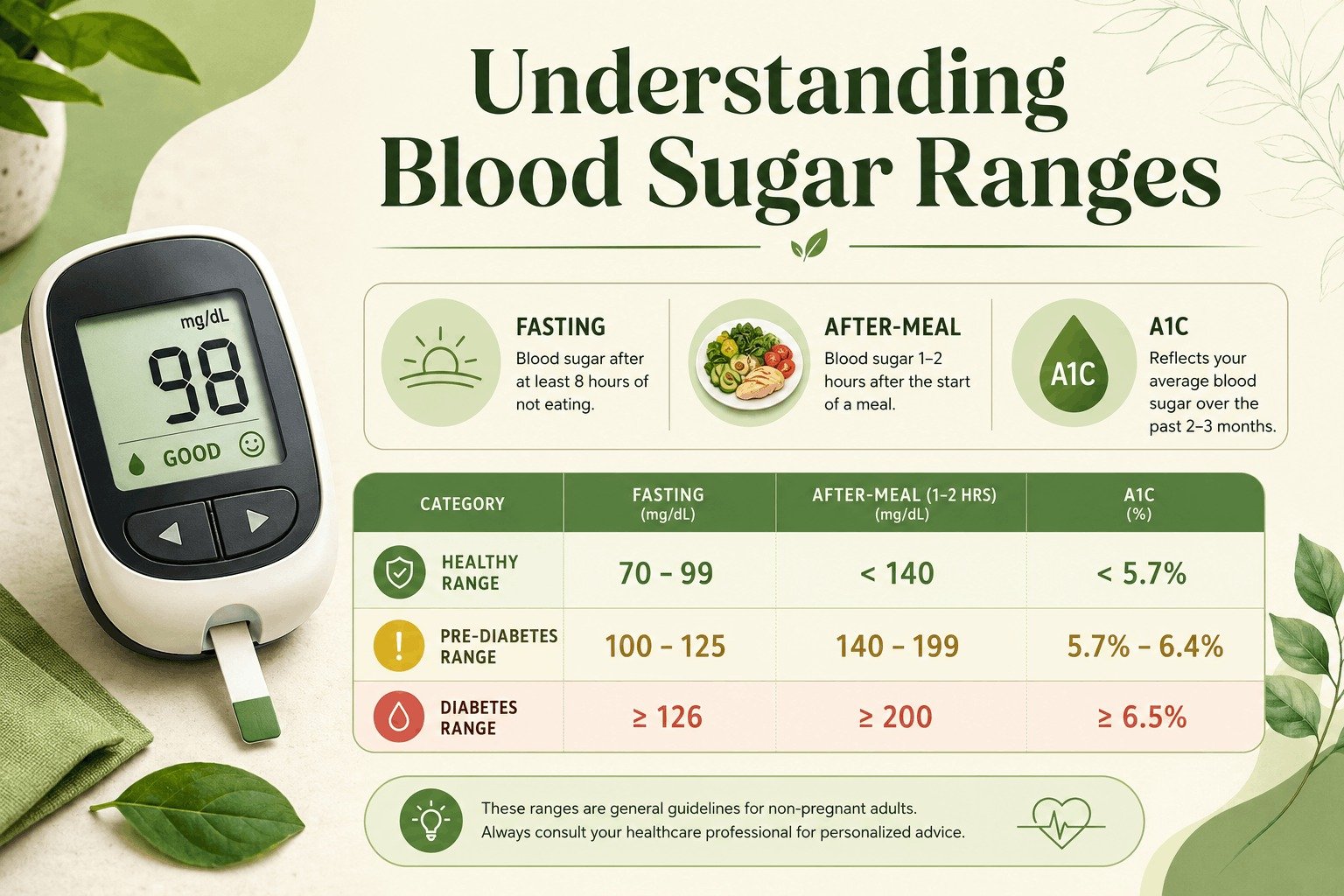
Here are the general blood sugar ranges that are commonly used for adults:
|
Test Type |
Normal Range |
Prediabetes Range |
Diabetes Range |
|
Fasting Blood Sugar |
99 mg/dL or below |
100–125 mg/dL |
126 mg/dL or above |
|
A1C Test |
Below 5.7% |
5.7%–6.4% |
6.5% or above |
|
Two-Hour Glucose Test |
139 mg/dL or below |
140–199 mg/dL |
200 mg/dL or above |
These numbers are highly useful benchmarks, but they should never be used for self-diagnosis. A single reading can be temporarily affected by acute stress, poor sleep, illness, late meals, strenuous exercise, medication, or even testing error. Proper diagnosis usually requires professional lab testing and medical review.
Why Blood Sugar Matters More After 40
In younger years, many men can eat carelessly, sleep late, skip exercise, and still feel completely normal. After 40, the body often becomes far less forgiving. This does not mean aging equals weakness; it simply means your metabolic health requires more deliberate structure. https://optifitliving.com/the-7-point-health-reset-plan-for-men-over-40/
Monitoring your blood sugar level after 40 matters because it directly affects:
- Energy Levels: Unstable blood sugar can make your daily energy feel like a roller coaster. You may feel active immediately after eating, followed by feeling tired, sleepy, or hungry again within a few hours. Many men mistake this for normal aging, but it is deeply connected to food quality, portion size, and glucose control.
- Belly Fat Accumulation: Belly fat is closely linked with poor metabolic health. When visceral fat increases, the body struggles to use insulin properly. Insulin is the essential hormone that helps move sugar from the blood into your cells. When this process weakens, sugar remains higher in the blood.
- Cravings and Hunger Spikes: When meals are high in refined carbs and low in protein or fiber, blood sugar rises quickly and then crashes. This drop triggers strong cravings for tea, biscuits, sweets, white bread, or late-night snacks.
- Heart and Long-Term Health: High sugar levels often travel alongside increased belly fat, high blood pressure, poor cholesterol profiles, low activity, and weight gain. For men over 40, it is always better to treat fluctuating blood sugar as an early biological signal rather than ignoring it.
- Confidence and Daily Performance: When sugar levels are unstable, men often feel tired at work, sleepy after lunch, less motivated to exercise, and less confident in their physical capability. Better sugar control starts with reliable daily habits.
Fasting Blood Sugar: What It Tells You
Fasting blood sugar is usually checked after abstaining from food and drink (except water) for at least 8 hours, typically in the morning before breakfast.
A normal fasting blood sugar level after 40 is generally 99 mg/dL or below. If it ranges between 100 and 125 mg/dL, it suggests prediabetes, while a value of 126 mg/dL or above indicates diabetes if confirmed by subsequent testing. Fasting sugar gives an excellent snapshot of how your body handles baseline glucose. If this reading is elevated, it indicates that your body may be struggling with insulin function, liver glucose release, or metabolic changes influenced by late-night eating, poor sleep, and stress.
Why Morning Sugar Can Be High
In clinical observation, many individuals are surprised when their morning sugar is high even if they did not eat sweets the night before. This happens because the body naturally releases stored glucose in the early morning hours to prepare you for the day (known as the dawn phenomenon). Poor sleep, stress hormones, late dinners, and abdominal belly fat can make this morning rise significantly stronger. Therefore, improving fasting sugar is not just about avoiding dessert; it requires optimized dinner timing, physical movement, improved sleep quality, and active weight management.
Blood Sugar After Eating: What Is Normal?
Blood sugar naturally rises after consuming a meal. This is a standard physiological response. The real question is how high it rises and how quickly it returns to baseline.
For adults without diabetes, a two-hour post-meal reading is generally expected to be below 140 mg/dL. If after-meal readings are consistently high, it typically means the meal contained too many fast-digesting, refined carbohydrates, lacked sufficient protein or fiber, or the body is not managing glucose efficiently.
In real life, meal composition changes everything. A plate full of white rice, refined bread, sugary drinks, and sweet desserts will spike blood sugar drastically compared to a balanced plate filled with lean protein, vegetables, lentils, salad, and controlled whole carbohydrates.
Why After-Meal Sugar Is Important
Many men focus entirely on fasting sugar, but after-meal sugar reveals the impact of daily habits much more clearly. If you regularly feel sleepy, heavy, abnormally thirsty, or sluggish after lunch or dinner, it is highly beneficial to discuss comprehensive metabolic testing with a qualified doctor. Most blood sugar imbalances are shaped during normal daily eating patterns—breakfast, lunch, dinner, tea breaks, and evening snacks all play a role.
HbA1C: The Bigger Picture of Metabolic Health
The HbA1C test is entirely different from a standard finger-prick reading. It provides a reliable estimate of your average blood sugar levels over the past two to three months.
A normal HbA1C level is generally below 5.7%. A result from 5.7% to 6.4% indicates prediabetes, while 6.5% or above points toward diabetes when confirmed by medical metrics. The beauty of the A1C test is that it does not depend on a single meal or one morning’s behavior. For men over 40, an A1C check is a highly useful tool if there is a family history of metabolic issues, low energy, frequent cravings, or hard-to-lose belly fat.
Why Blood Sugar Can Rise After 40
Blood sugar levels do not usually rise due to a single isolated factor. Instead, it is the cumulative result of small lifestyle habits repeated over years. Key contributors include:
- Loss of Muscle Mass (Sarcopenia): Muscle tissue is our primary clearance sink for glucose. After 40, men naturally lose muscle mass if they do not actively engage in strength training or regular physical activity. Less muscle directly translates to a reduced glucose storage capacity.
- Increased Visceral Belly Fat: Belly fat is far more than a cosmetic issue; it is metabolically active tissue that secretes inflammatory markers, leading to insulin resistance. A man may not appear highly overweight overall but can still carry dangerous visceral fat around the waist.
- Sedentary Lifestyle (Sitting Too Much): Long hours sitting at desks, during commutes, or in front of screens drastically reduces glucose uptake by muscles, even if you exercise briefly at the end of the day.
- Chronic Poor Sleep: Sleep deprivation disrupts hunger hormones (ghrelin and leptin), increases cortisol levels, and leaves you with next-day fatigue that fuels cravings for quick energy sources like sugary tea, biscuits, or extra carbs.
- High-Stress Environments: Elevated stress triggers the release of cortisol and adrenaline, hormones that naturally signal the liver to release more glucose into the blood while reducing insulin sensitivity.
- Overconsumption of Refined Carbohydrates: White bread, heavily sweetened tea, biscuits, fried bakery snacks, sodas, and oversized portions of rice or roti spike glucose rapidly.
- Irregular Meal Timing: Skipping breakfast and consuming massive, calorie-dense late dinners creates highly unstable blood sugar patterns.
Who Should Be More Careful About Blood Sugar After 40?
Not every man over 40 has the same risk, but some men should pay closer attention. You should be more careful if you:
- Have belly fat or increasing waist size
- Have a family history of diabetes
- Feel sleepy after meals often
- Feel thirsty or urinate more than usual
- Have high blood pressure or abnormal cholesterol
- Sit for long hours daily or have low physical activity
- Sleep poorly or eat late at night
- Have gained weight in recent years
- Feel frequent cravings for sweets or refined carbs
These signs do not automatically mean you have diabetes. But they do mean your body is asking for proper attention.
Warning Signs of High Blood Sugar
High blood sugar can be silent in its early stages. Many men feel completely “normal” until numbers become more concerning. Still, some early signs may appear.
Common Signs to Watch
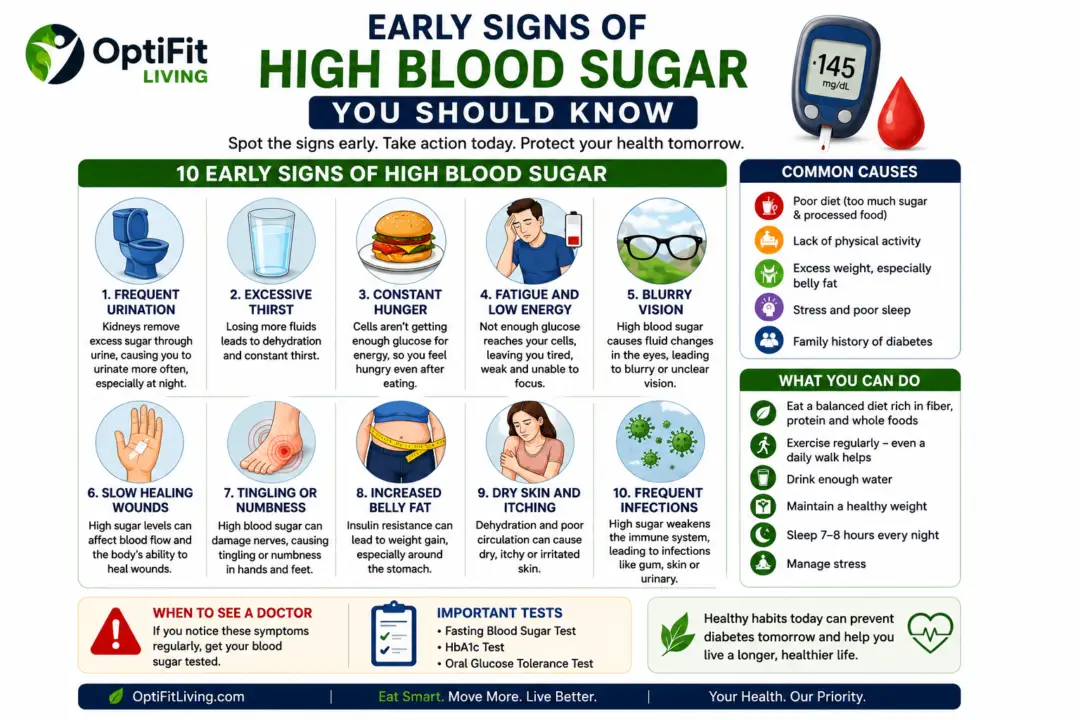
- Frequent thirst and urination
- Unusual tiredness and dry mouth
- Blurry vision
- Slow wound healing
- Increased hunger
- Tingling or burning in the feet
- Unexplained weight changes
These symptoms should not be ignored, especially if they happen repeatedly. A simple checkup can often give ultimate clarity.
When It Becomes Urgent
Speak to a qualified doctor promptly if you experience very high readings, severe weakness, confusion, vomiting, breathing difficulty, chest pain, fainting, or signs of dehydration. Do not try to manage serious medical symptoms only with home remedies.
Daily Habits That Make Blood Sugar Worse
Blood sugar problems often come from normal routines, not one big mistake. The following habits are common in men over 40:
- Starting the Day With Sugar and Refined Carbs: Tea with sugar, biscuits, white bread, paratha, or sweet cereal starts the day with an aggressive glucose spike. A better breakfast includes protein and fiber (e.g., eggs with vegetables, plain yogurt with nuts, lentils, or oats).
- Eating Large Dinners Late: Late heavy meals followed immediately by sitting or sleeping negatively affect fasting sugar, sleep quality, digestion, and next-day energy.
- Drinking Calories: Sweet tea, soft drinks, packaged juices, and energy drinks add sugar quickly without making you feel full. Water or unsweetened tea are always better choices.
- Eating Too Fast: Fast eating leads to overeating before the body has time to signal fullness.
- No Movement After Meals: Sitting immediately after a heavy meal makes glucose clearance much harder.

Practical Food Habits for Better Blood Sugar Control
Managing your nutrition does not need to be overly complicated or restrictive. A sustainable, realistic approach works far better than extreme, fear-based dieting.
1. Build a Balanced Plate
Structure your primary meals with a clear focus on macronutrient balance:
- Protein: Prioritize eggs, fish, chicken, lean meat, lentils, beans, plain Greek yogurt, or cottage cheese.
- Fiber: Fill your plate with non-starchy vegetables, fresh green salads, broccoli, cauliflower, or lentils.
- Controlled Carbs: Keep traditional staples like roti, rice, oats, or potatoes to a designated, sensible portion size.
- Healthy Fats: Incorporate small, measured amounts of nuts, seeds, or extra virgin olive oil.
2. Smart Eating Tactics
- Eat Your Protein and Fiber First: Changing the order of how you eat your food makes a measurable difference. Eating vegetables and proteins before touching carbohydrates significantly dampens the subsequent post-meal blood sugar spike.
- Avoid the “Healthy but Unlimited” Trap: Foods like honey, dates, fresh fruit juices, and brown bread are packed with nutrients, but they are still carb-dense. Consuming them in excess will still affect your glucose level.
Exercise and Movement Strategies After 40
Physical activity makes your cells highly sensitive to insulin, allowing them to pull glucose out of the bloodstream efficiently.
- The 15-Minute Post-Meal Walk: A simple 10 to 15-minute walk immediately following your largest meal (especially dinner) is an incredibly powerful habit. It clears circulating glucose via active muscle contraction, preventing a prolonged spike.
- Preserve Muscle with Strength Training: Commit to two or three short sessions per week focusing on basic resistance movements (using dumbbells, bodyweight exercises like pushups or squats, or resistance bands).
- Break Up Long Sitting Hours: Stand up, stretch, or walk for two minutes for every hour spent sitting at work.
- Do Not Overdo It Suddenly: Do not try to change everything in one week with extreme routines. A gradual and repeatable approach is always superior.
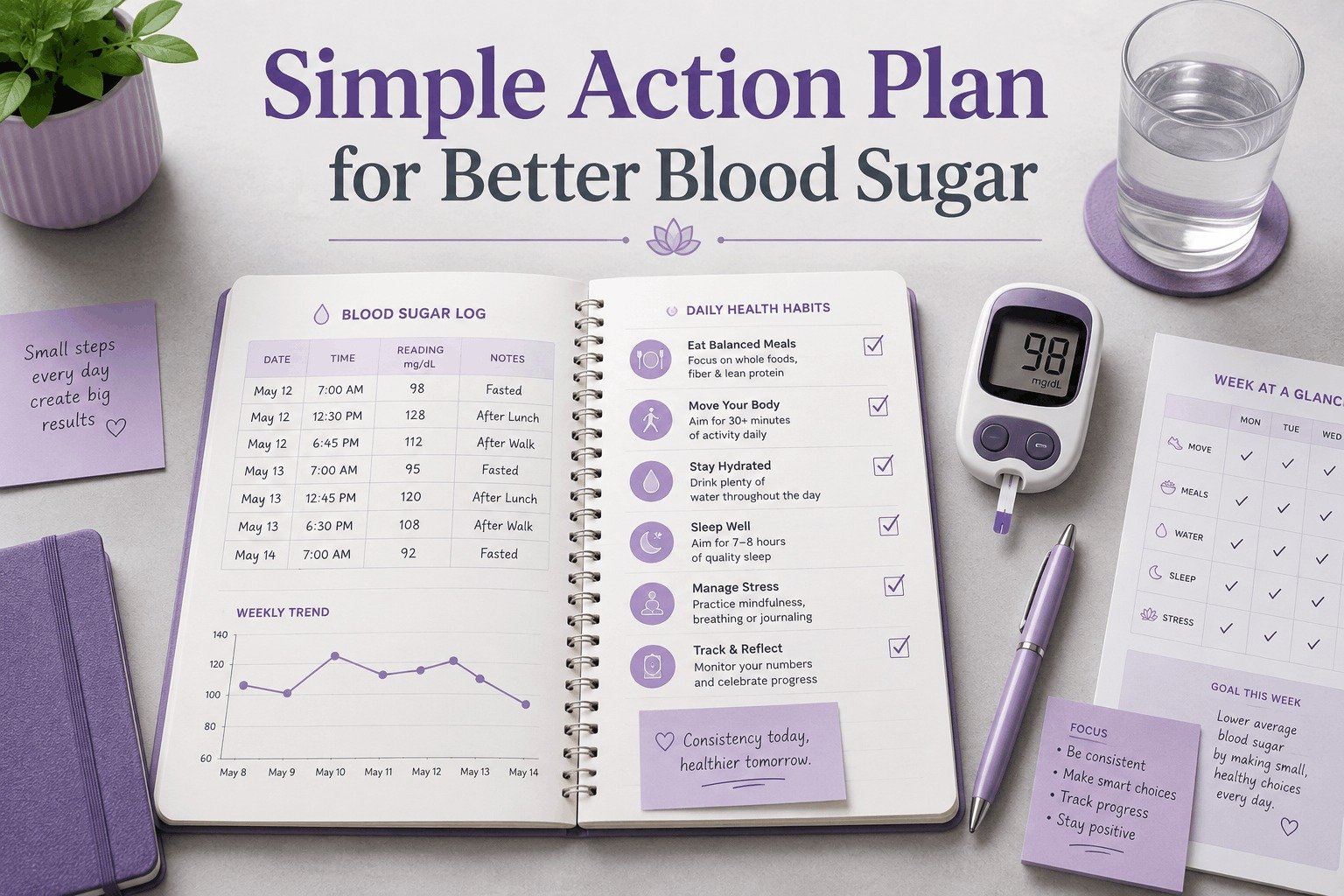
Simple Action Plan to Start
|
Phase |
Focus Areas & Key Actions |
|
Week 1: Check & Observe |
Book a baseline checkup for fasting glucose and HbA1C. Record your current waist circumference and weight. Minimize liquid sugar consumption like sweet tea and sodas. |
|
Week 2: Optimize Meals |
Ensure a quality source of protein is included in your breakfast. Reduce bakery snacks and biscuits. Keep dinners lighter and avoid eating within 3 hours of bedtime. |
|
Week 3: Add Post-Meal Walking |
Implement a non-negotiable 10 to 15-minute walk immediately after dinner. Take regular brief movement breaks during long office hours. |
|
Week 4: Sleep & Strength |
Introduce two simple home or gym resistance training sessions. Build a consistent sleep schedule and eliminate late-night kitchen browsing. |
Common Mistakes People Make
- Looking for Quick Fixes: Blood sugar improves through daily habits, not magic drinks or quick supplements.
- Doing Too Much Too Soon: Focus on mastering one or two habits first, such as walking after dinner and reducing sugary tea, before adding more goals.
- Following Social Media Trends Blindly: Trendy extreme diets or unverified supplements can confuse or harm you. Stick to simple, balanced habits.
- Ignoring Sleep and Supplements Dependency: Treating poor sleep as irrelevant or depending solely on pills while ignoring food quality are major mistakes.
- Not Tracking Progress or Giving Up Early: Guessing metrics doesn’t work. Track your patterns consistently and focus on the very next meal or walk even after a bad day.
Safety Advice and Medical Disclaimers
Blood sugar management is inherently tied to professional medical care. If you are already diagnosed with diabetes, take prescribed health medications, use insulin, or suffer from underlying cardiovascular or renal conditions, always consult your physician before making substantial modifications to your routine.
Never stop taking prescribed medication based on internet advice. Lifestyle optimization is an excellent supportive tool, but it works alongside medical care, not as a complete replacement for it.
FAQ :
What is a normal blood sugar level after 40? A standard healthy fasting blood sugar level is 99 mg/dL or lower. A two-hour post-meal level should ideally remain below 140 mg/dL, and a normal long-term HbA1C reading is strictly below 5.7%.
Is blood sugar naturally higher after 40? Blood sugar can easily creep higher after 40, but this is primarily due to lifestyle factors like increased belly fat, loss of lean muscle mass, high chronic stress, and poor sleep rather than aging alone.
Can a short walk lower blood sugar after meals? Yes, absolutely. A brief 10 to 15-minute walk after lunch or dinner causes active muscles to directly absorb glucose from the blood for fuel without relying heavily on insulin, drastically flattening post-meal spikes.
Does belly fat directly affect blood sugar? Yes, abdominal visceral fat plays a major role in metabolic resistance. It causes cells to become resistant to insulin, making it much harder for your body to maintain a normal blood sugar level after 40.
Should I check blood sugar at home? Home checking is excellent for tracking habits and seeing personal patterns, but for formal diagnosis, laboratory blood tests and professional medical reviews are required.
Conclusion
A frequent clinical observation is that men over 40 wait far too long to pay attention to their metabolic health. It is easy to blame constant fatigue on getting older, belly fat on a busy desk job, and sweet cravings on daily stress. However, your body always gives out clear, small warning signals well before serious metabolic issues develop.
Understanding the parameters of a normal blood sugar level after 40 gives you the exact blueprint you need to take control. Don’t respond with worry or extreme restrictions; respond with targeted action. Start with a clear laboratory test, optimize your plate structure, introduce brief walks after your meals, secure consistent sleep, and build physical strength. Small, highly repeatable daily habits will create a rock-solid foundation for lasting energy, health, and vital aging.
Helpful Resources
Diabetes Tests & Diagnosis – NIDDK