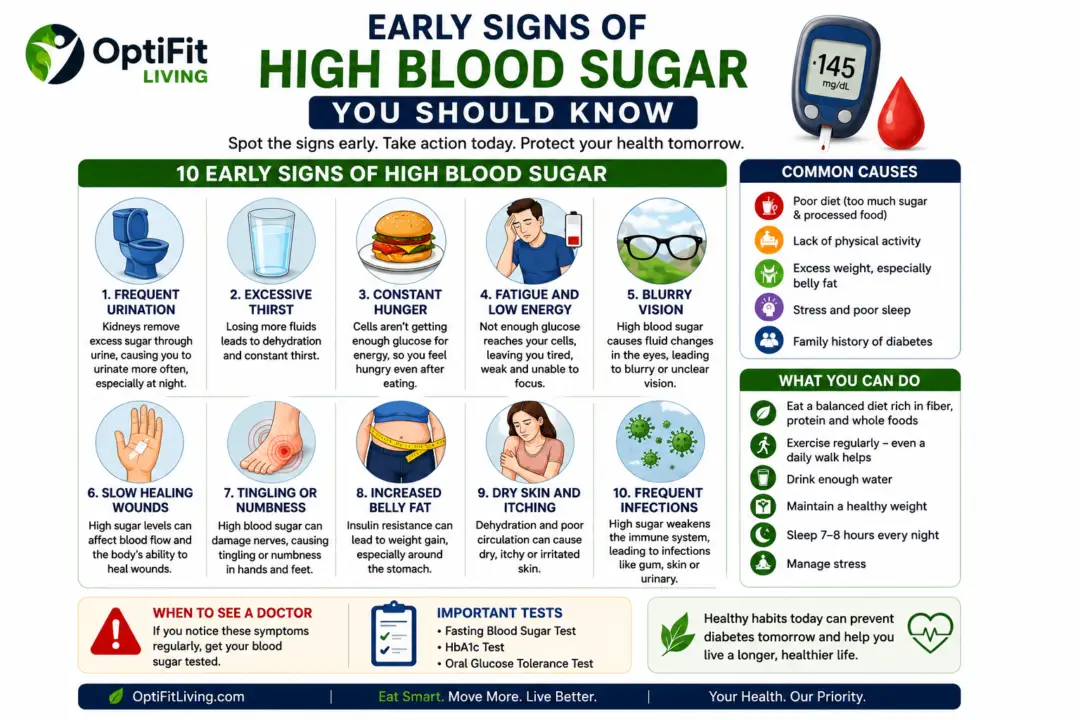
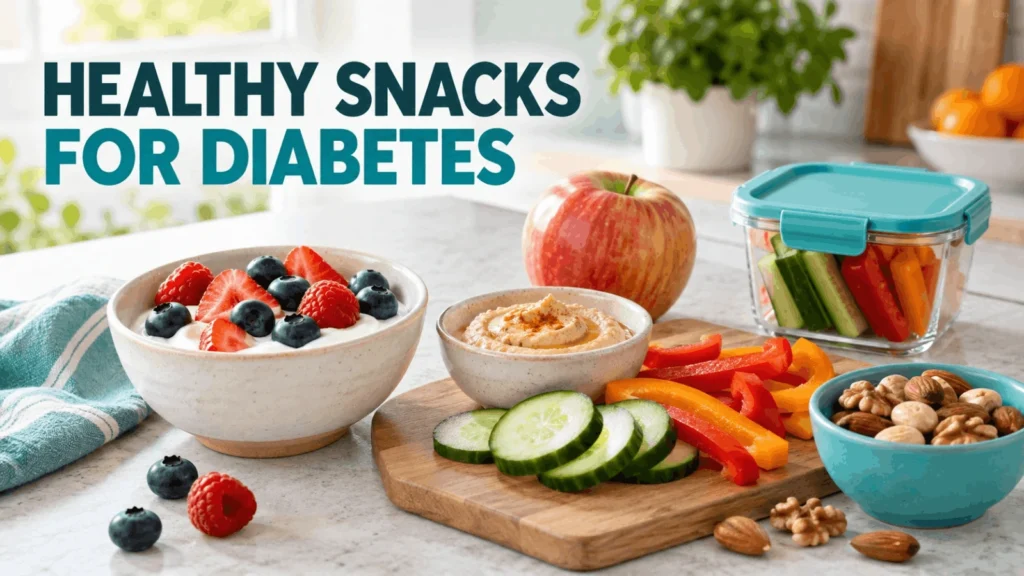
Finding the right diet routine can be challenging, but incorporating good healthy snacks for diabetics is one of the most effective ways to keep your energy steady and prevent unwanted blood sugar spikes throughout the day. For men over 40, managing metabolic health requires smart daily choices—especially during mid-day cravings or busy work hours.
When you choose good healthy snacks for diabetics, you are not just curbing hunger; you are helping maintain balanced glucose levels and promoting long-term cardiovascular wellness. Below, we explore 25 top snack ideas, portion guidance, and simple protein-carb pairings designed specifically for blood sugar safety.
In my practical observation, snack trouble rarely begins with one cookie or one sweet drink. It usually begins when a busy man goes too long without eating, arrives home exhausted, and grabs whatever is closest. For men over 40 managing diabetes or trying to keep blood sugar steadier, healthy snacks for diabetes can make that daily gap easier to handle without turning food into a second job.
The goal is not to find a magical “diabetes snack.” It is to build small, satisfying choices that fit your medication plan, workday, appetite, activity, and health goals. This guide explains what makes a snack useful, how to pair carbohydrate with protein or fiber, which options travel well, what mistakes to avoid, and when a symptom needs medical attention.
Healthy Snacks for Diabetes: What the Phrase Really Means
Healthy snacks for diabetes are foods or small combinations that help you meet your nutrition needs without relying mainly on added sugar or highly refined carbohydrates. A useful snack often contains one or more of the following:
A modest carbohydrate portion, especially from fruit, beans, whole grains, or plain dairy.
Protein from foods such as eggs, unsweetened yogurt, fish, chicken, tofu, or nuts.
Fiber from vegetables, fruit, beans, seeds, or whole grains.
Water and satisfying texture, so you do not need to keep eating to feel full.
This does not mean every snack must be low in carbohydrate. Carbohydrate is a normal source of fuel, and the right amount differs by person, medication, activity, and overall meal plan. The practical question is whether the snack supports your personal blood sugar targets and keeps you comfortable until the next meal.
Why Snack Choices Matter More After 40
After 40, many men notice that the same convenience foods affect energy, hunger, and waist measurements differently than they did in their twenties. Muscle mass may gradually decline without regular strength work, work may become more sedentary, and sleep or stress can make appetite less predictable. These changes do not mean your body is “broken.” They mean a random snack is less likely to fit your needs.
A balanced snack can help with several everyday goals at once. Protein supports muscle maintenance when combined with adequate meals and resistance exercise. Fiber can make a small portion more satisfying. A planned option may reduce the urge to buy a large pastry during a rushed commute. Keeping energy steadier can also make it easier to walk, train, concentrate, and stay patient with family after work.
For a wider look at dependable energy, recovery, and healthy aging habits, our vitality guide for men over 40 offers useful context without turning one snack into a complete health plan.
Snacks are not a treatment for diabetes, and they do not directly raise testosterone. Their value is more ordinary and more reliable: they can help you follow a consistent eating pattern, avoid very large portions later, and make food quality easier to manage.
The Simple Snack Formula: Pair, Portion, and Plan
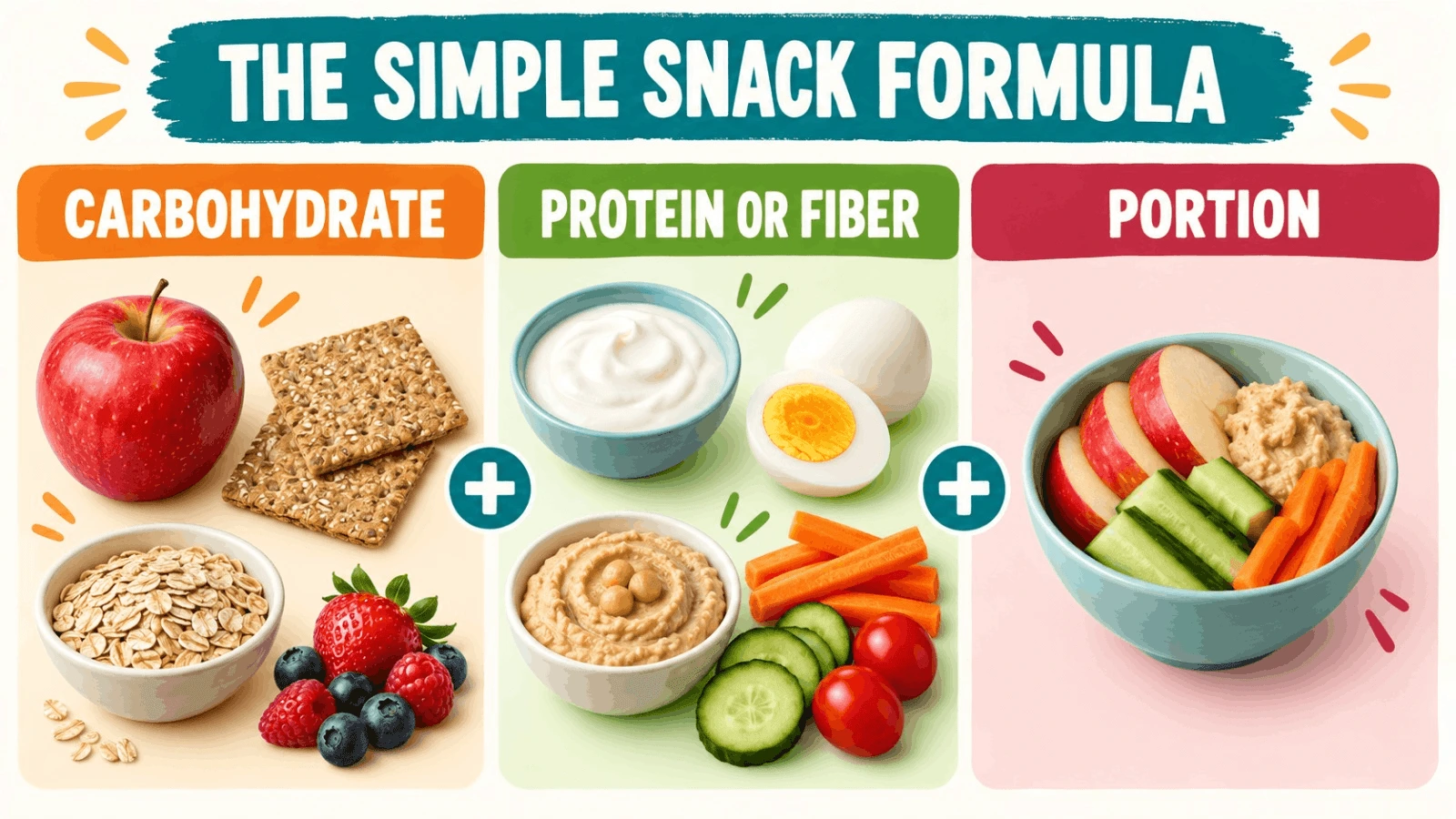
Pair carbohydrate with protein or fiber
Pairing does not make a food sugar-free. It simply creates a more substantial snack than eating a rapidly digested carbohydrate by itself. Try an apple with a small serving of peanut or almond butter, plain Greek-style yogurt with berries, or whole-grain crackers with tuna. If nuts are not suitable for you, use a different protein that fits your allergies, preferences, and medical needs.
Fiber-rich foods can also slow digestion and add fullness. A small pear, a few carrot sticks, or a portion of beans may work well when combined with a protein or healthy fat. Increase fiber gradually and drink enough fluid, especially if your usual diet has been low in it.
Use a visible portion
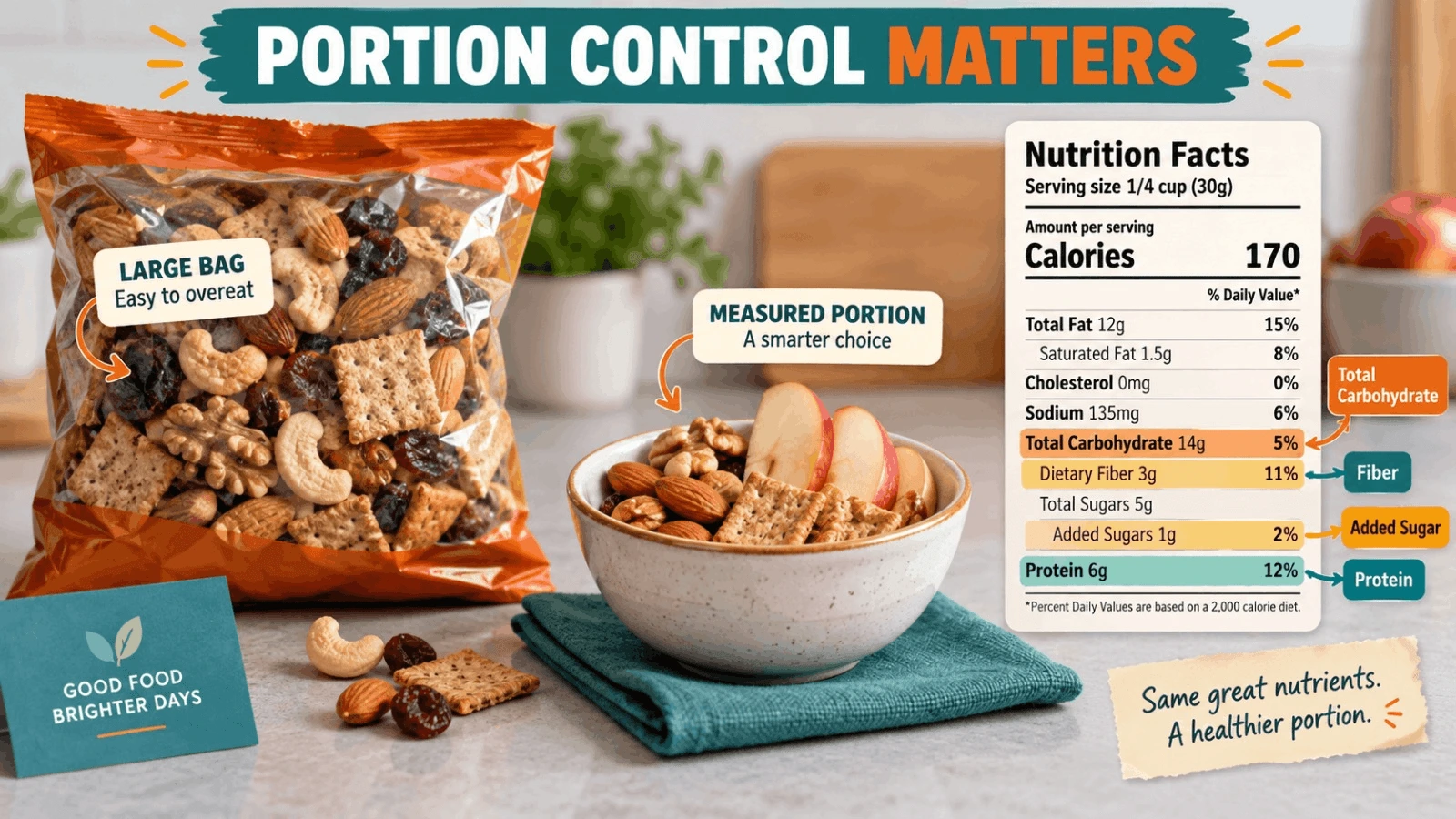
Eating from a large bag makes it hard to know how much you have had. Put a portion in a bowl, small container, or snack bag before you start. Read the Nutrition Facts panel when the food is packaged. Pay attention to serving size, total carbohydrate, added sugar, fiber, protein, and sodium rather than judging a product by words such as “natural” or “keto.”
Portion needs are individual. Someone who is active, underweight, or using a medication that can lower blood sugar may have different needs from someone trying to reduce excess calories. Your dietitian or clinician can help translate your overall plan into snack portions.
Plan for the moment you usually lose control
Most people do not need snacks because they lack discipline. They need a plan for a predictable pressure point: a 3 p.m. meeting, a long drive, a delayed dinner, or the period after evening exercise. Keep one shelf-stable option in your work bag and one fresh option in the refrigerator. Planning two choices is often enough; an overcomplicated menu will not survive a demanding week.
Healthy Snacks for Diabetes for Men Over 40: Practical Ideas
Refrigerated choices
Plain yogurt with berries and a spoonful of chopped nuts.
A hard-boiled egg with sliced tomatoes or cucumber.
Cottage cheese with a few berries or sliced peaches.
Hummus with bell-pepper strips, celery, or carrots.
A small portion of leftover chicken with salad vegetables.
Unsweetened milk or a fortified dairy alternative paired with a small piece of fruit.
Check labels on flavored yogurts and drinks because added sugar can vary widely. If you have kidney disease, a dairy or high-protein snack may need adjustment; ask your clinician rather than copying someone else’s plan.
Shelf-stable work and travel choices
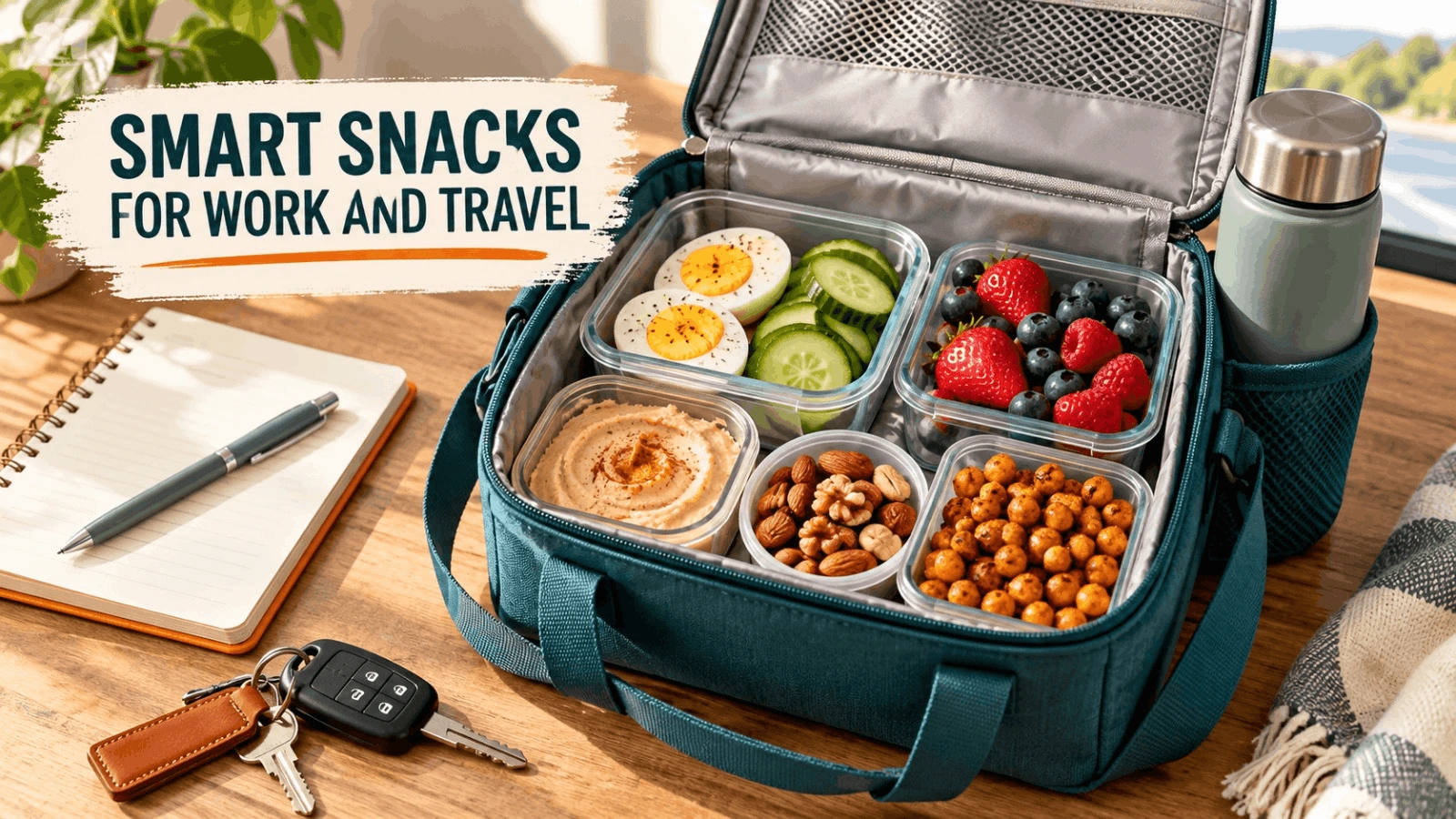
A small handful of unsalted nuts with a piece of fruit.
Roasted chickpeas with water.
Tuna or salmon in a single-serve pouch with whole-grain crackers.
A no-added-sugar nut or seed bar with a short ingredient list.
Pumpkin seeds with a small orange or apple.
Whole-grain crispbread with a single-serve nut butter packet.
“No added sugar” does not automatically mean low carbohydrate or low calorie. Compare the full label, and remember that portion size still matters. Keep nuts and seeds in measured containers; they are nutritious but easy to eat quickly because they are compact.
Simple options when you want something sweet

Fruit can fit a diabetes-friendly pattern. A whole apple, pear, orange, or a small serving of berries brings fiber and water that juice does not provide. Pair fruit with plain yogurt, nuts, or cheese if that helps you stay satisfied. If you choose dried fruit, use a small measured amount because removing water concentrates the carbohydrate.
Dark chocolate, sweetened protein products, and “healthy” baked snacks can still contain enough sugar or starch to affect your glucose. Enjoying a treat occasionally is different from using it as your default afternoon fuel. Look at the whole pattern over a week rather than labeling one food as forbidden.
Matching Snacks to Real Life
Before or after exercise
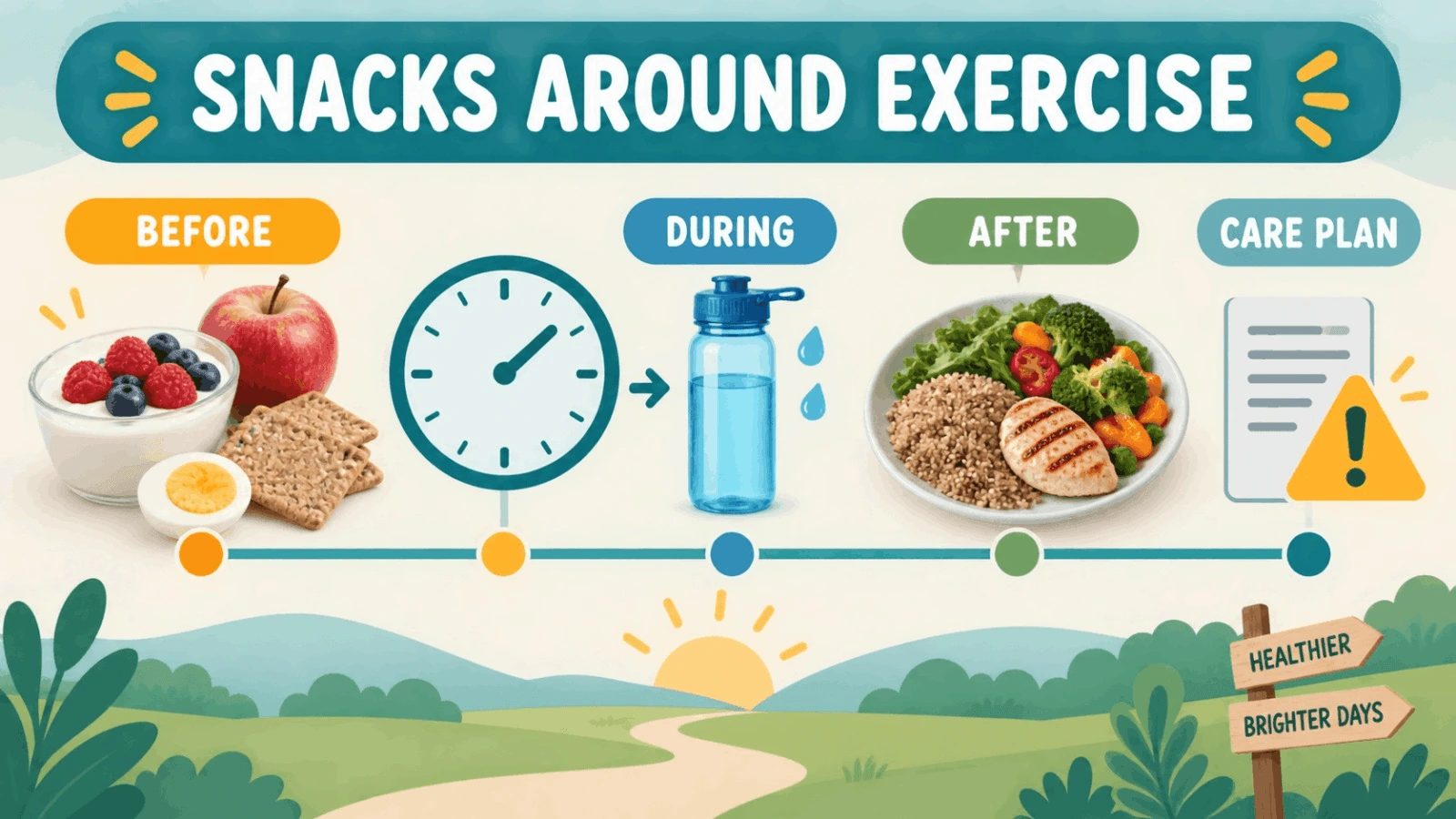
Exercise changes fuel needs, but there is no universal pre-workout snack. A man taking glucose-lowering medication may need a different plan from a man managing diabetes with food alone. Ask your clinician what to do around training, especially if you have had low readings, dizziness, or confusion during activity.
For ordinary moderate activity, a small snack may be useful when a meal is several hours away. After strength training, a normal meal containing protein and carbohydrate may be enough. You do not need an expensive powder simply because a label says “recovery.”
During a demanding workday
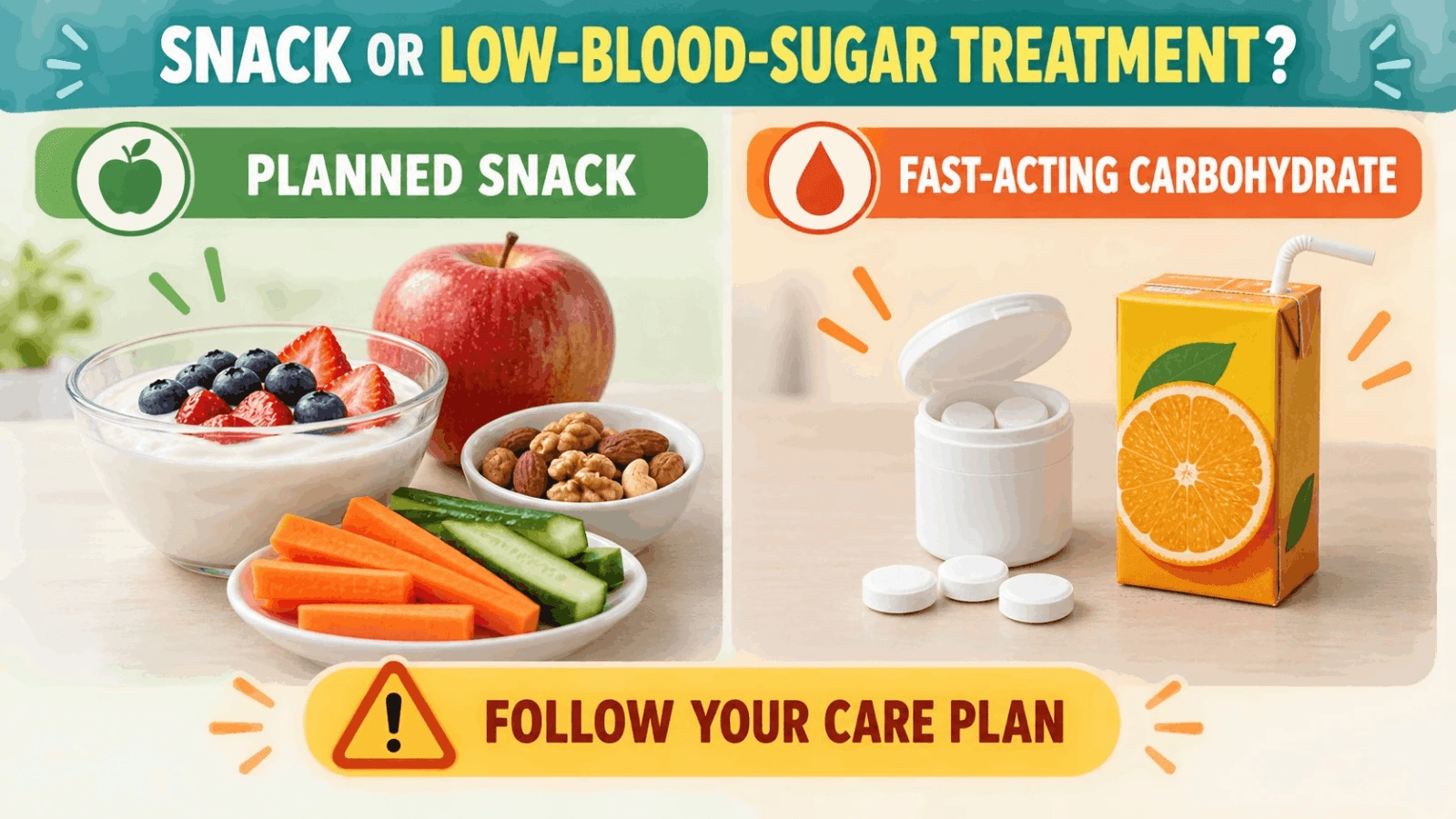
Build a two-step backup: a planned snack for hunger and a fast-acting carbohydrate source if your clinician has told you that you are at risk for low blood sugar. These are not the same thing. Nuts and yogurt are reasonable snacks, but they are not the right emergency treatment for a serious low. Follow your personal low-blood-sugar instructions.
If your work schedule regularly forces missed meals, the answer may be a calendar change, a cooler, or a conversation with your workplace—not simply more willpower. For a broader schedule that connects meals, movement, and recovery, see our best daily routine for men over 40
At home in the evening
Evening snacking often reflects fatigue, habit, or an unfinished dinner rather than true hunger. Pause for a glass of water and ask what you need: food, rest, or a break from screens. If you are hungry, choose a portioned option at a table instead of eating from a package in front of the television. A planned evening snack may be reasonable for some medication schedules; for others, it may add unnecessary calories. Your pattern matters more than a blanket rule.
Common Mistakes People Make
Treating “diabetes-friendly” as a free pass
Many products use health language while still being high in calories, starch, or sodium. Correction: read the full label and compare the food with a simple whole-food option.
Eating carbohydrates alone every time
Crackers, pretzels, or fruit may leave you hungry soon afterward. Correction: add a suitable protein, fiber, or healthy fat when your plan allows it.
Skipping meals and rescuing the day with snacks
Small snacks cannot always compensate for a chaotic meal pattern. Correction: improve the next main meal and use snacks to bridge a gap, not to live on.
Copying another man’s portions
Medication, kidney function, activity, and body size change what is appropriate. Correction: use general ideas here, then personalize amounts with a qualified professional.
Ignoring liquid calories
Sweet coffee drinks, juice, and regular soda can add carbohydrate without much fullness. Correction: make water or an unsweetened drink your normal choice and plan a whole-food snack when hungry.
Using a snack to self-adjust medicine
Adding food or changing a dose without guidance can create unsafe highs or lows. Correction: keep medication decisions with your prescribing team.
Expecting a snack to fix poor sleep and stress
Fatigue can feel like hunger, and stress can make quick sugar more appealing. Correction: protect a regular bedtime, take short movement breaks, and treat persistent fatigue as a reason to seek advice.
Simple Action Plan to Start
Today: Write down the two times you are most likely to make an unplanned snack choice. Do not judge yourself; identify the trigger.
Tomorrow: Prepare one fresh option and one shelf-stable option. Portion them before the busy period begins.
This week: Pair a carbohydrate food with protein or fiber at one snack each day. Notice hunger, energy, and any glucose information you already collect as part of your care plan.
Next week: Replace the option that repeatedly leaves you hungry with a more satisfying combination. Keep one emergency carbohydrate source available if your clinician has told you to do so.
After two weeks: Review what was easy, what spoiled, what cost too much, and what fit your work and family routine. Keep the two or three choices you can repeat. If symptoms or readings remain concerning, bring your notes and medication list to a clinician rather than experimenting alone.
Safety Before Changing Your Snack Routine
This article is general education, not a diagnosis or treatment plan. Speak with a qualified doctor, diabetes educator, or registered dietitian before making major changes if you have diabetes, kidney disease, heart disease, digestive problems, food allergies, or a history of low blood sugar. Ask for individual guidance if you take insulin or another medicine that can lower glucose, are pregnant, are losing weight without trying, or are unsure how to eat around exercise.
Seek urgent help for severe confusion, fainting, trouble breathing, chest pain, or a low blood sugar episode that does not improve according to your prescribed plan. Do not drive when you are confused or severely unwell.
What Makes Good Healthy Snacks for Diabetics?
To build an ideal snack, always pair a complex carbohydrate with a high-quality protein or healthy fat. Here are quick rules for choosing good healthy snacks for diabetics:
Fiber-Rich Options: Fiber slows down carbohydrate absorption, preventing drastic glucose spikes.
Lean Protein: Adding nuts, Greek yogurt, or boiled eggs helps keep you full for longer.
Portion Control: Keep your portions measured to keep total carbohydrates within your target daily range.
Frequently Asked Questions
What are the best healthy snacks for diabetes?
There is no single best snack for everyone. Good starting combinations include plain yogurt with berries, an apple with nut butter, vegetables with hummus, an egg with tomatoes, or measured nuts with fruit. Choose the portion and carbohydrate amount that fit your plan.
Can men with diabetes eat fruit as a snack?
Often, yes. Whole fruit contains carbohydrate, but it also provides water and fiber. A whole apple, pear, orange, or small serving of berries is usually more filling than juice. Your glucose response and meal plan still matter.
Are protein bars good for blood sugar?
Some are convenient, but the label deserves a close look. Check total carbohydrate, added sugar, fiber, protein, calories, and serving size. A bar is a backup food, not automatically better than yogurt, nuts, eggs, or fruit.
Should I eat a snack before bed?
Not automatically. Bedtime snacks may be appropriate for some medication or glucose patterns and unnecessary for others. Ask your clinician if you have overnight lows, and do not add a routine snack simply because it is promoted online.
What should I keep in my car or work bag?
Choose a shelf-stable option such as measured nuts, roasted chickpeas, whole-grain crackers with a nut-butter packet, or a suitable bar. If you are at risk for low blood sugar, carry the fast-acting carbohydrate your care plan recommends as well.
Are low-carb snacks always healthier?
No. A low-carb label can still describe a highly processed food with little fiber and a large amount of saturated fat or sodium. Judge the whole food, the portion, and how well it fits your needs.
Can healthy snacks help with belly fat?
They can support a balanced calorie pattern when they replace oversized, highly processed choices, but no snack targets belly fat by itself. Waist change depends on the wider pattern of food, activity, sleep, stress, and health conditions.
When should I ask for professional nutrition advice?
Ask when you have frequent highs or lows, unexplained weight change, kidney or digestive disease, food insecurity, complicated medication timing, or uncertainty about portions. Individual guidance can be safer and simpler than repeated trial and error.
Final Thoughts: Make the Easy Choice Ready
One lesson I see repeatedly in men over 40 is that consistency improves when the right choice is prepared before hunger becomes urgent. Healthy snacks for diabetes do not need to be expensive, exotic, or perfectly measured. They need to fit your medication plan, include enough satisfaction to carry you to the next meal, and be realistic on the busiest day of the week.
Start with two combinations, portion them in advance, and observe how they fit your energy and glucose plan. Make one small correction at a time, ask for professional help when symptoms or medication make the decision complicated, and give yourself room to learn. A steady snack routine is not about guilt; it is a practical tool for protecting energy, strength, confidence, and healthy aging.