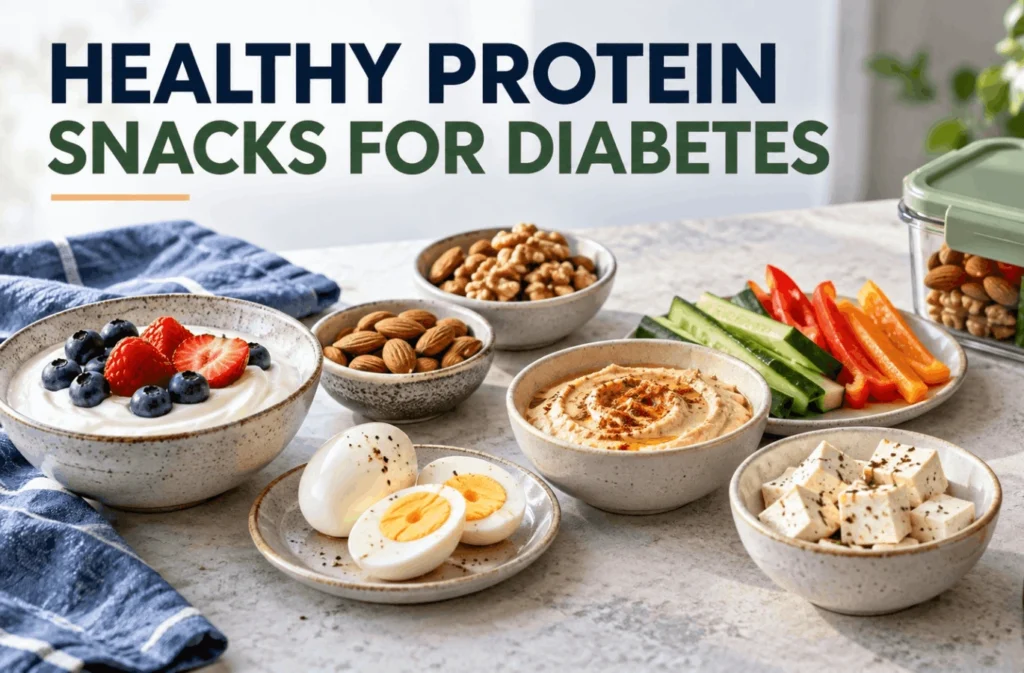
One pattern I have noticed in men over 40 is that finding healthy protein snacks for diabetics is often less about hunger than preparation.
When breakfast was small, lunch was rushed, and work has been stressful, a man may reach for a sweet drink or a large packet of biscuits simply because it is available. Choosing healthy protein snacks for diabetes can make that moment easier, but the best option is not always the product with the biggest number on its label.
Protein matters because it can make a small snack more satisfying and help support muscle when it is part of an overall eating and strength-training plan. It does not cancel the carbohydrate in a food, cure diabetes, or guarantee a lower glucose reading. The realistic goal is to choose a protein source, match it with a sensible portion of carbohydrate or vegetables, and fit it into your personal care plan.
This guide explains what to look for, which foods work in different situations, how to read labels, why kidney and medication considerations matter, and how to build a snack routine that a busy man over 40 can actually repeat.
What Healthy Protein Snacks for Diabetes Really Mean
A healthy protein snack for diabetes is a small food or combination that provides protein without relying heavily on added sugar or highly refined ingredients. It may also include fiber, water, healthy fat, or a modest carbohydrate portion. The snack should help you reach the next meal without leaving you overly hungry, uncomfortable, or uncertain about how it fits your plan.
There is no official food called a “diabetes protein snack.” Choosing healthy protein snacks for diabetics describes a practical choice, not a medical treatment. A boiled egg, plain yogurt, tofu cubes, unsalted nuts, or a small tuna pouch can all be useful. A packaged protein cookie can also contain protein, but it may bring a large amount of sugar, starch, saturated fat, or sodium with it.
The question is not simply, “How much protein does this have?” Ask four better questions:
-
What is the full carbohydrate and added-sugar content?
-
Does the portion suit my meal plan and appetite?
-
Will the food be easy to store and eat safely?
-
Does it fit my medication, kidney health, allergies, and personal preferences?
Why Protein Becomes More Important After 40
Men tend to lose muscle more easily when daily movement falls, meals become irregular, or strength training disappears. That does not mean every man needs a high-protein diet or a supplement. It does mean each meal and snack is an opportunity to protect food quality rather than filling the gap with sugar alone.
Protein provides amino acids, the building blocks used to maintain and repair body tissues. Muscle also supports strength, balance, mobility, and confidence in ordinary tasks. A protein-containing snack may be useful after a long gap between meals, after activity, or when a very light lunch leaves you hungry. The benefit comes from the whole pattern: adequate food, gradual resistance exercise, sleep, and recovery.
Protein can also slow the speed at which a carbohydrate-containing snack is digested when the foods are eaten together. That may reduce a sharp rise for some people, but individual glucose responses vary. Protein is not a license to eat unlimited crackers, fruit, or sweets. It is one part of a balanced choice.
For broader context on how energy, recovery, and healthy aging fit together, our guide to male vitality benefits for men over 40 looks at the wider lifestyle picture rather than promising that one food can change everything.
Best Healthy Protein Snacks for Diabetics: Choices That Work
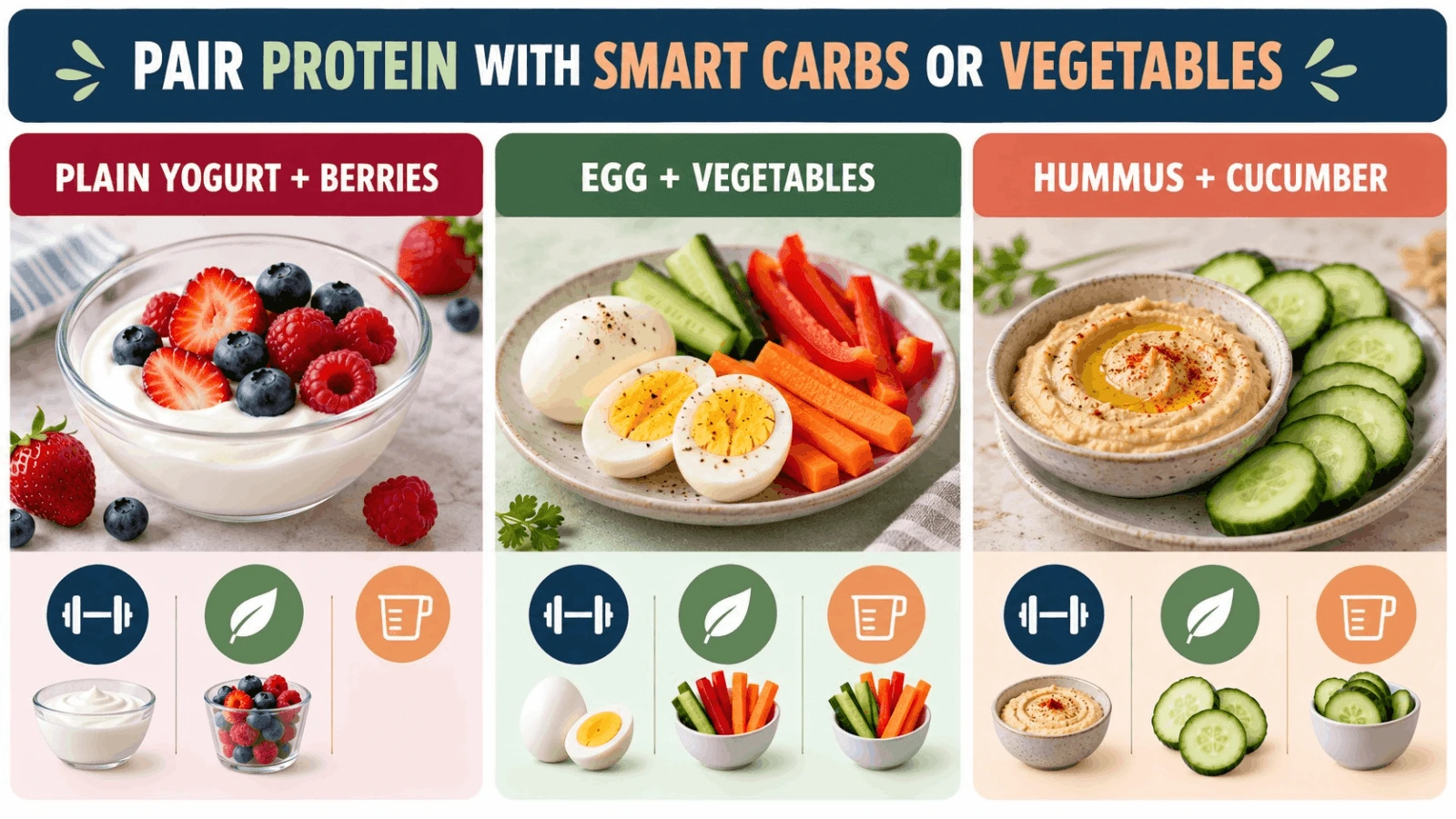
Eggs with vegetables
Boiled eggs are portable, inexpensive, and naturally low in carbohydrate. Add cucumber, tomatoes, or bell-pepper strips for volume and crunch. If you need to limit sodium, avoid turning the snack into a heavily salted egg salad. Eggs can be prepared in advance and kept chilled, which makes them useful for office days.
Plain yogurt with berries
Plain Greek-style yogurt is a convenient protein source. Choose an unsweetened version and add a small portion of berries if your meal plan includes fruit. Check the label because protein and carbohydrate amounts differ between brands. Flavored yogurt may contain much more added sugar than the package design suggests.
Cottage cheese with fresh produce
Cottage cheese can work with sliced peach, berries, cucumber, or tomatoes. It is filling, but some varieties contain considerable sodium. If you have been advised to limit sodium, compare labels and keep the portion appropriate. This option suits a refrigerator at home or work better than a hot car.
Unsalted nuts and seeds
Almonds, walnuts, pistachios, pumpkin seeds, and sunflower seeds provide protein, fat, and texture. They are easy to carry, but their small size makes overeating easy. Measure a portion into a container instead of eating from a large bag. Choose unsalted or lightly salted versions when possible, and check for coatings made with sugar or honey.
Hummus with vegetables
Hummus made from chickpeas offers plant protein and fiber. Pair it with carrots, celery, cucumber, cauliflower, or peppers. Remember that hummus still contains carbohydrate and calories, so a small bowl is different from eating directly from the tub. Look for a product with a short ingredient list and a sodium level that fits your needs.
Tuna, salmon, or chicken portions
A small pouch of tuna or salmon, leftover grilled chicken, or slices of roasted turkey can provide substantial protein. Pair the portion with salad vegetables or a measured whole-grain cracker serving. Avoid making processed deli meat the daily default; it can be high in sodium and may contain additives that do not improve the snack.
Edamame and roasted chickpeas
Edamame and roasted chickpeas are plant-based options that provide protein and fiber. Because they also contain carbohydrate, portion awareness still matters. They can be useful for men who want variety beyond meat and dairy. Choose plain or lightly seasoned versions instead of heavily sweetened or fried snacks.
Tofu or tempeh bites
Baked tofu cubes or a small serving of tempeh can work in a lunch box with vegetables. Check sauces carefully because teriyaki, barbecue, and sweet chili coatings may add sugar. These foods are especially useful when a family meal includes meat but you want a different protein source.
Milk or an unsweetened fortified alternative
An unsweetened glass of milk or a suitable fortified alternative can be useful when you need something quick. It contains carbohydrate as well as protein, so count it according to your plan. Avoid assuming that every plant-based drink has the same protein; some are mainly flavored water with very little nutrition.
Protein bars and shakes as backup foods
Bars and ready-to-drink shakes may help during travel or a delayed meeting, but they deserve label scrutiny. Look for a reasonable protein amount, limited added sugar, useful fiber, and a serving size that matches your plan. A supplement-style product is not automatically better than eggs, yogurt, nuts, fish, beans, or tofu. If you use a powder, discuss ingredients and medication concerns with a qualified professional.
Match the Snack to the Situation
For a desk-bound workday
Keep one chilled choice and one shelf-stable choice available. Yogurt or eggs can stay in a refrigerator, while measured nuts, roasted chickpeas, or a suitable bar can wait in a drawer. Make the snack visible before the busy period begins. This is less about strict discipline and more about removing the need to negotiate with hunger at 4 p.m.
Before or after exercise
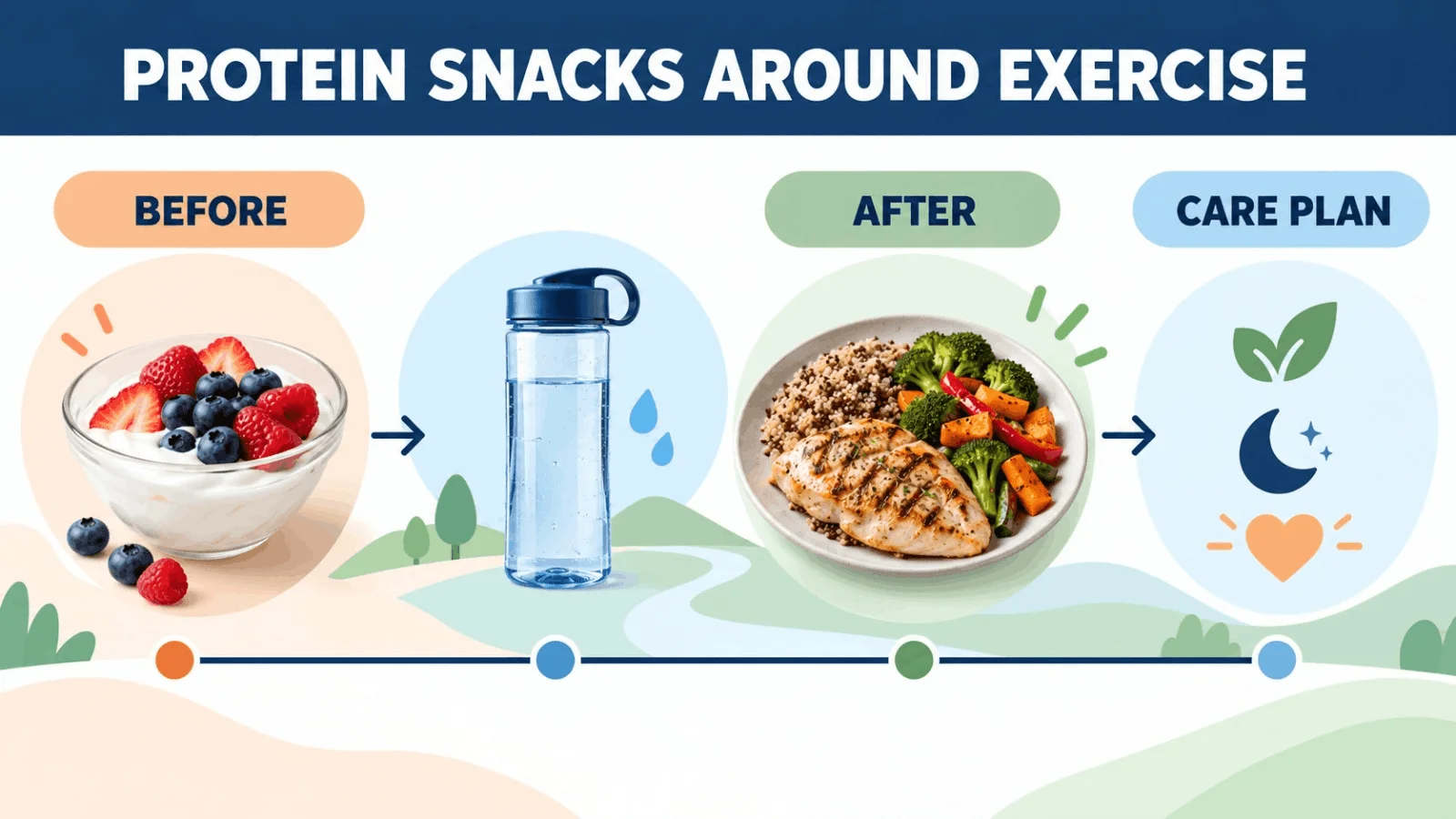
There is no universal pre-workout snack. Some men need food before training, while others are comfortable after a normal meal. A small protein-containing choice may help when your last meal was several hours earlier, but the carbohydrate amount and timing should match your activity and medication plan.
After strength work, a normal meal containing protein and a suitable carbohydrate source may be enough. You do not need a large shake simply because a fitness advertisement suggests that recovery stops immediately. If exercise has caused shaking, confusion, dizziness, or repeated low readings, seek individualized guidance before changing your routine.
For evening hunger
Evening appetite may be caused by an under-sized dinner, stress, tiredness, or a habit linked to television. Try a planned protein option at a table rather than eating from a packet. Plain yogurt, cottage cheese, an egg, or vegetables with hummus can be more deliberate than sweets. A bedtime snack may be appropriate for some medication patterns and unnecessary for others, so do not make it automatic.
For travel and family commitments
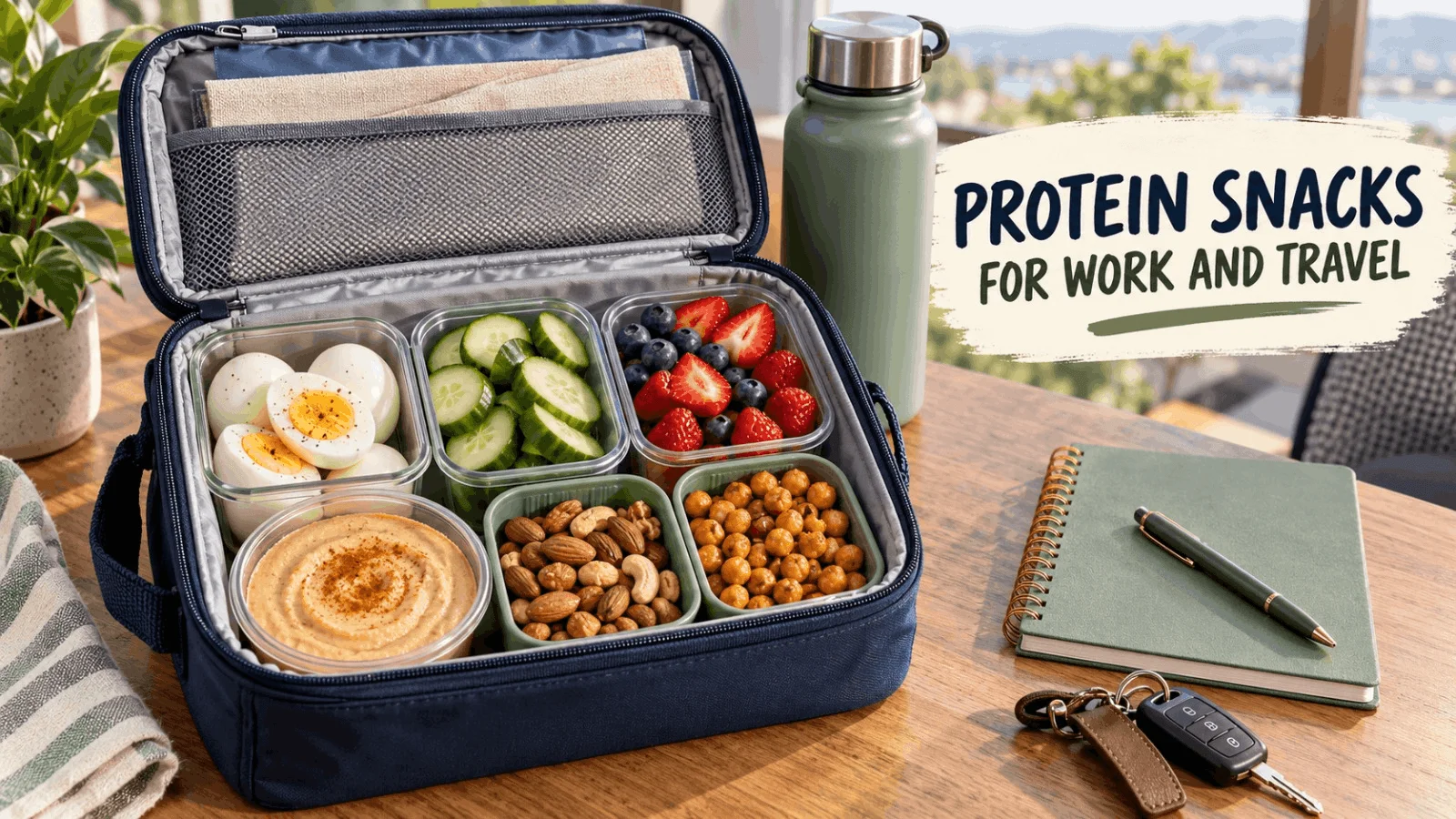
Pack foods that tolerate the journey: measured nuts, seed packets, tuna pouches, roasted chickpeas, or a suitable bar. If you take medicine that can cause low blood sugar, carry the fast-acting carbohydrate recommended in your care plan. A protein snack is for planned hunger; it is not the emergency treatment for a serious low.
How to Read a Protein Snack Label
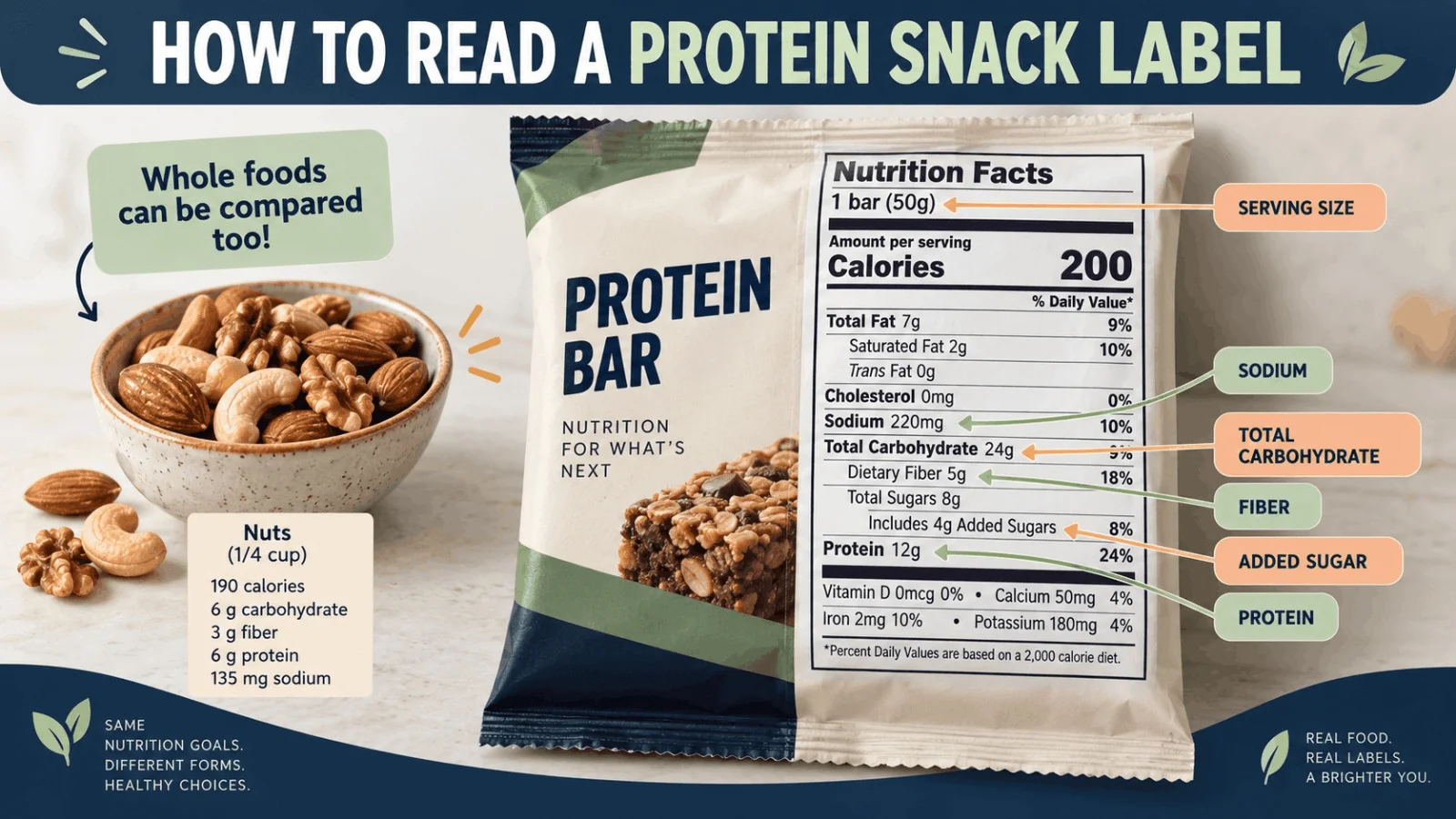
Start with the serving size. A bag may show an attractive protein number for half the packet while most people eat the full packet. Then look at total carbohydrate, added sugar, fiber, saturated fat, and sodium. The ingredient list can reveal whether the food is mostly nuts, beans, dairy, eggs, or fish—or mainly syrup, flour, and flavoring.
Do not use “keto,” “natural,” “no added sugar,” or “high protein” as a shortcut for quality. A product may have no added sugar but still be high in starch or calories. Another may be high in protein but too salty for your needs. Compare products using the same serving size and choose the one you can eat consistently.
Protein grams should not become an obsession when choosing healthy protein snacks for diabetics. A snack is only one part of the day, and the right amount depends on your body, activity, age, kidney health, and wider diet. A registered dietitian or doctor can help if you need a specific target.
When Higher Protein Needs Extra Care
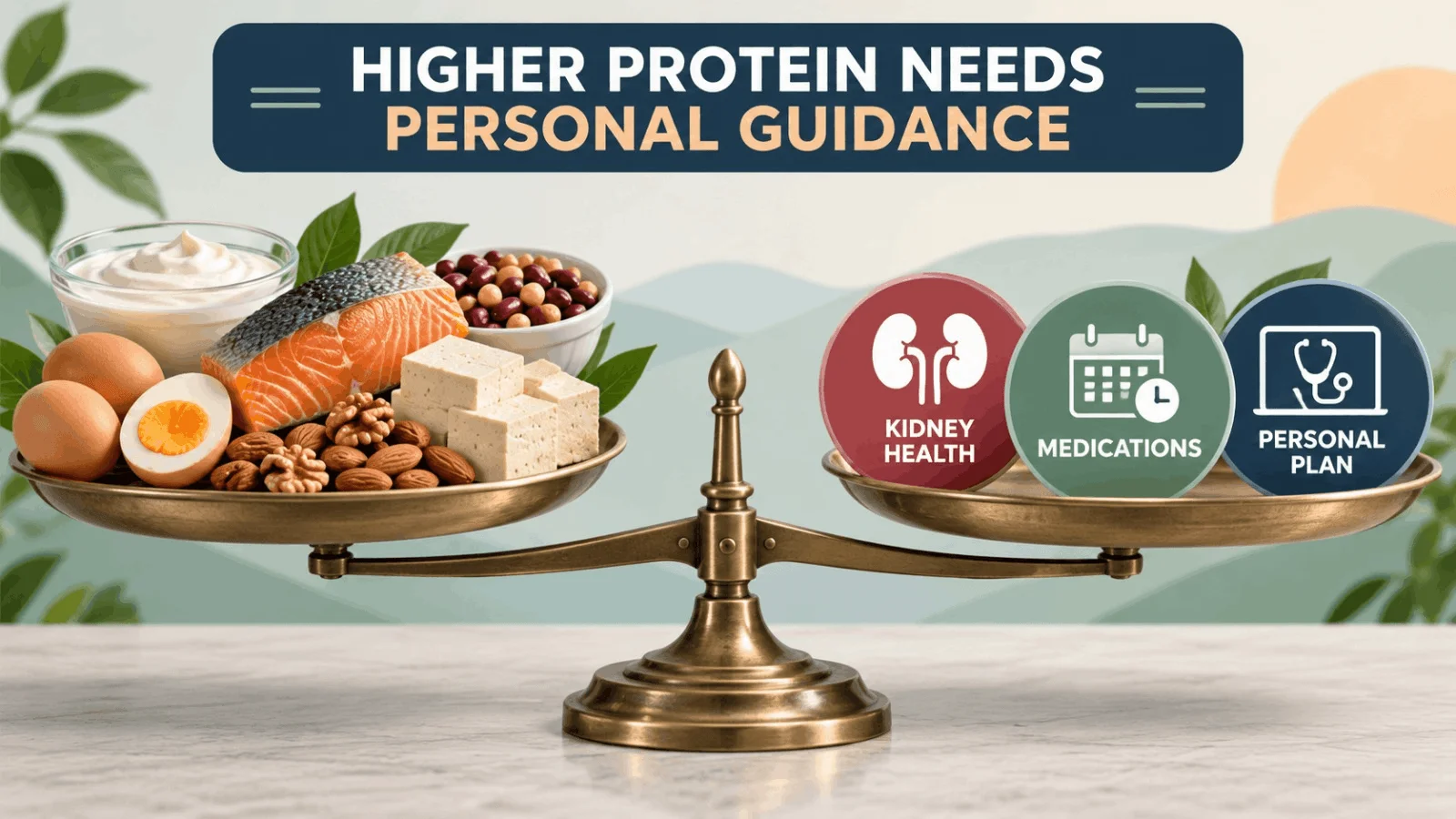
More protein is not automatically safer or better. Men with chronic kidney disease may need a personalized protein amount rather than a high-protein plan. Heart disease, high blood pressure, digestive conditions, food allergies, and swallowing problems can also affect which snack is appropriate.
Medication deserves attention too. Insulin and some other diabetes medicines can cause low blood sugar if meals, exercise, or medication timing change. Do not add a protein snack to correct a dose or make medication changes without guidance. Protein can be part of a routine, but it cannot replace glucose monitoring or a clinician’s plan.
Common Mistakes People Make
Choosing the largest protein number
A bigger number does not guarantee a better snack. Correction: check sugar, carbohydrate, sodium, ingredients, and portion size together.
Treating protein as permission to ignore calories
Nuts, cheese, bars, and shakes can be energy-dense. Correction: portion them before eating and decide whether the snack is replacing a food or simply being added.
Relying on processed meat every day
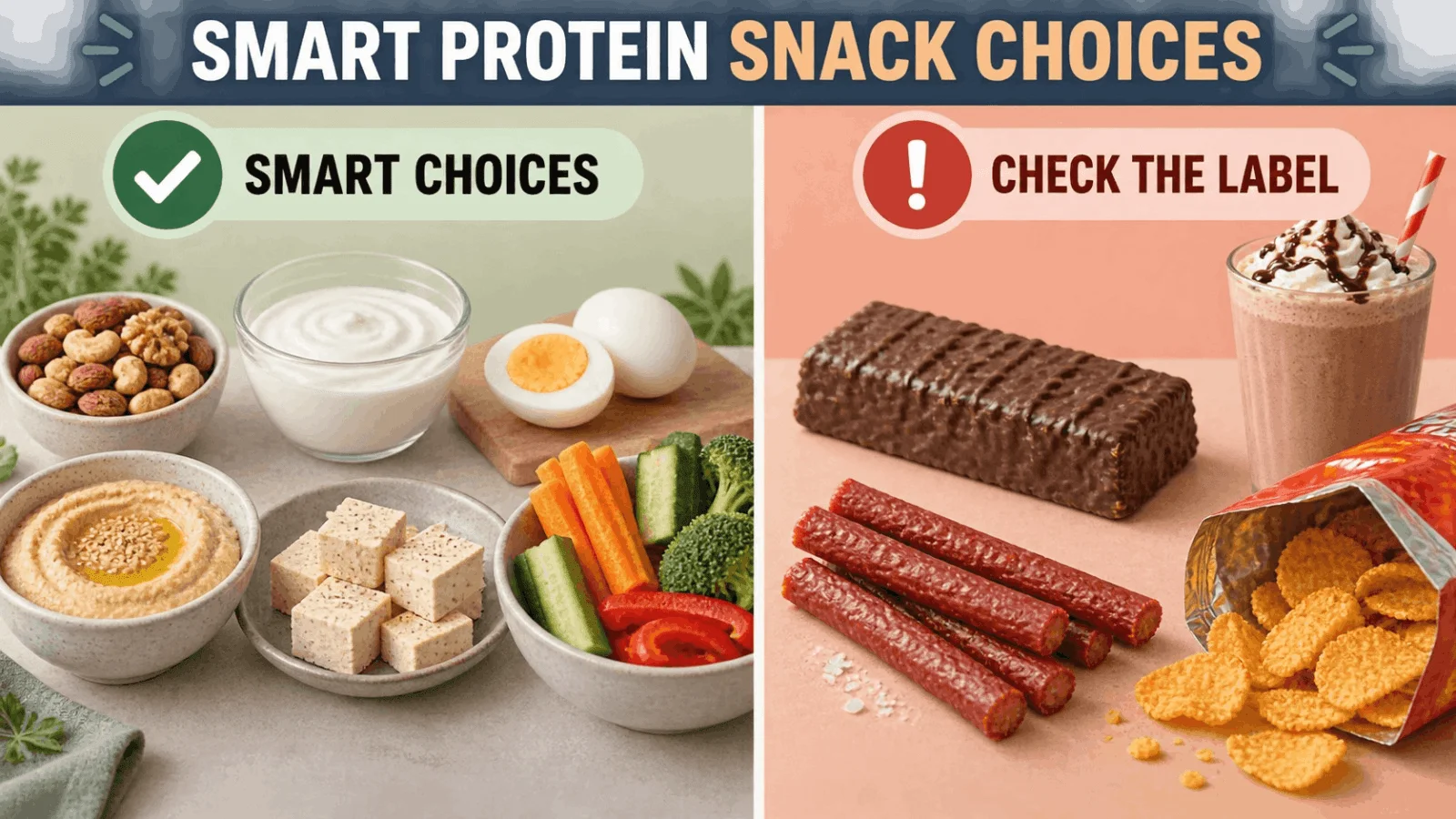
Deli meat and meat sticks are convenient but may be high in sodium and saturated fat. Correction: rotate eggs, fish, yogurt, beans, tofu, nuts, and fresh poultry.
Assuming all protein bars are diabetes-friendly
Some bars contain syrups, sugar alcohols, or large amounts of starch. Correction: read the full label and test only one new product at a time if you monitor glucose.
Ignoring kidney health
A high-protein trend may not suit someone with reduced kidney function. Correction: ask a qualified professional for an individual target before increasing protein.
Using snacks instead of proper meals
Living on bars and nuts can leave gaps in vegetables, fiber, and overall nutrition. Correction: use snacks to bridge a gap, then improve the next full meal.
Changing food and medicine together
A new snack pattern can change carbohydrate timing and activity. Correction: keep medication decisions with your prescribing team and record relevant changes.
Giving up after one unexpected reading
One reading does not explain every response. Correction: look for repeated patterns and discuss concerns rather than labeling the entire food as bad.
Simple Action Plan to Start
-
Today: Choose two protein foods you already enjoy, such as eggs and plain yogurt, and check whether you can store them safely.
-
Tomorrow: Prepare one fresh option and one shelf-stable option. Measure portions before hunger arrives.
-
This week: Use a protein-containing snack at one predictable pressure point, such as a long meeting or a delayed dinner. Notice hunger, energy, and any glucose information you already collect as part of your care plan.
-
Next week: Add a second protein source from a different group, such as beans, fish, tofu, or seeds. Variety makes the routine easier to maintain and reduces dependence on one product.
-
After two weeks: Review cost, convenience, fullness, digestion, and your ability to repeat the habit. If your readings or symptoms are concerning, take your notes and medication list to a qualified professional.
For a broader framework that connects meal timing with work and family demands, use our best daily routine for men over 40 as a planning reference. Keep the snack routine simple enough to survive ordinary weeks.
Safety Before Changing Your Snack Routine
This article provides general education and does not diagnose or treat diabetes. Speak with a qualified doctor, diabetes educator, or registered dietitian before making major dietary changes if you have diabetes, kidney disease, heart disease, food allergies, digestive problems, a history of low blood sugar, or an eating disorder. Ask for individual advice if you take insulin or another medicine that can lower glucose, are pregnant, are losing weight without trying, or are unsure how to eat around exercise.
Get urgent help for severe confusion, fainting, chest pain, trouble breathing, or a low-blood-sugar episode that does not improve according to your prescribed plan. Do not drive when you are confused or severely unwell.
Frequently Asked Questions
What are the best healthy protein snacks for diabetics?
Useful starting choices include plain yogurt, eggs, cottage cheese, measured nuts, hummus with vegetables, tuna, tofu, edamame, and roasted chickpeas. The best choice is the one that fits your carbohydrate plan, medical needs, budget, and routine.
Do protein snacks lower blood sugar?
Not necessarily. Protein may make a snack more satisfying and can slow digestion when eaten with carbohydrate, but it is not a glucose-lowering treatment. Your response depends on the full food, portion, activity, medication, and health picture.
Can men with diabetes eat peanut butter?
Many people can include peanut butter, but portions matter because it is energy-dense. Choose a product without added sugar when possible, check the label, and avoid it if you have an allergy or your clinician has given different advice.
Are protein shakes safe for diabetes?
Some may fit, but the ingredients and carbohydrate content vary. Avoid assuming a shake is suitable because it says “fitness” or “low sugar.” Review it with a qualified professional if you take medication, have kidney disease, or plan to use it often.
What protein snack is best before exercise?
There is no universal answer. A small yogurt, egg, or measured nuts may suit some people when a meal is several hours away. If you have had exercise-related lows, ask your care team for specific timing and carbohydrate guidance.
Are nuts better than protein bars?
Not always. Nuts are minimally processed but calorie-dense, while a bar may be convenient during travel. Compare portions, added sugar, sodium, fiber, and ingredients, then choose the option you can use consistently.
How much protein should a man over 40 eat in a snack?
There is no single snack amount for every man. Body size, activity, kidney function, medication, and total daily intake all matter. A dietitian or doctor can help set a personal target instead of relying on a social-media rule.
Can protein snacks help reduce belly fat?
They may support fullness and replace highly processed snacks, but no protein food removes belly fat on its own. Waist change depends on the overall pattern of food, activity, sleep, stress, and medical factors. Think of the snack as one supportive choice within that wider pattern.
Final Thoughts: Choose Protein That Fits Real Life
In my practical observation, the most successful snack is rarely the trendiest one. It is the food a man can prepare, carry, portion, and enjoy without creating a new problem.Finding healthy protein snacks for diabetics can support fullness and muscle-friendly eating, but they work best when they are part of a wider plan for blood sugar, movement, sleep, recovery, and medical care.
Choose two dependable options this week, read the labels, and notice how they fit your hunger and glucose plan. Make one change at a time, ask for help when medication or kidney health makes the decision complicated, and keep the standard realistic. For men over 40, steady habits build more confidence than any oversized promise on a packet.