
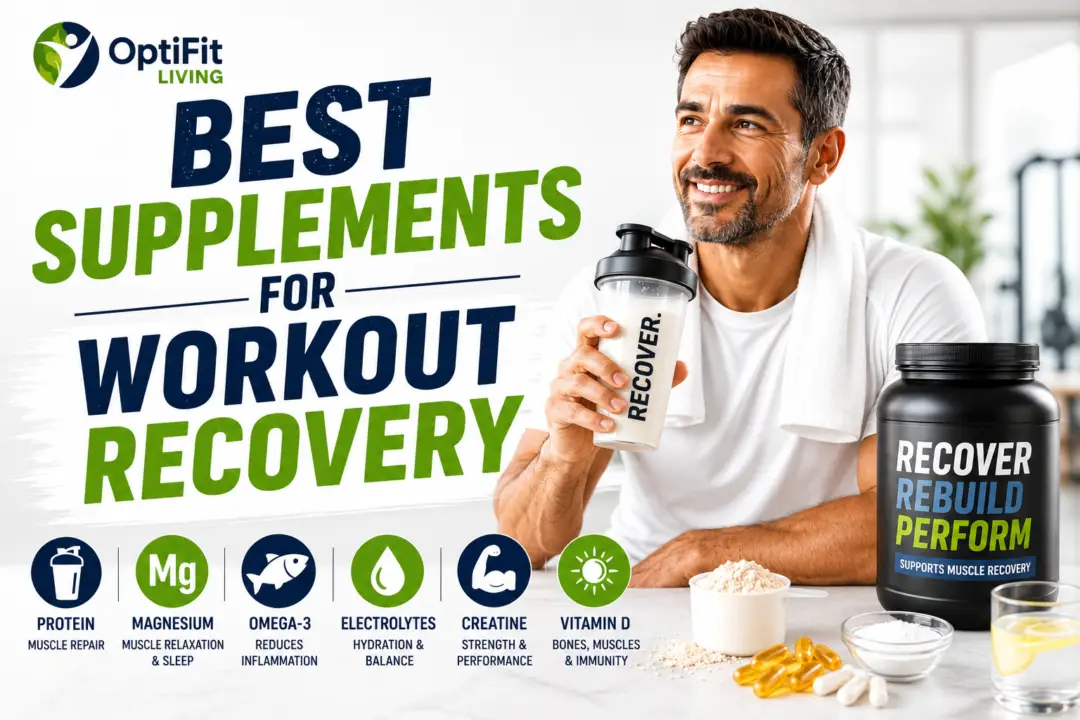
Finding the best supplements for workout recovery is essential if you want to rebuild muscle, restore daily energy, and maximize your overall training performance. While consistent exercise drives fitness progress, real growth and tissue repair happen when your body is resting. Incorporating targeted post-workout supplements helps reduce muscle soreness, combat fatigue, and protect your joints so you can stay consistent with your goals
Why Is Workout Recovery Important?

During physical exertion, muscle fibers experience micro-tears, and energy stores deplete. Prioritizing muscle recovery supports:
- Faster Muscle Repair & Growth
- Reduced Post-Workout Soreness (DOMS)
- Restored Daily Energy & Stamina
- Injury Prevention & Joint Protection
Top 7 Best Supplements for Workout Recovery
Integrating targeted nutrition into your daily routine can bridge nutritional gaps and optimize physical repair.
| Supplement | Primary Focus Area | Key Benefit |
| Whey Protein | Muscle Repair | Fast-absorbing amino acids for tissue rebuilding |
| Creatine Monohydrate | Strength & Power | Replenishes ATP for cellular muscle energy |
| Magnesium | Muscle Relaxation & Sleep | Reduces cramps and promotes restful sleep |
| Electrolytes | Rehydration | Restores mineral balance lost through sweat |
| Omega-3 Fatty Acids | Joint & Muscle Health | Supports healthy inflammatory response |
| Vitamin D3 | Bone & Immune Support | Enhances muscle function and overall energy |
| Protein-Rich Whole Foods | Foundation | Long-term sustained recovery and general health |
1. Whey Protein
Whey protein is arguably the best supplement for workout recovery and muscle synthesis. It delivers a rich profile of essential amino acids (including BCAAs) that quickly reach muscle tissue post-exercise.
- Best For: Post-workout muscle repair and convenience.
- How It Helps: Accelerates tissue repair and supports muscle mass maintenance.
2. Creatine Monohydrate
Creatine is one of the most thoroughly researched supplements in fitness history. It works at a cellular level to restore adenosine triphosphate (ATP), your body’s primary energy currency.
- Best For: Strength training, explosive power, and lean muscle support.
- Myth Buster: Creatine is a safe, naturally occurring compound—not an anabolic steroid.
3. Magnesium
Magnesium plays a critical role in over 300 biochemical reactions, including muscle contraction, nerve function, and relaxation.
- Best For: Reducing muscle cramps, tightness, and nocturnal spasms.
- Recovery Edge: Promotes deep, restorative sleep, which is vital for human growth hormone (HGH) release.
4. Electrolytes
When you sweat, you lose crucial minerals like sodium, potassium, and magnesium. Drinking plain water isn’t always enough for full rehydration after intense sessions.
- Best For: Hot weather training, endurance sports, and heavy sweating.
- How It Helps: Prevents muscle cramping and maintains optimal cell fluid balance.
5. Omega-3 Fatty Acids

Derived from fish oil or algal sources, Omega-3s (EPA and DHA) support overall wellness and cardiovascular health while aiding physical recovery.
- Best For: Joint comfort, mobility, and healthy inflammation management.
6. Vitamin D3
Vitamin D acts more like a hormone in the body, directly influencing muscle tissue function, bone density, and immune health.
- Best For: Individuals with limited sun exposure experiencing sluggish recovery or general fatigue.
7. Whole Foods First

While supplements offer convenience, real food remains your primary recovery fuel. Prioritize high-quality protein sources like eggs, chicken, fish, Greek yogurt, lentils, and nuts to sustain your foundational health.
“While muscle recovery is essential, maintaining overall daily health and vitality is equally important. Pairing your recovery routine with the best multivitamins for men ensures your body receives all the necessary micronutrients for peak physical performance.”
Essential Recovery Habits You Shouldn’t Ignore
Supplements amplify good habits—they do not replace them. To maximize your results, combine your supplement strategy with these daily practices:
- Prioritize 7–9 Hours of Sleep: Deep sleep is the ultimate natural recovery phase.
- Maintain Hydration: Drink adequate water throughout the day, not just during workouts.
- Avoid Overtraining: Build rest days into your training routine to give muscle tissue adequate time to adapt.
- Manage Daily Stress: High stress increases cortisol levels, which can slow down muscle repair.
Frequently Asked Questions (FAQs)
What is the single best supplement for muscle recovery?
Whey protein powder is widely considered the foundation of recovery supplementation due to its rapid digestion rate and rich amino acid profile needed for muscle repair.
Does magnesium help reduce post-workout soreness?
Yes. Magnesium aids in muscle relaxation, reduces cramping, and improves sleep quality, all of which indirectly contribute to faster recovery.
Should beginners take workout recovery supplements?
Beginners do not need complex supplement stacks. Starting with basic nutrition, adequate sleep, hydration, and optionally a quality protein powder or electrolyte drink is sufficient.
How does muscle recovery change after age 40?

As we age, protein synthesis efficiency drops and joint repair takes longer. Combining adequate daily protein, resistance training, and recovery supplements like Omega-3s and Vitamin D becomes increasingly beneficial.
Final Verdict
Achieving peak physical health requires a balance between hard effort in the gym and deliberate recovery outside of it. Adding proven options like whey protein, creatine, magnesium, and electrolytes to a solid foundation of sleep and whole-food nutrition ensures consistent long-term progress.
Helpful Resources
- NIH Vitamin and Mineral Fact Sheets — Evidence-based information about vitamin D, magnesium, vitamin B12, zinc, calcium and vitamin C.
- NIH Multivitamin and Mineral Supplement Guide — Research covering the possible benefits and limitations of multivitamins.
- National Institute on Aging: Dietary Supplements — Guidance on supplement safety, dosage concerns and interactions.
- FDA Dietary Supplement Information — Explains supplement regulation, labels, benefits and potential risks.
- FDA: Mixing Medicines and Supplements — Important information for men who take prescription medicines alongside vitamins or supplements.
- CDC Physical Activity Guidelines for Adults — Current recommendations for aerobic activity and muscle-strengthening exercise.
For medical accuracy, consider changing “Most men benefit from supplementing…” to: “Some men may benefit from targeted supplements when a dietary gap or deficiency is identified.”