
Intermittent fasting has become one of the most talked-about weight loss methods in recent years. Many people claim it helped them lose belly fat, improve energy, control blood sugar, and simplify their eating habits. But for beginners over 40, intermittent fasting can feel confusing at first.
Some people think it means starving yourself for long hours. Others believe you can eat anything as long as you fast. In reality, intermittent fasting is much simpler and more practical than most people imagine. It is not a strict diet. It is an eating pattern that focuses on when you eat instead of constantly focusing on what you eat.
For adults over 40, intermittent fasting can be especially helpful because metabolism naturally slows with age, belly fat becomes more stubborn, and insulin resistance may increase over time.
In this article, we will explain intermittent fasting in a simple and realistic way for beginners over 40.
What Is Intermittent Fasting for Beginners?
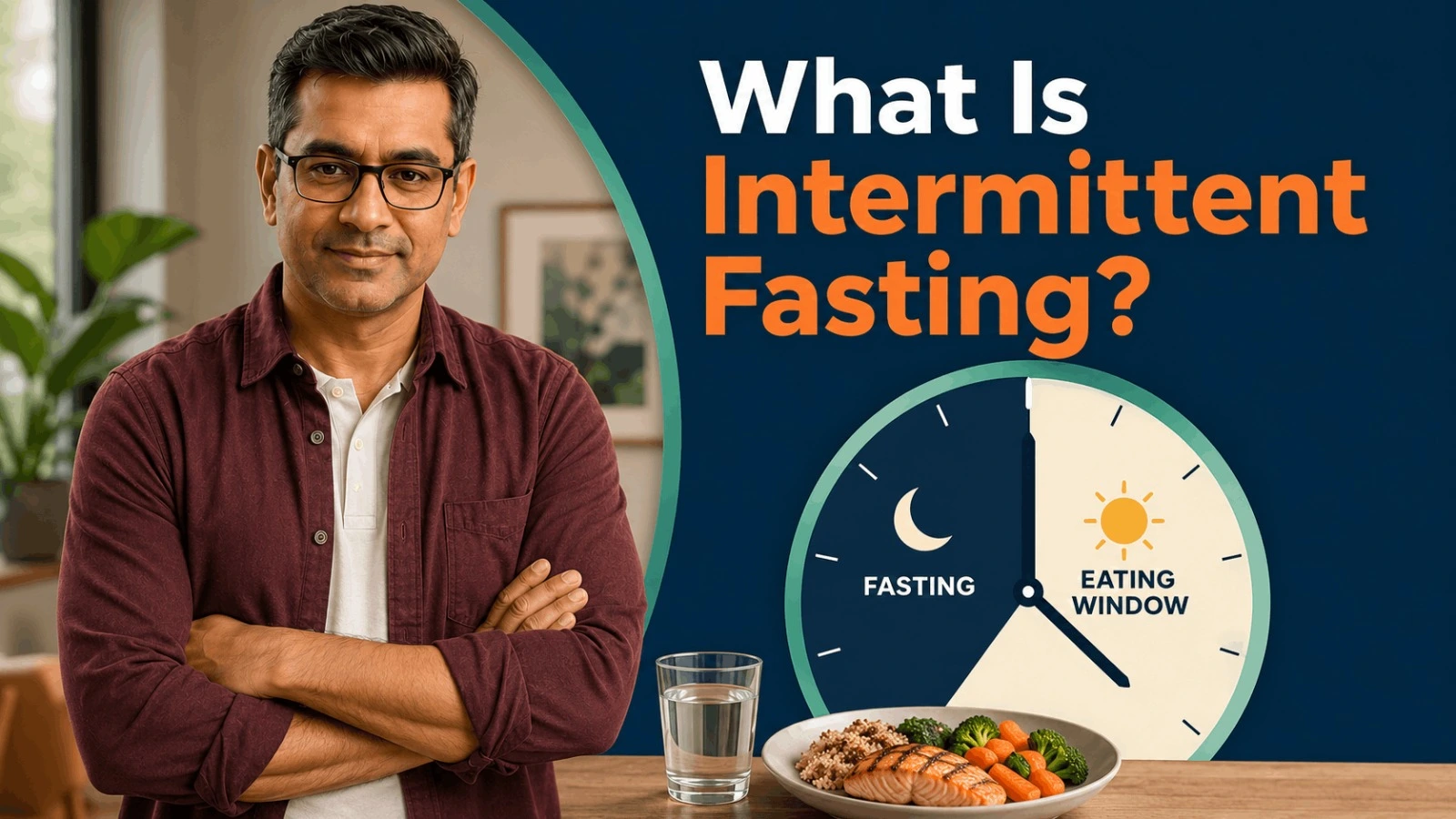
Intermittent fasting means eating within a specific time window and fasting during the remaining hours. During the fasting period, you avoid calorie-containing foods and drinks.
What happens to your body during fasting?
-
Burn stored energy: Forces the body to tap into fat reserves.
-
Improve insulin sensitivity: Keeps blood sugar levels balanced.
-
Rest digestion: Gives your gut a much-needed break.
-
Support fat burning: Maximizes natural fat oxidation.
Key Takeaway: Intermittent fasting is not about starving. It is about creating a healthier eating schedule.
Why Intermittent Fasting Becomes Popular After 40
| Common Struggles After Age 40 | How Intermittent Fasting Helps |
| Belly Fat & Slow Metabolism | Increases metabolic efficiency and targets abdominal fat |
| High Blood Sugar & Insulin Issues | Improves insulin sensitivity naturally |
| Constant Snacking & Sugar Cravings | Limits eating window, stopping mindless snacking |
| Low Daily Energy | Stabilizes blood sugar to prevent midday energy crashes |
Potential Benefits of Intermittent Fasting for Beginners
-
Helps Reduce Belly Fat: By reducing constant eating and snacking, the body may start using stored fat more efficiently. Many people notice their waistline improving after consistent fasting routines.
-
May Improve Blood Sugar Control: Intermittent fasting may help improve insulin sensitivity. This can support healthier blood sugar levels, especially for people with prediabetes or insulin resistance. (Note: People with diabetes should consult their doctor before making major eating changes.)
-
Simplifies Eating Habits: Many people feel mentally relaxed when they stop constantly thinking about food all day. Instead of eating six or seven times daily, fasting creates structure and routine.
-
Helps Reduce Late-Night Eating: Late-night eating is one of the biggest causes of weight gain and poor digestion. Fasting schedules naturally reduce unnecessary nighttime snacking.
-
May Improve Energy Levels: Some people report better focus and stable energy once their body adapts to fasting. This usually happens after the first few weeks.
Most Common Intermittent Fasting Method
The 16:8 Fasting Method
| Fasting Phase | Duration | Details |
| Fasting Window | 16 Hours | Zero-calorie fluids only |
| Eating Window | 8 Hours | Nutrient-dense, balanced meals |
| Example Schedule | 12 PM – 8 PM | First meal at 12 PM, last meal by 8 PM |
Allowed Beverages During Fasting Hours:
-
Pure Water
-
Black Coffee (No Sugar/Milk)
-
Green Tea
-
Unsweetened Herbal Tea
Step-by-Step Schedule for Beginners Over 40
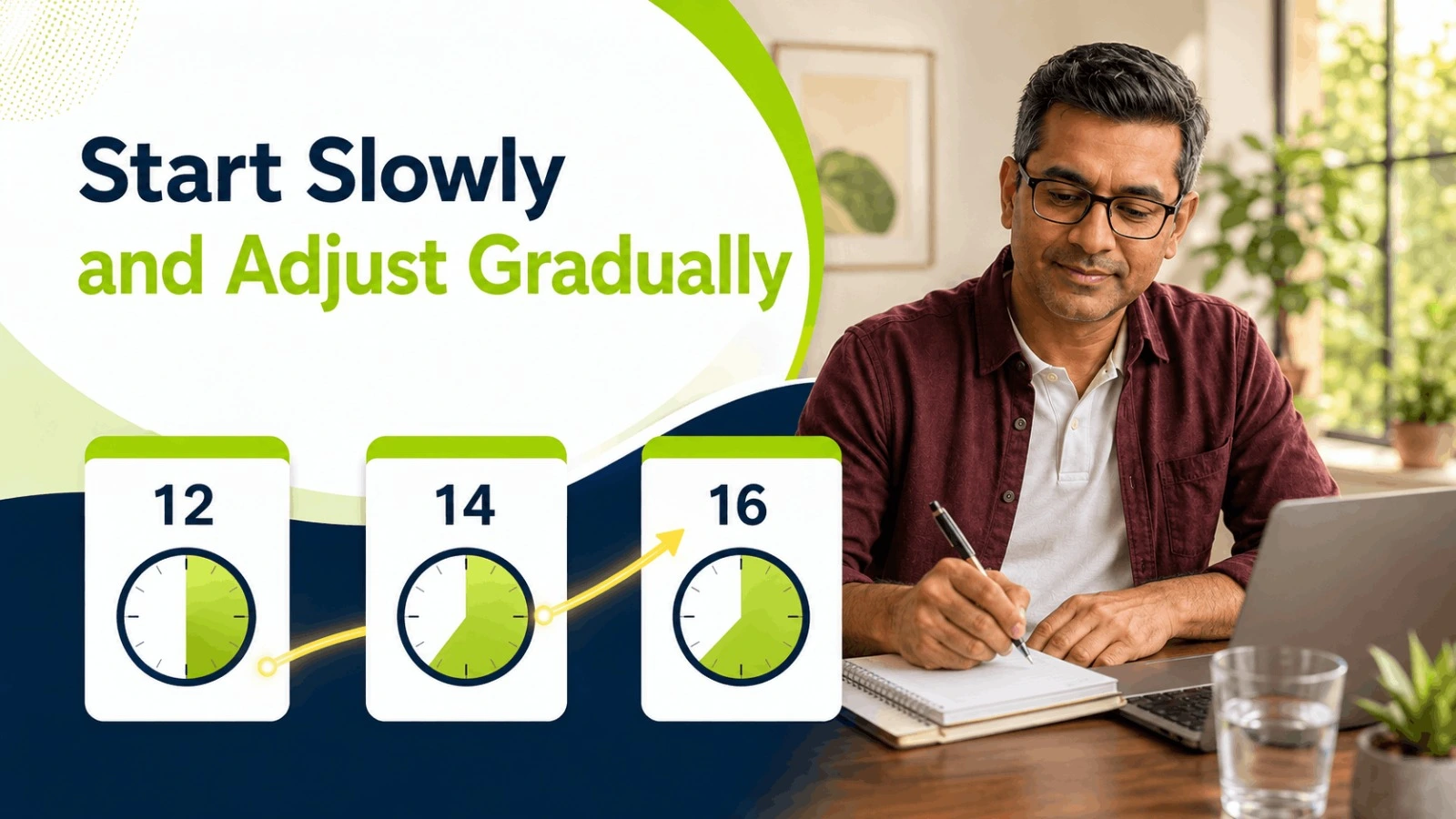
| Progression | Fasting Target | Routine Example |
| Week 1 | 12-Hour Fasting | Dinner at 8:00 PM $\rightarrow$ Breakfast at 8:00 AM |
| Week 2 | 14-Hour Fasting | Dinner at 8:00 PM $\rightarrow$ First Meal at 10:00 AM |
| Week 3+ | 16:8 Fasting | Dinner at 8:00 PM $\rightarrow$ First Meal at 12:00 PM |
This gradual adjustment helps your body adapt comfortably without sudden fatigue.
What Should You Eat During Intermittent Fasting?

Food quality matters just as much as the fasting window.
Protein Foods: Eggs, Chicken, Fish, Yogurt, Lentils, Whey Protein
(Protein helps preserve muscle and reduce hunger. For a full breakdown on choosing the right supplement, read our Whey Protein Guide for Beginners.)
| Food Category | Recommended Options | Key Health Role |
| Protein Foods | Eggs, Chicken, Fish, Yogurt, Lentils | Preserves muscle mass & keeps you full |
| Healthy Fats | Nuts, Olive Oil, Avocados, Seeds | Enhances satiety & supports hormone health |
| Vegetables | Leafy greens, Broccoli, Cucumbers, Peppers | High fiber, essential vitamins & low calories |
| Whole Foods | Unprocessed grains, Natural whole foods | Avoids blood sugar spikes |
5 Common Mistakes Intermittent Fasting Beginners Make
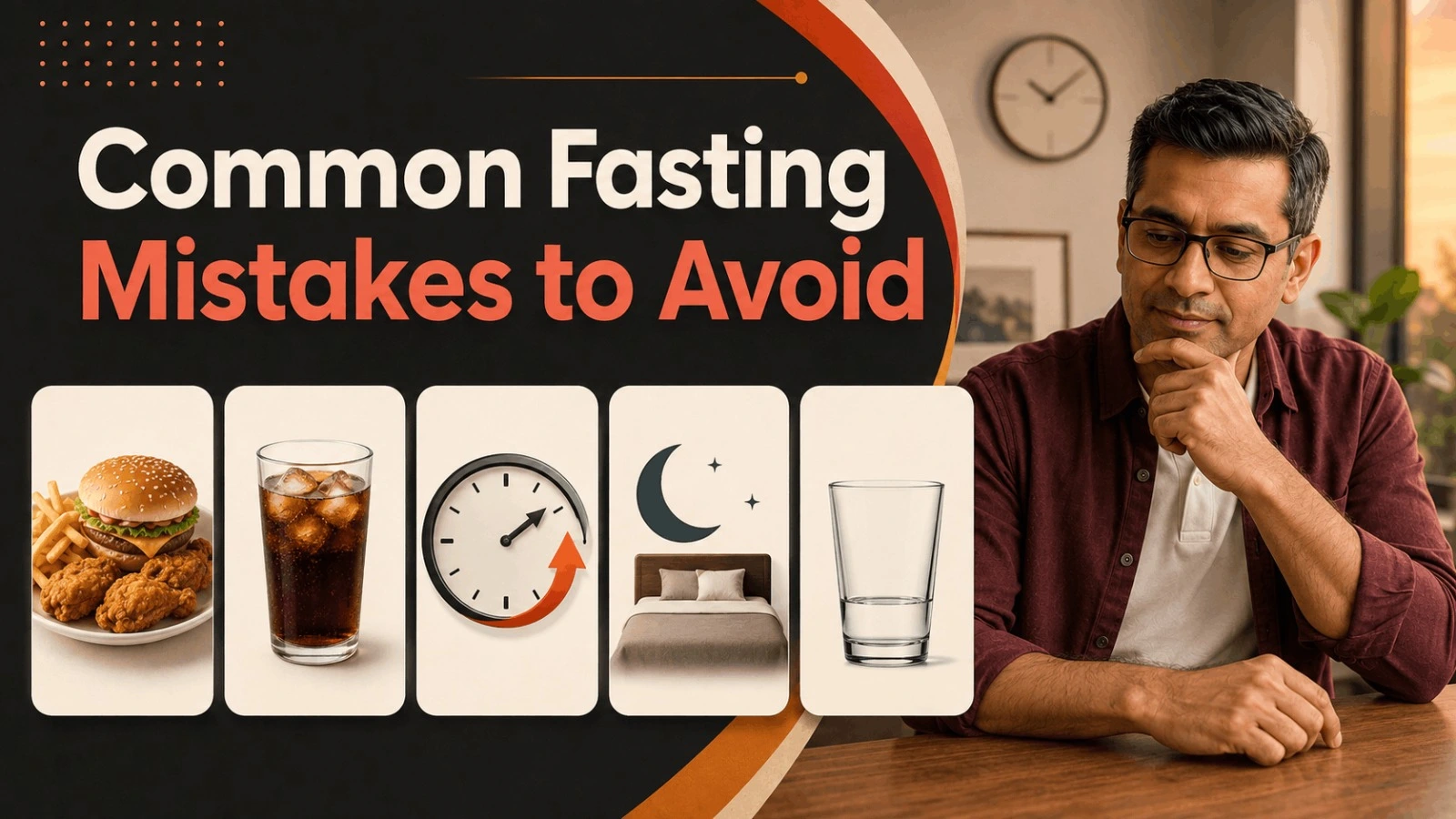
-
Eating Too Much After Fasting: Some people overeat because they feel extremely hungry. Fasting is not permission to binge eat.
-
Drinking Sugary Beverages: Sugary drinks can quickly destroy calorie control.
-
Starting Too Fast: Jumping directly into long fasting hours often causes weakness and frustration.
-
Ignoring Sleep: Poor sleep increases cravings and hunger hormones.
-
Not Drinking Enough Water: Hydration is extremely important during fasting.
Does Intermittent Fasting Work Without Exercise?
Yes, some people lose weight through fasting alone. However, combining fasting with physical movement produces significantly better and healthier results.
Best Exercises During Fasting

-
Walking: Excellent choice because it is low impact, stress-free, and easy to maintain daily.
-
Strength Training: Essential after age 40 to preserve muscle mass during fat loss, as muscle naturally decreases with age.
Is Intermittent Fasting Safe After 40?

For many healthy adults, intermittent fasting can be safe when done properly. However, consult a doctor first if you have:
-
Diabetes or blood sugar conditions
-
History of eating disorders
-
Serious underlying medical conditions
-
Low blood pressure issues
-
Daily medication routines tied to food
Signs You Are Doing It Wrong
If fasting causes any of the following, you need to adjust your approach immediately:
-
Severe weakness or fainting feeling
-
Frequent dizziness
-
Extreme headaches
-
Poor concentration
-
Uncontrolled overeating episodes
Sample Beginner Fasting Routine (Daily Breakdown)
| Time Period | Activity / Meal Plan |
| Morning | Water, Black coffee or Green tea + Light walking |
| Afternoon (First Meal) | High protein, Vegetables & Healthy carbs |
| Evening Meal | Well-balanced dinner (Avoid overeating) |
| Night | Stop eating early, drink water, sleep on time |
Realistic Expectations
Intermittent fasting is not magic. Healthy weight loss still takes time and consistency. Within a few weeks, most beginners notice:
-
Reduced stomach bloating
-
Visibly smaller waistline
-
Better control over hunger
-
Improved and stable daily energy
Final Thoughts
Intermittent fasting can be a simple and effective lifestyle approach for adults over 40 trying to lose weight and improve health. The key is keeping it realistic and sustainable. You do not need extreme fasting schedules or starvation.
Start slowly, stay hydrated, focus on healthy foods, and combine fasting with walking and strength training for the best results.
Most importantly, remember that long-term consistency matters more than perfection. Healthy habits practiced daily will always give better results than short-term extreme dieting.
Frequently Asked Questions (FAQs)
Is intermittent fasting good for men over 40?
Yes. Many men over 40 use intermittent fasting to support weight loss, reduce belly fat, and improve eating habits.
What is the easiest fasting schedule for beginners?
The 16:8 method is one of the most beginner-friendly schedules.
Can intermittent fasting reduce belly fat?
It may help reduce belly fat when combined with healthy eating and regular exercise.
Can I drink coffee during fasting?
Yes. Black coffee without sugar is usually allowed during fasting.
How long does intermittent fasting take to show results?
Many people notice early changes within a few weeks, but long-term consistency gives the best results.
Helpful Resources
-
Hypogonadism in Men — Endocrine Society
-
Zinc Fact Sheet — NIH Office of Dietary Supplements
-
Vitamin D Fact Sheet — NIH Office of Dietary Supplements
-
Magnesium Fact Sheet — NIH Office of Dietary Supplements
-
Mediterranean Diet — American Heart Association
-
Healthy Food-Group Recommendations — American Heart Association