Male vitality supplements often promise more energy, better stamina, stronger muscles, higher testosterone, and improved sexual performance. Those claims sound attractive, especially when tiredness, slower workout recovery, or changes in sexual health appear after age 40.
Understanding how male vitality supplements work and what ingredients they contain helps you make informed choices.
However, “male vitality” is a marketing term, not a medical diagnosis. Low energy, reduced sexual desire, erection problems, and loss of strength are different concerns with different possible causes. One supplement is unlikely to solve all of them.
Some products can be useful for a clear reason. Protein powder may help a man who struggles to get enough protein from food. Creatine can support repeated, high-intensity exercise and resistance training. Vitamin D or zinc may help when a deficiency or inadequate intake exists. That is very different from taking a broad “testosterone booster” without knowing why symptoms have developed.
This evidence-based guide explains which male vitality supplements may have a useful role, which claims deserve caution, how to choose a safer product, and when a medical assessment is the smarter next step.
Medical note: This article provides general education and does not replace diagnosis or personal advice from a qualified healthcare professional.
What Are Male Vitality Supplements?
Male vitality supplements are products marketed to support daily energy, exercise performance, muscle strength, sexual health, testosterone, or general wellbeing. Most male vitality supplements contain vitamins, minerals, protein, creatine, caffeine, amino acids, herbs, or mixtures of many ingredients.
Two products carrying almost identical claims can have completely different formulas and doses. The key question is not, “Which supplement is strongest?” It is, “What specific problem am I trying to solve?” A product has a reasonable purpose only when its ingredients, amounts, and evidence match that goal.
Why Men Over 40 May Feel Less Energetic
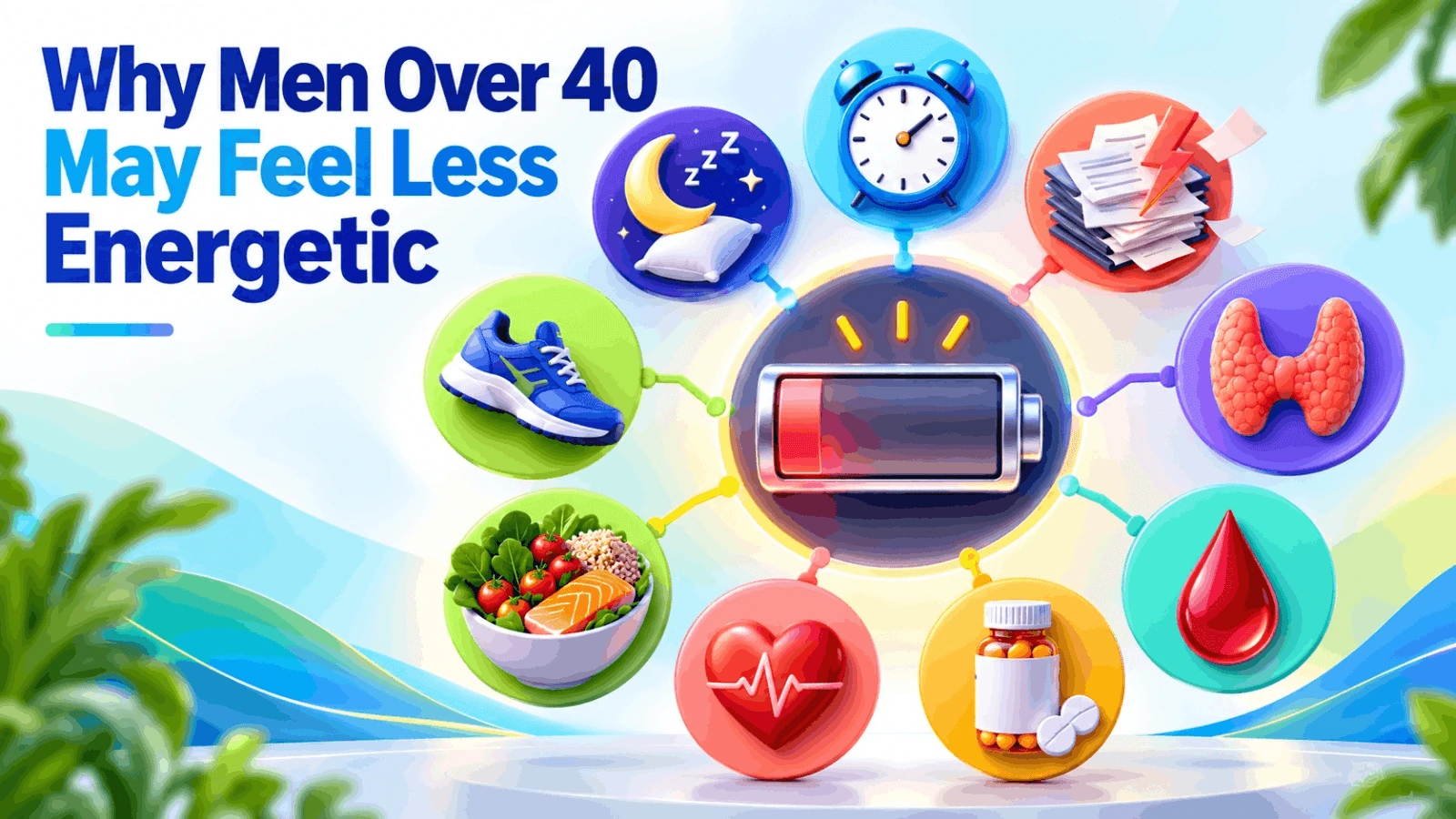
Age can affect body composition and recovery, but it should not automatically be blamed for every change. Before buying male vitality supplements, it is crucial to recognize that common reasons for low energy or reduced performance include:
-
Too little or poor-quality sleep
-
Sleep apnea, especially with loud snoring or daytime sleepiness
-
Long work hours, stress, anxiety, or depression
-
Low physical activity or a sudden increase in training
-
Low calorie, protein, iron, vitamin B12, or vitamin D intake
-
Diabetes, thyroid disease, anemia, heart disease, or other health conditions
-
Alcohol use or side effects from medicines
-
Low testosterone in some men
Fatigue is a symptom, not proof of a nutrient deficiency or low testosterone. Persistent or unexplained tiredness should be discussed with a doctor rather than treated through repeated product trials.
Sexual symptoms also need to be separated. Low libido means reduced interest in sex. Erectile dysfunction means repeated difficulty getting or keeping an erection suitable for sex. Blood flow, nerves, hormones, medication, stress, relationship factors, diabetes, and cardiovascular health can all play a role.
Male Vitality Supplements: Evidence at a Glance
| Supplement type | What it may help | When it makes sense | Important limit |
| Protein powder | Meeting protein needs; muscle repair | Food intake is insufficient or convenience is needed | Does not directly raise vitality or testosterone |
| Creatine monohydrate | Strength and repeated high-intensity exercise | Used with a suitable resistance-training plan | Not a treatment for fatigue, low libido, or erectile dysfunction |
| Vitamin D | Bone and muscle health; correcting deficiency | Low intake, known deficiency, or clinician advice | Extra vitamin D is not an automatic energy or testosterone boost |
| Zinc | Correcting low intake or deficiency | Diet or assessment shows a genuine need | Excess use can cause copper deficiency and interactions |
| Multivitamin | Filling selected dietary gaps | Restricted or consistently poor diet | Cannot replace balanced food or treat an unexplained symptom |
| Herbal/testosterone blends | Evidence varies by formula | Only after checking extract, dose, safety, and goal | Finished blends are often not studied |
| Sexual-enhancement products | Often promise rapid erection benefits | Medical assessment is safer for persistent problems | Some have contained hidden prescription-drug ingredients |
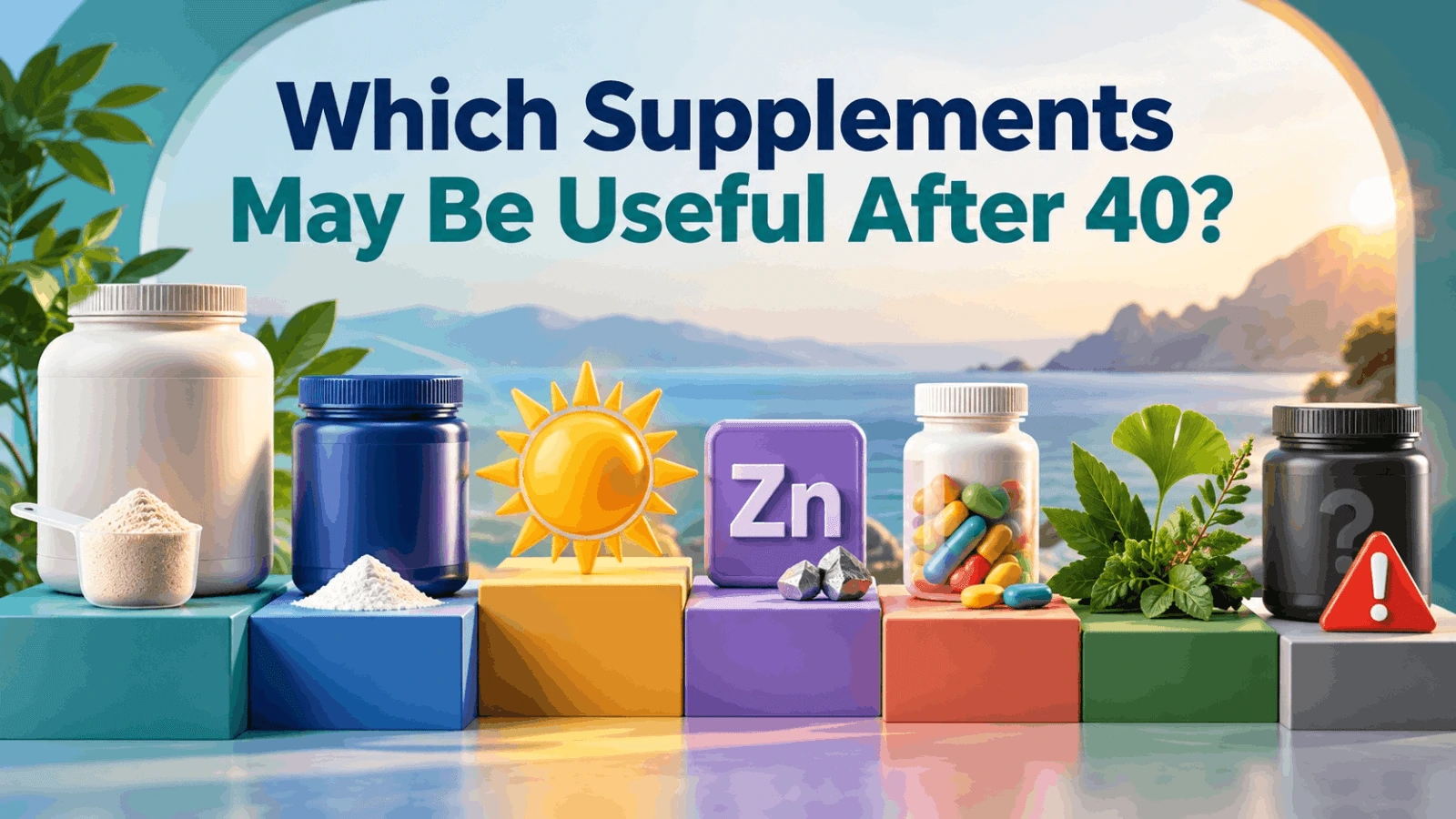
Which Supplements May Be Useful After 40?
When evaluating male vitality supplements, it becomes clear that not all products serve the same purpose. Certain single-ingredient options offer specific, targeted support for men over 40 rather than general promises.
1. Protein Powder for Dietary Convenience
Protein supports the maintenance and repair of muscle. A powder can be practical if work, appetite, travel, dietary restrictions, or meal timing makes it difficult to obtain enough protein from food.
Before buying one, review a normal day of eating. Eggs, dairy, fish, lean meat, soy, beans, chickpeas, and lentils can all contribute protein. If meals already cover your needs, a shake may offer convenience but not a special vitality benefit.
Check protein per serving, calories, added sugar, allergens, and cost per serving. A simple powder may be more suitable than an expensive “male strength” mixture containing small amounts of many ingredients. Protein powder is not a testosterone treatment; muscle maintenance still depends on resistance exercise, sufficient food, recovery, and consistency.
2. Creatine Monohydrate for Strength Training
Creatine helps muscles produce energy during short, repeated, high-intensity efforts. It is one of the better-studied sports-supplement ingredients and can improve performance during activities such as resistance training. The NIH Office of Dietary Supplements notes that evidence differs greatly across performance ingredients and that multi-ingredient combinations are often not adequately studied.
Choose plain creatine monohydrate rather than assuming a complex blend is better. Creatine may cause some weight gain because more water is held in muscle. It does not directly treat unexplained daytime sleepiness, low libido, or erectile dysfunction.
Speak with a healthcare professional before using it if you have kidney disease, abnormal kidney test results, or another condition requiring medical supervision. Tell your clinician you take creatine when discussing laboratory results.
3. Vitamin D When Intake or Levels Are Low
Vitamin D is important for bones, muscles, nerves, and immune function. Supplementation can be appropriate when a person has a deficiency, inadequate intake, or a clinician-identified reason for treatment.
It should not be presented as a guaranteed energy or testosterone booster. If vitamin D status is already adequate, taking more may not improve how you feel. High doses can cause harmful calcium buildup and kidney problems. Review the amount in all products, especially if a multivitamin and a separate vitamin D tablet are used together. The NIH vitamin D fact sheet explains food sources, recommended intake, and upper limits.
4. Zinc Only When There Is a Clear Need
Zinc is essential for many body functions, including immune function and protein production. That does not mean extra zinc improves testosterone or vitality in every man.
Meat, shellfish, dairy foods, beans, nuts, and fortified foods may provide zinc. Long-term excessive intake can interfere with copper absorption and cause health problems. Zinc can also interact with certain antibiotics and other medicines. See the NIH zinc fact sheet for evidence-based safety and interaction information.
Count the zinc in your multivitamin and vitality formula before adding a separate tablet.
5. A Multivitamin for Selected Dietary Gaps
A basic multivitamin may be reasonable for someone with a restricted diet or difficulty eating a balanced range of foods. It is not automatically necessary because a product says “men 40+.” Age-focused branding does not prove that its doses match your needs.
Compare the label with your diet, medicines, and any other supplements. Avoid very high-dose formulas unless a healthcare professional has recommended them for a specific reason.
6. Herbal Blends and Testosterone Boosters
Herbal products require careful evaluation. Research on one standardized extract cannot automatically be applied to every powder, gummy, tea, or proprietary blend containing the same plant name.
Ask four questions:
-
Was the exact ingredient or standardized extract studied?
-
Is the amount used in the product disclosed?
-
Were people similar to the intended user included in the research?
-
Was the outcome meaningful rather than a vague wellness score?
If the manufacturer does not disclose individual amounts, it is difficult to compare the formula with research or evaluate safety. Evidence from individual ingredients does not establish the effectiveness or safety of an untested combination.
Can Male Vitality Supplements Raise Testosterone?
Some nutrients are involved in normal hormone function, but correcting a deficiency is not the same as pushing testosterone above a normal level. A supplement that helps a deficient person does not necessarily help a man whose nutritional status is already adequate.
Symptoms commonly blamed on “low T”—fatigue, reduced strength, low mood, weight gain, low desire, or erection problems—can have other causes. Diagnosis should not be based on symptoms alone or on a single afternoon blood test.
The Endocrine Society’s clinical guidance recommends diagnosing hypogonadism only when a man has compatible symptoms and consistently low testosterone, confirmed with repeat morning fasting measurement. If low testosterone is confirmed, a clinician should investigate the cause and discuss suitable treatment, risks, fertility plans, and monitoring.
An over-the-counter testosterone booster is not the same as prescribed testosterone therapy. Men who may want children should mention this before any hormone treatment because testosterone therapy can reduce sperm production.
Sexual-Enhancement Supplements Require Extra Caution
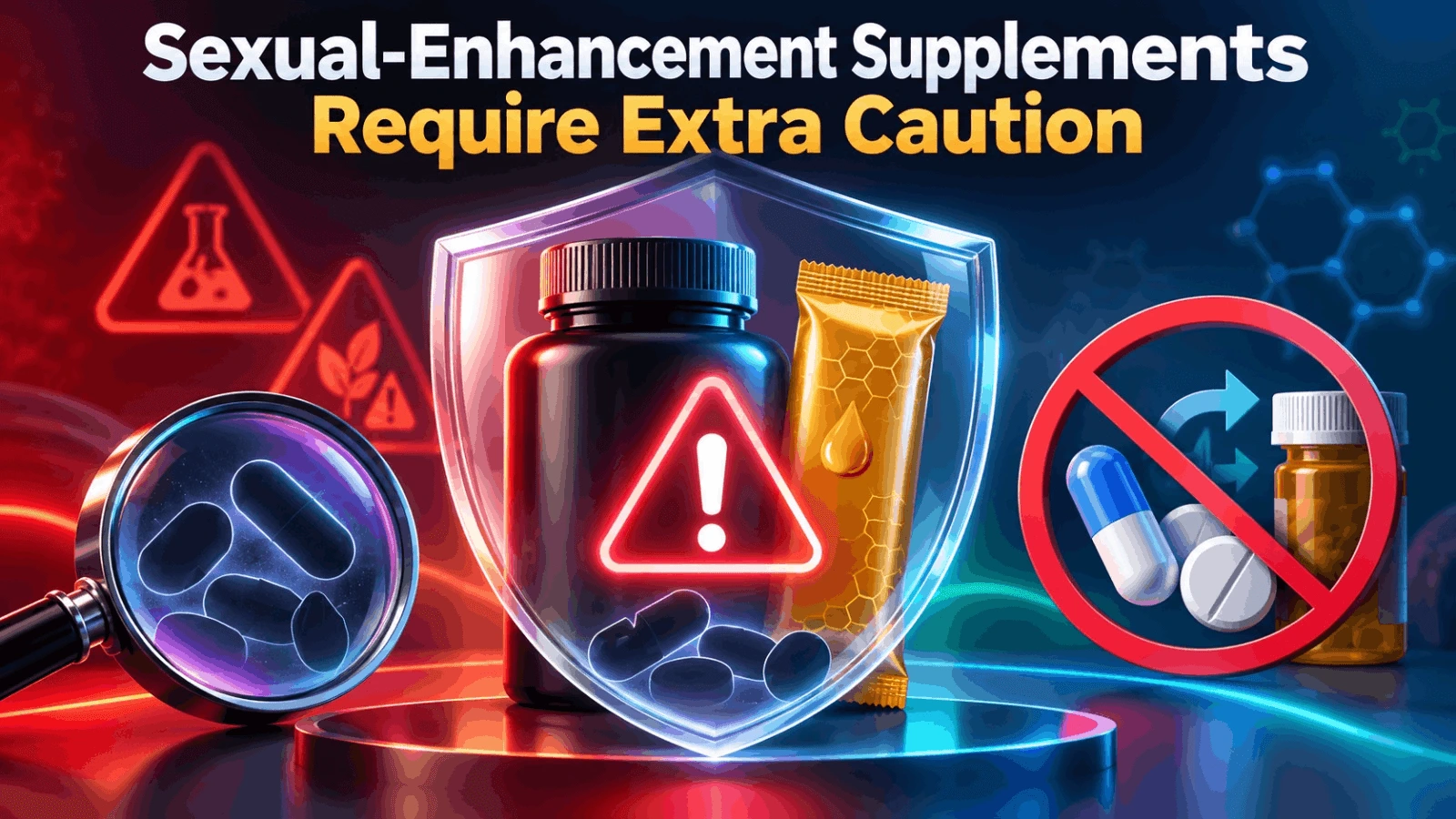
Products promising an erection within minutes or prescription-like performance are a particular safety concern. . The FDA’s sexual-enhancement and energy product notifications list products found to contain hidden drug ingredients. The FDA makes clear that its notification list does not include every unsafe product on the market.
Undeclared sildenafil- or tadalafil-like ingredients can interact dangerously with nitrate medicines used for chest pain and may cause a serious drop in blood pressure. “Natural,” “herbal,” “honey,” or “no prescription needed” on the package does not prove safety.
Persistent erectile difficulty deserves medical attention. It may be related to diabetes, blood pressure, blood vessel health, medication, hormones, or psychological factors. Getting the cause assessed is more useful than repeatedly trying unverified products.
How to Choose Male Vitality Supplements Safely
Define One Measurable Goal
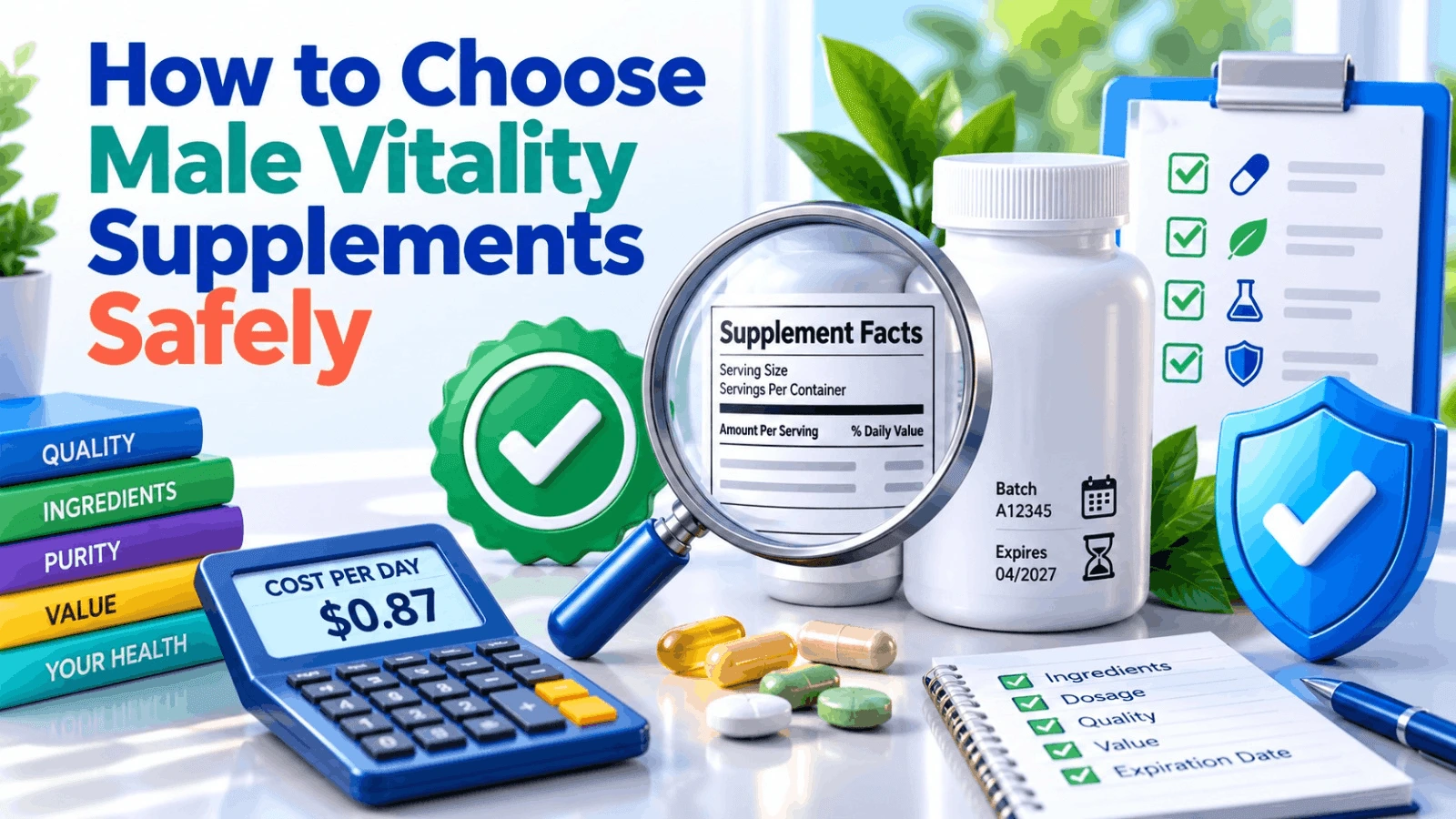
Choose one priority: meeting protein needs, improving resistance-training performance, correcting a documented deficiency, investigating fatigue, or discussing a sexual-health change. “Feel younger” is too vague to measure.Selecting safe male vitality supplements requires a careful review of ingredient labels, dosages, and third-party testing rather than trusting marketing claims alone.
Read the Entire Supplement Facts Panel
Check:
-
Amount of every ingredient per full daily serving
-
Number of capsules or scoops in one serving
-
Added stimulants, sugars, and allergens
-
Duplicate nutrients across your other products
-
Warnings, storage instructions, batch number, and expiry date
-
Cost per day rather than bottle price alone
Avoid proprietary blends that hide individual amounts. A long ingredient list is not proof of a stronger or more complete product.
Verify Quality Claims
Independent quality testing may help confirm identity, strength, or contamination standards. Verify the exact product and batch through the named testing organization where possible. Remember that a quality seal does not prove the supplement will improve your symptom.
Buy from a traceable seller and manufacturer. Keep the receipt and take a clear photograph of the label in case you experience a reaction or need a pharmacist to review it.
Check Medicines and Health Conditions
Supplements can interact with prescription medicines, over-the-counter drugs, and each other. This matters particularly if you use blood thinners, blood-pressure treatment, diabetes medicines, nitrates, antibiotics, or medicines for heart, kidney, or liver conditions.
Ask a pharmacist or doctor to review the complete list, including powders, herbal teas, gummies, and products used only occasionally.
Change One Thing at a Time
Starting several products together makes it hard to identify benefits or side effects. When a supplement has a clear purpose, record the product, dose, start date, expected benefit, and review date. Stop and seek advice if concerning symptoms develop.
Red Flags on Supplement Advertising
Be cautious when a product:
-
Promises to treat low testosterone, erectile dysfunction, and fatigue at once
-
Claims instant, permanent, or guaranteed results
-
Uses testimonials as its main evidence
-
Hides ingredient amounts in a proprietary blend
-
Says “clinically proven” without research on the exact formula
-
Suggests that “natural” means interaction-free
-
Uses fake medical endorsements or before-and-after images
-
Is sold only through an untraceable marketplace account
-
Pushes automatic monthly renewal before you can judge results
These signs do not prove that every product is unsafe, but they are good reasons to slow down and verify the evidence.
A Practical Five-Step Plan
-
Step 1: Describe the Main Concern — Write down what has changed, when it began, how often it happens, and how it affects daily life. Separate sleepiness, muscle fatigue, low sexual desire, and erection difficulty.
-
Step 2: Review the Basics — Record one ordinary week of sleep, meals, exercise, alcohol, caffeine, stress, and symptoms. This can reveal patterns and gives a clinician more useful information.
-
Step 3: List Every Medicine and Supplement — Include prescription drugs, pain relievers, vitamins, powders, herbal remedies, and occasional sexual-performance products. Put the labels side by side to identify duplicated nutrients.
-
Step 4: Match Any Product to a Clear Reason — Use protein for a protein shortfall, creatine for a suitable training goal, or a vitamin or mineral for an identified need. Do not select a product only because the front label uses the words “male,” “vitality,” or “40+.”
-
Step 5: Review the Result — Decide in advance what improvement you expect and when it should be assessed. Track side effects and cost. Do not continue indefinitely simply because the bottle was expensive or a subscription renewed.
When to See a Doctor
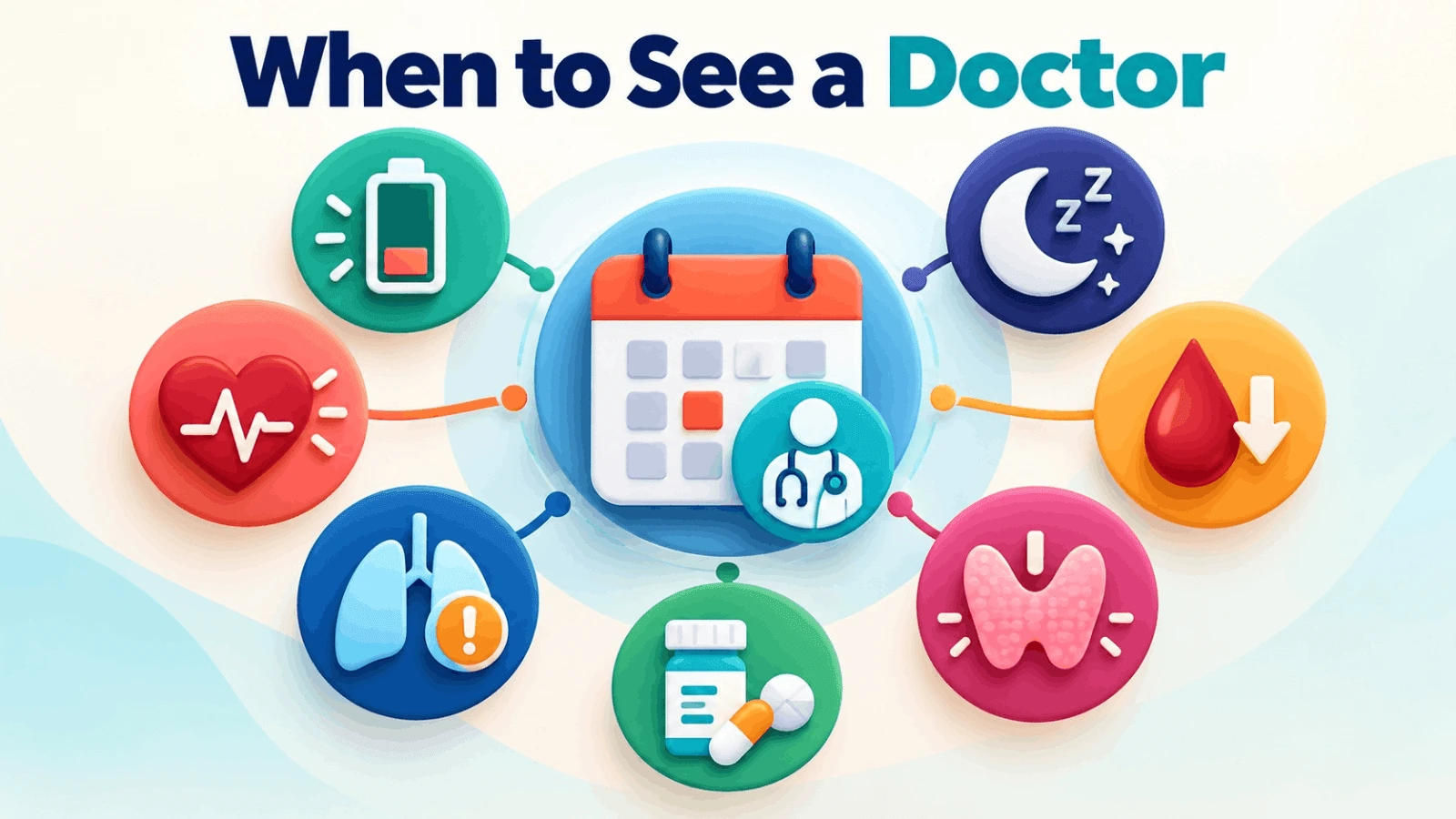
Arrange a medical review if you have:
-
Fatigue that is persistent, worsening, or affecting normal activities
-
Repeated erection difficulties or a lasting change in sexual desire
-
Loud snoring, choking during sleep, morning headaches, or severe daytime sleepiness
-
Unexplained weight change, weakness, low mood, or reduced exercise tolerance
-
Symptoms that began after starting or changing a medicine
-
Known heart, kidney, liver, thyroid, or diabetes-related concerns
Seek urgent medical help for chest pain, severe shortness of breath, fainting, sudden weakness, or a serious allergic reaction. Do not wait for a supplement trial to finish when symptoms are severe.
Frequently Asked Questions
What are the best male vitality supplements for men over 40?
There is no single best product. Protein may help when dietary protein is insufficient, creatine may support resistance-training performance, and vitamins or minerals may help when a genuine deficiency or inadequate intake exists. Broad “all-in-one” vitality claims usually deserve more caution.
Do male vitality supplements work for low energy?
They may help when low energy is connected to a correctable nutritional gap, but tiredness has many possible causes. Persistent fatigue should not be assumed to mean low testosterone or vitamin deficiency.
Are male vitality supplements the same as erectile dysfunction medicines?
No. Supplements are not equivalent to approved prescription treatments. Some sexual-enhancement products have contained undeclared drug ingredients, which can cause dangerous interactions.
Can I take a vitality supplement with a multivitamin?
Possibly, but compare both labels first. They may contain overlapping vitamin and mineral doses. A pharmacist can check the combined amounts and possible medicine interactions.
Are gummies better than capsules?
No format is automatically more effective. Compare the ingredients, amounts, added sugar, serving size, and quality controls. Choose the form you can take correctly.
How long should I try a supplement?
The correct review period depends on the ingredient and reason for taking it. Set the expected benefit and review date before starting. If the cause of your symptom is unclear, seek medical advice instead of running an open-ended trial.
Does a “men 40+” label mean the product is better?
No. It is a marketing description, not proof that the formula fits your diet, health conditions, medicines, or goals.
Final Thoughts
Male vitality supplements can have a limited but useful role when they serve a specific, evidence-based purpose. Protein powder can add convenience, creatine can support suitable strength training, and selected nutrients may help when intake is low or a deficiency is confirmed.
The safest approach is to define the problem first, choose the simplest product that matches it, check the complete label, review medicines and health conditions, and measure the result. Products that promise energy, testosterone, muscle, and sexual performance in one bottle should be treated with caution.
Feeling less energetic after 40 is not something you must simply accept—but it is also not something a marketing label can diagnose. A clear goal and a proper health review can save money, reduce risk, and lead to a solution that fits the real cause.
Helpful Resources
- NIH: Exercise and Athletic Performance Supplements
- NIH: Vitamin D
- NIH: Zinc
- FDA: Sexual Enhancement and Energy Product Notifications
- Endocrine Society: Testosterone Therapy Guideline
Editorial & Medical Review: This article was prepared by Team OptiFit Living using reputable health sources and reviewed for clarity, accuracy, safety, and practical value. Where applicable, medical review details and the latest review date are shown with the article. Content is updated when important medical guidance or safety warnings change. Any affiliate relationship is disclosed clearly. Learn more about our authors, healthcare contributors, reviewers, and content standards in our Editorial Policy