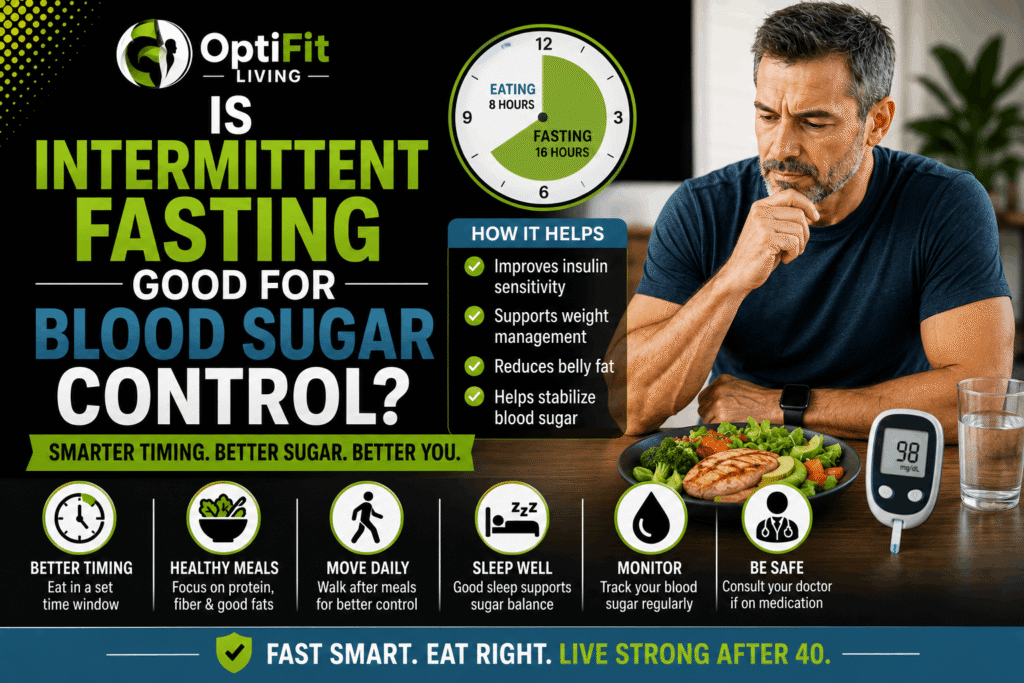

Subtitle: A Clinical & Practical Guide to Metabolic Management
Some meals look completely harmless until you notice the systemic physiological changes that happen afterward. You eat quickly, return to your work desk, and within an hour or two, you feel sleepy, heavy, intensely thirsty, prematurely hungry again, or mentally sluggish. For many men over the age of 40, this experience is not merely “normal afternoon tiredness.” Rather, it serves as an acute indicator that specific foods are driving blood glucose levels upward too rapidly, leaving the endocrine system struggling to restore metabolic equilibrium.
Observation shows that blood sugar irregularities in men over 40 frequently begin quietly and undiagnosed. It often starts with routine habits: sweet tea paired with biscuits, a large plate of white rice, refined white bread at breakfast, late-night snacks, or consuming sugar-sweetened beverages alongside meals. Because these foods are deeply integrated into daily cultural and familial routines, they feel normal. However, over time, these repeated dietary patterns systematically compromise sustained energy levels, contribute to visceral belly fat accumulation, intensify cravings, and undermine long-term health metrics.
Developing a comprehensive understanding of the foods that cause blood sugar spikes does not mean you must develop a fear of eating. Instead, it empowers you with the clinical insight required to identify which specific foods elevate glucose rapidly, appreciate why portion control is vital, understand how macronutrient combinations alter physiological responses, and identify smarter dietary alternatives that maintain metabolic stability.
1. Understanding the Physiology: What Is a Blood Sugar Spike?
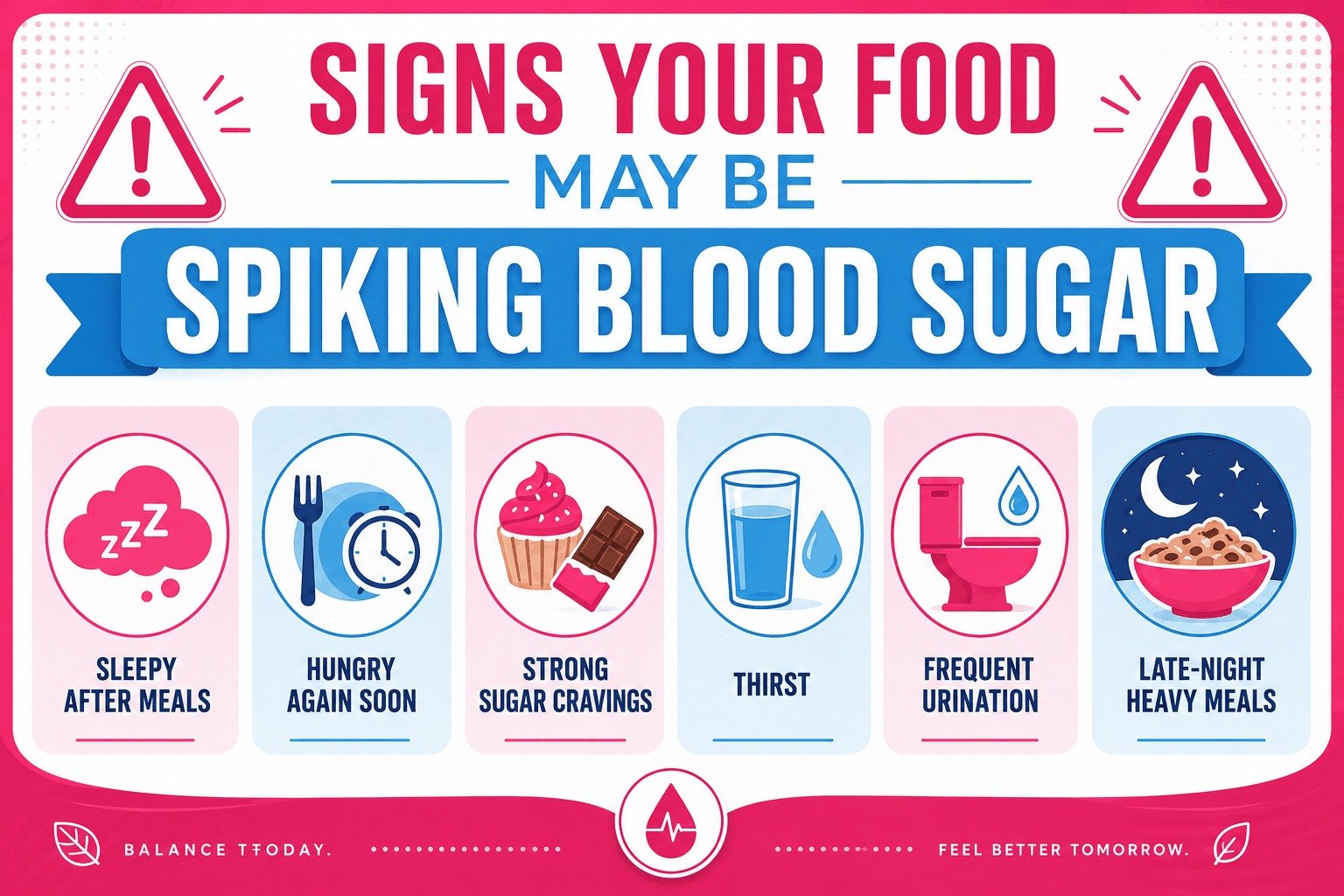
A blood sugar spike occurs when the concentration of glucose in the bloodstream rises abruptly following the ingestion of food or drink. This physiological response is primarily triggered by high-glycemic carbohydrates that rapidly convert into glucose during digestion, particularly when consumed in large portions or without the mitigating presence of dietary protein, soluble fiber, or healthy lipids.
While the human body naturally utilizes glucose as its primary cellular energy currency, issues manifest when blood glucose levels escalate too sharply or remain elevated for prolonged periods. The clinical presentation of a postprandial glucose spike often includes:
- Severe post-meal somnolence (sleepiness)
- Premature, intense hunger shortly after eating
- Compulsive cravings for fast-acting sugars
- Acute cognitive impairment (“brain fog”)
- Fluctuating, unstable energy levels
- Acute irritability and mood shifts
- Polydipsia (increased, unquenchable thirst)
- A persistent sensation of physical heaviness
- Severe mid-afternoon energy crashes
- Impaired workplace focus and concentration
It is critical to note that not every individual experiences clear, symptomatic warnings during a glucose spike. Many men harbor significantly elevated postprandial glucose levels without displaying obvious symptoms. Consequently, routine medical screening is vital—especially for individuals presenting with visceral adiposity (belly fat), diagnosed prediabetes, type 2 diabetes, or a pronounced family history of metabolic dysfunction.
2. Why Glycemic Control Becomes Crucial After Age 40
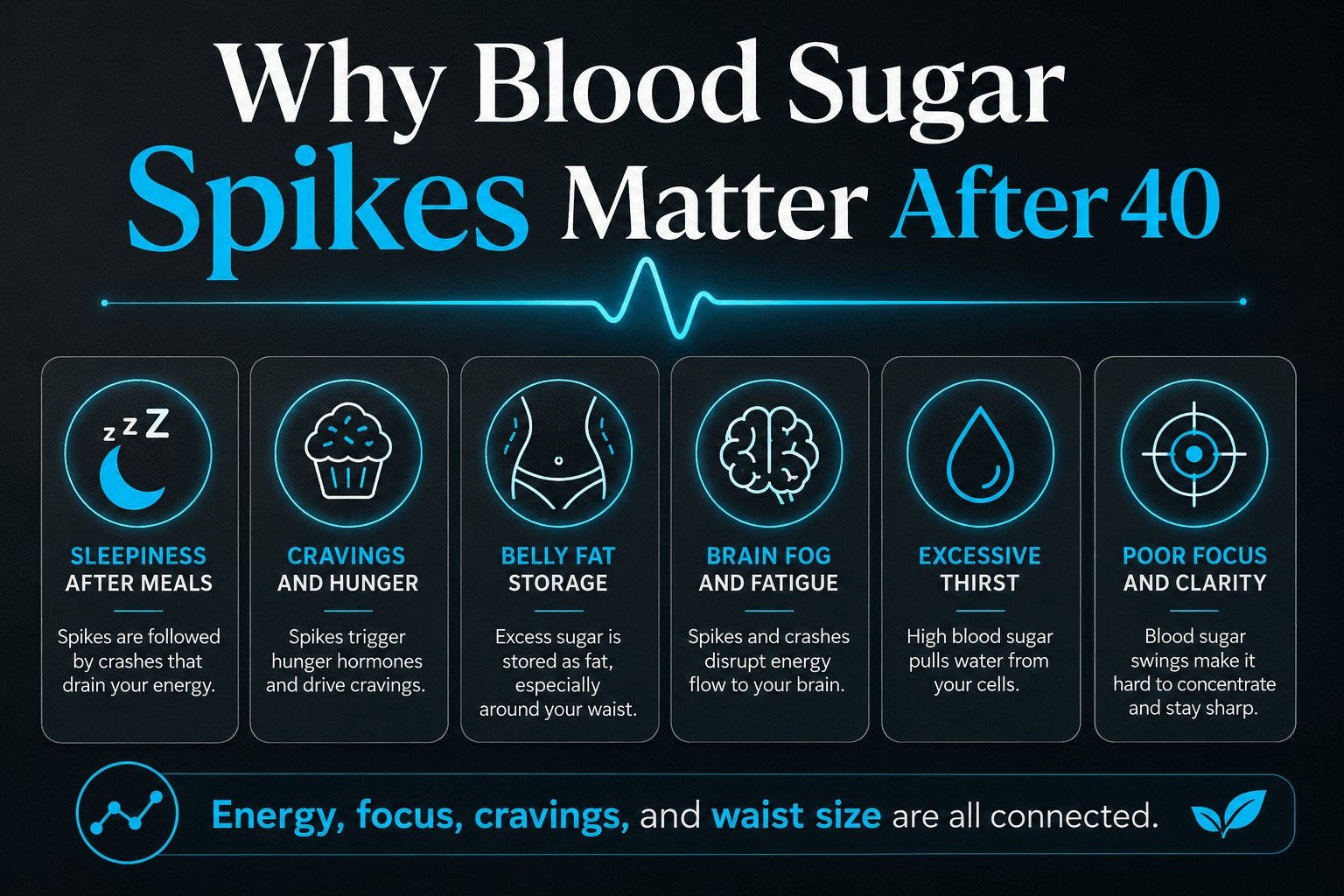
Upon crossing the age 40 threshold, the human body exhibits a diminished capacity to tolerate high glycemic loads. Meals that once caused no discernible discomfort can now induce profound fatigue, late-night dining severely disrupts sleep quality, and high-sugar breakfasts initiate a cascade of metabolic cravings that persist throughout the day.
This shift is driven by natural age-related changes coupled with common lifestyle shifts:
- Visceral Adiposity: Increased accumulation of fat around abdominal organs.
- Sarcopenia: Progressive, age-related loss of skeletal muscle mass.
- Sedentary Routines: Extended periods of sitting and reduced daily movement.
- Endocrine Stressors: Chronically elevated cortisol levels and poor sleep hygiene.
- Dietary Volatility: Oversized evening portions and reliance on caffeine or simple carbohydrates for quick energy.
Skeletal muscle serves as the primary sink for glucose disposal. When muscle mass decreases and physical activity declines, the body’s capacity to clear sugar smoothly from the bloodstream is compromised. Furthermore, visceral belly fat acts as an active endocrine tissue that releases inflammatory cytokines, directly exacerbating insulin resistance—a state where cells fail to respond effectively to insulin signals.
Clinical Insight: For men over 40, mitigating blood sugar spikes extends far beyond long-term diabetes prevention. Maintaining stable glucose levels dictates daily operational energy, cognitive acuity, emotional resilience, abdominal fat management, personal confidence, and overall health discipline.
3. 12 Foods That Cause Blood Sugar Spikes Most Often

1. Sugar-Sweetened Beverages (Liquid Calories)
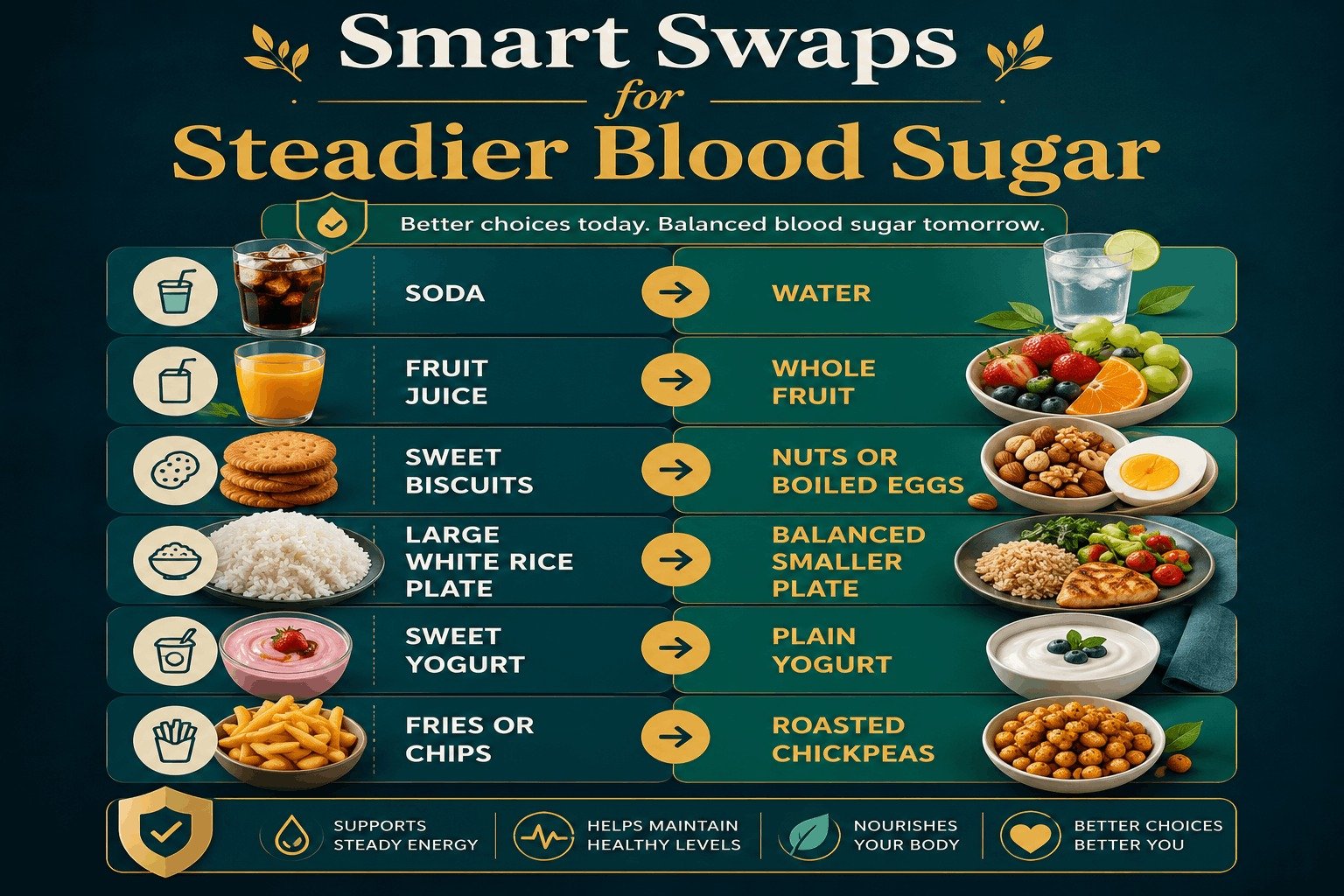
Liquid sugars are among the most aggressive drivers of blood sugar spikes because they require virtually no mechanical or chemical breakdown, resulting in immediate systemic absorption through the gastrointestinal tract. Examples include standard soft drinks, packaged fruit juices, sweetened iced teas, gourmet sugary coffee beverages, commercial energy drinks, flavored dairy milks, and commercial sports drinks.
- Smarter Alternative: Pivot to filtered water, unsweetened herbal or green teas, black coffee, or sparkling water infused with fresh lemon or lime. Reduce consumption step-by-step (e.g., from three drinks to one per day).2. White 2.Bread and Refined Flour Products
- Foods prepared with highly refined white flour (white sandwich bread, traditional naan, parathas, commercial buns, biscuits, crackers, and pastries) have had their bran and germ layers systematically stripped away during processing. This leaves a pure starch matrix that converts into glucose almost instantly upon ingestion.
- Smarter Alternative: Select 100% whole-grain options. Avoid consuming carbohydrates in isolation; always pair them with high-quality proteins or healthy fats (like eggs, Greek yogurt, or avocados).
3. Oversized Portions of White Rice
While white rice is a foundational staple globally, consuming it in large, unmitigated portions can induce massive postprandial glucose excursions. A mountain of white rice served with simple gravies and minimal dietary fiber creates an immediate glucose surge.
- Smarter Alternative: Structure your plate using a precise distribution: 50% non-starchy vegetables/salad, 25% lean protein, and 25% cooked rice. Committing to a brief 10-minute walk post-meal also dramatically enhances glucose clearance.
4. Refined Sweets, Mithai, and Commercial Desserts
Cakes, traditional mithai, cookies, milk chocolate bars, ice cream, and bakery items present a concentrated combination of refined sucrose and unhealthy fats. These items are frequently consumed immediately following a heavy dinner, compounding the total glycemic load.
- Smarter Alternative: Relegate rich desserts to an occasional indulgence rather than a daily habit. Keep the portion minimal and ensure it is consumed after a protein-and-fiber-rich meal.
5. Sweet Tea Paired with Commercial Biscuits
Though perceived as a light snack, the combination of sucrose-sweetened tea with refined flour biscuits delivers a double hit of fast-acting carbohydrates. Because it lacks structured protein, it leaves you hungry and fatigued shortly thereafter, leading many busy men to repeat this cycle 2–3 times a day.
- Smarter Alternative: Transition to unsweetened tea or utilize a minimal amount of a natural, non-glycemic sweetener. Replace refined biscuits with nutrient-dense alternatives like raw almonds, walnuts, hard-boiled eggs, or dry-roasted chickpeas.
6. Processed Breakfast Cereals and Instant Flavored Oats
Many commercial boxed cereals marketed as health foods are heavily laden with added sugars and devoid of protein or soluble fiber. Similarly, pre-flavored instant oat packets cause a rapid morning glucose spike, leading to an energy crash before lunch.
- Smarter Alternative: Use plain, unflavored steel-cut or rolled oats. Manually add nutrient density via raw seeds (chia, flax, or pumpkin), a handful of nuts, and berries, with eggs on the side.
7. Commercial and Fresh Fruit Juices
Whole fruit is structurally distinct from fruit juice. Nature wraps fructose in a dense cellular matrix of dietary fiber, which slows down digestion. Mechanical juicing strips this fiber away entirely, leaving a highly concentrated sugar solution that impacts the bloodstream rapidly.
- Smarter Alternative: Consume the whole fruit in its raw state to preserve fiber integrity. Keep portions moderate and pair fruit with walnuts or plain yogurt.
8. Fried Snacks Composed of Refined Carbohydrates
Samosas, pakoras, commercial potato chips, French fries, and fried bakery snacks represent a problematic combination of high-glycemic refined starches and oxidized fats. While they do not taste sweet, their components induce substantial, lingering glucose elevations.
- Smarter Alternative: Reserve fried snacks for special occasions. For daily snack routines, opt for roasted chickpeas, mixed nuts, sliced raw vegetables with hummus, or plain cottage cheese.
9. High-Volume Potato Portions
The glycemic impact of potatoes is deeply dependent on their preparation and volume. Large mounds of mashed potatoes, commercial fries, and processed potato chips exhibit a very high glycemic index when eaten in isolation.
- Smarter Alternative: Keep potato portions modest. Always consume them alongside high-quality protein and a large volume of fibrous greens, opting for boiled or roasted preparations.
10. Sweetened and Flavored Cultured Dairy Products
While plain, natural yogurt is an excellent food for metabolic health, commercial flavored yogurts, sweet lassis, and flavored milk drinks are often loaded with added high-fructose corn syrup or sucrose, transforming a health food into a high-glycemic dessert.
- Smarter Alternative: Always purchase plain, unsweetened Greek or regular yogurt. Cultivate natural flavor by mixing in your own whole berries, vanilla extract, or seeds.
11. Ultra-Processed Packaged Snack Foods
Commercial snack cakes, instant noodles, heavily sweetened granola bars, pre-packaged crackers, and sweet flavored popcorn offer an aggressive combination of refined starches and added sugars that guarantee rapid glucose fluctuations.
- Smarter Alternative: Practice proactive preparation. Keep whole-food snacks readily available in your workspace, such as pre-boiled eggs, raw pumpkin seeds, or cucumber sticks.
12. Large, Macronutrient-Dense Late-Night Meals
Consuming a large dinner dense in refined carbohydrates, heavy gravies, and fried elements late at night—followed immediately by prolonged sitting or sleeping—causes prolonged nocturnal glucose elevation, damages sleep quality, and induces morning fatigue.
- Smarter Alternative: Adjust your schedule to ensure dinner is lighter and consumed earlier. Establish a rule of no food intake within three hours of bedtime, and commit to a brief post-dinner walk.
4. The Structural Formula: Why Certain “Normal Foods” Cause Big Spikes
A food item is significantly more likely to spike blood sugar dramatically if it meets the following structural criteria:
- It possesses a high concentration of refined carbohydrates.
- It is structurally stripped of dietary fiber.
- It lacks adequate protein content to slow digestion.
- It is consumed in large, unregulated portions.
- It is paired alongside sugar-sweetened beverages.
- It is consumed late in the evening when insulin sensitivity drops.
- It is followed immediately by sedentary sitting or sleep.
To contextualize this: a serving of white rice consumed in isolation will cause a major glucose spike. However, if you modify that exact meal by reducing the rice volume, adding grilled chicken, incorporating a large plate of mixed green salad, and taking a 10-minute walk afterward, you completely alter the glucose absorption curve. Dietary success is built upon macronutrient balance, not deprivation.
5. Practical Action Steps to Stop Sugar Spikes
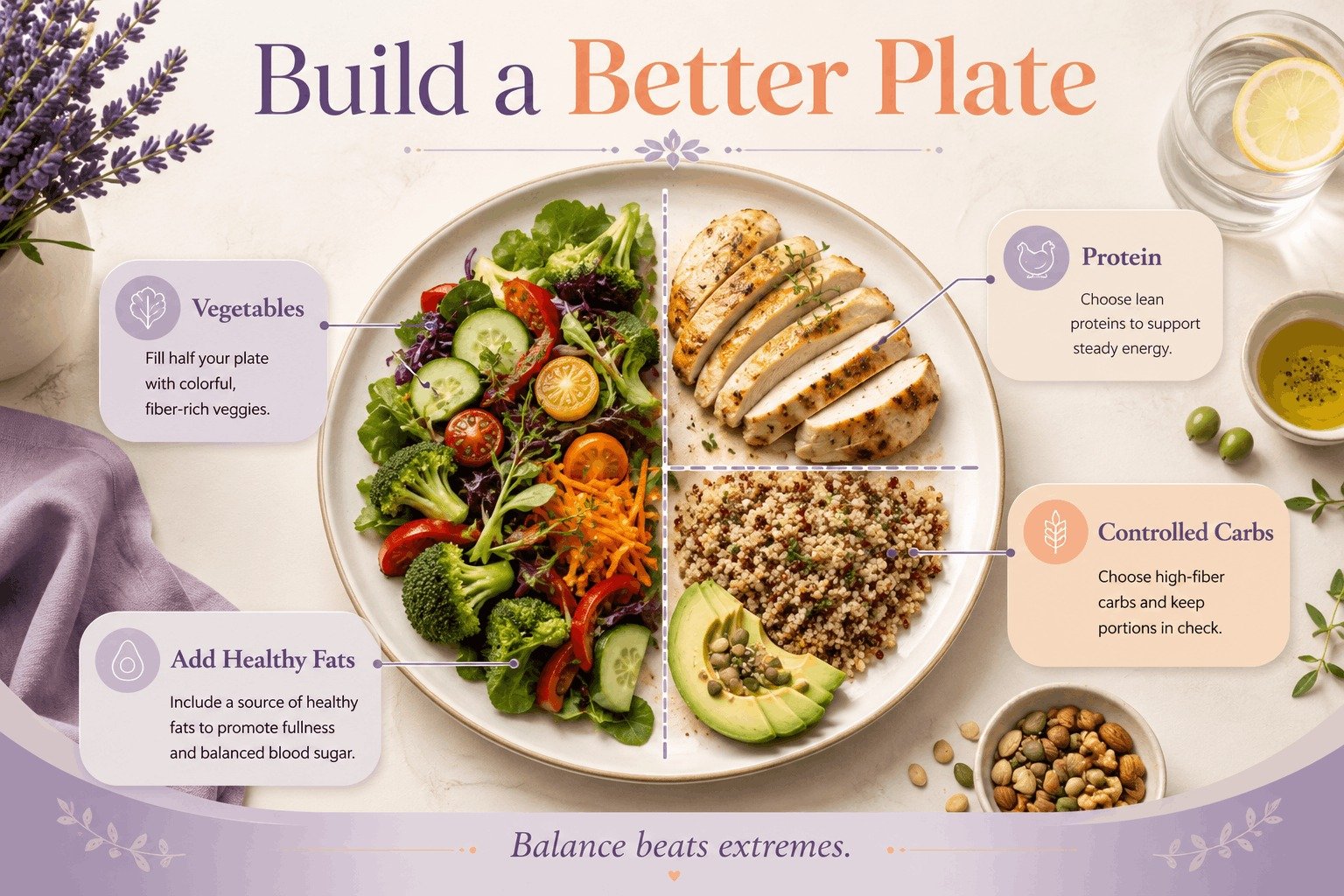
Adopt the Structured Plate Method: Visually audit your main meals. Ensure 50% of the plate is filled with fiber-rich vegetables or salad, 25% with dense protein, and no more than 25% with complex, controlled carbohydrates.
Sequence Your Macronutrient Intake: Change the order in which you eat. Consume your vegetables and protein first, leaving the carbohydrates for the end of the meal. This simple sequencing significantly blunts the subsequent glucose excursion.
- Utilize the Postprandial Walking Strategy: When you engage in light physical movement immediately after eating, your contracting skeletal muscles draw glucose directly out of the bloodstream. A simple 10-minute walk after your largest meal provides measurable benefits.
- Prioritize a Protein-Anchored Breakfast: Avoid starting your day with pure carbohydrates. A morning meal anchored by whole eggs, plain yogurt, or a high-quality protein shake sets a stable metabolic baseline for the remaining 24 hours.
Critical Medical Note
If you have been diagnosed with type 2 diabetes, prediabetes, or are currently taking prescribed glucose-lowering medications or insulin, you must consult your primary care physician before making substantial changes to your diet. Never alter or discontinue prescription medications independently.
6. Strategic Action Plan for Metabolic Stability
- Immediate Phase (Next 24 Hours): Swap out one sugar-sweetened drink or sweet tea for plain or sparkling water. Volumetrically reduce your standard portion of rice or bread by 25% to 50%, and commit to a strict 10-minute continuous walk immediately following dinner.
- Intermediate Phase (First Week): Replace morning processed carbs with a breakfast centered around whole eggs or plain Greek yogurt. Ensure a generous portion of non-starchy vegetables is present at both lunch and dinner.
- Long-Term Phase (First Month): Transition sugary drinks and processed desserts into occasional treats rather than daily habits. Introduce brief resistance or strength training sessions twice a week to build glucose-storing muscle.
7. Conclusion
Navigating life beyond age 40 requires an understanding that our daily nutritional choices impact the human body with far greater speed and consequence than before. A meal can no longer be evaluated merely on transient taste or immediate fullness; it dictates your systemic energy, mental performance, fat storage, and metabolic health for hours afterward.
The primary dietary elements that cause blood sugar spikes are rarely hidden or mysterious—they are the unexamined, everyday items consumed out of habit. The solution requires neither fear nor unsustainable deprivation, but rather strategic awareness and baseline discipline. Begin with a single, high-leverage change today: adjust one meal’s balance, replace one sugary drink, and commit to one short post-meal walk. True metabolic control is built upon these small, deliberate daily actions.
Helpful Resources
CDC: Healthy Eating for Diabetes