
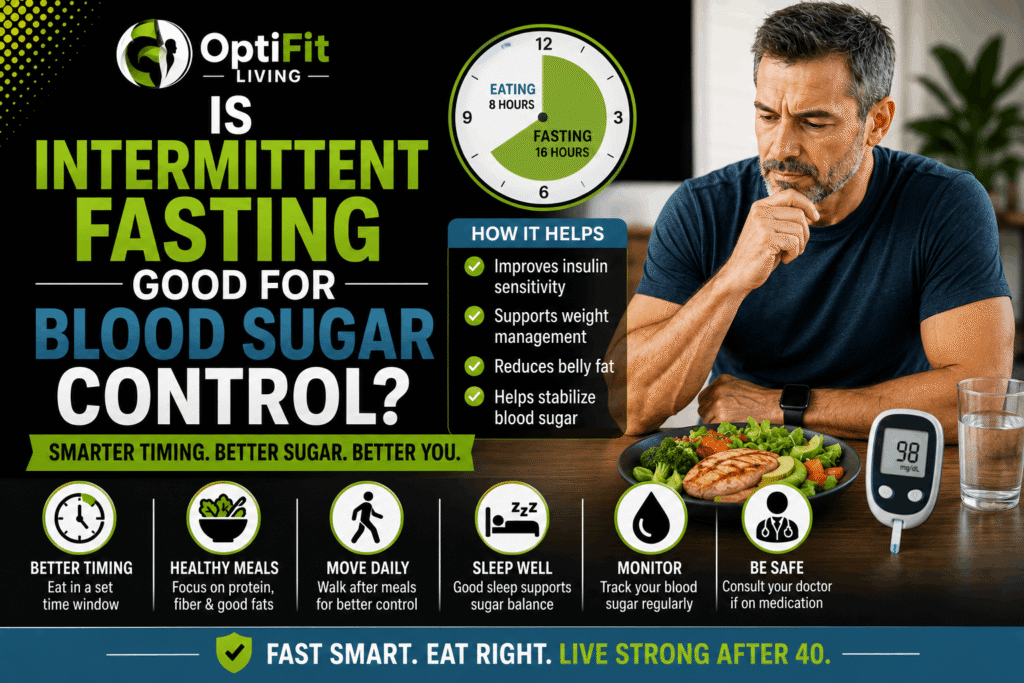
Skipping breakfast, delaying the first meal, or eating only during a fixed time window has become very common among men trying to lose belly fat and improve health. Many men over 40 hear about fasting from friends, social media, or fitness videos and start wondering the same thing: is intermittent fasting good for blood sugar control?
To fully answer that question, you first need to check a normal blood sugar levels chart by age to understand what numbers your body should actually be hitting.
It is a useful question because blood sugar, weight, energy, sleep, and daily routine are all connected. Some men feel better when they stop late-night snacking and create a clear eating window. Others feel weak, irritated, hungry, or may even see unstable sugar readings if they fast without planning. Knowing where your baseline stands on an age-appropriate chart makes your health transition much safer and more effective.
Intermittent fasting can help some people improve blood sugar habits, especially when it reduces overeating, late-night eating, belly fat, and constant snacking. But it is not right for everyone. It should be used carefully, especially if you already have diabetes, take medication, use insulin, have low sugar episodes, or have other medical concerns.
In this comprehensive guide, we will look at a detailed normal blood sugar levels chart by age, explore what intermittent fasting means, how it may affect blood sugar, why men over 40 should be careful, what benefits and risks to know, and how to start in a realistic way without turning fasting into another extreme diet trend.
Normal Blood Sugar Levels Chart By Age

Before you change when or how you eat, you must understand what healthy glucose looks like for your body. As men cross 40, metabolic changes, minor shifts in muscle mass, and insulin response can slightly alter how the body handles glucose.
Neeche diye gaye table mein adults aur khaas tor par men over 40 k liye standard healthy ranges di gayi hain:
| Age Group | Fasting Blood Sugar (mg/dL) | 2 Hours After a Meal (mg/dL) | Ideal HbA1c Level |
| Adults (Under 40) | 70–100 mg/dL | Less than 140 mg/dL | Below 5.7% |
| Adults (Age 40–50) | 70–100 mg/dL | Less than 140 mg/dL | Below 5.7% |
| Seniors (Age 50–60+) | 80–110 mg/dL | Less than 140–150 mg/dL | Below 6.0%–6.5% |
Critical Range Note: Fasting blood sugar numbers between 100 to 125 mg/dL fall into the prediabetes range. A fasting reading of 126 mg/dL or higher on two separate laboratory tests points to diabetes.
If your goal is to stay well within these target brackets, managing your eating windows through structured habits can be incredibly beneficial. Let’s dive deep into how fasting impacts this baseline.
What Is Intermittent Fasting?
Intermittent fasting is an eating pattern where you choose specific times to eat and specific times not to eat. It is not mainly about which foods you eat, but about when you eat.
That does not mean food quality is unimportant. In real life, fasting works best only when the meals inside the eating window are balanced and healthy. If a man fasts for 16 hours and then eats fried food, sweets, sugary drinks, and oversized dinner portions, keeping his body aligned with a healthy normal blood sugar levels chart by age baseline becomes nearly impossible.
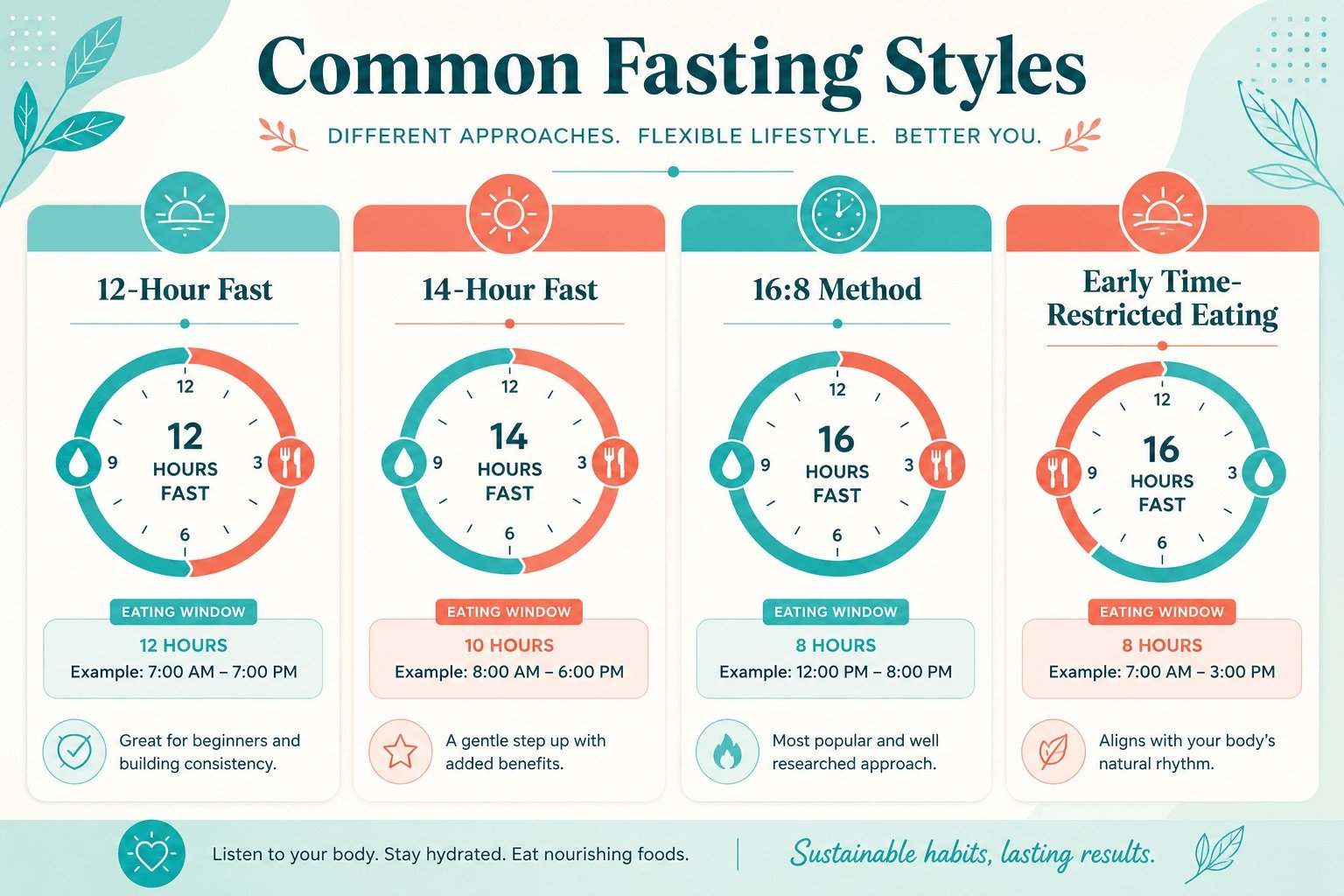
Common fasting styles include:
The 12-Hour Fast (Best for Beginners)
This is the simplest method. You eat during a 12-hour window and fast for 12 hours.
- The Schedule: Eat between 7 a.m. and 7 p.m., then avoid food until the next morning.
- Why it works: This is practical for beginners and safer for many men.
The 14-Hour Fast (The Intermediate Step)
This means fasting for 14 hours and eating during a 10-hour window.
- The Schedule: Eat between 8 a.m. and 6 p.m.
- Why it works: This may help reduce late-night snacking without feeling too extreme.
The 16:8 Method (The Popular Choice)
This means fasting for 16 hours and eating during an 8-hour window.
- The Schedule: Eat between 11 a.m. and 7 p.m.
- Why it works: This is popular, but it may not suit everyone, especially men with diabetes medication, heavy work schedules, or low blood sugar risk.
Early Time-Restricted Eating (The Metabolic Booster)
This means eating earlier in the day and stopping food earlier in the evening.
- The Schedule: Eat between 8 a.m. and 4 p.m. or 9 a.m. and 5 p.m.
- Why it works: For blood sugar and sleep, this may be better than eating late at night.
Why Blood Sugar Control Matters After 40
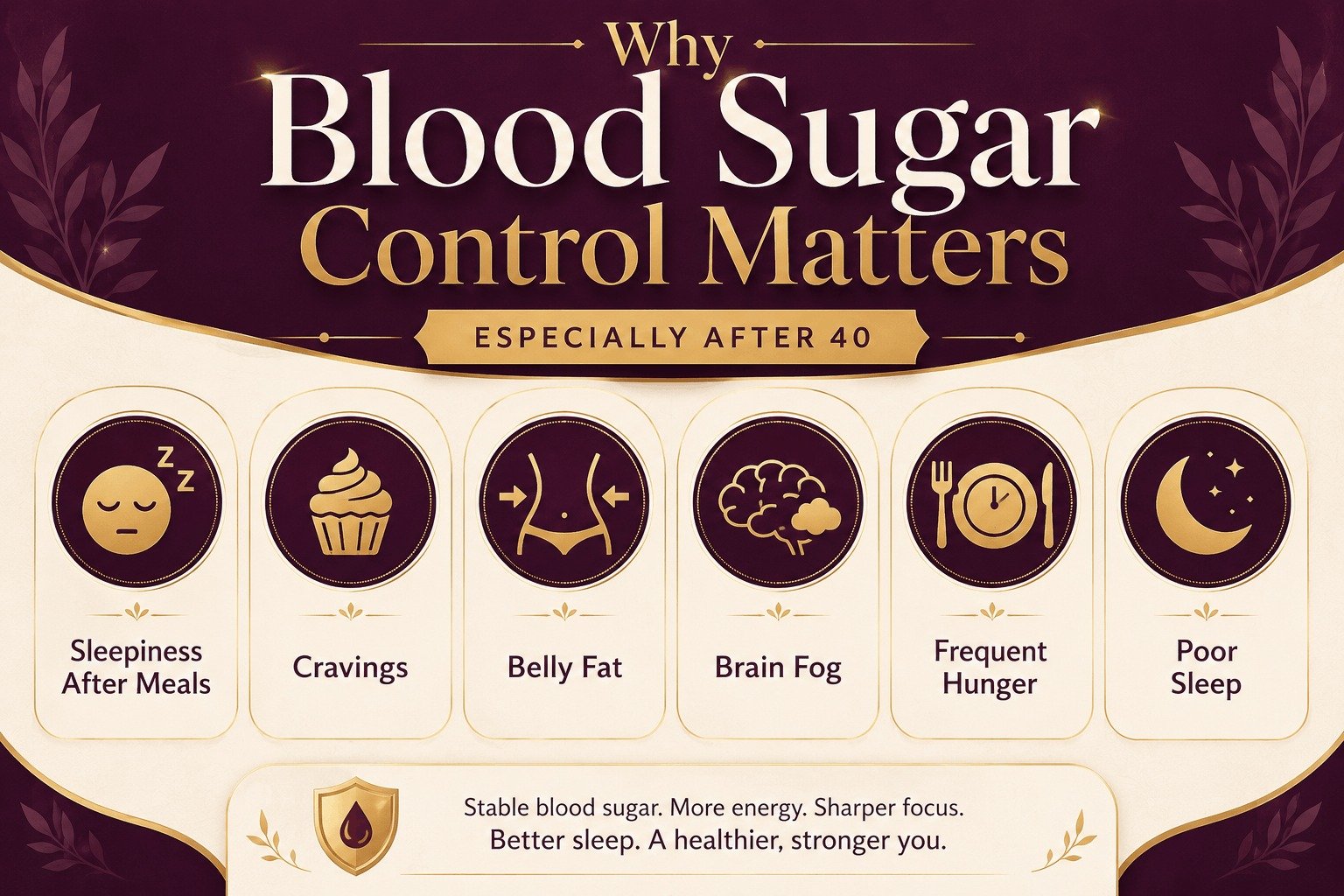
After 40, many men start noticing changes in energy and weight. Belly fat becomes easier to gain. Sleep may become lighter. Work stress increases. Movement decreases. Meals often become bigger at night. All these lifestyle shifts can throw off your readings from a standard normal blood sugar levels chart by age.
Blood sugar rises after eating, especially after meals with rice, bread, sweets, fruit juice, sugary drinks, or large portions of refined carbs. Insulin helps move sugar from the blood into the cells. When the body becomes less sensitive to insulin, blood sugar may stay higher for longer.
Warning Signs of Poor Insulin Response
For men over 40, poor blood sugar control may show up as a series of daily frustrations:
- Energy Drops: Extreme sleepiness after meals and deep tiredness after lunch.
- Physical Changes: Rapid belly fat gain and difficulty losing weight.
- Mental & Sleep Issues: Stubborn brain fog, poor sleep quality, and frequent hunger.
- Cravings: Constant, intense cravings for sweets or simple carbohydrates.
This is why meal timing matters. If a man eats all day from morning to late night, snacks constantly, and sleeps soon after a heavy dinner, his body may not get enough time to settle. Intermittent fasting may help by creating structure. But structure only works when it is realistic and safe.
Is Intermittent Fasting Good for Blood Sugar Control?
Intermittent fasting may be good for blood sugar control for some men, but it depends on how it is done and whether it keeps your numbers aligned with the targets on a normal blood sugar levels chart by age.
The Bright Side: When Fasting Helps
- Fewer late-night snacks: Cuts out mindless eating in front of the TV.
- Smaller total food intake: Naturally restricts the time you have to consume calories.
- Weight loss: Helps reduce stubborn visceral fat around the organs.
- Better meal timing: Aligns your eating patterns with your natural circadian rhythm.
- Improved insulin sensitivity: Gives your pancreas a break from constant insulin production.
The Dark Side: When Fasting Backfires
- Overeating during the eating window: Binging because you feel starved.
- Skipping protein: Losing valuable muscle mass instead of fat.
- Low blood sugar spikes: Dangerous drops if mixed with high-dose medications.
- Binge eating habits: Developing an unhealthy relationship with food portions.
- Extreme fatigue: Feeling too weak to manage a regular workday or workout.
The Bottom Line: The answer is not simply yes or no. A better answer is this: intermittent fasting can support blood sugar control when it is used as part of a balanced lifestyle, but it should not be treated as a cure or a replacement for medical care.
How Intermittent Fasting May Help Blood Sugar
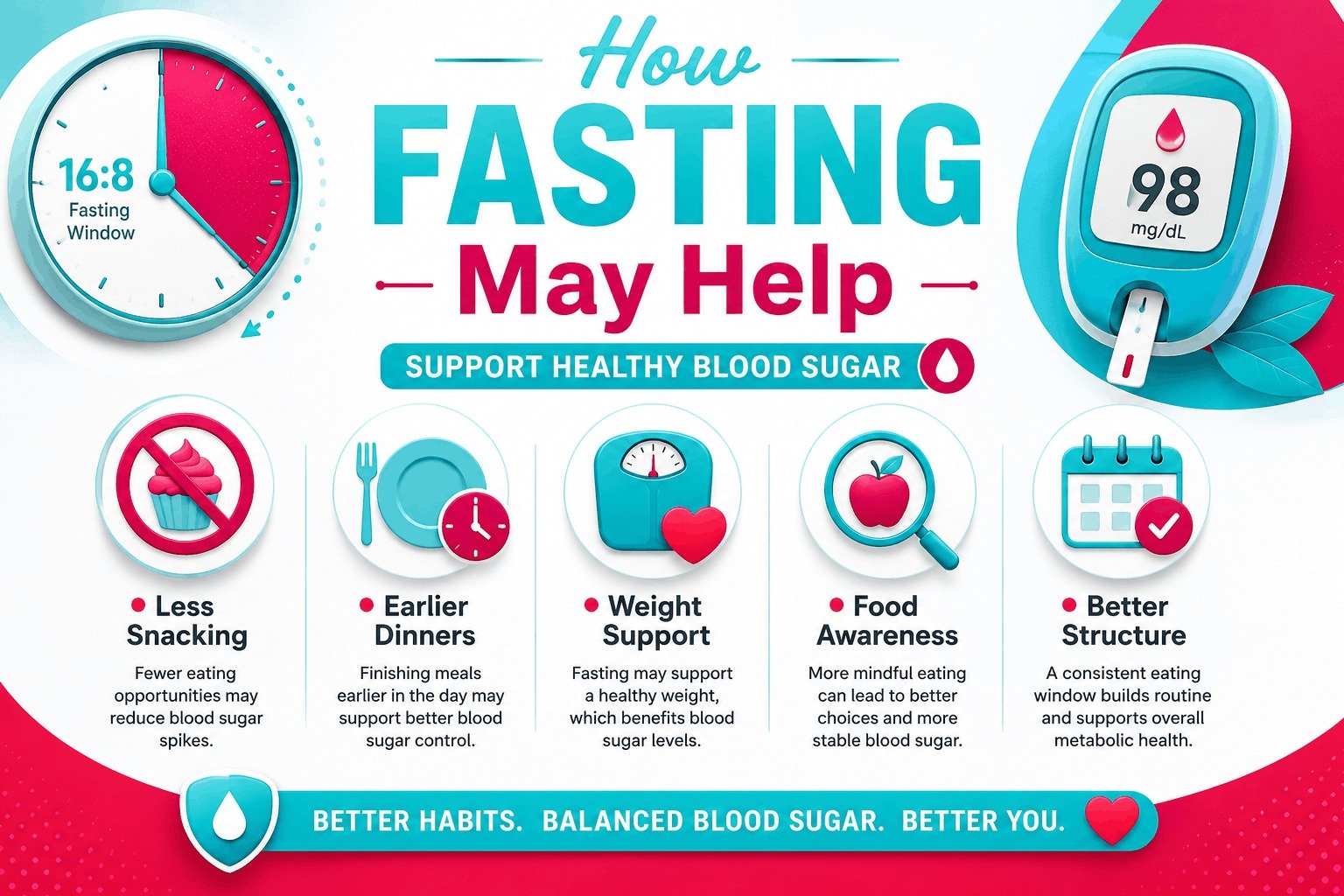
Intermittent fasting may help blood sugar in several practical ways.
It Can Reduce Constant Snacking
Many men do not realize how often they eat. Tea with biscuits, snacks at the desk, sweets after dinner, late-night food, and sugary drinks can keep blood sugar moving up and down all day. A fasting window may reduce this constant eating pattern.
It Can Help Reduce Late-Night Eating
Late-night eating is a major problem for many men over 40. Dinner is often heavy, and snacks continue afterward. This can affect sleep, belly fat, and morning energy. Stopping food earlier in the evening may help some men feel lighter and sleep better.
It Can Support Weight Loss
When fasting reduces total calories naturally, weight loss may happen. Losing belly fat can support a better, more stable reading on your normal blood sugar levels chart by age tracking sheet over time.
It Can Improve Food Awareness
Fasting can make a man more aware of what he eats, when he eats, and why he eats. This awareness is valuable. Personally, I believe awareness is the first step. Many men do not need an extreme diet first. They need to understand their daily eating pattern.
How Intermittent Fasting Can Go Wrong
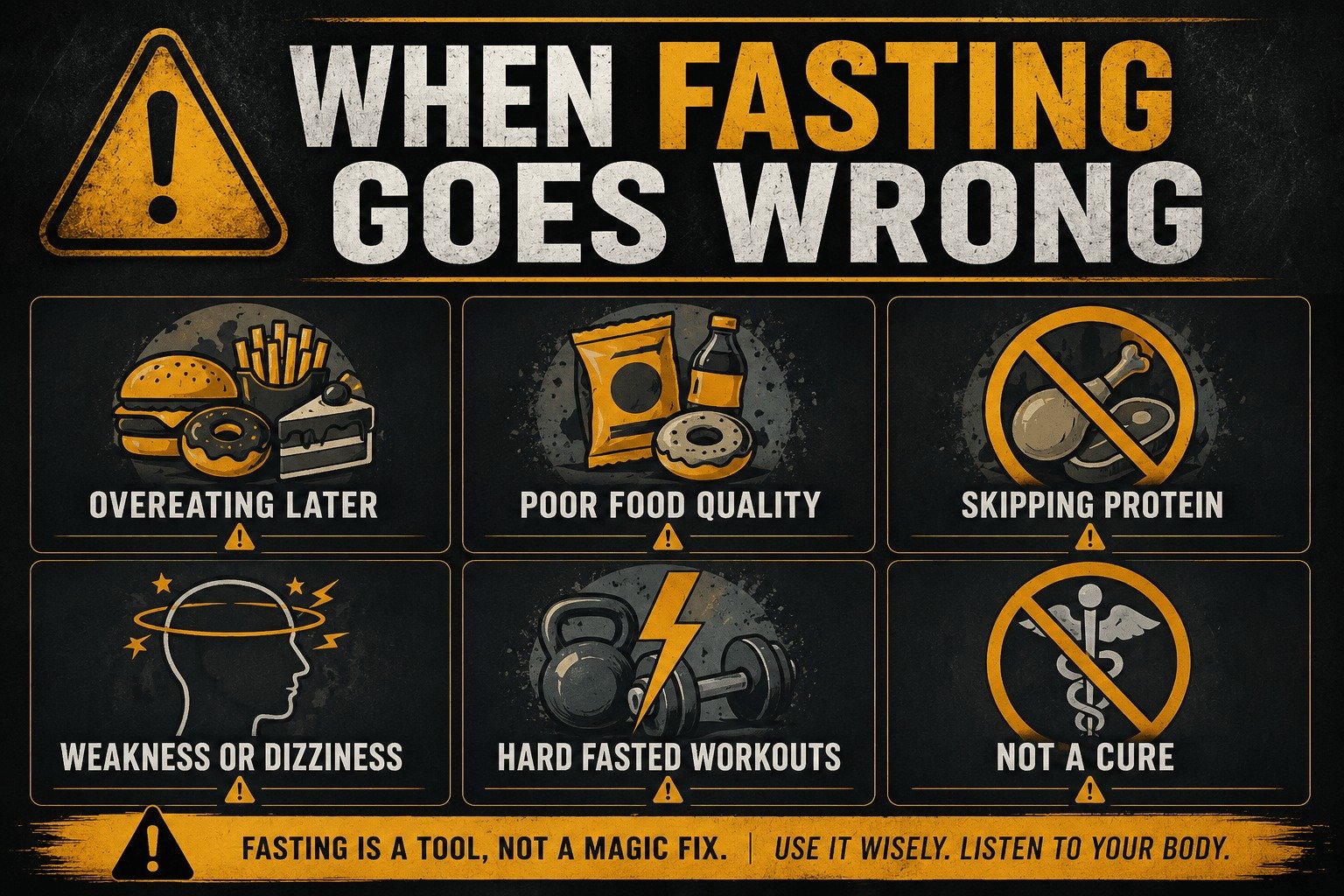
Intermittent fasting can also backfire if it disrupts your numbers away from a healthy normal blood sugar levels chart by age range.
- Eating Too Much During the Eating Window: Some men fast all day and then eat too much at night. This can create large blood sugar spikes and poor sleep.
- Choosing Poor Food Quality: Fasting does not cancel poor food choices. Fried food, sweets, sugary drinks, and large portions can still affect blood sugar negatively.
- Ignoring Protein: If meals are low in protein, muscle maintenance may suffer. Men over 40 need protein to support strength, recovery, and healthy aging.
- Feeling Weak or Dizzy: Some men do not tolerate long fasting well, especially if they have diabetes, take medication, or have a physically demanding day.
- Exercising Too Hard While Fasted: Hard workouts while fasting may cause weakness, dizziness, or poor performance for some men.
- Treating Fasting Like a Cure: Fasting is only one tool. It does not replace walking, strength training, sleep, stress control, balanced meals, or medical advice.
Who May Benefit From Intermittent Fasting?
Intermittent fasting may help men who:
- Snack late at night or eat from morning to midnight.
- Struggle with expanding belly fat.
- Drink sugary tea or eat sweet snacks often during office hours.
- Eat out of boredom rather than true biological hunger.
- Want a simple, rules-based structure without counting every calorie.
- Do not have a high risk of sudden low blood sugar episodes.
- Are not on medication that requires precise, timed food intake.
For these men, a gentle fasting routine may reduce mindless eating and make tracking their targets on a standard normal blood sugar levels chart by age much easier.
Who Should Be Careful or Avoid It?
Some people should be very careful with fasting or avoid it unless guided by a qualified doctor. This includes men who:
- Have diabetes and take insulin or specific oral medications.
- Take medication that can lower blood sugar rapidly.
- Have frequent, unexplained low sugar episodes.
- Have chronic kidney disease or a history of heart issues.
- Feel dizzy, shaky, or weak when meals are delayed by even an hour.
- Have a history of disordered eating or are currently underweight.
- Do physically demanding labor or heavy outdoor work in high heat.
If you already monitor blood sugar, fasting should be done carefully. Do not change medication or meal timing without proper guidance.
Warning Signs Fasting May Not Suit You
Stop and seek advice immediately if fasting causes your numbers to dive below the safe values shown on a standard normal blood sugar levels chart by age:
- Physical Shocks: Sudden dizziness, visible shaking, or cold sweating.
- Mental Status Shifts: Confusion, extreme irritability, or sudden blurry vision.
- Systemic Failure: Severe weakness, a racing heart, or a heavy headache that doesn’t clear.
- Behavioral Red Flags: Binge-eating episodes during the window or completely ruined sleep.
Safety Cutoff: Any blood sugar reading that drops below 70 mg/dL requires immediate attention. A good lifestyle habit should make you healthier, not miserable.
Best Fasting Approach for Men Over 40
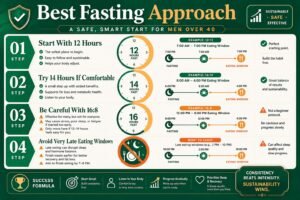
A realistic approach is better than a perfect plan that cannot be followed. For many men over 40, the best starting point to reach ideal targets on a normal blood sugar levels chart by age is not 16:8. It is simply stopping late-night eating.
[7:30 AM: Balanced Breakfast] —> [Standard Eating Window] —> [7:30 PM: Light Dinner] —> [12-Hour Fasting Window]
Step 1: Start With a 12-Hour Fast
- The Routine: Finish dinner by 7:30 p.m. and eat breakfast around 7:30 a.m.
- The Benefit: This gives the body a clean overnight break without putting your morning energy at risk.
Step 2: Move to 14 Hours Only If Comfortable
- The Routine: Finish dinner by 7 p.m. and eat breakfast at 9 a.m.
- The Benefit: This works exceptionally well for office workers who don’t feel intensely hungry right after waking up.
Step 3: Be Highly Cautious With 16:8
- The Routine: Skipping breakfast entirely and eating between 11 a.m. and 7 p.m.
- The Risk: It can lead to massive overeating at night. Avoid very late windows (like 2 p.m. to 10 p.m.) because heavy nighttime eating ruins sleep quality.
What to Eat During the Eating Window

Food quality matters. Fasting is not permission to eat anything. A better eating window should include choices that keep your daily trajectory smoothly inside a normal blood sugar levels chart by age safety zone.
Build Your Plate With These Basics:
- Premium Protein: Eggs, chicken breast, wild fish, lean meat, Greek yogurt, lentils, and fresh cottage cheese. Protein stabilizes the insulin response.
- High Fiber: Green vegetables, oats, lentils, kidney beans, chia seeds, and whole grains. Fiber slows down glucose absorption.
- Healthy Fats: Raw nuts, pumpkin seeds, extra virgin olive oil, and avocados.
The “Do Not Touch” List:
- Sugary commercial drinks or heavily sweetened tea with biscuits.
- Massive portions of white rice or white bread eaten alone.
- Sweets after dinner, fried snacks, processed food, and late-night commercial desserts.
Deep Dive: If you want to understand food choices better, our guide on Foods That Cause Blood Sugar Spikes can help you identify the items that commonly disturb energy and sugar control.
Intermittent Fasting and Belly Fat
Many men try fasting mainly for belly fat. Fasting can help belly fat if it reduces total calories and improves food discipline. But fasting alone does not guarantee fat loss.
The True Drivers of Visceral Fat Loss:
- Total daily caloric intake and overall food quality.
- Consistent protein intake to prevent muscle wasting.
- Deep sleep quality and proper stress management.
- Daily physical activity (like tracking your steps) and baseline strength training.
- Eliminating alcohol or liquid sugar options.
A man may fast daily and still gain belly fat if he overeats during the eating window. The goal is not simply to fast longer. The goal is to eat better, move more, sleep well, and reduce waist size slowly so that his systemic metabolism matches a healthy normal blood sugar levels chart by age model.
Intermittent Fasting and Exercise
Exercise is important for blood sugar control, whether you fast or not. Walking and strength training help muscles use glucose and support better insulin sensitivity. For men over 40, this matters because muscle naturally becomes harder to maintain with age.
If you fast, keep exercise practical.
Optimal Exercise Choices:
- Daily Base: Brisk walking or light cycling.
- Muscle Protection: Simple strength training or bodyweight resistance work.
- Glucose Clearers: A 10-to-15 minute light walk immediately after your largest meal.
When to Exercise
Some men like walking before the first meal. Others feel better exercising after eating. Both can work. For strength training, many men perform better after eating a protein-rich meal.
If you are managing blood sugar, exercise timing should be safe and comfortable. For a practical exercise plan, read our guide on Best Exercises for Prediabetes and Diabetes and choose the movements that fit your current fitness level.
Intermittent Fasting and Sleep
Sleep is often ignored, but it is central to matching a healthy normal blood sugar levels chart by age profile. If fasting helps you stop late-night eating, your sleep may improve. But if fasting makes you hungry, restless, or stressed at night, it may hurt sleep.
Essential Bedtime Rules:
- Finish your final meal at least 2.5 to 3 hours before hitting the bed.
- Avoid heavy, greasy, or spicy meals close to sleep hours.
- Reduce blue screen exposure at least 45 minutes before sleeping.
- Keep all caffeine consumption restricted to the morning hours.
A fasting routine should support sleep, not disturb it.
Real-World Case Studies
Case 1: The Late-Night Snacker
- The Profile: A man eats dinner at 8 p.m. and then snacks on chips or biscuits until midnight. His morning energy is poor and fasting sugar is creeping up.
- The Action Plan: Stop food entirely after dinner. Walk 10 minutes post-dinner. Swap snacks for plain water. Start with a strict 12-hour overnight fast.
Case 2: The Busy Office Worker
- The Profile: He skips breakfast, drinks sweet tea at his desk, eats a huge lunch, and then overeats heavily at night due to exhaustion.
- The Action Plan: Stop calling random meal skipping “fasting”. Plan two distinct, balanced meals with high protein. Cut out desk tea and walk for 10 minutes after lunch.
Case 3: The Man With Prediabetes
- The Profile: A 46-year-old man wants to try fasting to lower his morning readings and stabilize his placement on a normal blood sugar levels chart by age.
- The Action Plan: Start with a standard 12-hour overnight fast. Avoid heavy carbohydrate dinners. Incorporate a 20-minute daily walk and twice-weekly basic strength training.
Case 4: The Man Taking Diabetes Medication
- The Profile: He wants to jump straight into a 16-hour fast while taking prescribed glucose-lowering drugs.
- The Action Plan: Stop and consult a physician first. Understand his specific low-sugar window risks. Never make sudden changes to medication timing without laboratory monitoring.
Common Mistakes to Eradicate
- Looking for Quick Fixes: Fasting won’t fix blood sugar if your eating window is filled with fast food and sugary sodas.
- Jumping Into the Deep End: Moving from zero fasting straight to a 16-hour window causes severe fatigue and immediate failure.
- Blindly Following Trends: What works for a 20-year-old fitness influencer can be metabolically dangerous for a 45-year-old corporate professional.
- Neglecting Inconsistency: Fasting perfectly for two days and then binging for three days creates massive insulin chaos.
- Skipping the Tracking Process: If you don’t track your waist size, morning energy, and actual blood sugar metrics, you are just guessing.
Medical Safety Advice
Intermittent fasting can affect blood sugar, energy, medication timing, and exercise performance. Speak to a qualified doctor before trying fasting if you have diabetes, take insulin, use blood sugar medication, have heart disease, kidney disease, frequent dizziness, very low sugar episodes, or any serious medical condition.
Do not stop or change medicine on your own. Do not use fasting to replace medical care. If you feel shaky, confused, sweaty, very weak, dizzy, or unwell, stop fasting and seek proper advice to return your metrics safely back to the baseline of a standard normal blood sugar levels chart by age guide.
Simple Action Plan to Start
Today
- Stop eating 2–3 hours before bed.
- Drink water instead of a sugary drink.
- Take a 10-minute walk after dinner.
- Avoid late-night sweets or snacks.
This Week
- Try a simple 12-hour overnight fast.
- Eat protein with your first meal.
- Avoid sugary drinks during the eating window.
- Keep dinner lighter.
- Walk after your largest meal.
This Month
- If 12 hours feels easy, try 13–14 hours.
- Strength train twice weekly.
- Keep protein and fiber in meals.
- Reduce belly fat slowly through better portions.
- Track waist size and blood sugar readings if advised.
Expected Benefits You May Notice
If intermittent fasting suits your unique biology and is executed properly, you can expect:
- An immediate end to late-night mindless eating habits.
- Significantly higher and more predictable morning energy levels.
- A steady reduction in intense midday sugar cravings.
- Slow, sustainable loss of visceral belly fat over time.
- Better cognitive clarity and fewer afternoon brain fog episodes.
FAQ: Normal Blood Sugar Levels Chart By Age
- What is a normal blood sugar level for a 45-year-old man?
For a healthy adult over 40, a normal fasting blood sugar level is between 70 to 100 mg/dL. Two hours after a meal, it should ideally be under 140 mg/dL.
- Is intermittent fasting good for managing blood sugar levels chart by age targets?
Yes, it can help stabilize numbers by reducing constant snacking and losing belly fat. However, if you are on diabetes medication, fasting can cause dangerously low blood sugar levels.
- What are the symptoms of blood sugar dropping below normal chart levels?
If your blood sugar drops below 70 mg/dL, you may experience shaking, sweating, dizziness, confusion, headaches, or blurry vision. If this happens, stop fasting and consume a quick source of sugar.
- Can I look at a normal blood sugar levels chart by age to diagnose diabetes?
A chart gives you standard reference ranges, but an official diagnosis requires a proper blood test (like fasting glucose or HbA1c) done by a certified laboratory and checked by a medical professional.
- Should men over 40 skip breakfast while fasting?
Not always. Some men feel fine skipping breakfast, while others experience high stress or overeat at lunch. A protein-rich breakfast is often better for men balancing a hectic work schedule.
Conclusion
In real life, intermittent fasting works best when it brings order to eating, not when it becomes another extreme rule. For men over 40, the real win is not just a longer fasting window. It is fewer late-night snacks, better meals, smaller portions, more walking, better sleep, and steady discipline to keep your tracking data aligned with a healthy normal blood sugar levels chart by age reference guide.
Start with the basics. Stop eating late. Walk after dinner. Try a 12-hour overnight fast. Eat protein and fiber when you break the fast. Track how your body responds. A strong health routine after 40 is built through awareness, consistency, and small choices repeated every day.

Very well written article with helpful information. I appreciate the simple explanations and useful details. Thank you for sharing valuable health insights with readers online.