One thing I have observed in men over 40 is that weight gain often does not come from one big meal. It usually comes from slightly larger portions repeated every day. A little extra rice, one more piece of bread, a bigger dinner plate, extra snacks at night, sweet drinks, and weekend overeating slowly become part of the routine.
Many men think they need a strict diet to lose weight. They imagine removing all favorite foods, skipping dinner, eating only salads, or following a complicated plan. In real life, this approach often fails because it feels too hard to continue with work, family, social meals, and daily responsibilities.
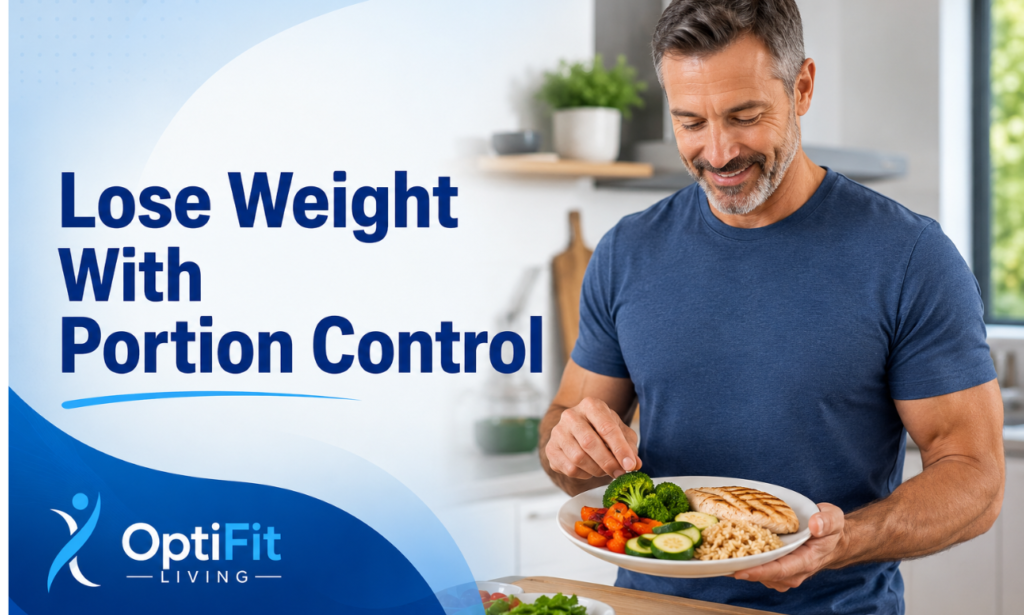
A more realistic way is to lose weight with portion control. Portion control does not mean starving. It means learning how much food your body needs, how to build a balanced plate, and how to stop eating before the meal becomes too heavy.
For men over 40, this matters because the body usually becomes less forgiving. Belly fat increases more easily, muscle may reduce, energy may drop, and blood sugar may become less stable. The good news is that small portion changes can make a meaningful difference when repeated consistently.
In this guide, you will learn what portion control means, why it works, why it becomes important after 40, common portion mistakes, practical plate methods, and a simple action plan to start without crash dieting.
What Does It Mean to Control Portions?
Portion control means managing the amount of food you eat at one time. It does not mean removing all carbohydrates, avoiding every enjoyable food, or eating tiny meals that leave you hungry. It simply means eating the right amount for your body, activity level, and health goal.
A portion is the amount of food you choose to eat. A serving is a measured amount often shown on food labels. Many people confuse the two. For example, one serving may be one cup, but your portion may be two or three cups without noticing. This difference matters because weight gain often happens when portions are larger than the body needs.
Portion Control Is Not Starvation
A common mistake is thinking portion control means eating less of everything. That is not true. Good portion control means:
- Enough protein to stay full
- Enough vegetables for fiber and volume
- Controlled carbohydrates for energy
- Healthy fats in small amounts
- Less sugar and fried food
- Fewer oversized dinner portions
- Better awareness during meals
The goal is not to feel weak. The goal is to feel satisfied without overeating.
Why Portion Control Works
Weight loss happens when your body uses more energy than you eat over time. Portion control helps because it reduces extra calories without making the diet feel extreme.
For example, a man may not need to change every food. He may simply need to reduce oversized portions of rice, bread, fried snacks, sweets, oils, and sugary drinks. This is why portion control can be easier than crash dieting. It works with real life.
Why Portion Control Matters More After 40
After 40, many men notice that weight does not come off as easily as before. The same food routine that worked earlier may now lead to belly fat, tiredness, and heavier digestion. This does not mean the body is broken. It means the body needs better structure.
Muscle Mass May Reduce
Muscle helps the body use energy. When muscle reduces with age or inactivity, the body may burn fewer calories during the day. If food portions stay the same but activity and muscle decrease, weight gain becomes easier.
This is why portion control should be combined with movement and strength training. Eating less without protecting muscle is not the best approach after 40.
Belly Fat Becomes Easier to Gain
Belly fat after 40 is common because of long sitting hours, stress, sleep problems, larger dinners, and reduced activity. Portion control helps because it reduces the daily overload that often shows around the waist.
Many men do not overeat all day. They overeat at specific times: dinner, tea breaks, late-night snacks, weekends, or social meals. Finding those moments is the first step.
Blood Sugar and Energy Can Be Affected
Large meals, especially meals high in refined carbohydrates, can make some men feel sleepy, heavy, or hungry again later. Smaller balanced portions can support steadier energy. This is not only about weight. It is about how you feel after eating.
The Simple Plate Method for Portion Control
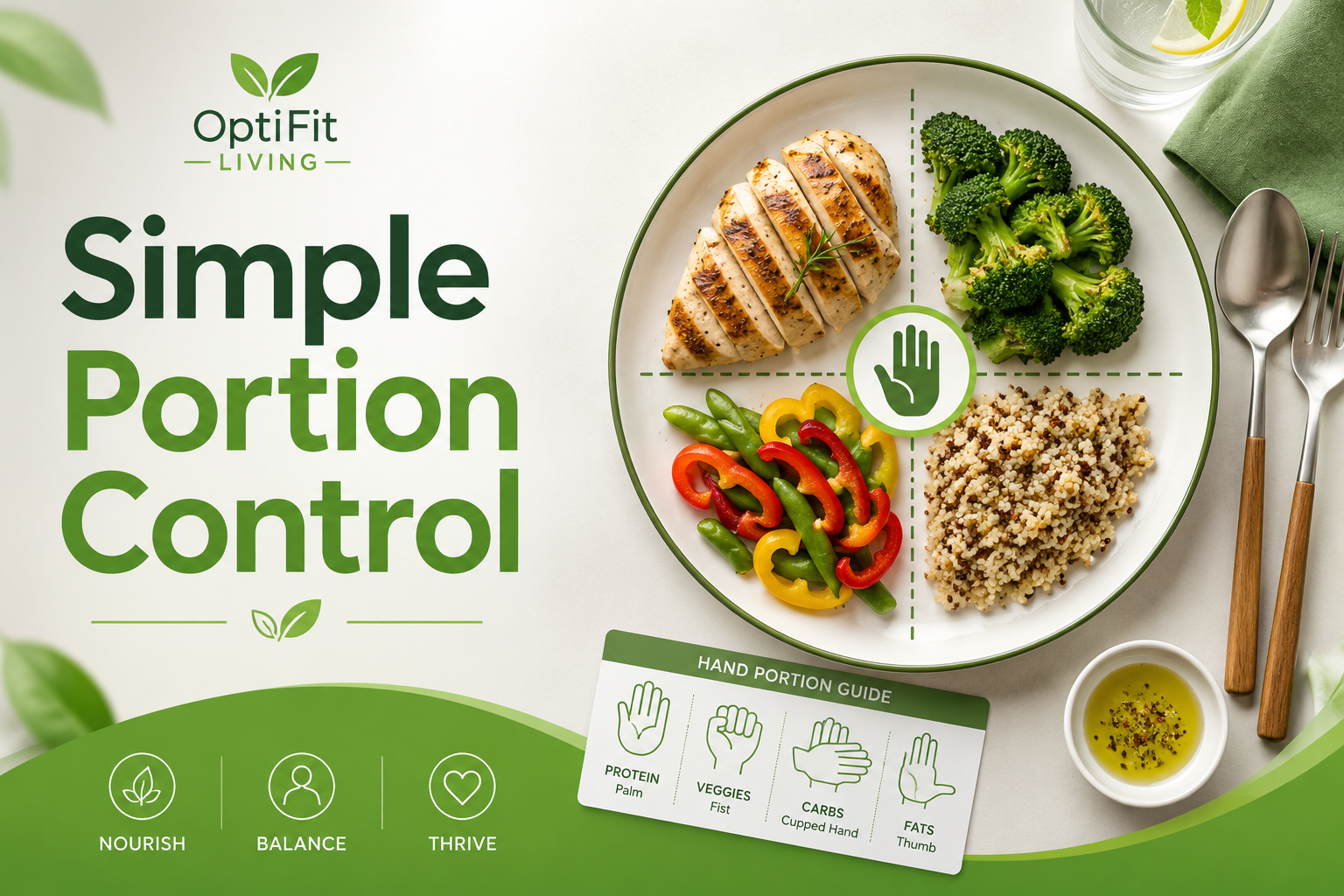
The plate method is one of the easiest ways to control portions without counting every calorie. Use a normal-sized plate and divide it visually.
1. Half Plate: Vegetables or Salad
Vegetables add volume, fiber, and nutrients. They help you feel full without making the meal too heavy. Good choices include:
- Salad, Cooked vegetables, Broccoli, Cabbage, Spinach, Cucumber, Carrots, Tomatoes, Mixed vegetables, or Vegetable soup.
Try to fill half your plate with vegetables when possible.
2. One Quarter Plate: Protein
Protein helps control hunger and supports muscle. This is very important for men over 40. Good protein options include:
- Eggs, Chicken, Fish, Lean meat, Lentils, Beans, Yogurt, Cottage cheese, or Chickpeas.
Protein should not be missing from main meals. A meal that is mostly rice, bread, or snacks may not keep you full for long.
3. One Quarter Plate: Carbohydrates
Carbohydrates are not the enemy. The issue is often portion size and quality. Better carbohydrate choices include:
- Small rice portion, Whole wheat roti, Oats, Potatoes in controlled quantity, Beans, Lentils, Whole grains, or Fruit in reasonable portions.
If your goal is weight loss, avoid filling half the plate with rice or bread and then adding more on the side.
4. Small Amount: Healthy Fats
Fats are important, but they are calorie-dense. A small amount is enough. Examples include:
- Olive oil, Nuts, Seeds, Avocado, Natural peanut butter, or Fish.
The mistake is not eating fat. The mistake is using too much oil, fried food, creamy sauces, or large handfuls of nuts without tracking.
Hand Portion Guide for Men Over 40
If you do not want to measure food with cups or scales, use your hand as a simple guide.
- Protein Portion: A palm-sized portion of protein is a good starting point for many meals.
- Carbohydrate Portion: A fist-sized portion of carbohydrates can be a practical guide (e.g., one fist of rice, one medium potato, or one/two small rotis).
- Fat Portion: Use a thumb-sized portion for fats like oils, butter, nut butter, or dressings.
- Vegetable Portion: Use two fists or more for non-starchy vegetables to help fill the plate.
Common Foods That Quietly Increase Portions
Many men think they are eating normally, but some foods quietly increase total intake.
- Rice and Bread: These are common in daily meals. A practical step is to reduce the portion slightly instead of removing it completely.
- Fried Snacks: Samosas, pakoras, chips, and fried rolls are easy to overeat. Try reducing their frequency first.
- Sweet Tea and Sugary Drinks: Liquid calories are easy to ignore. Gradually reduce sugar in your tea or coffee instead of making a sudden change.
- Nuts and Healthy Snacks: The label “healthy” does not mean unlimited. Oversized portions of nuts or smoothies can slow weight loss.
- Restaurant Meals: Restaurant portions are often larger. A simple trick is to eat slowly, stop when comfortable, and avoid finishing everything just because it is on the plate.
Practical Portion Control Habits That Work
Portion control becomes easier when you build small habits around it:
- Use a Smaller Plate: A medium plate helps you serve a better amount without feeling deprived.
- Serve Once, Then Pause: Serve your meal once, eat slowly, and pause for 10 minutes before deciding if you truly need more.
- Eat Slowly: Put the spoon or fork down between bites. Chew properly and do not rush.
- Start With Protein and Vegetables: This helps build fullness naturally before you move to carbs.
- Avoid Eating Directly From Packets: Take a small portion in a bowl and close the packet.
- Drink Water Before Meals: Sometimes thirst feels like hunger.
Portion Control and Walking Work Well Together
Portion control helps reduce extra intake. Walking helps increase daily movement. Together, they are simple and powerful for men over 40. You do not need extreme workouts to start. A daily walk can help digestion, mood, energy, and consistency.
For a practical walking plan, you can also read our guide on best walking routine for men over 40 to lose belly fat naturally.
- Walk After Bigger Meals: A short 10-minute walk after lunch or dinner can help you feel lighter and active.
- Use Walking to Control Evening Cravings: A short evening walk can shift the mind and reduce boredom eating.
Portion Control Without Feeling Hungry
The biggest fear is hunger, but portion control should not leave you weak or irritated.
- Add More Protein: Protein helps meals last longer.
- Add Fiber: Increase fiber from vegetables, fruits, and whole grains gradually.
- Do Not Cut Too Aggressively: Reduce rice or bread by one-third instead of removing it completely.
- Keep Planned Snacks: Options like yogurt, boiled eggs, or a small handful of nuts help prevent uncontrolled hunger.
Portion Control at Dinner
Dinner is often the most important meal to fix. Many men eat lightly during the day and heavily at night, followed by immediate sitting or sleeping.
- Keep dinner lighter than lunch (more vegetables, good protein, smaller carb portion).
- Avoid second helpings automatically. Ask yourself if you are truly hungry.
- Reduce late-night eating by improving your dinner quality.
Portion Control, Sleep, and Stress
Weight loss is harder when sleep is poor and stress is high. A tired man often wants more sugar, bigger portions, and quick comfort food. If sleep is part of your problem, this guide on how sleep affects diabetes and sugar levels may also help.
- Poor Sleep Increases Cravings: Improving bedtime and reducing late-night screen time makes portion control much easier.
- Stress Eating Is Real: Build alternative stress outlets like walking, slow breathing, or stretching instead of reaching for snacks.
Common Mistakes People Make
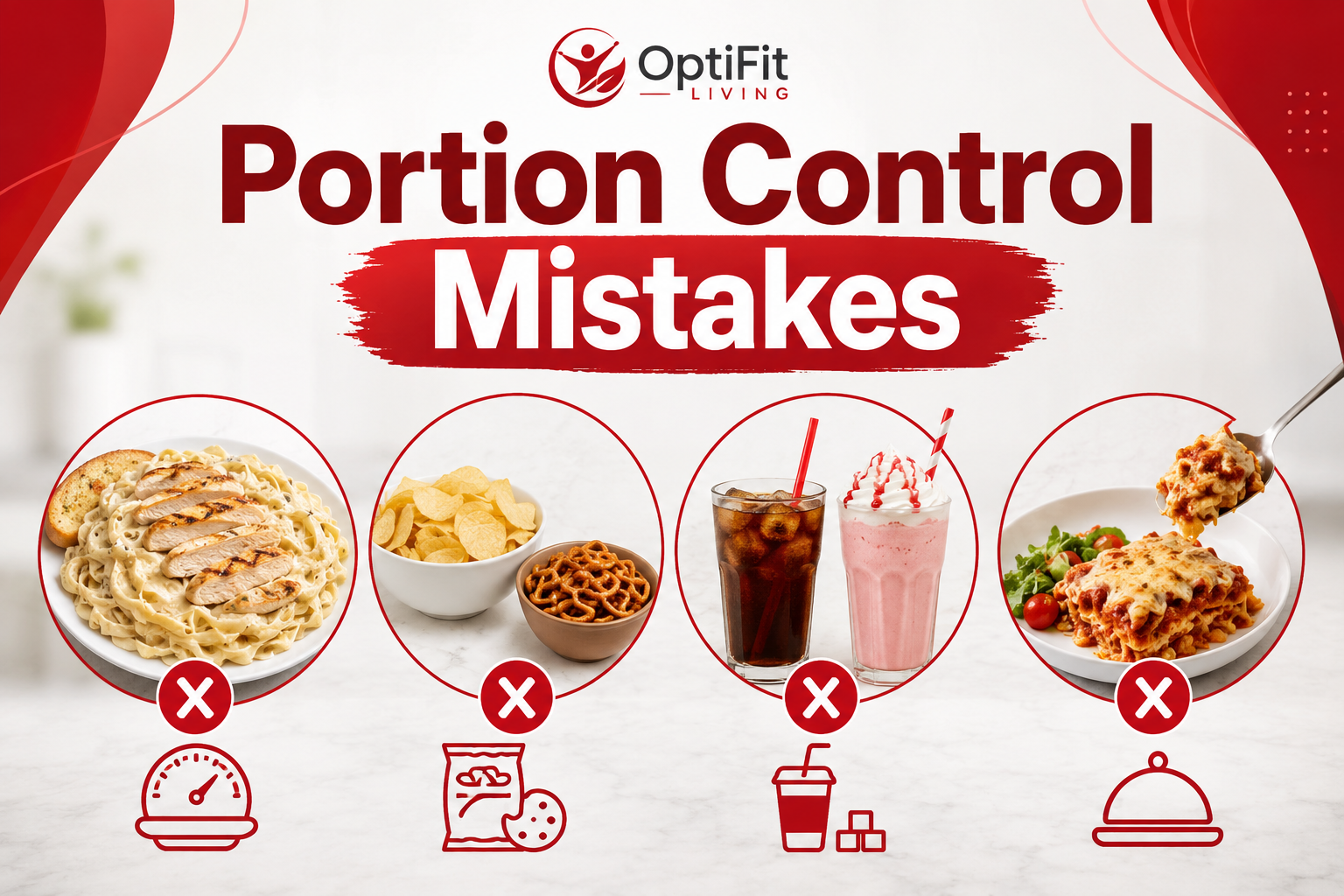
- Looking for Quick Fixes: Focus on small portions, balanced meals, and consistency instead of magical solutions.
- Doing Too Much Too Soon: Reduce portions gradually, especially at dinner and snacks, to avoid weakness.
- Following Social Media Trends Blindly: Choose simple habits that fit your actual life.
- Ignoring Sleep and Recovery: Poor sleep makes hunger and cravings harder to control.
- Being Inconsistent: Aim for consistency across most meals, not perfection.
- Depending Only on Supplements: Fix the daily routine first.
- Ignoring Diet Quality: Always include protein, vegetables, fiber, and water.
- Not Tracking Progress: Track waist, weight, meals, and energy once or twice a week.
- Giving Up Too Early: Review progress over 4 to 8 weeks, not 4 days.
- Waiting Until the Problem Becomes Serious: Start early with simple portion changes
Simple Action Plan to Start
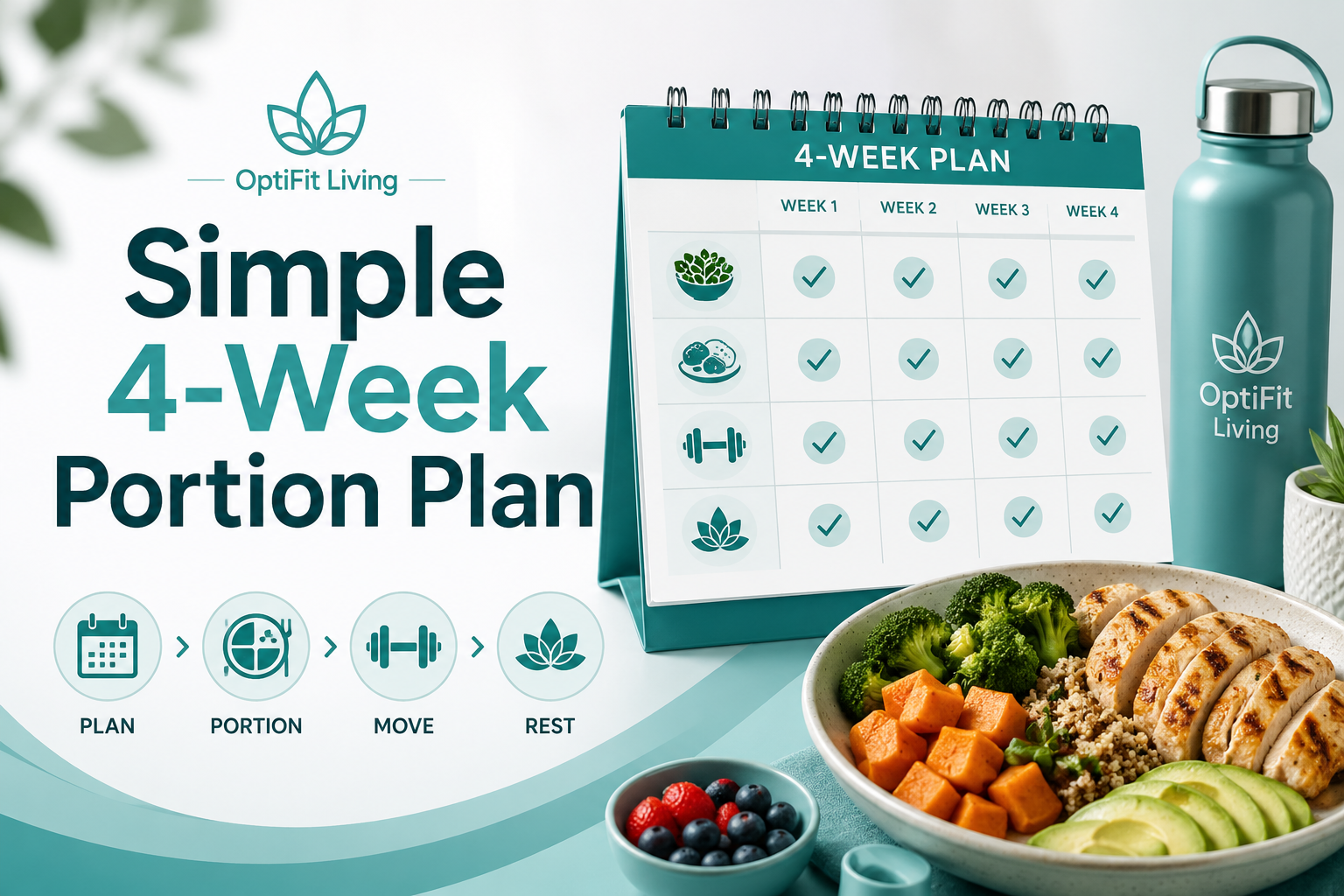
- First 3 Days (Observe Your Portions): Write down what you eat, when you eat, and where portions become large. Awareness comes before control.
- Week 1 (Fix the Plate): Use the plate method for at least 5 days in the first week (start with dinner).
- Week 2 (Reduce Liquid Calories): Reduce sugar in tea/coffee, avoid soft drinks, and drink more water.
- Week 3 (Control Dinner and Snacks): Eat dinner earlier, avoid eating from packets, and walk 10 minutes after dinner.
- Week 4 (Add Movement and Review): Add daily walking and track your waist size, weight, and energy.
- Kahan lagani hai: Action Plan ke bilkul aakhir mein jahan progress check karne ka zikr hai.
- Kaun si pic: track your potion progress.png
- Alt Text: Balanced plate method to lose weight with portion control after 40.
After 4 Weeks: Adjust Gently
Ask yourself which portion habit helped most, check if you are eating enough protein, and adjust one habit at a time.
Safety Advice
This article is for education and lifestyle guidance. It is not a diagnosis or personal treatment plan. Speak with a qualified doctor before starting a new diet or exercise routine if you have diabetes, heart disease, high blood pressure, or if you take regular medication. Do not follow extreme low-calorie diets or stop medication without medical advice.
FAQs
Can I lose weight with portion control only?
Yes, but results are usually better when combined with walking, strength training, good sleep, and better food quality.
What is the easiest portion control method?
The plate method is one of the easiest. Fill half your plate with vegetables, one quarter with protein, and one quarter with controlled carbohydrates.
Do I need to count calories?
Not always. Some men do well with the plate method, hand portions, and basic tracking.
Can I still eat rice or bread?
Yes, but portion size matters. Start by reducing the amount and adding more protein and vegetables.
Why do I feel hungry when I reduce portions?
You may be reducing too much or not eating enough protein and fiber. Build meals properly to stay full longer.
Is portion control better than dieting?
For many men over 40, portion control is more realistic because it teaches long-term control instead of short-term restriction.
How long does portion control take to show results?
Less heaviness can be felt within days. Visible waist changes usually take several weeks of consistency.
What meal should I fix first?
Dinner is often the best place to start because many men over eat at night and then sleep soon after.
Conclusion
My practical observation is that men over 40 often do not need a harsh diet. They need better control over everyday portions. The extra food that adds weight is often not dramatic. It is the repeated small excess that slowly becomes belly fat, low energy, and frustration.
To lose weight with portion control, start simple. Use a normal plate. Add protein. Fill half the plate with vegetables. Keep carbohydrates controlled. Reduce sugary drinks. Walk after meals. Sleep better. Track your waist and energy.
Do not aim for perfection. Aim for awareness and consistency. A man over 40 does not need to punish his body to lose weight. He needs a routine he can repeat with discipline, patience, and confidence.