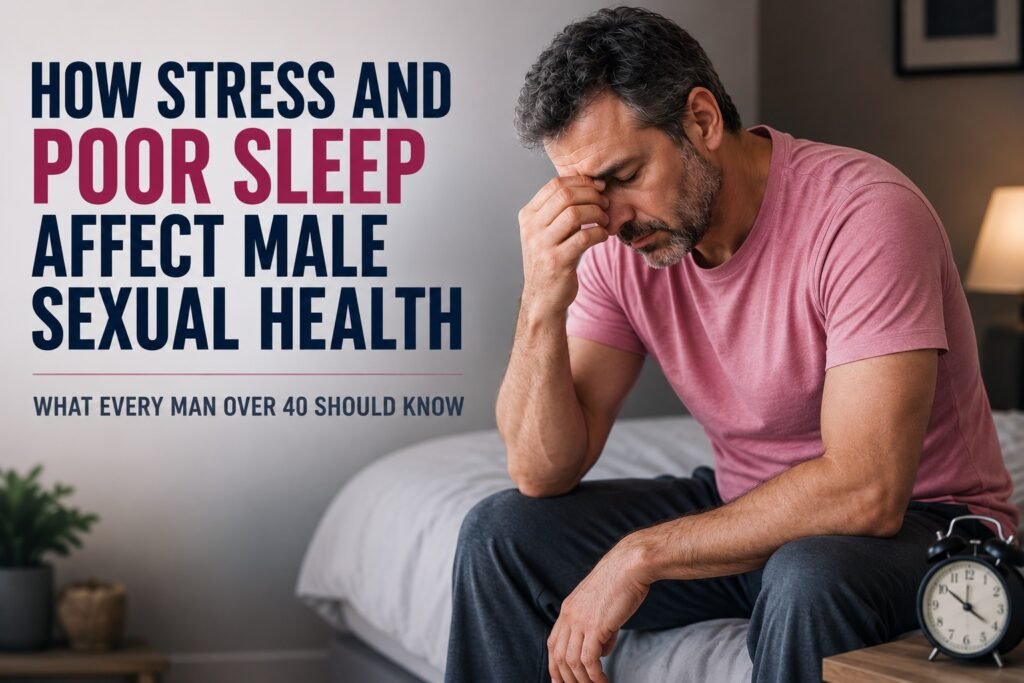

For men over 40, sexual peak performance is not about copying the energy or expectations of a younger age. It is about having enough energy, circulation, comfort, confidence, and emotional connection to enjoy intimacy in a way that feels satisfying and realistic.
Some men notice lower desire, less reliable erections, slower arousal, or more worry about performance. Others mainly want better energy after a demanding workday or a closer relationship with their partner. These changes can be influenced by sleep, stress, fitness, smoking, alcohol, blood pressure, blood sugar, pain, medicines, and mental health. They should not automatically be dismissed as “just aging.”
This guide explains the foundations of sexual performance after 40, the habits that may support healthy function, when a medical review is important, and how to think more safely about supplements and erection medicines.
What Does Sexual Peak Performance Really Mean?
The phrase sexual peak performance is often used in advertising to suggest instant erections, extreme stamina, or guaranteed results. Real sexual health is broader than a sales claim. Depending on the individual, it may include:
Sexual desire and interest
The ability to become aroused
Erection quality when erections are part of the person’s sexual experience
Comfort and reduced pain
Orgasm and ejaculation concerns
Energy and recovery
Emotional presence and communication
Confidence without constant performance pressure
There is no single standard that every man must reach. One person may want to address a persistent erection change. Another may want to improve sleep, reduce anxiety, or rebuild closeness after illness or relationship stress.
Performance can also vary from one occasion to another. A difficult day, an argument, alcohol, pain, tiredness, or lack of privacy can affect arousal without proving that a permanent problem exists. The pattern over time matters more than one evening.
Why Can Sexual Performance Change After 40?
Sexual response depends on the brain, nerves, hormones, blood vessels, physical comfort, and emotional state working together. A change in any of these areas can affect desire or erection reliability.
The National Institute of Diabetes and Digestive and Kidney Diseases explains that erectile dysfunction can have blood-vessel, nerve, hormone, medicine-related, lifestyle, and emotional causes. Common influences include:
High blood pressure, diabetes, or other conditions affecting blood vessels
Smoking or nicotine dependence
Low physical activity and long periods of sitting
Poor sleep or possible sleep apnea
Heavy alcohol use
Depression, anxiety, relationship stress, or performance worry
Pelvic or other chronic pain
Side effects from medicines
Hormone problems that require proper testing and interpretation
The NIDDK notes that erectile dysfunction is not a routine part of aging. A persistent change deserves a respectful medical conversation rather than embarrassment, self-blame, or an untested product.
Five Foundations of Sexual Peak Performance for Men Over 40
1. Support circulation with regular movement
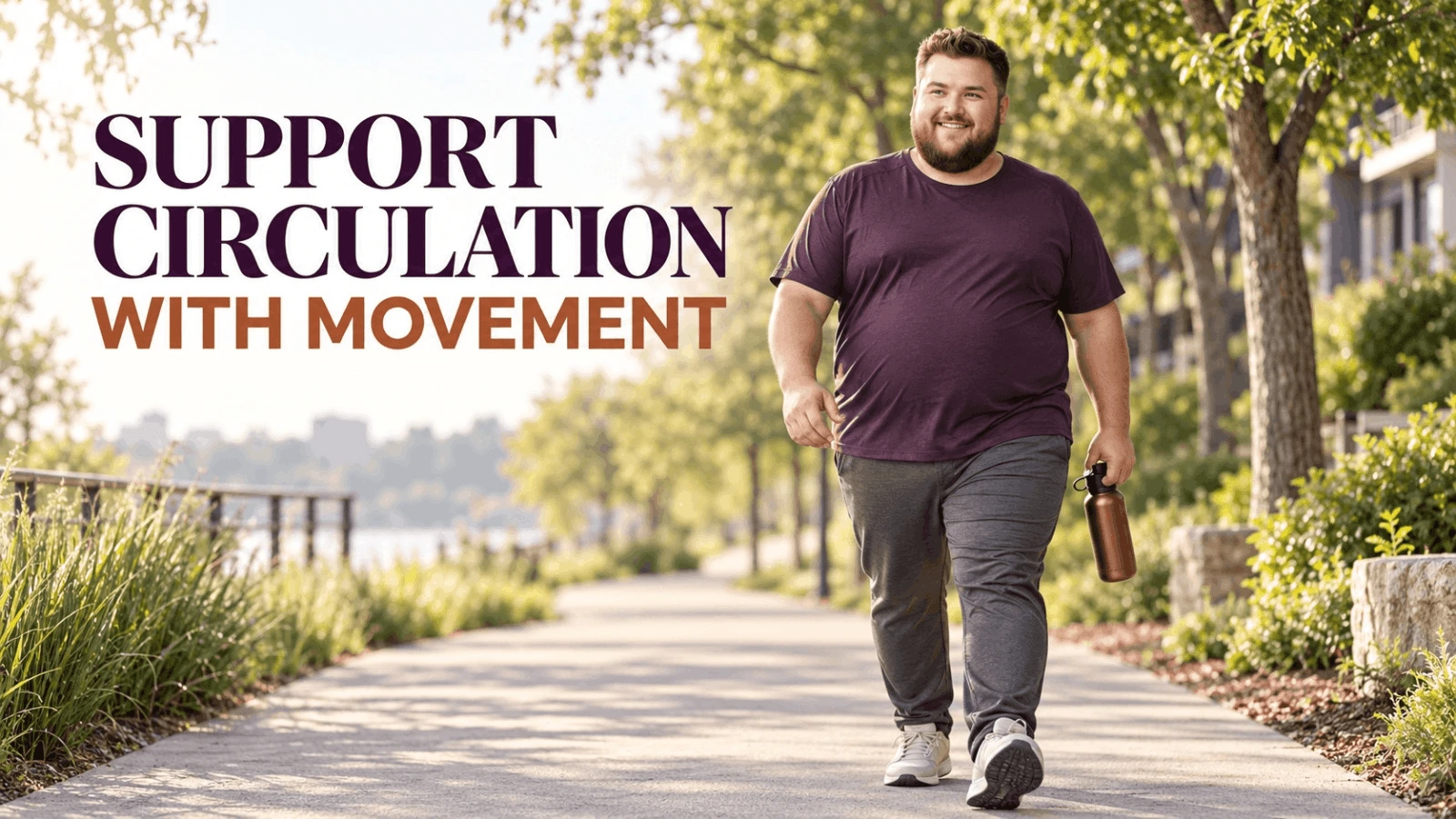
An erection depends on blood flow, and cardiovascular health is closely connected with the systems involved in sexual response. Exercise is not an instant cure, but regular movement can support heart health, fitness, mood, sleep, and confidence.
The CDC recommends that adults work toward at least 150 minutes of moderate-intensity activity each week and muscle-strengthening activity on at least two days. This is a general benchmark, not a demand to start at full volume.
Begin with a repeatable level:
Walk for 10 to 20 minutes on several days
Stand or move during long work periods
Add two manageable strength sessions each week if your health allows
Increase duration or pace gradually
Choose low-impact options if joints or fitness limit you
If exercise causes chest pressure, unusual shortness of breath, dizziness, or fainting, stop and seek medical advice. Do not use sexual-performance supplements to cover symptoms that may need urgent assessment.
2. Protect sleep and daily energy
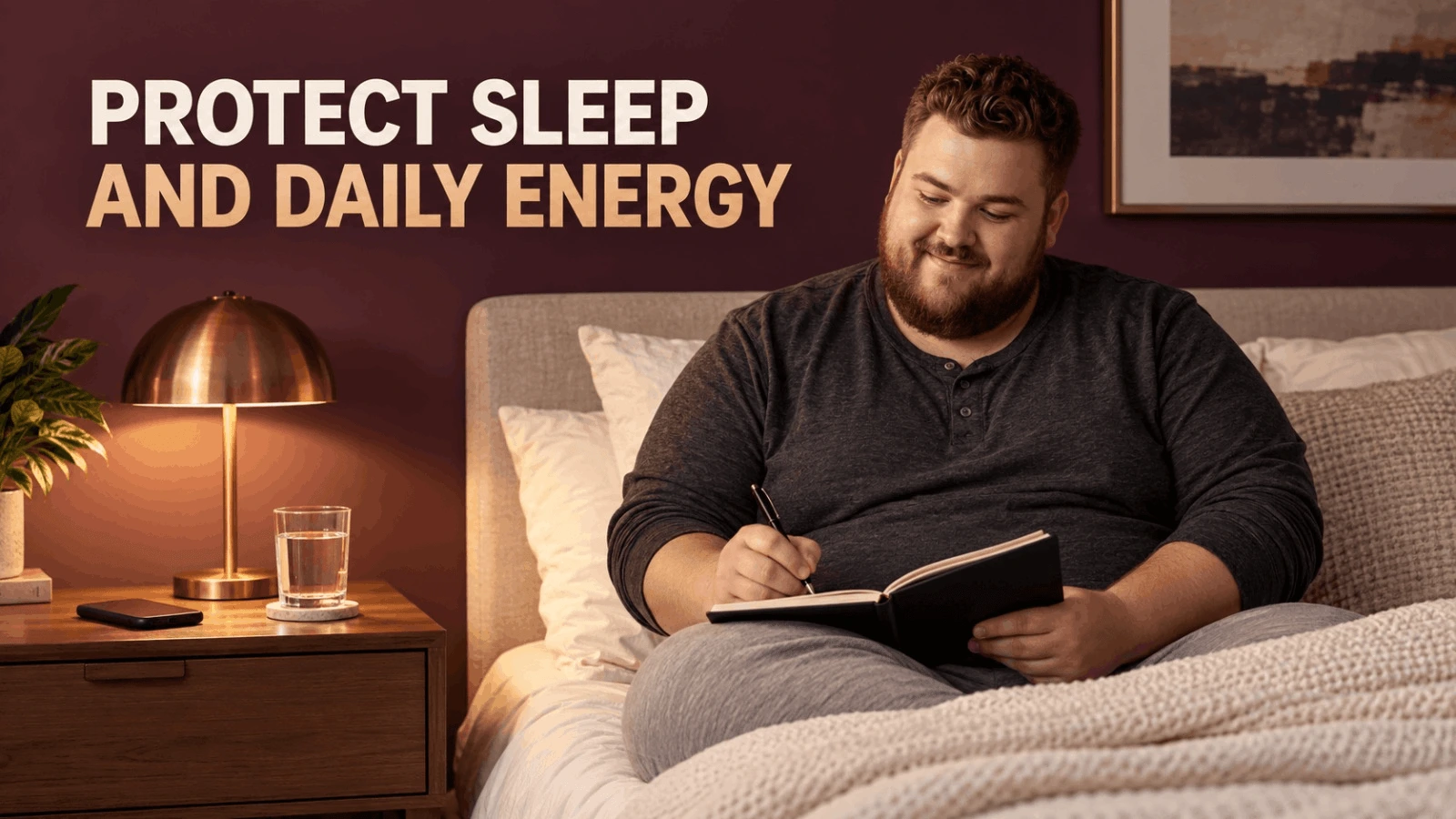
Sexual interest is difficult to protect when every evening ends in exhaustion. A stable sleep schedule, regular meals, daylight exposure, hydration, and recovery time can make energy more dependable.
The CDC says that most adults aged 18 to 60 need at least seven hours of sleep. If loud snoring, gasping, breathing pauses, morning headaches, or severe daytime sleepiness are common, speak with a doctor about possible sleep apnea. Adding a stimulant or “energy booster” is not a substitute for checking the cause.
Choose one sleep action first:
Keep a similar wake time most days
Put the phone away during the final part of the evening
Keep the bedroom cool, dark, and quiet
Avoid using alcohol as a sleep aid
Avoid very large meals close to bedtime
For broader routine ideas, see the best daily routine for men over 40. This sexual-health article focuses on how those habits may support energy and readiness for intimacy.
3. Build meals that support metabolic health

There is no single food that switches sexual performance on. A consistent eating pattern supports the blood vessels, energy levels, and body composition that sexual health depends on.
Build most meals around:
Vegetables or fruit
Beans, lentils, whole grains, or other high-fibre carbohydrates
Fish, eggs, poultry, dairy, or another suitable protein source
Unsaturated fats such as nuts, seeds, or olive oil
Water or another low-sugar drink
Frequent sugary drinks, oversized portions, heavy processed snacks, and excess alcohol can make appetite, energy, blood sugar, and waist management harder. A gradual improvement in body composition may support comfort, mobility, confidence, and metabolic health, but it should never be marketed as a guaranteed sexual cure.
If you have diabetes, kidney disease, heart disease, or another condition that affects diet, ask a qualified clinician or dietitian for individual advice.
4. Review hormones and medicines carefully
Testosterone contributes to libido, mood, muscle, and energy, but sexual concerns cannot be explained by one hormone alone. A test should be interpreted with symptoms, timing, medical history, examination, and repeat testing when appropriate.
Do not start testosterone, a hormone booster, or another “male vitality” product based only on an advertisement or one unexplained symptom. Treatment may be inappropriate or may delay the evaluation of another condition.
Medicines can also affect desire, erection quality, energy, or ejaculation. Never stop a prescribed medicine on your own. A doctor or pharmacist can review the timing of symptoms, current medicines, other health conditions, and safer alternatives when appropriate.
5. Reduce performance pressure and improve communication
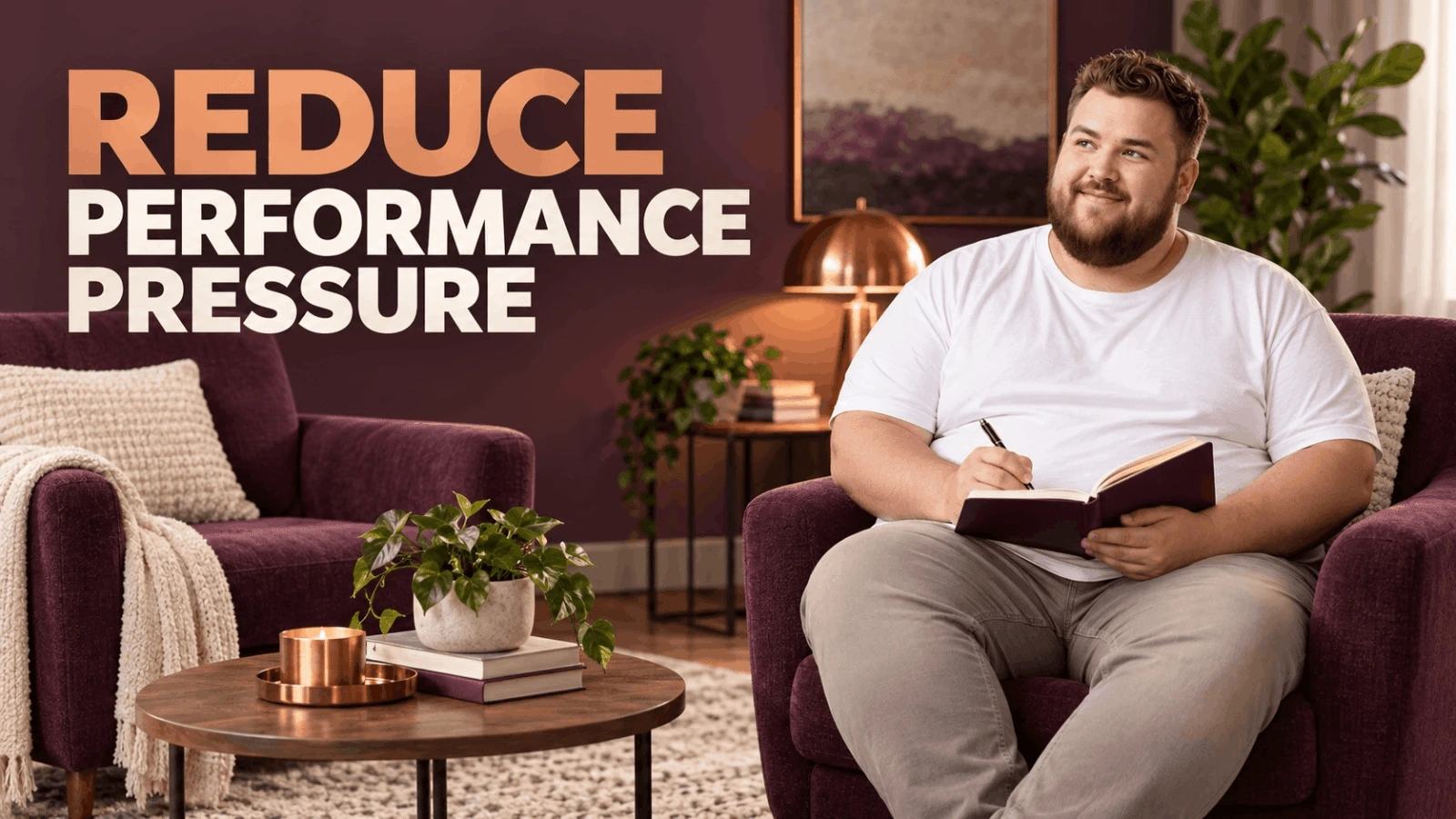
One difficult sexual experience can create a cycle: worry increases tension, tension makes arousal harder, and the next experience creates even more worry. Trying to force an erection often adds to the pressure.
Helpful approaches include:
Slow breathing before and during intimacy
More time for touch and arousal
Less focus on reaching one specific outcome
Honest conversation outside the bedroom
Professional support for persistent anxiety or relationship distress
Use specific, non-blaming language such as: “I still want closeness, but my energy and confidence have changed. Can we slow down and talk about what feels comfortable?” Intimacy can include touch, affection, conversation, and shared pleasure; it does not have to be reduced to one performance test.
For a deeper discussion of sleep and stress, read , how stress and poor sleep affect male sexual health. That article should own the detailed stress-and-sleep topic, while this guide remains focused on the wider sexual-performance framework.
Daily Habits That Support Sexual Performance After 40
Small habits are more useful when they are easy to repeat. Consider this simple daily checklist:
Take a short walk or movement break instead of sitting for the entire day.
Eat regular meals instead of relying on heavy late-night food.
Limit alcohol, especially when it repeatedly affects sleep or sexual response.
Avoid smoking and seek structured help to quit nicotine.
Keep a consistent sleep and wake schedule.
Make time for communication and affection without turning every interaction into a test.
Record patterns in energy, sleep, stress, medicines, and sexual symptoms when a concern continues.
The goal is not to follow a perfect routine. It is to reduce the barriers that repeatedly make intimacy harder.
A Simple Four-Week Plan
Week 1: Define the concern and record a baseline
Write one specific goal, such as “more energy for intimacy,” “less performance anxiety,” or “review a persistent erection change.” For one week, note sleep, alcohol, exercise, energy, stress, medicines, and when the concern occurs.
If the problem is persistent, painful, worsening, or linked with a medicine or health change, arrange a medical appointment instead of waiting for the four weeks to finish.
Week 2: Add movement and protect sleep
Choose a daily 10-minute walk or another safe activity. Add a consistent wake time and a short screen-free wind-down. If you have symptoms with exertion or a significant health condition, ask a clinician what level of activity is appropriate.
Week 3: Improve food and reduce alcohol triggers
Build one balanced meal each day around protein, vegetables or fruit, and a high-fibre carbohydrate. Reduce one regular source of excess alcohol, sugary drinks, or late-night heavy food. Avoid extreme dieting.
Week 4: Review the pattern and talk with your partner
Look for changes in energy, mood, sleep, confidence, and symptoms rather than expecting a dramatic overnight result. Speak with your partner outside the bedroom about comfort, timing, and what helps both of you feel connected.
If the concern has not improved or has become more serious, take your notes and medicine list to a qualified doctor.
When Should a Man See a Doctor?

Arrange a medical appointment if erection changes continue for several weeks, worsen, or interfere with a satisfying sex life. Also seek advice if you notice:
A sharp drop in sexual desire
Pain during ejaculation or sex
Blood in urine or semen
A new bend, lump, or change in the penis
New or troublesome urinary symptoms
Sexual changes after starting or changing a medicine
Symptoms after major illness or surgery
Reduced exercise tolerance, unusual fatigue, or symptoms with exertion
The NIDDK explains that clinicians may use a medical, sexual, and mental-health history, physical examination, and laboratory or other tests when evaluating erectile dysfunction. A proper review is more useful than guessing from an online symptom list.
Seek urgent medical attention for chest pain, fainting, severe shortness of breath, or serious symptoms during sexual activity. A man with unstable heart symptoms should not treat a performance product as a substitute for medical assessment.
Supplements and Sexual-Enhancement Products: What to Know
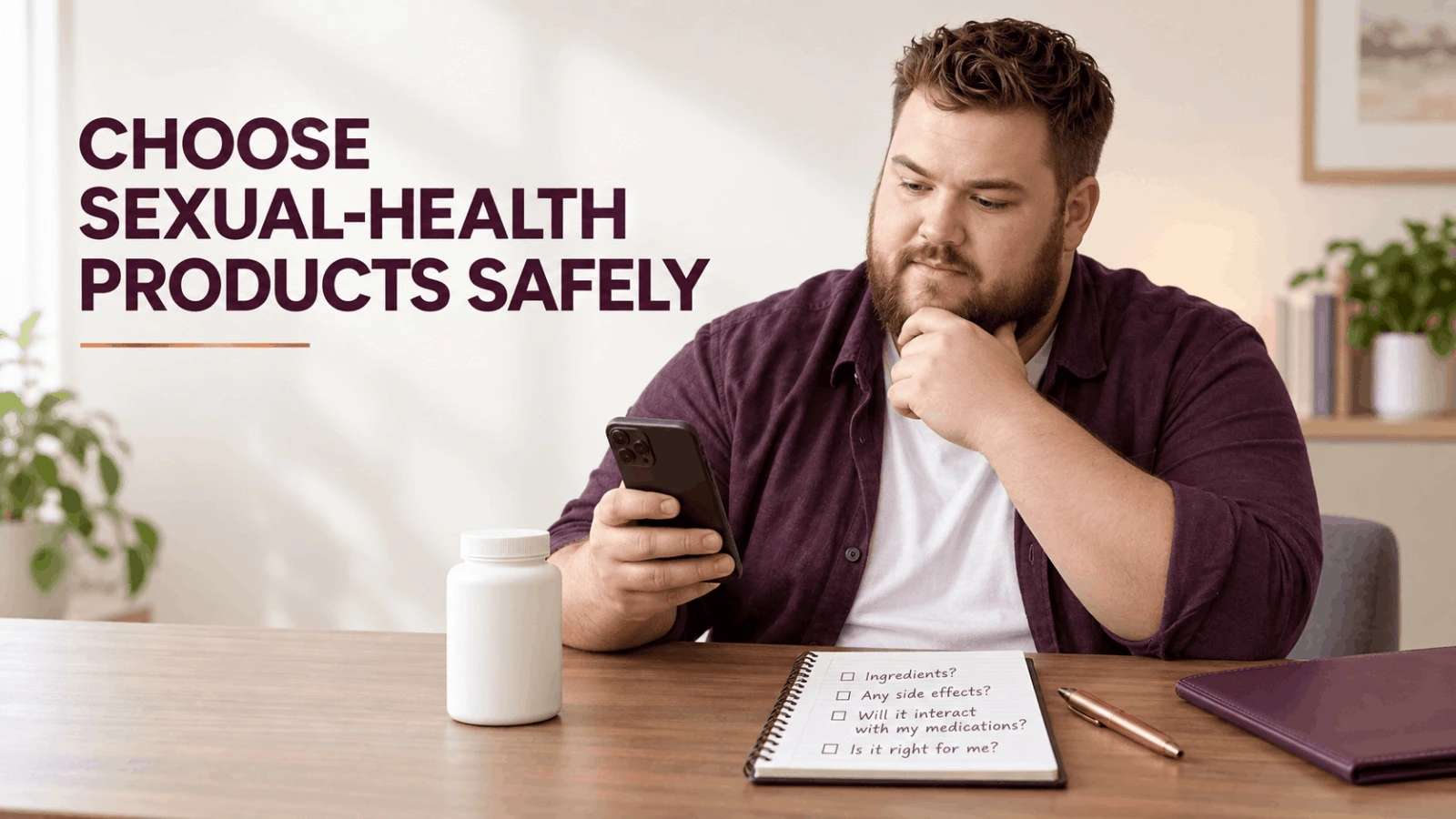
Products marketed for sexual peak performance may contain stimulants, hormones, herbs, or undeclared prescription-like ingredients. “Natural” does not automatically mean safe, effective, or compatible with your medicines.
The U.S. Food and Drug Administration warns about sexual-enhancement products that contain hidden drug ingredients. Be especially cautious when a seller:
Promises an instant or guaranteed result
Uses only dramatic testimonials
Hides the full ingredient list or dose
Pressures you to buy a subscription
Claims that a product works for every cause of sexual difficulty
Prescription medicines for erection problems help some men, but they require a review of heart health, current medicines, and individual risks. Medicines used for chest pain that contain nitrates can interact dangerously with some erection medicines. The NIDDK treatment guide and the American Urological Association erectile-dysfunction guideline explain why treatment should be discussed with a qualified prescriber.
Do not borrow another person’s medicine, combine several enhancement products, or guess a dose from an online comment.
Common Mistakes That Can Delay Progress
Chasing a fast enhancement fix: Start with health factors and medical review rather than an unproven promise.
Measuring success only by erection firmness: Also consider desire, comfort, energy, confidence, communication, and relationship satisfaction.
Ignoring a persistent change: A continuing symptom may have a treatable cause.
Using alcohol to reduce anxiety: It may feel relaxing but can worsen sleep, judgment, and sexual response.
Training too hard while recovering too little: Exhaustion, low food intake, and short sleep can reduce energy.
Comparing yourself with online claims: Testimonials and images are not a personal assessment.
Stopping a prescription without advice: Ask a doctor or pharmacist to review possible side effects safely.
Frequently Asked Questions
Can men over 40 still reach sexual peak performance?
Yes, but the goal should be satisfying and reliable sexual health rather than a fixed standard. Fitness, sleep, stress management, communication, medical care, and realistic expectations all influence the experience.
Does sexual performance always decline with age?
No. Some changes become more common with age, but persistent problems are not something a man must simply accept. Health conditions, medicine effects, stress, and relationship factors may be treatable.
What is the best exercise for sexual health?
The best exercise is one you can perform safely and repeat. Walking or another aerobic activity supports general cardiovascular health, while strength training supports fitness and function. Ask for medical guidance first if you have symptoms with exertion.
Do sexual-enhancement supplements work?
Evidence and product quality vary widely. Some products may interact with medicines or contain undisclosed ingredients. Correct a confirmed deficiency with appropriate professional advice, but do not treat a supplement as a guaranteed solution.
How can I reduce performance anxiety?
Remove the test mindset, slow the pace, breathe steadily, communicate with your partner, and focus on pleasurable connection rather than one outcome. Persistent anxiety may benefit from counseling or another form of professional support.
When should I see a doctor about erection changes?
Make an appointment when the problem is persistent, worsening, painful, linked with urinary symptoms, follows a medicine change, or occurs with reduced exercise tolerance. Seek urgent care for chest pain, fainting, or severe breathlessness.
Are prescription erection medicines safe for everyone?
No. They require a review of heart health, current medicines, and individual risks. Nitrate medicines for chest pain can interact dangerously with some erection medicines, so never borrow or self-prescribe treatment.
Final Thoughts on Sexual Peak Performance
For men over 40, sexual peak performance is best understood as part of whole-person health—not a secret contest or a promise made by a supplement advertisement. Start with two manageable habits: regular movement, steadier sleep, less alcohol, balanced meals, or a calmer approach to intimacy.
If a sexual change persists, causes pain, follows a medicine change, or appears with cardiovascular symptoms, arrange a proper medical review. Better circulation, steadier energy, calmer confidence, respectful communication, and evidence-based care can support a satisfying sex life without miracle claims or shame.
Helpful Resources
- Erectile Dysfunction: Definition and Facts — NIDDK
- Symptoms and Causes of Erectile Dysfunction — NIDDK
- Diagnosis of Erectile Dysfunction — NIDDK
- Treatment of Erectile Dysfunction — NIDDK
- Sexual Enhancement and Energy Product Notifications — FDA
- Erectile Dysfunction Guideline — American Urological Association
- Physical Activity Basics — CDC
- About Sleep — CDC