
This guide was built from CDC, NHLBI, and NIA guidance, the 2018 AHA/ACC cholesterol guideline (Grundy and others, Circulation, 2019), and published study summaries and meta-analyses. Each number is stated with its source in plain text. Some studies were read as abstracts or summaries, not as full papers. We did not test or run trials. No personal stories or testimonials are used. Change in this version: the LDL categories now follow the 2018 AHA/ACC guideline, which replaced the older NCEP Adult Treatment Panel III labels used in the first version. Last checked: 19 November 2026.

To lower LDL cholesterol, first find out your number and your risk group, then cut saturated fat, add soluble fiber, move for 150 minutes a week, and lose weight if you carry extra weight. That is the short answer to how to lower LDL cholesterol. If your LDL is 190 mg/dL or higher, or you have heart disease or diabetes, your doctor will usually talk about medicine as well, because lifestyle alone is often not enough in those groups.
This article is general education, not medical advice. If you have heart disease, diabetes, or high blood pressure, talk to your doctor first before you change your diet, start a new exercise routine, or change any medicine. Your doctor can set a personal LDL target, because the right number depends on your overall risk, not on one lab value alone.
What LDL cholesterol is and why it matters
LDL stands for low-density lipoprotein. It is one of the particles that carry cholesterol through your blood. NHLBI describes LDL as the main source of cholesterol buildup and blockages in the arteries. When LDL stays high for years, cholesterol can build up in artery walls as plaque. That buildup is called atherosclerosis. Over time it can narrow arteries and raise the risk of a heart attack or stroke. HDL is often called good cholesterol, because higher HDL is generally linked with lower risk. LDL is the number doctors focus on most. You cannot feel high LDL.
Your LDL number: what the 2018 AHA/ACC guideline uses instead of the old categories
This guide uses the 2018 AHA/ACC guideline on the management of blood cholesterol (Grundy and others, Circulation, 2019). That guideline replaced the older NCEP Adult Treatment Panel III (ATP III) labels. ATP III, published in 2001 with an update in 2004, sorted LDL into fixed labels: under 100 mg/dL was optimal, 100 to 129 was near optimal, 130 to 159 was borderline high, 160 to 189 was high, and 190 or more was very high. Those labels are still quoted in many places, but they are older, and they do not tell you what treatment to use. The 2018 guideline instead sorts people into groups by risk and sets decisions by LDL thresholds and by percent fall.
| Group | LDL range | What the 2018 guideline says |
|---|---|---|
| Clinical ASCVD (heart disease, stroke, or peripheral artery disease already present) | Any LDL level | High-intensity statin to cut LDL by 50 percent or more |
| LDL 190 mg/dL or higher, age 20 to 75 | 190 or higher | High-intensity statin, no risk calculation needed first |
| Diabetes, age 40 to 75, no ASCVD | 70 to 189 | Moderate-intensity statin whatever the risk; high-intensity reasonable with several risk factors |
| Primary prevention, no diabetes, age 40 to 75 | 70 to 189 | Estimate 10-year ASCVD risk first, then decide by risk level |
Two numbers in that table do most of the work. First, 190 mg/dL is a line that needs no risk math: at that level, the guideline treats the person as high risk for life and advises a high-intensity statin. Second, 70 mg/dL is a line used in follow-up: in very high-risk ASCVD, if LDL is still 70 mg/dL or higher while on the strongest statin a person can take, the guideline says adding ezetimibe is reasonable, and a PCSK9 inhibitor may be considered after that. The American Heart Association explains how treatment is matched to risk on its prevention and treatment of high cholesterol page.
How your doctor sets a personal LDL target
For adults age 40 to 75 with LDL between 70 and 189 mg/dL and no diabetes or heart disease, the 2018 guideline says to estimate the 10-year risk of a first hard ASCVD event, meaning a fatal or nonfatal heart attack or stroke. The estimate uses the pooled cohort equations, a risk calculator built from large US studies, and it takes in age, sex, race, total cholesterol, HDL, blood pressure, diabetes, and smoking.
The guideline sorts the 10-year risk result into four bands: low risk is under 5 percent, borderline risk is 5 percent to under 7.5 percent, intermediate risk is 7.5 percent to under 20 percent, and high risk is 20 percent or higher. In general, intermediate-risk adults who start a statin should use a moderate-intensity statin and aim to cut LDL by 30 percent or more, and for best risk reduction the cut should be 50 percent or more. Low-risk adults usually start with lifestyle alone and a recheck.
Extra risk factors, called risk-enhancing factors in the guideline, can tip the decision. They include a family history of early heart disease, LDL of 160 mg/dL or higher, chronic kidney disease, metabolic syndrome, chronic inflammatory conditions, a high-sensitivity CRP of 2 mg/L or higher, and a coronary artery calcium score of 100 or higher. The key point is that a personal target is a percent cut from your starting LDL, tied to your risk band, rather than a single magic number for everyone.
What lifestyle can do, in numbers
Lifestyle is the base layer for every group in the 2018 guideline, and it is the whole treatment for many low-risk men. NHLBI estimates that its full Therapeutic Lifestyle Changes (TLC) program, which combines diet, activity, and weight management, can lower LDL by 20 to 30 percent in total. Most men who change diet alone see a smaller drop, often about 10 to 15 percent, according to summaries of diet trials.
Saturated fat is the biggest diet lever for LDL. NHLBI states it plainly in its TLC guide: saturated fat raises your cholesterol more than anything else in your diet. The Dietary Guidelines for Americans say that, in general, saturated fat should not exceed 10 percent of total daily calories. On a 2,000-calorie day, that is about 22 grams, because fat has 9 calories per gram. The NHLBI TLC plan sets a stricter target of under 7 percent, or about 15 to 16 grams on a 2,000-calorie day.
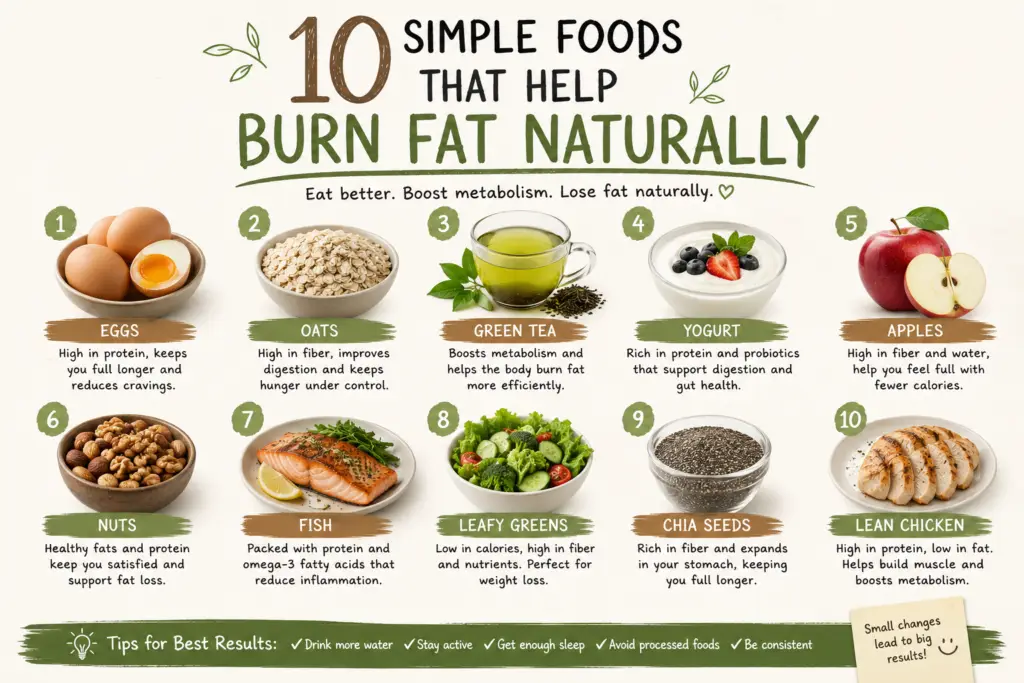
Soluble fiber is the second lever. It dissolves in water and forms a gel in the gut that traps bile acids, which are made from cholesterol, so your liver pulls more LDL out of the blood to make new bile acids. NHLBI estimates that adding 5 to 10 grams of soluble fiber a day lowers LDL by about 3 to 5 percent. Oats, barley, beans, lentils, apples, pears, and Brussels sprouts are the richest sources. One serving of oats gives about 2 grams of soluble fiber in the form of beta-glucan, and half a cup of cooked beans can give 2 to 3 grams.
Plant sterols and stanols are a smaller lever with a clear dose. They are natural compounds in plants that look like cholesterol and compete with it for absorption in the gut, so less cholesterol gets into your blood. The dose used in most studies is 2 grams a day, usually from fortified spreads, yogurts, or drinks taken with meals. NHLBI estimates that 2 grams a day lowers LDL by about 5 to 15 percent.
Activity and weight add their own share. CDC guidance, from the Physical Activity Guidelines for Americans, is that adults need 150 minutes of moderate intensity physical activity a week and 2 days of muscle strengthening activity. Moderate intensity means you can talk but not sing during the activity. NHLBI estimates that losing 10 pounds, if you are overweight, lowers LDL by about 5 to 8 percent, and that adults with overweight or obesity can lower LDL and raise HDL by losing only 3 to 5 percent of their weight. For a 200 pound man, 3 to 5 percent is 6 to 10 pounds.
Medication in general terms: statins and the four benefit groups
Lifestyle is the first step for many men, but it is not always enough, and that is not a failure. NHLBI notes that after about 2 to 3 months of TLC, if LDL is still above target, your doctor may consider adding medicine. Statins are the most commonly prescribed medicines for high LDL. They work by reducing how much cholesterol your liver makes. Your doctor decides whether a statin is right for you, based on your LDL, your overall risk, your age, and other conditions. This guide gives no dosage advice, and no advice to start, stop, or change any medicine.
The four benefit groups from the 2018 guideline decide who is offered a statin. In clinical ASCVD, meaning a past heart attack, stroke, angina, or artery procedure, the guideline advises a high-intensity statin to cut LDL by 50 percent or more, whatever the starting LDL. In the LDL 190 mg/dL or higher group, the guideline advises a high-intensity statin, and if the LDL cut is under 50 percent or LDL stays at 100 mg/dL or higher on the strongest tolerated statin, adding ezetimibe is reasonable. In diabetes at age 40 to 75 with LDL 70 to 189 mg/dL, the guideline advises a moderate-intensity statin whatever the 10-year risk. In primary prevention without diabetes, the choice follows the 10-year risk bands from the last section.
Very high-risk ASCVD is a smaller group inside the first group, and it has its own steps. Very high risk means a history of multiple major ASCVD events, or one major event plus several high-risk conditions such as diabetes, high blood pressure, smoking, or chronic kidney disease. If LDL is still 70 mg/dL or higher on the strongest statin a person can take, the guideline says adding ezetimibe is reasonable. If LDL is still 70 mg/dL or higher on a statin plus ezetimibe, adding a PCSK9 inhibitor may be considered.
Side effects are the reason many men stop a statin, so they deserve a plain account. Muscle aches are the most commonly reported problem, and they are also common in people taking a dummy pill in trials, which makes them hard to judge without a careful recheck. Your doctor may check a blood test, pause the medicine, or try a different statin before deciding the medicine is the cause. Serious muscle damage is rare.
Retest and follow-up: what to expect after you start
A plan is only useful if it is checked, and the 2018 guideline sets a clear rhythm for that. After starting a statin, or after a change in dose or medicine, your doctor will usually check a lipid panel in 4 to 12 weeks to see how much LDL has fallen and whether the percent cut matches the target for your group. That first retest is also the moment to talk about adherence, meaning whether you are actually taking the medicine most days, and about side effects. Once the LDL is at target and stable, checks move to every 3 to 12 months, as the guideline advises. For lifestyle-only plans, most men need 6 to 12 weeks of steady change before a retest shows a clear move.
A 4-week starter plan
This plan puts the numbers above into order. It is a starter plan, not a prescription. If you have heart disease, diabetes, or high blood pressure, talk to your doctor first.
| Week | Focus | What to do |
|---|---|---|
| Week 1 | Know your number | Get your LDL target and risk group from your doctor. Count saturated fat for 7 days. |
| Week 2 | Add soluble fiber | Add oats at breakfast. Add beans or lentils 4 days a week. Add one strength session. |
| Week 3 | Add plant sterols | Add a fortified food with plant sterols, about 2 grams a day with meals. Walk 30 minutes a day, 5 days a week. |
| Week 4 | Lock in the pattern | Keep the Week 1 to 3 changes. Cut alcohol to little or none. Book a retest for 6 to 12 weeks. |
What does not work
Be careful with detox teas, cleanses, and juice fasts. They do not remove cholesterol from your blood, and they can leave you short of protein, fiber, and energy. Be careful with single superfoods too. One food, however healthy, will not fix a diet that is high in saturated fat. Talk to your doctor or pharmacist before you start any supplement for cholesterol.
Common mistakes
- Changing everything at once, then stopping.
- Cutting fat but keeping sugar and alcohol high.
- Eating more cheese because it is low carb.
- Taking a supplement and ignoring food.
- Judging the result too early, before the 6 to 12 week retest.
When to see a doctor first
Talk to your doctor first if you have heart disease, a previous heart attack or stroke, diabetes, or high blood pressure; your LDL is 190 mg/dL or more; you have a family history of early heart disease; you take medicine for cholesterol, blood pressure, diabetes, or blood thinning; or you have chest pain, breathlessness, or fainting. Seek urgent care for chest pain or pressure, pain spreading to your arm, jaw, or back, sudden breathlessness, or sudden weakness or numbness on one side.
Questions people ask
How fast can I lower LDL cholesterol?
Most men need 6 to 12 weeks of steady change before a retest shows a clear move. NHLBI builds about 6 weeks between checkups into its TLC plan. Treat promises of faster results with doubt.
What is a good LDL level for a man over 40?
There is no single good number for everyone under the 2018 AHA/ACC guideline. The guideline sets decisions by risk group and by percent cut, not by the old ATP III labels. As a rough guide, LDL under 100 mg/dL is a common working target for lower-risk men, and LDL of 190 mg/dL or higher always calls for treatment.
Can I lower LDL without medication?
For many men with mildly raised LDL, lifestyle can lower it by 20 to 30 percent, according to NHLBI estimates for the full TLC program. For men with very high LDL, a strong family history, or heart disease, lifestyle alone may not be enough.
Do eggs raise LDL cholesterol?
Eggs contain dietary cholesterol, about 185 mg in a large egg, but dietary cholesterol matters less than saturated fat for most people. NHLBI sets a TLC target of under 200 mg of dietary cholesterol a day.
Is oatmeal enough to lower LDL?
Oatmeal helps, but on its own it is not enough for most men. Oats give soluble fiber in the form of beta-glucan, about 2 grams per serving, and NHLBI estimates that 5 to 10 grams of soluble fiber a day lowers LDL by about 3 to 5 percent.
Should I take plant sterols instead of a statin?
No. Plant sterols lower LDL by about 8 to 10 percent at 2 grams a day, according to the European Atherosclerosis Society consensus and a meta-analysis of 124 trials. No trial has shown that plant sterols reduce heart attacks or strokes.