In everyday life, the hardest snack is often the one you need when you are already tired. A man finishes work late, feels hungry on the drive home, and reaches for a sweet drink or whatever is sitting on the kitchen counter. My practical observation is that recipes help because they remove one decision before hunger becomes urgent. These healthy snacks recipes for diabetics are designed for real schedules, not a perfect kitchen.
After 40, a good snack should do more than taste pleasant. It should be satisfying enough to prevent mindless grazing, simple enough to prepare, and flexible enough to fit a personal blood sugar plan. It should also respect work, family, exercise, sleep, and the possibility of medication-related low blood sugar.
This guide gives you ten simple recipes, storage instructions, portion reminders, and ways to adapt them. They are not a cure for diabetes, and no recipe is automatically safe for every person. Use the ideas as a starting point and match the ingredients and portions to advice from your qualified health professional.
Healthy Snacks Recipes for Diabetics: What Makes a Recipe Useful?
A diabetes-aware snack recipe usually combines a satisfying ingredient with a sensible amount of carbohydrate. That might mean plain yogurt with berries, an egg with vegetables, chickpeas with herbs, or a small portion of oats with seeds. The aim is not to remove every carbohydrate. Carbohydrate foods can provide energy, but the amount, type, and surrounding ingredients matter.
Protein, fiber, and healthy fats can make a snack more filling. Whole fruit is different from juice because it has more texture and fiber. Beans and chickpeas contain both carbohydrate and plant protein. Nuts are nourishing but dense, so a measured portion is more useful than eating directly from a large bag.
Recipes also need to work in the real world. A snack that takes one hour to prepare will not help during a busy workday. The best options can be made in batches, stored safely, carried without mess, and adjusted for family preferences. For wider guidance on everyday snack choices,
see our healthy snacks for diabetes guide.
Before You Prepare the Recipes
When planning your menu, using simple healthy snacks recipes for diabetics can help maintain steady blood sugar levels throughout the week.
The recipes do not include fixed nutrition numbers because brands, ingredients, and serving sizes change. If you count carbohydrates or follow a prescribed meal plan, check the labels for the specific ingredients you use. A recipe can be diabetes-aware without being suitable in the same portion for every person.
Check the carbohydrate source
Fruit, oats, milk, beans, whole-grain crackers, and some vegetables contain carbohydrate. You do not have to avoid them automatically. Instead, check the serving size and consider how the recipe fits with your meals. If you count carbohydrates, use the information on the food label or the plan given to you by your care team.
Keep protein and fiber practical
Eggs, plain yogurt, cottage cheese, fish, tofu, nuts, seeds, and beans can add staying power. Higher protein is not suitable for everyone, especially people with reduced kidney function. The recipes use moderate portions rather than making extreme high-protein claims.
Build flavor without relying on sugar
Lemon, cinnamon, garlic, ginger, black pepper, mint, coriander, paprika, and fresh herbs can make a simple snack enjoyable. Check sauces, flavored yogurt, ketchup, and packaged spice mixes because they may add sugar or sodium.
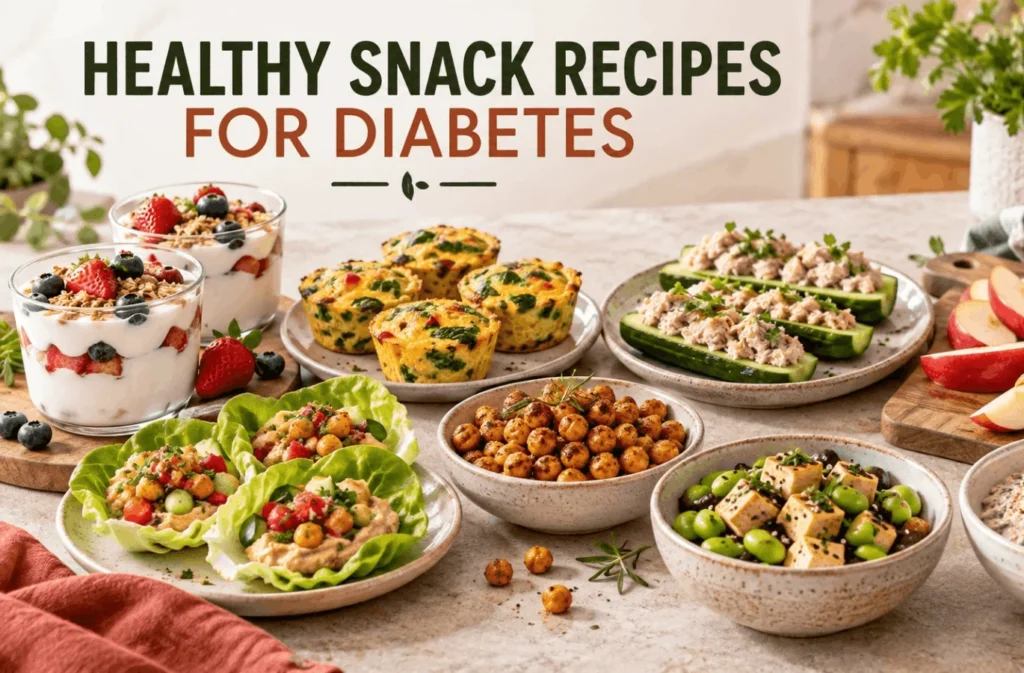
10 Healthy Snacks Recipes for Diabetics
1. Berry Yogurt Chia Cup
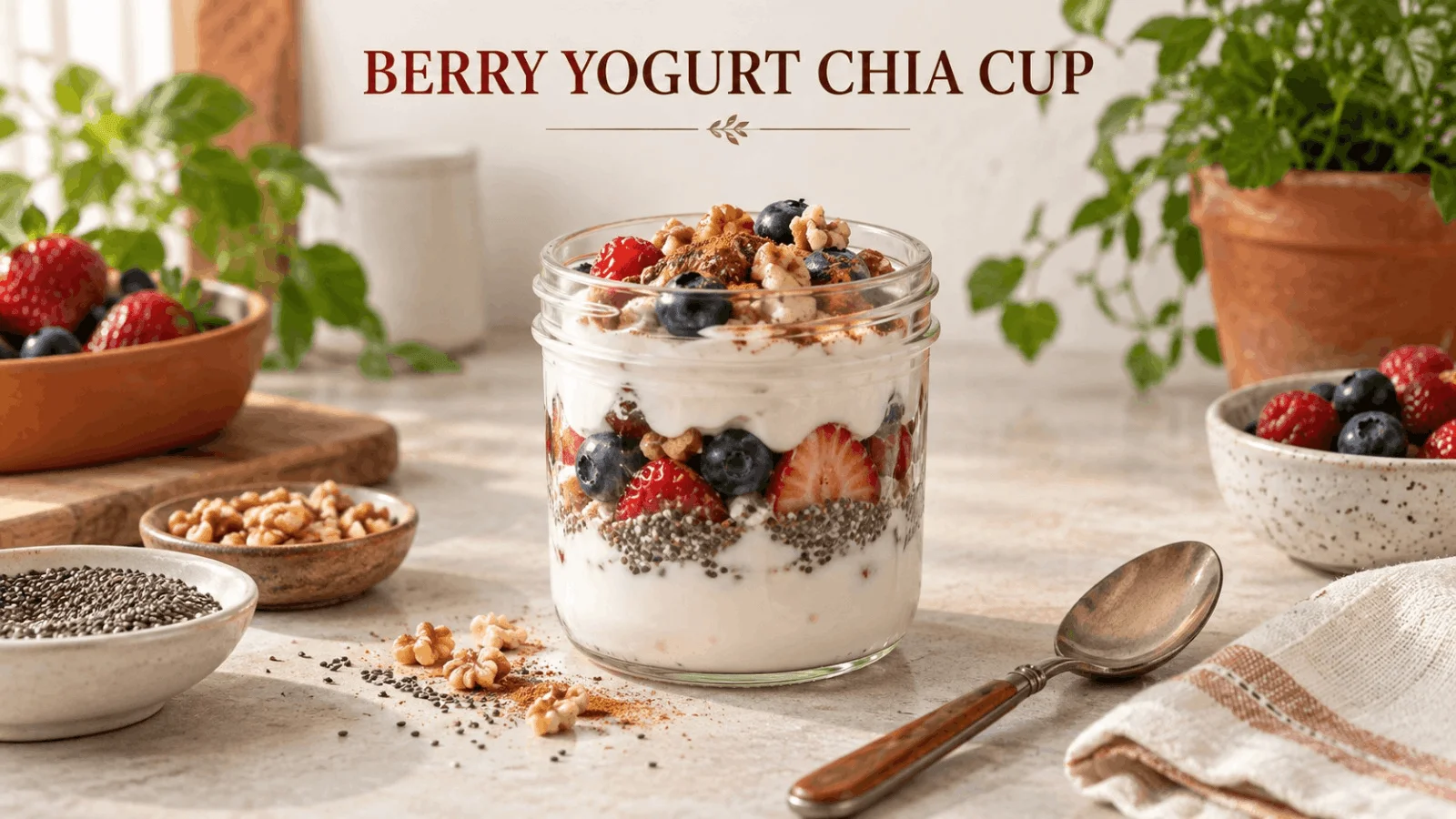
Ingredients: Plain unsweetened yogurt, a small handful of berries, one teaspoon of chia seeds, cinnamon, and a few chopped walnuts if suitable for you. Method: Spoon the yogurt into a container. Add berries, chia seeds, cinnamon, and walnuts. Chill for at least 20 minutes so the chia seeds soften. Why it works: The yogurt provides protein, while berries and chia add texture and fiber. The recipe uses fruit for flavor instead of syrup or sweetened granola. Practical note: Compare labels because yogurt brands differ. If you have difficulty with dairy, use an unsweetened fortified alternative that fits your nutrition plan. Prepare one or two portions at a time and keep them cold.
2. Egg, Spinach, and Pepper Muffin Cups
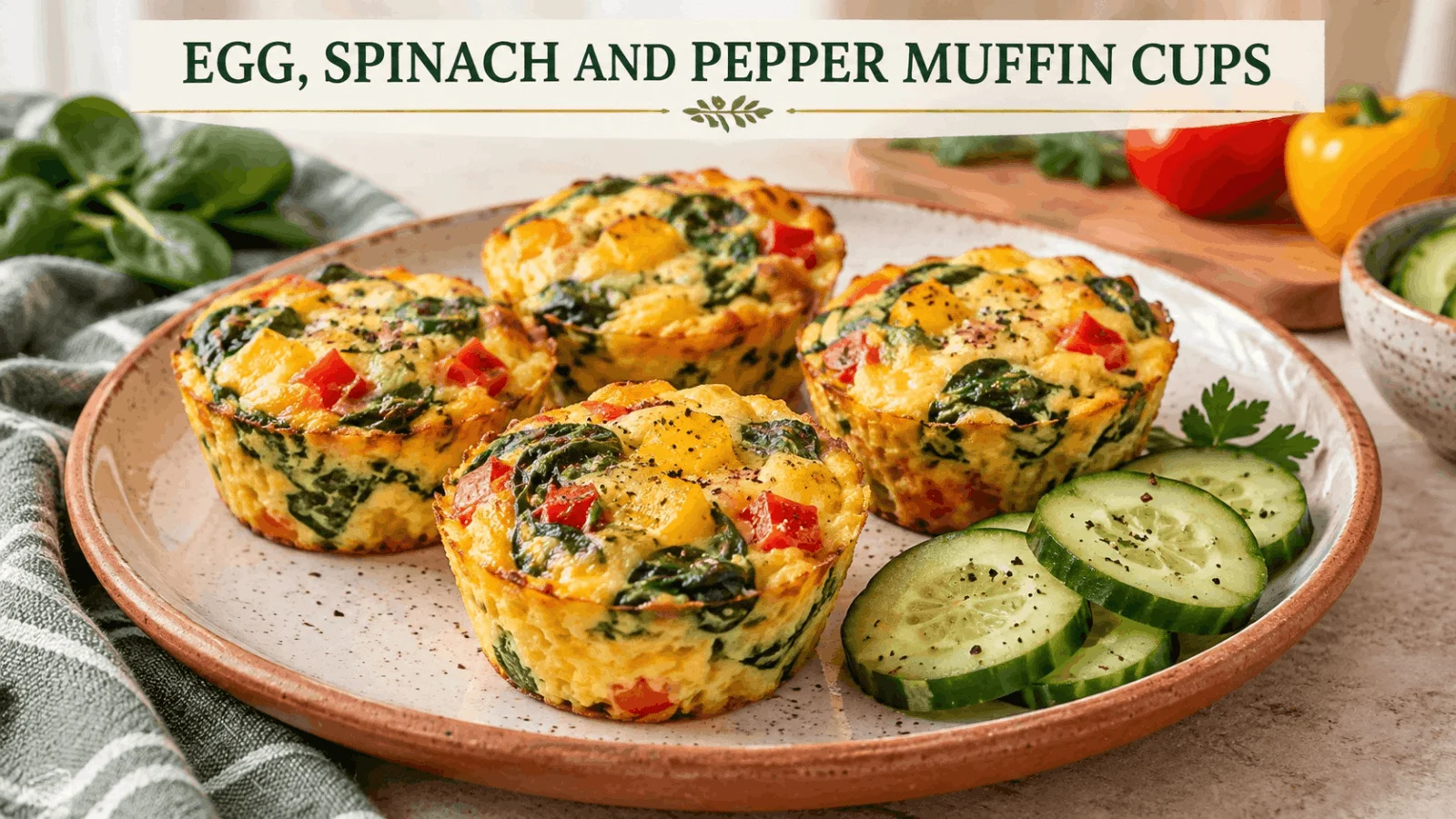
Ingredients: Eggs, chopped spinach, diced bell pepper, black pepper, and a small amount of grated cheese if desired. Method: Whisk the eggs and mix in spinach, pepper, and black pepper. Pour into lightly oiled muffin cups and bake until set. Cool before storing in the refrigerator. Why it works: These cups are easy to portion and provide a savory option when you are tired of sweet snacks. The vegetables add color and volume without turning the recipe into a large meal. Practical note: Use a moderate amount of cheese if you are watching sodium or saturated fat. Reheat thoroughly and use within the safe storage time recommended for cooked eggs.
3. Cucumber Tuna Yogurt Boats
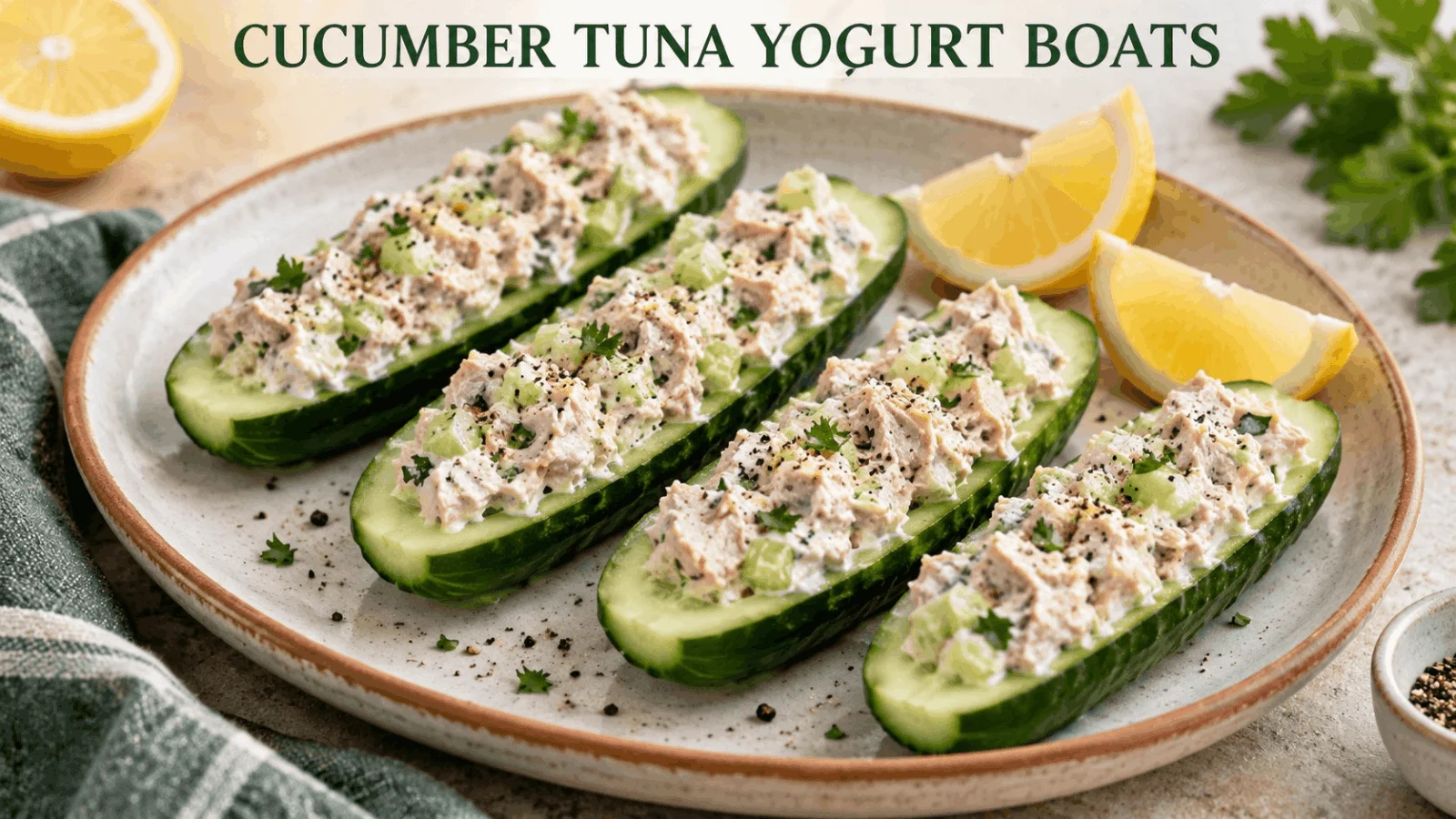
Ingredients: Cucumber halves, tuna packed in water, plain yogurt, lemon juice, chopped celery, and black pepper. Method: Scoop a shallow channel from each cucumber half. Mix tuna with yogurt, lemon, celery, and pepper. Spoon the mixture into the cucumber. Why it works: The cucumber gives crunch and water, while tuna provides protein. Yogurt replaces much of the mayonnaise, making the mixture lighter without removing flavor. Practical note: Choose a lower-sodium tuna when available. If you eat canned fish often, ask a professional how it fits your overall eating pattern. Keep the boats chilled and pack them in a sealed container.
4. Apple and Peanut Butter Cinnamon Slices
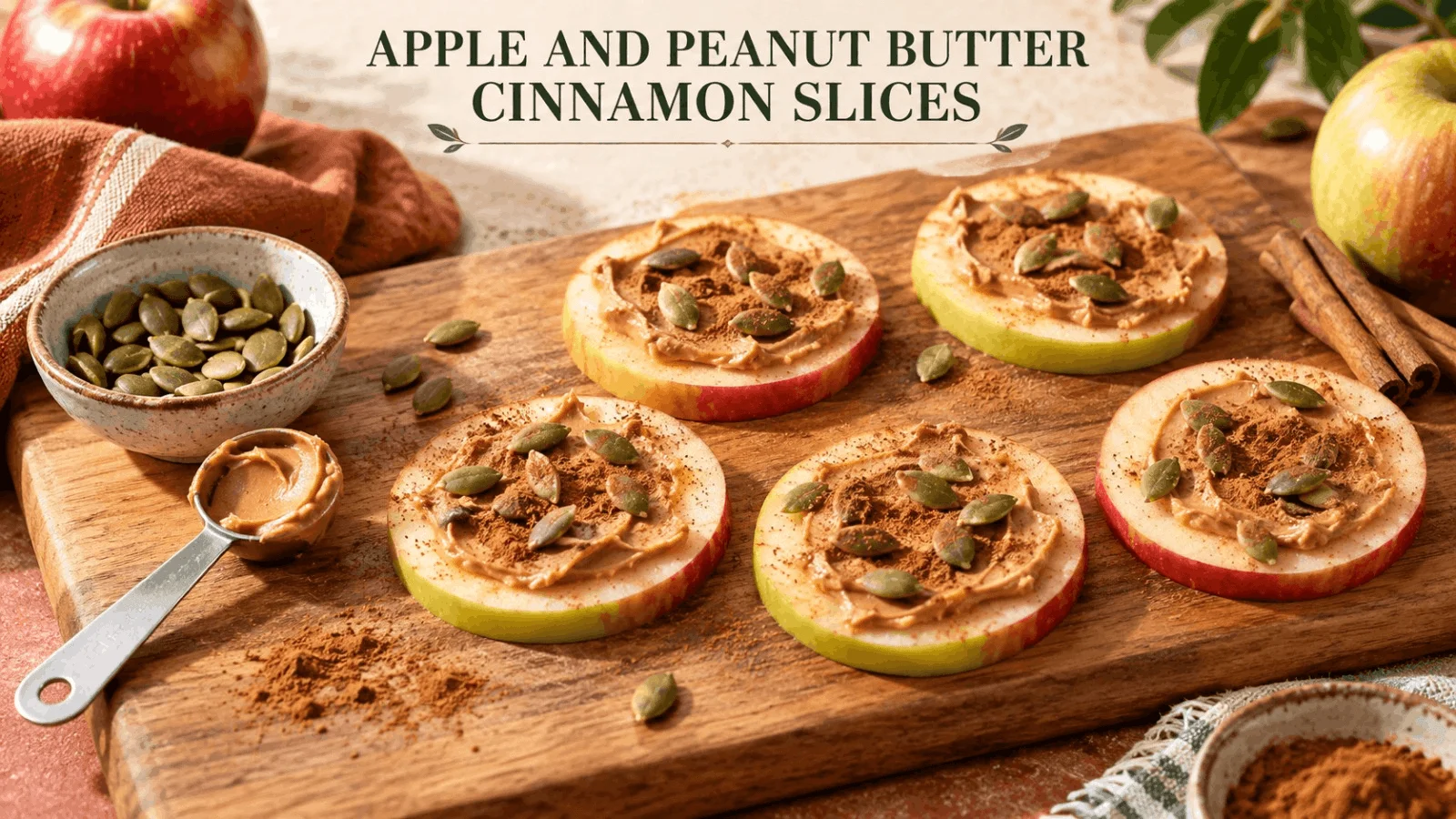
Ingredients: One small apple, natural peanut butter without added sugar, cinnamon, and a few pumpkin seeds. Method: Slice the apple into thin rounds. Spread a small amount of peanut butter on each slice and sprinkle with cinnamon and a few seeds. Why it works: The apple brings sweetness and fiber, while peanut butter and seeds add fat and protein for a more complete snack. It is easy to assemble at a desk or before work activities. Practical note: Peanut butter is energy-dense, so measure it instead of spreading freely from the jar. Use sunflower-seed butter if there is a nut allergy, and check that it has no added sugar.
5. Lemon Herb Hummus Lettuce Cups
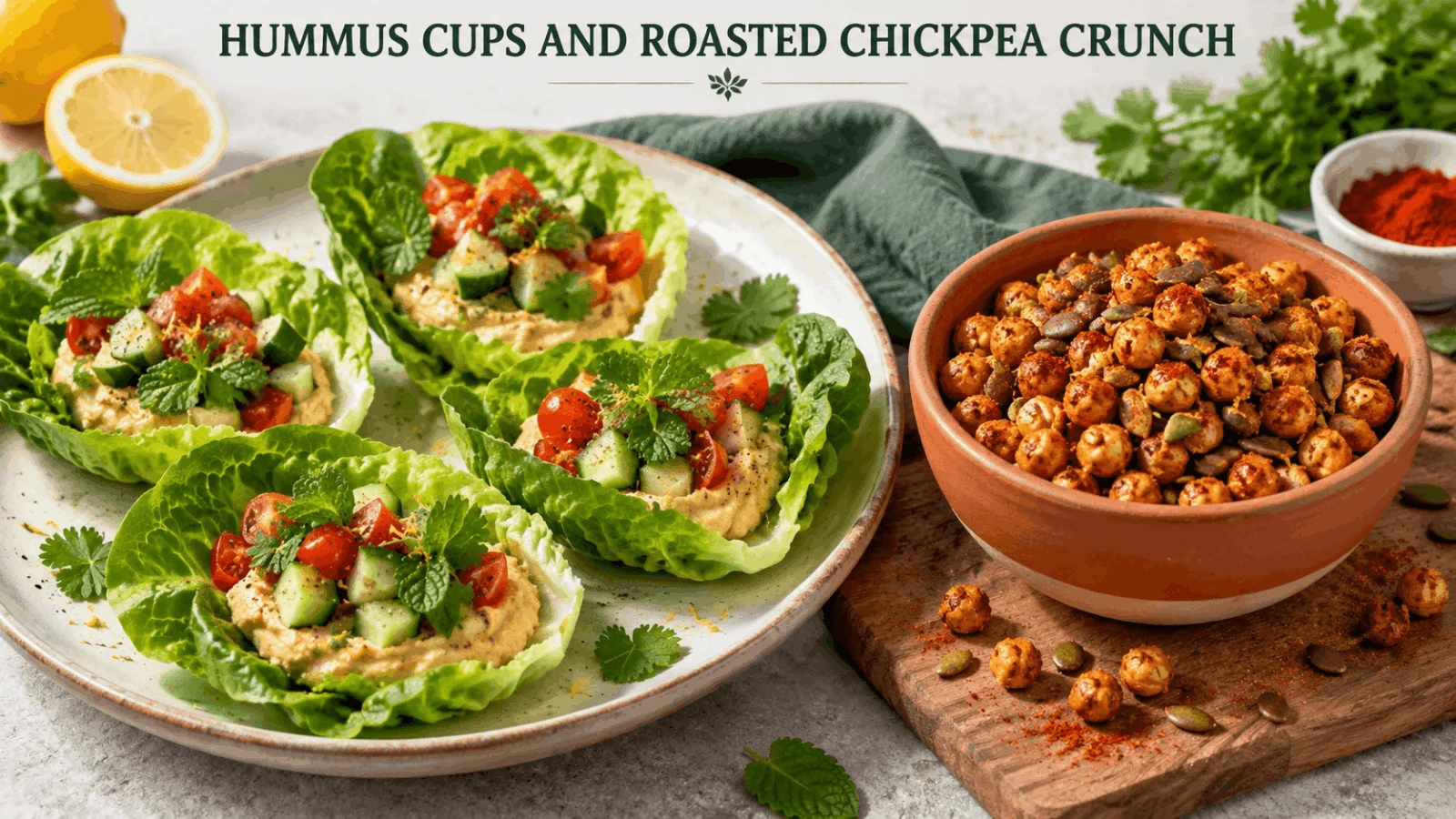
Ingredients: Hummus, romaine or lettuce leaves, cucumber, chopped tomato, lemon juice, and fresh mint or coriander. Method: Place the lettuce leaves on a plate. Add a spoonful of hummus, cucumber, tomato, lemon juice, and herbs. Fold and eat like small wraps. Why it works: Chickpeas provide plant protein and fiber, while the vegetables add volume and freshness. The lettuce cups are a useful alternative to bread when you want a lighter snack. Practical note: Hummus still contains carbohydrate and calories. Use a measured portion, particularly if the snack is served alongside crackers or a full meal. Keep the lettuce dry so the cups do not become soggy.
6. Savory Cottage Cheese Tomato Bowl
Ingredients: Cottage cheese, chopped tomatoes, cucumber, black pepper, paprika, and a few pumpkin seeds. Method: Add the cottage cheese to a bowl. Top with tomato, cucumber, paprika, pepper, and seeds. Serve cold. Why it works: This recipe has a soft, filling base and fresh vegetables. It takes less than five minutes and can replace the habit of eating salty packaged snacks in the afternoon. Practical note: Cottage cheese can be high in sodium. Compare brands and select a portion that suits your plan. If you have been advised to limit dairy, potassium, or phosphorus, ask your clinician before making it a regular choice.
7. Roasted Chickpea and Seed Crunch
Ingredients: Cooked chickpeas, pumpkin seeds, paprika, cumin, black pepper, and a small amount of olive oil. Method: Dry the chickpeas well, toss with oil and spices, and roast until crisp. Add the seeds near the end so they do not burn. Cool fully before storing. Why it works: The snack offers crunch without depending on fried chips. Chickpeas and seeds bring fiber, plant protein, and flavor that can be adjusted with herbs and spices. Practical note: Chickpeas contain carbohydrate, so portion the finished mixture into small containers. Avoid heavily salted seasoning if blood pressure or kidney health is a concern.
8. Tofu Edamame Salad Cups
Ingredients: Baked tofu cubes, shredded cabbage, cucumber, lime juice, and sesame seeds. Method: Combine the tofu, edamame, cabbage, and cucumber. Add lime juice and a small sprinkle of sesame seeds. Serve in lettuce cups or a small bowl. Why it works: This plant-based recipe gives variety beyond eggs and dairy. The cabbage and cucumber add crunch, while tofu and edamame make the snack more substantial. Practical note: Choose a lower-sodium tofu and avoid sweet bottled sauces. If soy does not suit you, replace it with a protein that you tolerate and that fits your plan.
9. Cinnamon Oat and Walnut Mini Bowl
Ingredients: A small portion of rolled oats, water or unsweetened milk, cinnamon, chopped walnuts, and a few berries. Method: Cook the oats until soft. Stir in cinnamon and top with walnuts and berries. Let it cool slightly before eating. Why it works: Oats provide a warm, comforting option for a cool morning or a planned evening snack. Walnuts and berries add texture so the bowl does not depend on sugar for satisfaction. Practical note: Oats are a carbohydrate food, so the portion matters. Do not add honey, brown sugar, or a large serving of dried fruit without considering the extra carbohydrate. If you need a specific carbohydrate limit, ask a dietitian to adapt the recipe.
10. Frozen Yogurt Berry Bites
Ingredients: Plain yogurt, berries, unsweetened shredded coconut, and chopped nuts or seeds if appropriate. Method: Spoon small circles of yogurt onto a lined tray. Press a berry into each circle and add a little coconut or seed. Freeze until firm and store in a sealed container. Why it works: These bites feel like a treat but use a simple unsweetened base. The small size makes portioning easier than eating directly from a large frozen dessert container. Practical note: Let one or two bites soften before eating. Cold foods can be easy to eat quickly, so pause and notice whether you are still hungry. Keep the recipe free from sweetened toppings unless they fit your plan.
How to Use the Recipes During a Normal Week
Integrating these healthy snacks recipes for diabetics into your daily routine requires minimal prep time.
Choose two recipes for preparation day rather than making all ten. For example, prepare egg muffin cups for busy mornings and roasted chickpea crunch for the workday. Keep yogurt cups and cucumber tuna boats for days when a refrigerator is available. Use the frozen bites as an occasional planned treat rather than an automatic dessert every night.
Prepare ingredients in a simple order: wash vegetables, boil eggs, portion nuts or seeds, and label containers with the preparation date. A clear container at eye level is more helpful than a perfect meal plan hidden at the back of the refrigerator.
For men with work and family responsibilities, the recipe must survive interruptions. Keep one shelf-stable backup, carry a suitable fast-acting carbohydrate source if your care plan requires it, and do not depend on a fresh recipe when travel or long meetings make storage uncertain.
Healthy Bedtime Snack Ideas from These Recipes
Bedtime eating is not automatically good or bad. Some men need a snack because of their medication schedule or a long gap after dinner. Others eat at night from stress or habit. If your clinician has advised a bedtime snack, a small yogurt cup, cottage cheese bowl, or one egg muffin may be more deliberate than sweets.
Do not use a bedtime recipe to self-correct medicine or treat an unexplained low. If you wake with sweating, shaking, confusion, or repeated unusual readings, speak with your care team. A snack may be part of the plan, but the cause still needs attention.
How to Make These Recipes Work After 40
These recipes are practical tools, not treatments for diabetes, weight loss, or hormone health. Their value is that they make it easier to prepare vegetables, fiber, protein, and measured portions before a busy afternoon or delayed dinner.
Choose recipes that match your equipment, storage space, budget, and family routine. If muscle preservation is a goal, combine regular meals with safe resistance exercise, adequate sleep, and professional guidance when needed. Our healthy protein snacks for diabetes guide explains how to compare protein choices beyond recipes.
Common Mistakes People Make
Making every recipe too complicated
While preparing healthy snacks recipes for diabetics, many people make a few common mistakes that can easily be avoided.
Long ingredient lists discourage repeat use. Correction: begin with recipes that have five or fewer main ingredients and add variety through herbs and spices.
Treating a healthy recipe as unlimited
Oats, nuts, seeds, fruit, and beans can be nutritious but still contain calories or carbohydrate. Correction: portion the finished recipe before serving.
Forgetting food safety
Eggs, yogurt, fish, and cooked foods need proper chilling. Correction: use clean containers, refrigerate promptly, and discard food that has been stored unsafely.
Adding sugar because the recipe feels plain
Honey, dates, syrups, and sweetened granola can change the recipe quickly. Correction: try cinnamon, citrus, vanilla, mint, or a small portion of fruit first.
Copying online portions
The same bowl may suit one person and be too much for another. Correction: match portions with your meal plan, medication, activity, and appetite.
Ignoring kidney or heart concerns
Some protein foods are high in sodium, potassium, or phosphorus. Correction: ask a qualified professional to adapt recipes when you have a related medical condition.
Changing medication with the menu
More regular snacks can change the timing of carbohydrate intake. Correction: keep medicine adjustments with your prescribing team.
Preparing too many recipes at once
An overloaded refrigerator creates waste and frustration. Correction: prepare two recipes, use them, and then choose the next two.
Simple Action Plan to Start
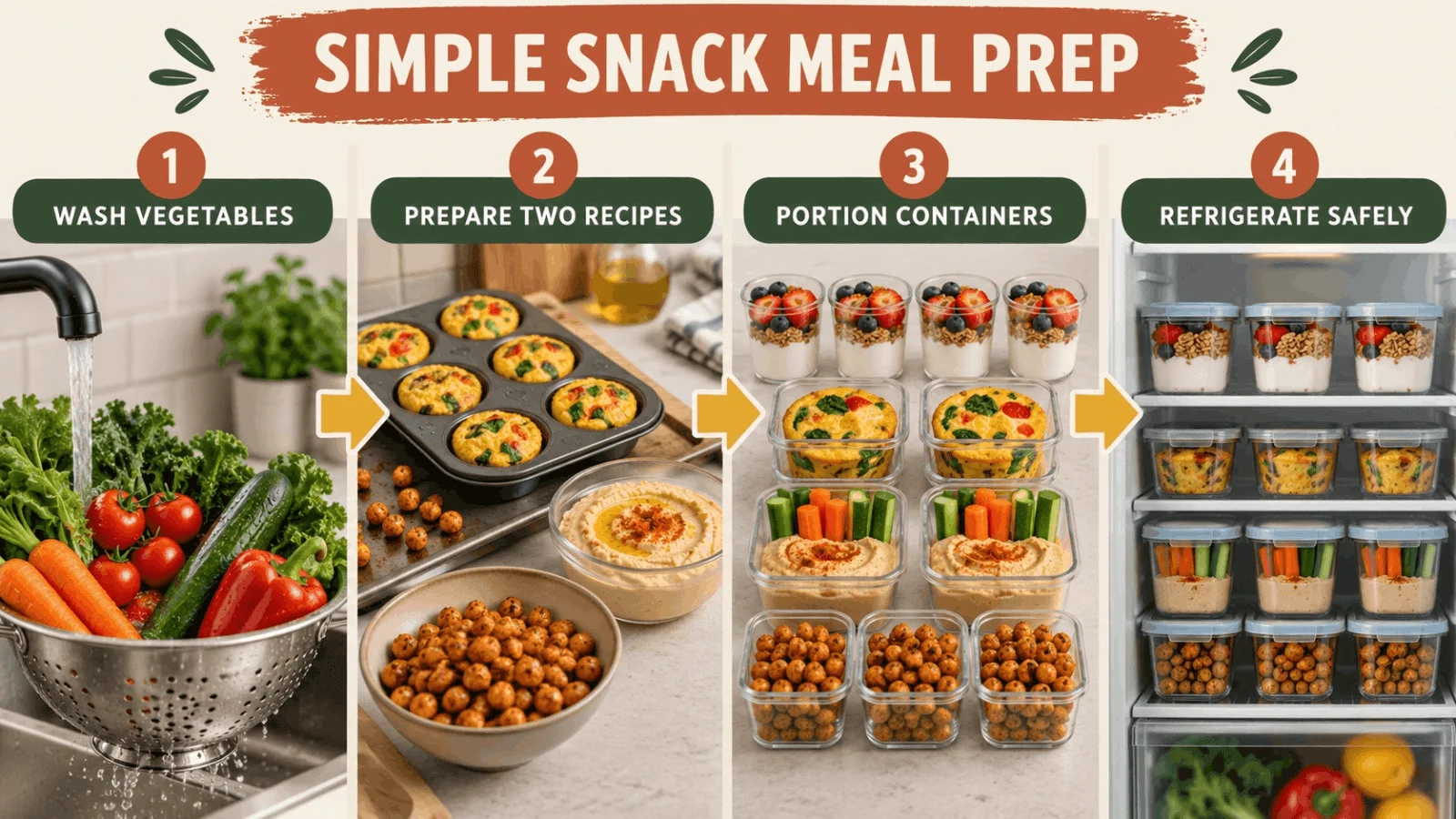
Day 1: Select one savory recipe and one recipe with fruit. Check the ingredients against allergies, medication needs, and your household budget.
Day 2: Shop only for those two recipes. Buy small quantities until you know which flavors you will repeat.
Day 3: Prepare and portion the snacks. Label the containers and place one option where you normally feel snack cravings.
Days 4–7: Use the recipes at planned times. Notice hunger, enjoyment, energy, digestion, and any glucose information you already collect as part of your care plan.
Week 2: Keep the recipes that were practical and change one ingredient in the others. If a symptom or reading is concerning, stop experimenting and discuss it with a qualified professional.
Safety Before Using New Snack Recipes
This article is general education, not a diagnosis or treatment plan. Speak with a qualified doctor, diabetes educator, or registered dietitian before changing your eating routine if you have diabetes, kidney disease, heart disease, food allergies, digestive disease, a history of low blood sugar, or difficulty swallowing. Ask for individual guidance if you use insulin or another medicine that can lower glucose, are pregnant, are losing weight without trying, or are unsure how to eat around exercise.
A recipe is not the emergency treatment for severe low blood sugar. Follow the plan given by your care team and seek urgent help for severe confusion, fainting, chest pain, trouble breathing, or symptoms that do not improve as instructed. Do not drive when you are confused or severely unwell.
For food safety, refrigerate perishable ingredients and cooked snacks promptly. Do not leave perishable food at room temperature for more than two hours, and use cooked leftovers within the time recommended by official food-safety guidance.See FoodSafety.gov’s four steps to food safety for current storage and handling advice.
Frequently Asked Questions
What are healthy snacks recipes for diabetics?
They are simple snack preparations that use sensible portions of carbohydrate, protein, fiber, or healthy fat without relying mainly on added sugar. Examples include yogurt cups, egg muffins, hummus lettuce cups, and roasted chickpeas.
Can people with diabetes eat fruit in snack recipes?
Many people can include whole fruit, but the portion and the rest of the recipe matter. Whole fruit provides more texture and fiber than juice. Pairing it with plain yogurt, seeds, or a suitable protein may make the snack more satisfying.
Which recipe is best for a healthy bedtime snack?
There is no universal best choice. If your clinician has advised a bedtime snack, a small plain yogurt cup, cottage cheese bowl, or egg muffin may be practical. Do not add a bedtime snack to correct medication without guidance.
Are oats safe in a diabetes-friendly snack?
Oats contain carbohydrate, but a measured serving can fit many eating plans. Avoid assuming that a large bowl is suitable. Use plain oats, add flavor with cinnamon or berries, and ask for individual advice if you count carbohydrates.
Can I prepare these recipes for several days?
Some recipes can be prepared in batches, but storage time depends on the ingredients and temperature. Keep eggs, dairy, fish, and cooked foods chilled, use clean containers, label dates, and follow safe food-handling guidance.
Do these recipes help reduce belly fat?
They may replace highly processed snacks and support a balanced eating pattern, but no recipe targets belly fat by itself. Waist change depends on the wider pattern of food, activity, sleep, stress, and medical factors.
Are protein snacks better than carbohydrate snacks?
Not automatically. A balanced snack can include carbohydrate, especially when it comes from fruit, beans, oats, or whole grains. The better choice depends on your plan, portion, fullness, and medication needs.
When should I ask a doctor about snack changes?
Ask when you have repeated high or low readings, severe hunger, dizziness, unexplained weight change, kidney disease, food allergies, or uncertainty about medication timing. Professional advice can make the recipes safer and easier to personalize.
Final Thoughts: Make Recipes Easier Than Impulse Eating
These healthy snacks recipes for diabetics are not meant to create a perfect menu or replace medical care.
One thing I have learned from watching real routines is that healthy food becomes more realistic when it is prepared before the difficult moment arrives. These healthy snacks recipes for diabetics are not meant to create a perfect menu or replace medical care. They are small tools for making a busy afternoon, a long commute, or a quiet evening more manageable.
Start with two recipes, portion them honestly, and keep notes about what fits your energy, appetite, family, and glucose plan. Men over 40 do not need another extreme rule. They need food they can prepare, enjoy, and repeat with confidence.