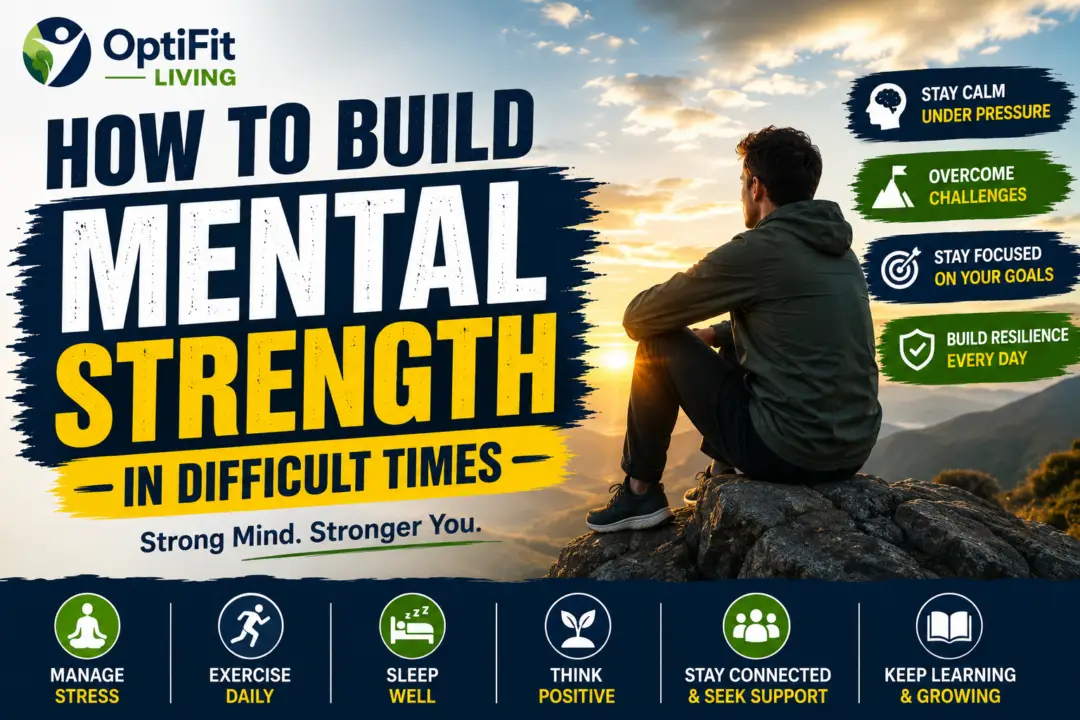
After turning 40, many men start to understand stress differently. It is not only a feeling in the mind. It can show up in the body too. You may feel more tired than usual, gain belly fat, sleep poorly, lose patience, feel less motivated, or notice that your strength and confidence do not feel the same.
Like many men over 40, you may keep pushing through work pressure, family responsibility, financial planning, health worries, and daily deadlines without realizing how much stress is affecting your body. The problem is that long-term stress does not stay only in your thoughts. It can affect sleep, appetite, energy, blood sugar habits, body weight, and male hormone balance.
Understanding stress and its effect on male hormones is important because hormones are part of the body’s control system. They influence energy, strength, mood, fat storage, recovery, sleep, and sexual health. Stress does not automatically destroy testosterone or male health, but when it becomes constant, unmanaged, and combined with poor sleep, weight gain, and low activity, it can create a cycle that many men feel deeply after 40.
In this article, you will learn what stress does to the male body, how it may affect hormones, why belly fat and sleep matter, what warning signs to watch for, which mistakes to avoid, and what practical steps men over 40 can take to protect energy, confidence, and long-term health.
What Is Stress?
Stress is the body’s response to pressure, tension, change, or challenge. It can happen because of work, money, family issues, health concerns, deadlines, conflict, lack of sleep, or even constant overthinking.
Some stress is normal. In fact, short-term stress can help you focus, take action, and handle urgent situations. The problem begins when stress becomes frequent or constant.
There are two simple types to understand.
Short-Term Stress
Short-term stress happens for a limited time. For example, you have an important meeting, a sudden deadline, or a difficult conversation. Your body becomes alert, and after the situation passes, it returns to normal.
Long-Term Stress
Long-term stress continues for days, weeks, months, or years. This type is more harmful because the body does not get enough time to recover.
Long-term stress may come from:
- Job pressure
- Financial strain
- Family responsibilities
- Health problems
- Poor sleep
- Relationship tension
- Overwork
- Caregiving duties
- Lack of personal time
- Constant screen exposure
- Unhealthy lifestyle habits
Many men do not call this “stress.” They call it life. But the body still feels the load.
Why Stress Matters More After 40
After 40, the body usually needs better recovery than before. Sleep becomes more important. Muscle maintenance becomes more important. Belly fat becomes easier to gain. Blood sugar control becomes more important. Mental peace becomes more valuable.
When stress is high, men may start making choices that slowly affect health.
They may:
- Sleep late
- Skip exercise
- Eat more at night
- Drink more caffeine
- Sit longer
- Avoid health checkups
- Become irritable
- Lose interest in fitness
- Gain belly fat
- Feel mentally drained
One thing that becomes clear after 40 is that stress does not always look dramatic. Sometimes it looks like a man quietly losing energy, strength, patience, sleep, and discipline.
That is why stress management is not a luxury. It is part of men’s health.
How Male Hormones Work in Simple Language
Hormones are chemical messengers. They travel through the body and tell organs and tissues what to do. For men, several hormones are important for energy, strength, weight control, mood, and sexual health.
Testosterone
Testosterone is the main male sex hormone. It supports muscle, bone strength, sex drive, mood, red blood cell production, confidence, and general vitality.
Cortisol
Cortisol is often called the stress hormone. It helps the body respond to stress. It also affects energy, blood sugar, inflammation, and the sleep-wake cycle.
Cortisol is not bad. You need it. The problem is when stress keeps cortisol patterns disturbed for too long.
Insulin
Insulin helps move sugar from the blood into cells for energy. Stress, poor sleep, belly fat, and low activity can all affect blood sugar habits.
Thyroid Hormones
Thyroid hormones help control metabolism and energy. Stress can affect lifestyle habits that influence how energetic or sluggish you feel, though thyroid problems need medical testing.
Sleep-Related Hormones
Sleep affects hormones related to hunger, recovery, stress, and energy. Poor sleep can make appetite and cravings harder to control.
The body works as a system. When stress affects sleep, food, movement, and weight, hormones can also be affected.
Stress and Its Effect on Male Hormones
Stress and its effect on male hormones is not always simple. Stress does not affect every man the same way. But when stress becomes long-term, it can disturb the habits and body systems that support healthy male hormones.
Here are the main ways stress can affect men over 40.
1. Stress Can Affect Testosterone Support
Testosterone is connected to sleep, body weight, exercise, and general health. Long-term stress can interfere with these areas.
When a man is stressed, he may sleep poorly, eat more comfort food, exercise less, and gain belly fat. Over time, these lifestyle changes can make it harder to maintain healthy testosterone levels.
Stress may also reduce motivation for strength training and healthy eating. That matters because muscle maintenance and fat control are important for male hormone health after 40.
Practical Meaning
Instead of thinking only, “How do I boost testosterone?” a better question is:
“What daily stress habits are reducing my sleep, movement, food quality, and recovery?”
That is where real improvement often begins.
2. Stress Can Increase Belly Fat Risk
Many men over 40 notice belly fat during stressful periods. This can happen for several reasons.
Stress can increase cravings for sweet, salty, or high-calorie foods. It can also lead to late-night eating, emotional eating, and less physical activity.
When stress affects sleep, hunger can become harder to control. A tired man is more likely to choose quick food, skip workouts, and depend on caffeine.
Belly fat matters because it is linked with metabolic health, blood sugar, and hormone balance.
This connects naturally with: Why Belly Fat Gets Harder to Lose After 40.
3. Stress Can Affect Blood Sugar Habits
Stress can affect blood sugar in more than one way. The CDC notes that stress can increase blood sugar levels, and losing even one night of sleep can make the body use insulin less well.
For men over 40, this matters because blood sugar control is closely linked with energy, hunger, belly fat, and long-term health.
If you feel tired after meals, crave sweets, or get afternoon energy crashes, stress and sleep may be part of the picture.
Practical Meaning
Managing stress is not only about feeling calm. It can also support better food choices, better sleep, and better energy control.
4. Stress Can Disturb Sleep
Sleep is one of the biggest links between stress and male hormones.
When a man is stressed, his mind may stay active at night. He may wake up during sleep, sleep lightly, or wake up tired. Poor sleep can then increase stress the next day.
The CDC explains that adults need 7 or more hours of sleep per night, and getting enough sleep can help reduce stress, improve mood, support a healthy weight, and improve heart health and metabolism.
For men over 40, poor sleep can affect:
- Energy
- Recovery
- Appetite
- Belly fat
- Mood
- Focus
- Exercise performance
- Testosterone support
This connects strongly with: Why Sleep Becomes Important After 40.
5. Stress Can Lower Exercise Motivation
When stress is high, exercise is often the first habit men drop. But movement is one of the best ways to manage stress and support hormone health.
The CDC notes that physical activity can help you feel better, function better, and sleep better. It can also immediately reduce feelings of anxiety and improve sleep quality.
The problem is that many men wait to feel motivated before exercising. But motivation often comes after movement, not before it.
A simple 10-minute walk can calm the mind, improve blood flow, and help reset the day.
6. Stress Can Affect Mood and Confidence
Stress can make a man feel impatient, frustrated, anxious, or mentally tired. It can also reduce confidence because the man may feel he is losing control of his body and routine.
When stress affects hormones, sleep, weight, and energy, confidence often drops. A man may stop socializing, avoid exercise, or feel less like himself.
This is why mental wellness is not separate from physical health. They are connected.
7. Stress Can Affect Sexual Health
Stress can affect sexual desire and performance. This may happen because stress affects mood, sleep, energy, and relationship connection.
A stressed man may feel physically present but mentally overloaded. He may have less interest, less confidence, or more performance anxiety.
This does not always mean testosterone is low. It may mean the body and mind are tired.
If sexual symptoms are ongoing, it is wise to speak with a healthcare professional. Conditions such as diabetes, blood pressure problems, depression, medication side effects, and low testosterone can also play a role.
Warning Signs Stress Is Affecting Your Body
Stress may be affecting your body if you notice:
- Poor sleep
- Morning tiredness
- Increased belly fat
- Low energy
- Low sex drive
- Irritability
- Brain fog
- More cravings
- Headaches
- Tight shoulders or neck
- Poor digestion
- High caffeine dependence
- Skipping workouts
- Increased blood sugar readings
- Lack of motivation
- Feeling emotionally flat
If these signs continue for weeks or months, it is time to take stress seriously.
Who Is Most Affected?
Stress can affect any man, but some men over 40 are at higher risk.
Busy Professionals
Men with demanding jobs, long sitting hours, deadlines, travel, and leadership pressure often carry stress silently.
Men With Belly Fat
Belly fat and stress often create a cycle. Stress leads to poor habits, poor habits increase belly fat, and belly fat lowers confidence.
Men With Poor Sleep
Poor sleep makes stress harder to manage and can affect appetite, energy, and recovery.
Men With Blood Sugar Concerns
Stress and poor sleep can affect blood sugar habits, which is important for men with prediabetes, diabetes risk, or energy crashes.
Men Who Do Not Exercise
Low movement makes stress feel heavier. The body needs movement to release tension.
Men Who Never Talk About Stress
Many men are trained to stay quiet and keep pushing. But silence does not remove stress from the body.
The Benefits of Managing Stress
Managing stress can improve more than mood. It can support total health.
Benefits may include:
- Better sleep
- More stable energy
- Improved mood
- Better workout consistency
- Less emotional eating
- Improved focus
- Better blood sugar habits
- Reduced belly fat risk
- More confidence
- Better relationships
- Improved recovery
- Healthier aging
Stress management is not about removing all problems. It is about improving your response to them.
Practical Solutions for Men Over 40
The best stress solutions are simple and realistic. You do not need to escape your responsibilities. You need daily habits that help your body recover.
1. Walk Every Day
Walking is one of the easiest stress-relief habits.
A walk gives your mind space and your body movement. It supports blood flow, helps reduce tension, and may improve sleep.
Simple Target
Start with 10 minutes daily.
Then build toward 20–30 minutes most days.
Even a short walk after dinner can help calm the body and support blood sugar habits.
2. Strength Train 2–3 Times Weekly
Strength training is powerful for men over 40.
It helps build muscle, protect joints, support metabolism, improve confidence, and reduce stress.
You can start with:
- Squats
- Push-ups
- Dumbbell rows
- Glute bridges
- Shoulder press
- Planks
- Farmer’s carries
You do not need heavy lifting in the beginning. Focus on form and consistency.
3. Protect Your Sleep
Sleep is one of the strongest tools for hormone support.
Try these habits:
- Keep a regular sleep and wake time
- Avoid heavy dinners late at night
- Reduce screens before bed
- Keep the bedroom cool and dark
- Avoid caffeine late in the day
- Use a short evening walk
- Practice deep breathing before sleep
Sleep is not wasted time. It is recovery time.
4. Reduce Late-Night Eating
Many stressed men eat heavily at night. This can disturb sleep, increase weight gain, and affect morning energy.
Try a lighter dinner with:
- Protein
- Vegetables
- Controlled portions of rice or bread
- Less fried food
- Less sugar
Avoid turning dinner into stress therapy.
5. Use Deep Breathing
Breathing exercises are simple but effective.
Try this:
- Inhale through the nose for 4 seconds
- Hold for 2 seconds
- Exhale slowly for 6 seconds
- Repeat for 3–5 minutes
Use it after work, before sleep, or before a stressful meeting.
6. Create Phone Boundaries
Constant phone use keeps the mind overstimulated.
Try:
- No phone for the first 20 minutes after waking
- No work messages during meals
- No phone 30 minutes before sleep
- Remove unnecessary notifications
- Avoid stressful news before bed
Your mind needs quiet space.
7. Eat Balanced Meals
Stress eating often leads to sugar, fried foods, and oversized portions.
A better plate includes:
- Protein
- Vegetables
- Whole grains
- Healthy fats
- Water
Good options:
- Eggs
- Chicken
- Fish
- Lentils
- Beans
- Greek yogurt
- Nuts
- Seeds
- Fruits
- Vegetables
The CDC recommends healthy eating patterns that include fruits, vegetables, whole grains, lean protein, and low-fat dairy while limiting added sugars, saturated fats, and sodium.
8. Talk to Someone You Trust
Stress becomes heavier when it stays inside.
Talking to a trusted friend, family member, counselor, or doctor can help. Men do not need to carry everything alone.
The CDC also suggests staying connected and talking with people you trust as part of coping with stress.
Real-World Examples
Example 1: The Office Manager With Constant Pressure
A man in his 40s manages teams, deadlines, and family responsibilities. He sleeps late, checks messages early, and feels tired all day.
Better plan:
- No phone first 20 minutes
- 10-minute morning walk
- 3 priority list for work
- Light dinner
- Sleep 30 minutes earlier
This reduces mental overload and supports better energy.
Example 2: The Man Gaining Belly Fat During Stress
He eats more at night, skips workouts, and feels his waist increasing.
Better plan:
- Walk after dinner
- Strength train twice weekly
- Protein at breakfast
- Reduce sugary tea and snacks
- Track waist once every two weeks
This helps break the stress-belly fat cycle.
Example 3: The Man With Low Energy and Poor Sleep
He wakes up tired and depends on coffee all day.
Better plan:
- Morning sunlight
- Water before coffee
- No caffeine late day
- Evening breathing exercise
- Fixed bedtime
Energy often improves when sleep improves.
Example 4: The Man Who Feels Mentally Drained
He is not physically sick, but feels emotionally flat and disconnected.
Better plan:
- Daily outdoor walk
- Talk to a trusted person
- Reduce screen overload
- Add one enjoyable hobby
- Consider professional support if symptoms continue
Mental wellness matters for men’s health.
Common Mistakes People Make
1. Ignoring Stress Until the Body Breaks Down
Many men wait until sleep, blood pressure, blood sugar, or mood becomes a serious problem. Stress should be managed early.
2. Depending Only on Caffeine
Coffee may help temporarily, but it does not fix poor sleep, stress, and low movement.
3. Using Food as Stress Relief
Food may comfort for a few minutes, but overeating at night often worsens belly fat, sleep, and energy.
4. Skipping Exercise When Stressed
Exercise is often needed most when stress is high. Even a short walk helps.
5. Following Social Media Hormone Advice
Many online posts exaggerate testosterone claims. Hormone health is not fixed by one trick, supplement, or extreme routine.
6. Ignoring Recovery
Training hard without sleep and rest can make stress worse. Recovery matters after 40.
7. Being Inconsistent
Stress management works through daily repetition. One relaxing weekend does not undo months of stress.
8. Looking for Quick Fixes
There is no one-day solution. Better hormones and energy come from better systems.
Simple Action Plan
Here is a realistic 4-week plan.
Week 1: Reduce the Stress Load
Focus on small changes.
Do:
- Walk 10 minutes daily
- Drink more water
- Sleep 20–30 minutes earlier
- Avoid phone 20 minutes before bed
- Write down top 3 tasks each morning
Goal: Create mental space.
Week 2: Add Movement and Structure
Do:
- Walk 20 minutes most days
- Strength train 2 times
- Add 3 minutes deep breathing daily
- Eat protein at breakfast
- Reduce sugary snacks
Goal: Use the body to manage stress.
Week 3: Improve Sleep and Food
Do:
- Keep a fixed sleep time
- Make dinner lighter
- Avoid caffeine late in the day
- Add vegetables to lunch and dinner
- Limit late-night phone scrolling
Goal: Improve recovery.
Week 4: Build Long-Term Control
Do:
- Strength train 3 times weekly
- Walk most days
- Track waist and energy
- Continue breathing practice
- Talk to someone if stress feels heavy
Goal: Turn stress management into a lifestyle.
When to Seek Professional Help
Stress is common, but you should seek help if it becomes overwhelming.
Speak to a healthcare professional if you have:
- Persistent sadness
- Anxiety that affects daily life
- Panic symptoms
- Severe sleep problems
- Chest pain
- Shortness of breath
- Very high blood pressure
- Sexual health problems that continue
- Unexplained fatigue
- Thoughts of self-harm
- Loss of interest in normal activities
There is strength in getting help early.
FAQ: Stress and Its Effect on Male Hormones
1. Can stress lower testosterone in men?
Long-term stress may affect the habits and body systems that support testosterone, such as sleep, exercise, weight control, and recovery. It may not affect every man the same way, but unmanaged stress can contribute to low energy and poor hormone health.
2. How does stress affect male hormones after 40?
After 40, stress can affect sleep, belly fat, blood sugar habits, appetite, mood, and exercise consistency. These factors are connected to male hormone balance and overall health.
3. Can stress cause belly fat in men?
Stress can increase cravings, emotional eating, poor sleep, and low activity. These habits can contribute to belly fat gain, especially in men over 40.
4. What are signs stress is affecting my hormones?
Possible signs include low energy, poor sleep, belly fat gain, low motivation, reduced sex drive, irritability, cravings, and weaker workout performance. These signs can also have other causes, so medical testing may be needed.
5. What is the best exercise for stress and hormones?
Walking and strength training are two of the best options. Walking calms the mind and supports blood sugar habits. Strength training helps muscle, confidence, and healthy aging.
6. Does better sleep help male hormone health?
Yes. Better sleep supports recovery, mood, energy, appetite control, and overall hormone balance. Adults generally need 7 or more hours per night.
7. Should I take testosterone supplements for stress?
Do not take testosterone or hormone supplements without medical guidance. Stress-related symptoms may improve with sleep, exercise, weight control, and better stress management, but persistent symptoms should be checked by a doctor.
8. How can busy men reduce stress daily?
Start with small habits: 10-minute walks, deep breathing, better sleep timing, less phone use, lighter dinners, strength training, and planning the top 3 tasks each morning.
Final words..
After 40, I have noticed that many men do not break down suddenly. They slowly lose energy, sleep, patience, fitness, and confidence while trying to handle everything alone. Stress may look normal from the outside, but the body keeps the score.
Stress and its effect on male hormones is not only about testosterone. It is about sleep, belly fat, blood sugar, mood, recovery, movement, and the daily habits that shape a man’s health.
The solution is not to remove every responsibility. That is not real life. The solution is to build a routine that helps your body recover from responsibility.
Start with a 10-minute walk. Sleep a little earlier. Lift weights twice this week. Eat a better breakfast. Breathe before bed. Talk when stress feels heavy.
Small daily actions can help a man over 40 feel calmer, stronger, and more in control again.