After turning 40, many men start noticing changes they did not pay much attention to before. Energy may feel lower. Belly fat may become harder to lose. Workouts may feel slower. Sleep may not feel as deep. Confidence may also be affected when the body does not respond the way it used to.
Like many men over 40, you may start wondering whether testosterone is part of the problem. Testosterone is important for male health, but it does not work alone. It is connected with sleep, stress, body weight, exercise, food, recovery, blood sugar habits, and overall lifestyle.
The good news is that there are healthy lifestyle habits that support testosterone naturally. These habits are not magic tricks. They do not promise overnight results. But when followed consistently, they can help support better energy, strength, mood, fat loss, recovery, and healthy aging.
In this article, you will learn what testosterone does, why lifestyle matters after 40, which habits support male hormone health, what mistakes to avoid, and how to follow a simple action plan that fits a busy professional life.
What Is Testosterone?
Testosterone is the main male sex hormone. It plays an important role in male development, but it continues to matter throughout adult life.
Testosterone supports:
- Muscle strength
- Bone health
- Sex drive
- Energy
- Mood
- Confidence
- Red blood cell production
- Fat distribution
- Recovery
- General vitality
Many men think testosterone is only about sexual health, but it affects much more than that. It is part of a larger system that influences how a man feels, moves, trains, sleeps, and ages.
However, it is important to understand one thing clearly: testosterone is not controlled by one habit alone. You cannot fix everything with one food, one supplement, or one workout. The body works as a system.
That is why a healthy lifestyle matters.
Why Testosterone Becomes a Bigger Concern After 40
After 40, men often face several changes at the same time.
Work pressure may increase. Sleep may reduce. Family responsibilities become heavier. Activity levels may drop. Belly fat may increase. Recovery may take longer. Stress may stay high for longer periods.
All of these changes can affect how a man feels.
One thing that becomes clear after 40 is that the body needs more care, not more punishment. Many men try to fix low energy by drinking more coffee or doing extreme workouts, but the real solution is usually better daily habits.
Testosterone may naturally decline with age, but lifestyle can influence how strong, energetic, and healthy a man feels. A man with better sleep, better food, regular movement, less belly fat, and lower stress often feels more in control than a man who ignores these basics.
Why Lifestyle Matters for Testosterone Support
Healthy testosterone support is not only about hormone levels. It is about creating the right environment inside the body.
Your body supports hormone balance better when you:
- Sleep enough
- Stay physically active
- Build or maintain muscle
- Manage stress
- Keep belly fat under control
- Eat enough protein
- Avoid crash diets
- Stay hydrated
- Control blood sugar habits
- Recover properly
When these basics are missing, a man may feel tired, weak, moody, or less motivated.
Lifestyle does not replace medical care. If a man has true low testosterone symptoms, he should speak with a qualified healthcare professional and get proper testing. But for many men, improving lifestyle is the best first step.
Warning Signs Your Lifestyle May Be Affecting Hormone Health
Your body often gives signs before bigger problems develop.
You may need to improve your lifestyle if you notice:
- Low energy most days
- Increased belly fat
- Poor sleep
- Low motivation
- Reduced workout strength
- Poor recovery
- Low mood
- More stress eating
- Brain fog
- Reduced sex drive
- Afternoon energy crashes
- Muscle loss
- Poor discipline with food
- Feeling older than your age
These signs do not automatically mean low testosterone. They can also be linked to sleep problems, stress, poor diet, blood sugar issues, lack of exercise, or other health conditions.
Still, they are useful signals. They tell you that your daily routine needs attention.
The Simple Science Behind Testosterone and Lifestyle
Think of testosterone support like keeping a machine running well. If the machine is overloaded, poorly fueled, not maintained, and never allowed to cool down, it will not perform well.
The body is similar.
Sleep Supports Recovery
Sleep helps the body repair and reset. Poor sleep can affect energy, appetite, mood, and recovery.
Exercise Supports Muscle
Strength training tells the body to maintain muscle. Muscle is important for metabolism, strength, confidence, and healthy aging.
Belly Fat Affects Hormone Health
Excess belly fat is linked with poor metabolic health. It can affect energy, blood sugar habits, and male hormone balance.
Stress Affects the Body System
Long-term stress can disturb sleep, appetite, food choices, exercise habits, and recovery.
Food Provides Building Blocks
Protein, healthy fats, vitamins, minerals, and whole foods help the body function properly.
In simple words, testosterone support is not one action. It is the result of many healthy actions working together.
Healthy Lifestyle Habits That Support Testosterone
The best testosterone-supporting habits are simple, realistic, and repeatable. Let’s look at the most important ones.
1. Prioritize Quality Sleep
Sleep is one of the strongest habits for men’s health after 40.
Many men try to improve energy without fixing sleep. They drink more coffee, take supplements, or push harder in the gym. But if sleep is poor, the body does not recover properly.
Why Sleep Matters
Good sleep supports:
- Energy
- Mood
- Recovery
- Appetite control
- Weight management
- Mental focus
- Exercise performance
- Hormone balance
Adults generally need enough sleep each night to function well. For most men, that means aiming for around 7 or more hours.
How to Improve Sleep
Try these habits:
- Sleep and wake at a regular time
- Avoid heavy meals late at night
- Reduce screens before bed
- Keep the bedroom cool and dark
- Avoid caffeine late in the day
- Take a short evening walk
- Practice deep breathing before sleep
This topic connects naturally with Why Sleep Becomes Important After 40.
2. Strength Train 2–3 Times Per Week
Strength training is one of the most important habits for men over 40.
Muscle naturally becomes harder to maintain with age, especially if you are inactive. Strength training helps protect muscle, improve posture, support metabolism, and build confidence.
Best Strength Exercises
You do not need complicated workouts. Focus on basic movements:
- Squats
- Push-ups
- Dumbbell rows
- Chest press
- Shoulder press
- Deadlifts with light weights
- Glute bridges
- Planks
- Farmer’s carries
Why Strength Training Helps
Strength training supports:
- Muscle maintenance
- Better body composition
- Stronger bones
- Improved insulin sensitivity
- Better posture
- More confidence
- Healthy aging
Start with 2 days per week if you are busy. Build toward 3 days when possible.
This connects well with How Often Should You Exercise Weekly.
3. Walk Daily
Walking may look simple, but it is powerful.
For men over 40, walking is one of the easiest ways to support energy, belly fat control, blood sugar habits, heart health, and mental wellness.
How Walking Supports Testosterone Health
Walking does not directly act like a hormone treatment. But it supports many areas that matter for male hormones:
- Better weight control
- Less stress
- Better blood sugar habits
- Improved sleep
- Better mood
- More daily calorie burn
- Reduced stiffness
Simple Walking Plan
Start with:
- 10 minutes after meals
- 20–30 minutes most days
- Brisk pace when possible
- Outdoor walking for sunlight and mood
Walking is especially useful for busy men because it does not require special equipment.
This connects naturally with Walking vs Running – Which Is Better.
4. Reduce Belly Fat Gradually
Belly fat is one of the biggest concerns for men over 40.
It affects how clothes fit, how confident a man feels, and how the body functions internally. Excess belly fat is also connected with blood sugar issues, sleep problems, inflammation, and hormone health.
Why Belly Fat Matters
Belly fat is not only about appearance. It is linked with several health risks. It may also affect the body’s hormone environment.
For men over 40, reducing waist size is often more meaningful than only checking body weight.
How to Start
Focus on:
- Walking daily
- Strength training
- Protein at each meal
- Smaller dinner portions
- Less sugar
- Fewer fried foods
- Better sleep
- Less late-night eating
Measure your waist every two weeks. A smaller waist is a strong sign of progress.
5. Eat Enough Protein
Protein is essential for muscle maintenance and recovery.
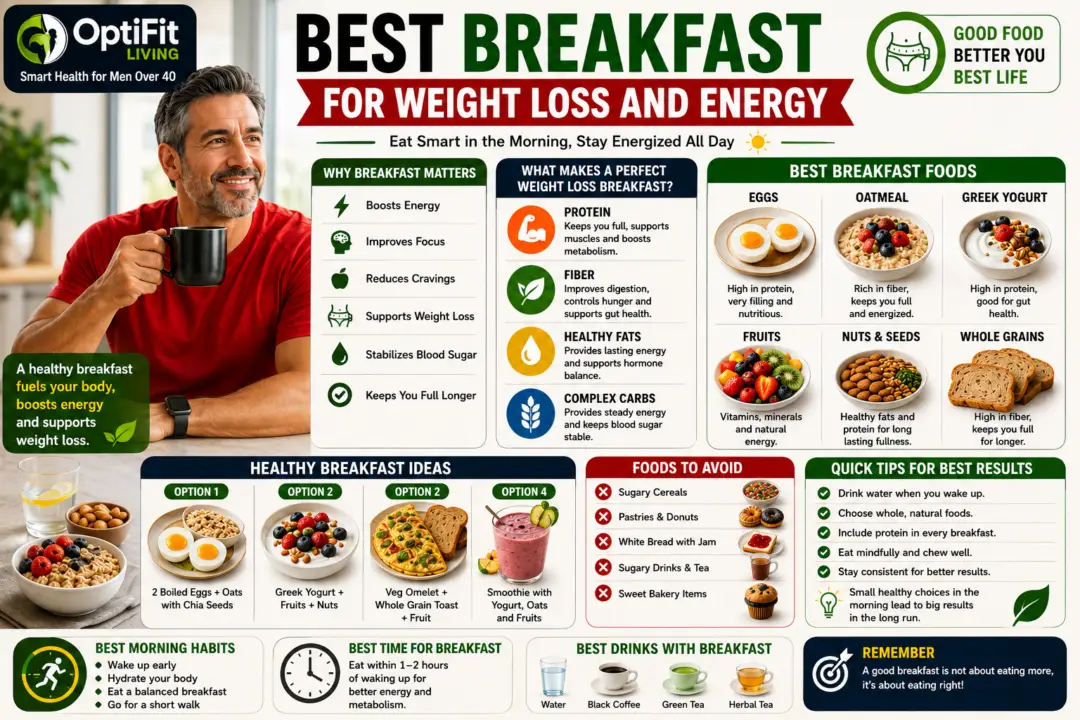
Many men over 40 do not eat enough protein, especially if breakfast is mostly tea, bread, biscuits, or sugary foods. Low protein can make it harder to maintain muscle during weight loss.
Good Protein Options
Choose from:
- Eggs
- Chicken
- Fish
- Lean meat
- Greek yogurt
- Cottage cheese
- Lentils
- Beans
- Chickpeas
- Whey protein if suitable
Simple Rule
Try to include protein with every meal.
For example:
- Breakfast: eggs or yogurt
- Lunch: chicken, fish, lentils, or beans
- Dinner: lean protein with vegetables
Protein helps you feel full, supports muscle, and helps reduce unnecessary snacking.
6. Do Not Follow Crash Diets
Crash dieting is one of the biggest mistakes men make when trying to lose belly fat quickly.
Very low-calorie diets may reduce weight fast at first, but they can also cause weakness, cravings, poor mood, muscle loss, and low energy.
For testosterone support, extreme dieting is not the best approach.
Better Approach
Use a steady, realistic plan:
- Eat slightly smaller portions
- Increase protein
- Add vegetables
- Reduce sugar
- Reduce fried foods
- Walk daily
- Strength train
- Sleep better
Weight loss should support strength and energy, not destroy them.
7. Eat Healthy Fats
Some men think fat is always bad. That is not true.
Healthy fats are important for overall health. The key is to choose better sources and avoid overeating.
Good Fat Sources
- Olive oil
- Nuts
- Seeds
- Avocado
- Fatty fish
- Whole eggs
Foods to Limit
- Deep-fried foods
- Highly processed snacks
- Trans fats
- Excess fast food
- Heavy creamy sauces
- Too many bakery items
Balance matters. Healthy fats can support meals, but portions still count.
8. Manage Stress Daily
Stress is one of the most overlooked factors in men’s health.
Many men over 40 carry stress silently. Work pressure, family duties, money concerns, and health worries can stay in the mind all day.
Long-term stress can affect sleep, eating habits, exercise consistency, belly fat, mood, and energy.
Simple Stress Habits
Try:
- 10-minute walks
- Deep breathing
- Prayer or quiet time
- Less phone use before bed
- Talking to someone trusted
- Better work planning
- Strength training
- Spending time outdoors
Stress management is not weakness. It is maintenance.
This connects naturally with Why Mental Health Matters for Men.
9. Improve Blood Sugar Habits
Blood sugar control is important for energy, weight, cravings, and long-term health.
After 40, many men notice they feel sleepy after meals, crave sweets, or gain belly fat easily. These signs may be connected with poor blood sugar habits.
Habits That Help
- Walk after meals
- Eat protein with carbs
- Choose whole grains more often
- Reduce sugary drinks
- Avoid oversized dinner portions
- Strength train regularly
- Sleep better
Better blood sugar habits can improve energy and reduce cravings.
10. Limit Alcohol and Smoking
Alcohol and smoking can affect sleep, recovery, energy, heart health, and overall wellness.
If a man drinks often, sleeps poorly, and gains belly fat, testosterone support becomes harder.
Smoking also harms blood vessels and long-term health.
The best approach is to reduce or avoid habits that damage recovery and energy.
11. Stay Hydrated
Water is simple, but many men ignore it.
Dehydration can make you feel tired, dull, and less focused. If you drink mostly tea, coffee, or sweet drinks, you may still not be well hydrated.
Simple Hydration Habit
- Drink water after waking
- Keep a bottle at work
- Drink before meals
- Drink more when exercising
- Reduce sugary drinks
You do not need to overdo it. Just make water your main drink.
12. Get Sunlight and Check Vitamin D When Needed
Sunlight supports the body’s natural rhythm and general health. Many men spend most of the day indoors, especially office workers.
Morning sunlight can help improve alertness and sleep timing.
If you feel constantly tired or have low vitamin D risk, speak with a healthcare professional about testing. Do not take high-dose supplements without guidance.
13. Build a Consistent Routine
Consistency is more powerful than intensity.
Many men do well for one week and then stop. The goal is not to create a perfect routine. The goal is to create a routine you can repeat.
A simple weekly routine may include:
- Strength training 3 days
- Walking most days
- Protein with meals
- 7 or more hours sleep target
- Less late-night eating
- Stress control
- Water daily
Small habits repeated for months can change health.
Real-World Examples
Example 1: The Busy Office Worker
A man sits for 9 hours a day, drinks tea often, eats a heavy dinner, and sleeps late. He feels tired and notices belly fat increasing.
Better plan:
- Walk 10 minutes after lunch
- Walk 10 minutes after dinner
- Strength train twice weekly
- Reduce sugary tea snacks
- Sleep 30 minutes earlier
- Add protein to breakfast
This is realistic and can improve energy over time.
Example 2: The Man With Low Energy and Belly Fat
He feels weak, avoids exercise, and thinks testosterone is the only issue.
Better plan:
- Measure waist
- Start walking daily
- Eat protein at every meal
- Reduce late-night eating
- Strength train with basic exercises
- Improve sleep
Before worrying about advanced solutions, he should fix the foundation.
Example 3: The Man Who Exercises but Sleeps Poorly
He goes to the gym but sleeps only 5 hours. He feels tired, sore, and frustrated.
Better plan:
- Keep workouts moderate
- Sleep earlier
- Avoid caffeine late
- Add recovery days
- Stretch and walk
- Eat enough protein
Training works better when recovery is respected.
Example 4: The Man Under Constant Stress
He eats emotionally, skips workouts, and feels mentally drained.
Better plan:
- 10-minute daily walk
- Deep breathing before sleep
- Phone-free morning routine
- Talk to a trusted person
- Strength train twice weekly
- Keep meals simple
Stress control can help restore discipline and confidence.
Common Mistakes People Make
1. Looking for a Magic Testosterone Booster
Many men look for pills, powders, or shortcuts. Most long-term progress comes from sleep, exercise, food, stress control, and weight management.
2. Ignoring Sleep
Poor sleep can affect energy, appetite, mood, and recovery. You cannot out-supplement bad sleep.
3. Doing Too Much Too Soon
Starting with extreme workouts often leads to soreness, injury, or quitting. Begin slowly and build.
4. Following Social Media Trends
Not every online hormone claim is true. Be careful with exaggerated advice.
5. Losing Weight Without Strength Training
Dieting without strength training may lead to muscle loss. Men over 40 need to protect muscle.
6. Eating Too Little Protein
Low protein makes it harder to maintain muscle and control hunger.
7. Ignoring Belly Fat
Belly fat is not only a cosmetic issue. It is linked with health and hormone concerns.
8. Being Inconsistent
Doing healthy habits occasionally is not enough. The body responds to repeated action.
Simple Action Plan
Here is a practical 4-week plan for men over 40.
Week 1: Build Awareness
Goal: Understand where you are starting.
Do:
- Measure your waist
- Check your weight once
- Walk 10–15 minutes daily
- Drink water after waking
- Sleep 20 minutes earlier
- Add protein to breakfast
Keep it simple.
Week 2: Add Strength
Goal: Start protecting muscle.
Do:
- Strength train 2 times
- Walk most days
- Reduce sugary drinks
- Eat protein with lunch and dinner
- Avoid phone before sleep
- Stretch for 5 minutes daily
Workout example:
- Squats
- Incline push-ups
- Dumbbell rows
- Glute bridges
- Plank
Week 3: Improve Fat Loss Habits
Goal: Reduce belly fat slowly.
Do:
- Walk after dinner
- Reduce fried foods
- Make dinner lighter
- Add vegetables to meals
- Sleep on a regular schedule
- Avoid late-night snacking
Focus on steady changes.
Week 4: Create Your Long-Term Routine
Goal: Make habits repeatable.
Do:
- Strength train 3 times weekly
- Walk 20–30 minutes most days
- Track waist again
- Keep protein with meals
- Practice stress control daily
- Plan meals and workouts weekly
By the end of four weeks, check your energy, sleep, mood, strength, waist size, and confidence.
When to See a Doctor
Lifestyle habits are powerful, but they do not replace medical care.
Speak with a healthcare professional if you have:
- Persistent low sex drive
- Erectile difficulties
- Severe fatigue
- Depression symptoms
- Unexplained weight gain or loss
- Very poor sleep
- Chest pain
- Shortness of breath
- Very high blood sugar
- Symptoms that affect daily life
If testosterone is a concern, proper testing is important. Do not guess based only on symptoms or online advice.
FAQ: Healthy Lifestyle Habits That Support Testosterone
1. What are the best healthy lifestyle habits that support testosterone?
The best habits include quality sleep, strength training, daily walking, belly fat control, protein-rich meals, stress management, healthy fats, and avoiding crash diets.
2. Can lifestyle changes really support testosterone?
Yes. Lifestyle habits can support the body systems connected to testosterone, including sleep, weight control, muscle strength, stress levels, and metabolic health.
3. Does losing belly fat help testosterone?
For many overweight men, reducing belly fat may help support healthier hormone balance, better energy, and improved confidence.
4. Is strength training good for testosterone after 40?
Strength training is one of the best habits for men over 40 because it helps maintain muscle, support metabolism, improve strength, and build confidence.
5. How much sleep do men need for hormone health?
Most adults need around 7 or more hours of sleep per night. Good sleep supports recovery, mood, appetite control, and energy.
6. Should I take testosterone supplements?
Do not take testosterone or hormone supplements without medical guidance. If you have symptoms, speak to a healthcare professional and get proper testing.
7. Can stress affect testosterone?
Long-term stress can affect sleep, eating habits, weight gain, exercise consistency, and recovery. These areas are connected to hormone health.
8. How long does it take to feel better?
Some men feel better within a few weeks of walking, sleeping better, and eating more protein. Bigger changes in waist size, strength, and energy usually take several months of consistency.
Final Words…
After 40, I have noticed that many men want their energy, strength, and confidence back, but they often look for the answer in the wrong place. They search for a quick boost when the body is actually asking for better daily care.
Healthy lifestyle habits that support testosterone are not complicated. Sleep better. Lift weights. Walk more. Eat enough protein. Reduce belly fat. Manage stress. Stay consistent.
These habits may not feel exciting at first, but they work because they support the whole body.
Your next step is simple: choose two habits this week. Walk daily and strength train twice. Add better sleep next. Then improve food. Step by step, your body can become stronger, lighter, and more energetic again.