
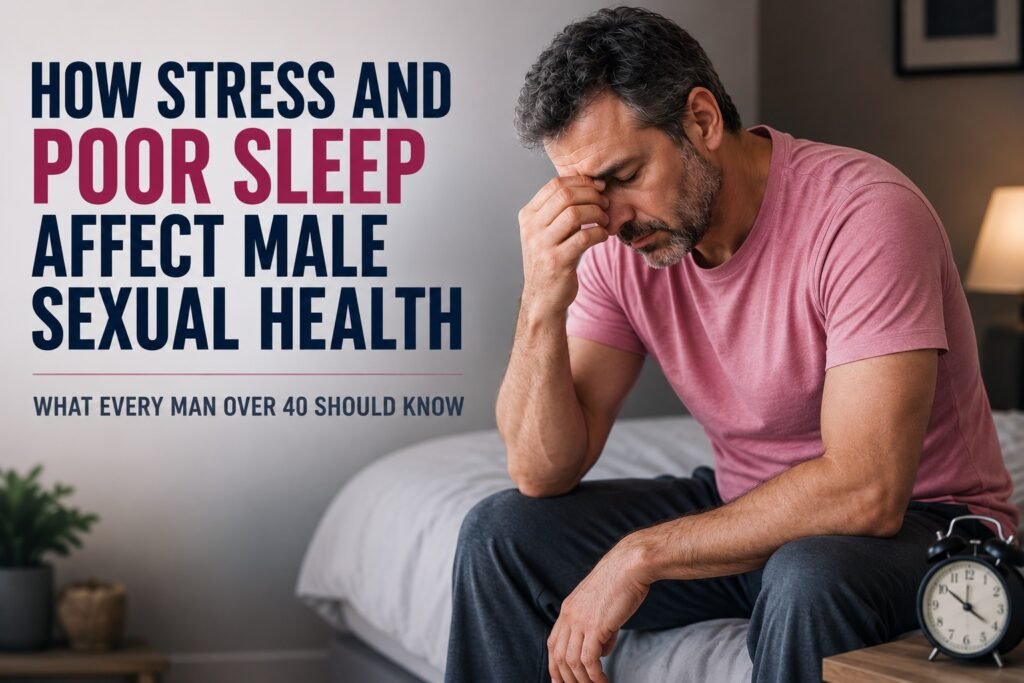
Stress is not only a feeling in the mind. It also affects the body. When a man is under pressure for too long, the body stays alert. This can raise tension, disturb sleep, increase cravings, affect blood pressure, reduce mood, and weaken recovery.
Sleep is the body’s repair time. During deep and restful sleep, the body restores energy, supports hormones, repairs tissues, balances mood, and prepares the brain for the next day. When sleep is short or broken, the body does not fully reset.
The Link Between Sleep, Hormones, and Sexual Performance
For male sexual health, this matters because sexual function depends on several systems working together:
- Healthy blood flow
- Stable hormones
- Relaxed nervous system
- Good energy
- Mental confidence
- Emotional connection
- Strong recovery
- Healthy metabolism
Why Recovery Matters for Men’s Health
When stress stays high and sleep stays poor, these systems can become weaker. A man may still push through work and daily duties, but his private health may begin to suffer.
Why Stress and Poor Sleep Affect Male Sexual Health More After 40
In the younger years, many men can sleep late, eat poorly, work long hours, and still feel fairly active. After 40, the body usually becomes less forgiving. Recovery slows down. Belly fat is easier to gain. Muscle may reduce if strength training is ignored. Blood sugar may become less stable. Stress may stay in the body longer.
This is why how stress and poor sleep affect male sexual health becomes a serious topic for men over 40. It is not only about performance. It is about the whole health picture.
Age-Related Changes in Testosterone Levels
Testosterone naturally changes with age, but daily habits also matter. Poor sleep, constant stress, excess belly fat, low activity, alcohol, and poor diet can all make hormone balance worse. Testosterone is connected with desire, energy, muscle, mood, and confidence.
How Lifestyle Habits Increase Sexual Health Risks
Poor sleep, excess belly fat, inactivity, and chronic stress can increase sexual health risks.
How Stress Affects Male Sexual Health
Healthy male sexual function depends heavily on blood flow. After 40, blood circulation can be affected by inactivity, smoking, high blood pressure, high sugar intake, high cholesterol, and belly fat. Stress can also tighten the body and make relaxation harder.
For a wider understanding of this topic, you can also read our guide on Sexual Health After 40: What Every Man Should Know.
Stress and Erectile Dysfunction
Stress keeps the body in alert mode and can negatively affect sexual performance.
Men over 40 often carry more responsibility. Work targets, children, parents, finances, health concerns, and family decisions all add pressure. When the mind is overloaded, sexual desire may drop. This is not weakness. It is often a sign that the body and mind are tired.
How Stress Affects Male Sexual Health
Stress can affect sexual health in several ways. The problem is not always sudden. It often builds slowly.
Stress Keeps the Body in Alert Mode
When the body feels under pressure, it prepares for action. Heart rate may rise, muscles may tighten, breathing may become shallow, and the mind may stay busy. This alert mode is useful in emergencies, but it becomes harmful when it continues every day.
Male sexual function needs relaxation. If the body is always tense, it becomes harder to feel calm, connected, and confident.
How Chronic Stress Reduces Sexual Desire
A stressed mind does not easily focus on intimacy. A man may love his partner, but still feel mentally disconnected. Work stress, financial pressure, family tension, and emotional fatigue can reduce desire.This is why many men over 40 say, “I am not in the mood anymore,” without realizing that the main issue may be mental overload.
Stress Can Create Performance Anxiety
One bad experience can create fear of repeating it. The next time, the man may become too focused on performance. That pressure itself can make the problem worse.A realistic approach is to avoid panic. Occasional changes can happen to many men. But if the issue continues, it should be taken seriously and discussed with a qualified doctor.
Stress Can Lead to Poor Habits
Stress often pushes men toward habits that damage sexual health, such as late-night eating, smoking, extra tea or coffee, alcohol, sugary snacks, skipping exercise, and sleeping late. These habits may feel comforting for a short time, but they weaken long-term energy and confidence.
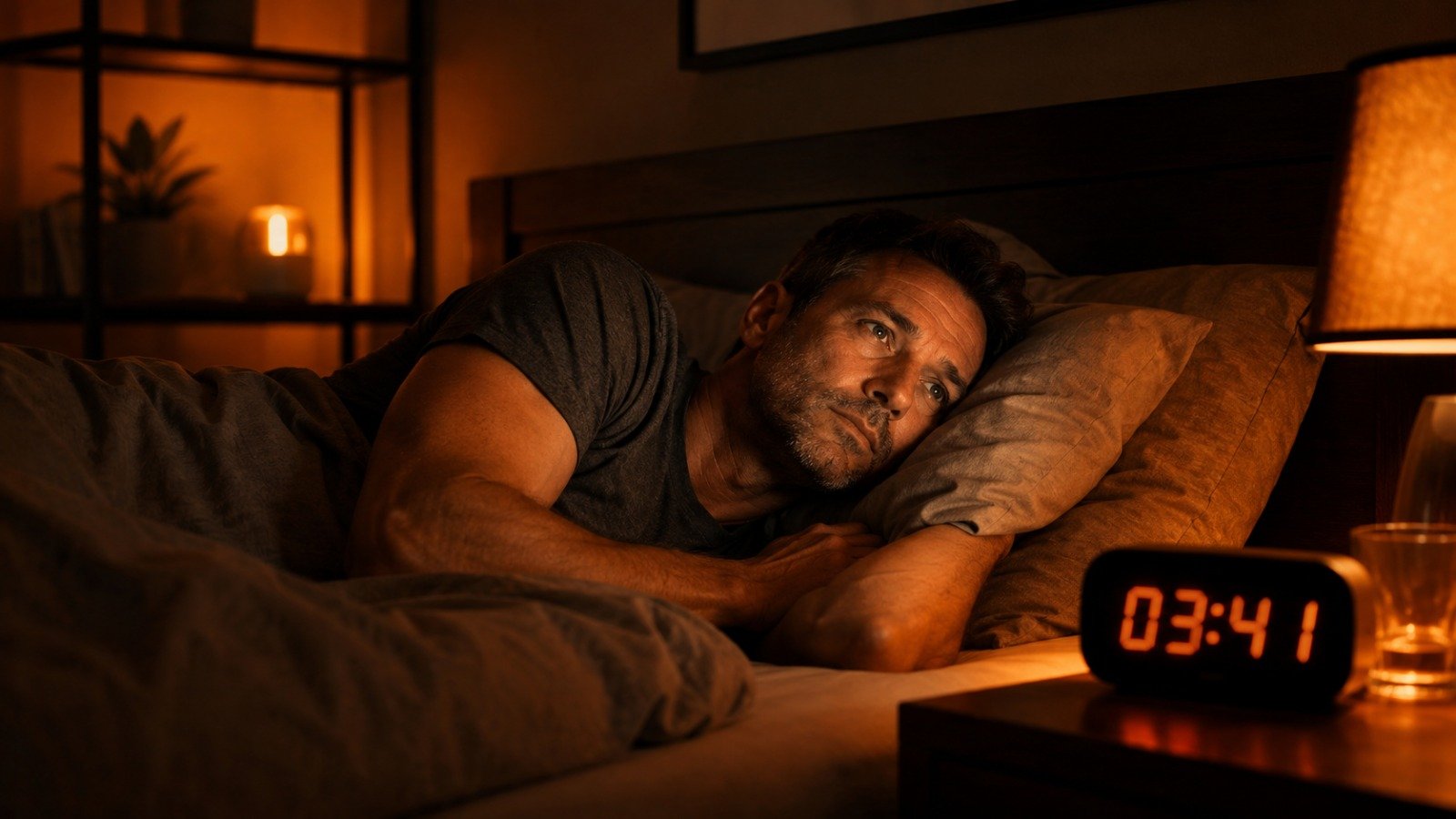
How Poor Sleep Affects Male Sexual Health
Sleep is not laziness. Sleep is repair. One thing I strongly believe is that many men over 40 underestimate sleep until their energy, mood, weight, and confidence start changing.
Poor Sleep Lowers Energy
Sexual health needs energy. If a man wakes up tired, feels heavy after meals, and crashes in the afternoon, his body is already struggling. Low energy can reduce desire and confidence.
Poor Sleep Affects Hormone Rhythm
The body follows a natural rhythm. Sleep supports this rhythm. When sleep is short, broken, or very late, the body may not recover properly. This can affect hormones connected with energy, mood, hunger, and desire.
Poor Sleep Can Increase Belly Fat
Poor sleep can increase cravings and make appetite harder to control. Many men notice that after a bad night, they want more sugar, more tea, more bread, or more snacks. Over time, this can lead to belly fat.
Belly fat is not only a shape issue. It is linked with metabolism, blood sugar, inflammation, and hormone balance.
Poor Sleep Affects Mood and Confidence
Lack of sleep can make a man irritated, anxious, low, or emotionally distant. In real life, intimacy is not only physical. It also needs comfort, patience, and connection. Poor sleep can quietly damage all three.
The Blood Sugar Connection
Stress and poor sleep can also affect blood sugar. When sleep is poor, the body may handle food less efficiently. When stress is high, cravings often increase. Together, they can create unstable energy.
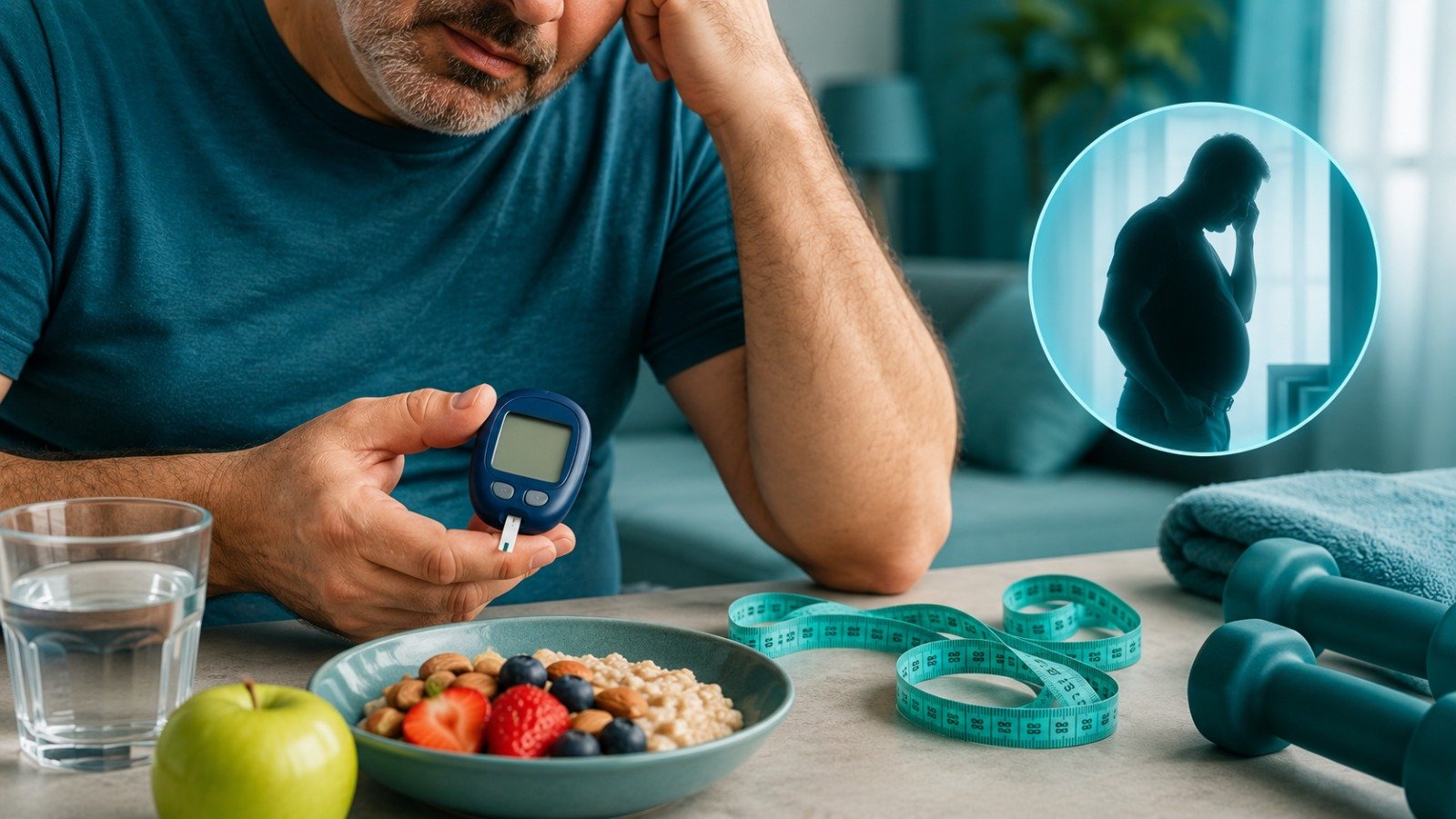
Men over 40 should pay attention to this because blood sugar problems can affect nerves, blood vessels, energy, weight, and sexual confidence. If you want to understand this deeper, read our article on How Blood Sugar Affects Men’s Sexual Health After 40.
How Poor Sleep Affects Male Sexual Health
Some common signs include feeling sleepy after meals, gaining belly fat, craving sweets at night, waking up tired, feeling thirsty often, and having unstable energy during the day.
These signs do not confirm a medical condition, but they are worth checking. A simple health check can often give clarity.
Early Signs Men Should Not Ignore
Many men ignore early signs because they feel embarrassed or hope the problem will fix itself. Sometimes it improves with better habits, but sometimes it needs proper medical attention.
Watch for these signs:
Low Desire for a Long Time
Temporary low desire can happen due to stress or tiredness. But if it continues for weeks or months, it deserves attention.
Weak Morning Energy
Morning energy can reflect sleep quality, stress level, and general health. If mornings feel heavy every day, the body may not be recovering well.
Trouble Maintaining Performance
Occasional difficulty is common. But repeated difficulty may involve stress, sleep, blood flow, blood sugar, hormones, medication, or emotional pressure.
Mood Changes
Low mood, irritability, anxiety, and loss of interest can all affect sexual health. Mental wellness and male sexual health are closely connected.
Increased Belly Fat
Belly fat often appears when sleep, diet, stress, movement, and hormones are not working well together. It should be seen as a health signal, not only a cosmetic issue.
Daily Habits That Make the Problem Worse
In my practical observation, men often look for one big reason, but the issue usually comes from many small habits repeated daily.
Sleeping Late Every Night
Late sleep reduces recovery. Even if total sleep hours look enough, very late sleep may still leave the body tired.
Too Much Screen Time at Night
Mobile scrolling at night keeps the brain active. It also delays sleep and makes the mind restless.
Heavy Dinner Close to Bedtime
A heavy late meal can disturb sleep, digestion, and morning freshness. It may also worsen blood sugar control for some men.
No Physical Activity
Long sitting reduces circulation and weakens metabolism. A body that does not move enough often feels dull, stiff, and low in energy.
Ignoring Emotional Pressure
Men are often trained to stay silent. But unspoken stress can collect inside. It may come out as anger, distance, low desire, or poor sleep.
Depending Only on Supplements
Supplements cannot repair a lifestyle built on poor sleep, high stress, bad diet, and no movement. They may help in some cases, but they should not replace the basics.
Poor Sleep and Testosterone Levels
Poor sleep may affect hormone production and daily energy levels.
Sleep Deprivation and Erectile Dysfunction
Lack of quality sleep can reduce confidence and physical performance.
The Impact of Sleep on Energy and Mood
Poor sleep often causes irritability, anxiety, and low motivation.
The Blood Sugar Connection and Male Sexual Health
Some common signs include feeling sleepy after meals, gaining belly fat, craving sweets at night, waking up tired, feeling thirsty often, and having unstable energy during the day.
These signs do not confirm a medical condition, but they are worth checking. A simple health check can often give clarity.
How Blood Sugar Affects Sexual Performance
Unstable blood sugar can affect nerves, blood vessels, and energy.
Warning Signs Men Should Watch For
- Feeling sleepy after meals
- Belly fat gain
- Sugar cravings
- Waking up tired
Practical Ways to Improve Male Sexual Health Naturally
The goal is not perfection. The goal is better rhythm. Men over 40 need a realistic plan that fits work, family, and daily responsibilities.

Fix Your Sleep Schedule
Try to sleep and wake at similar times most days. The body likes rhythm. Even a simple improvement in sleep timing can improve energy and mood.
Reduce Stress Through Healthy Habits
Choose a realistic bedtime and protect the last 45 minutes before sleep. Avoid serious work discussions, heavy meals, and endless phone scrolling during this time.
Build a Night Routine
A good night routine tells the body that the day is ending. Keep it simple.
You can:
- Dim lights
- Stop heavy screen use
- Take a warm shower
- Prepare clothes for the next day
- Do slow breathing
- Read something light
- Avoid late caffeine
The routine does not need to be fancy. It just needs to be consistent.cussions, heavy meals, and endless phone scrolling during this time.
Daily Walking and Strength Training
Walking is one of the most practical habits for men over 40. It supports blood flow, stress control, blood sugar, digestion, and mood.
A 20–30 minute walk after dinner or in the evening can make a real difference when done regularly.
Add Strength Training
Muscle supports metabolism, posture, confidence, and healthy aging. Men over 40 should not depend only on walking. Basic strength training two to three times per week can help maintain muscle and improve body confidence.
Start simple with bodyweight squats, wall push-ups, light dumbbells, or guided beginner exercises.
Foods That Support Male Sexual Health
Food affects sleep, belly fat, blood sugar, and energy. You do not need an extreme diet. Start with better basics:
- More protein in meals
- More vegetables
- Less sugary snacks
- Fewer late-night heavy meals
- Better hydration
- Balanced breakfast
- Less fried food
Small food changes become powerful when repeated
Reduce Stimulants Late in the Day
Too much tea, coffee, energy drinks, or nicotine can disturb sleep. Some men say caffeine does not affect them, but their sleep quality still suffers.
Try reducing caffeine after mid-afternoon and observe your sleep for two weeks.
Talk Instead of Hiding the Problem
Stress becomes heavier when a man carries it alone. A calm conversation with a partner can reduce pressure. This does not mean blaming anyone. It means being honest and mature.
A simple line can help: “I have been under stress and not sleeping well. I want to improve my health and routine.”
Common Mistakes Men Make
Looking for Quick Fixes
Many men search for fast solutions without fixing stress, sleep, weight, and movement. Quick fixes may hide the real issue for a while, but they do not build long-term health.
Depending Only on Supplements
Start with sleep, walking, food quality, and medical checkups when needed.
Ignoring Sleep and Recovery
Some men proudly say they sleep only four or five hours. Over time, this can damage energy, mood, and performance.
Better approach: Treat sleep as part of your health plan, not as free time to sacrifice.
Following Social Media Trends Blindly
Every week there is a new trick, supplement, or routine. Many are not suitable for men over 40 with blood pressure, diabetes, heart issues, or medications.
Better approach: Follow realistic habits and ask a qualified doctor before trying anything risky.
Depending Only on Supplements
Supplements cannot replace proper sleep, exercise, stress control, and balanced meals.
Better approach: Use supplements only when needed and safe, not as the foundation of health.
Avoiding Professional Medical Advice
Many men wait too long because they feel shy. But sexual health can be linked with blood flow, diabetes, blood pressure, hormones, mood, and medications.
Better approach: Treat it like any other health issue. Early advice is better than silent worry.
Doing Too Much Too Soon
Some men suddenly start hard workouts, strict diets, and extreme routines. After a few days, they quit.
Better approach: Start slowly and build discipline. Consistency beats intensity.
Not Tracking Progress
Without tracking, it is hard to know what helps.
Better approach: Track sleep time, walking, energy, mood, waist size, and symptoms for four weeks.
Simple Action Plan to Start
Here is a realistic plan for men over 40 who want to improve stress, sleep, and male sexual health without extreme changes
4-Week Action Plan to Improve Sleep, Reduce Stress, and Boost Male Sexual Health
Week 1: Improve Sleep Quality
- Fix a regular bedtime
- Stop phone use 30–45 minutes before sleep
- Avoid heavy late dinners
- Reduce caffeine after afternoon
- Aim for a calm night routine
Week 2: Increase Daily Movement
- Walk 20 minutes daily
- Stretch for five minutes in the morning
- Avoid sitting for long hours without breaks
- Take stairs when possible
- Move after meals when practical
Week 3: Upgrade Food Choices
- Add protein to breakfast
- Reduce sugary snacks
- Drink more water
- Eat lighter at night
- Add vegetables to lunch or dinner
Week 4: Manage Stress Effectively
- Write down your top three stress triggers
- Decide what needs action and what needs acceptance
- Practice slow breathing for five minutes
- Talk calmly with your partner
- Take one proper rest period weekly
After 4 Weeks: Review Your Body
Ask yourself:
- Is my sleep better?
- Is my morning energy improving?
- Is my mood calmer?
- Is my belly less heavy?
- Is my confidence improving?
- Do I still need medical advice?
This simple review can help you decide the next step.
Safety Advice
Stress and poor sleep can affect male sexual health, but they are not the only possible causes. Problems with blood pressure, diabetes, heart health, hormones, medications, anxiety, depression, and other medical conditions can also play a role.
Speak to a qualified doctor if symptoms are sudden, ongoing, getting worse, or affecting your relationship and confidence. Also get medical advice if you have chest pain, severe fatigue, uncontrolled diabetes, high blood pressure, heart disease, depression, or if you are taking regular medication.
When to See a Doctor
Speak to a qualified doctor if symptoms are sudden, ongoing, getting worse, or affecting your relationship and confidence. Also get medical advice if you have chest pain, severe fatigue, uncontrolled diabetes, high blood pressure, heart disease, depression, or if you are taking regular medication.
Medical Conditions That May Affect Male Sexual Health
Do not stop any medicine or start sexual health medication without medical guidance.
Frequently Asked Questions
Can stress really affect male sexual health?
Yes. Stress can affect desire, confidence, mood, sleep, blood flow, and relaxation. When the body stays tense for too long, sexual health can suffer.
Can poor sleep reduce testosterone?
Poor sleep may affect the body’s natural hormone rhythm. Men who sleep badly often notice low energy, low mood, and reduced desire.
Is sexual health decline normal after 40?
Some changes can happen with age, but ongoing problems should not be ignored. Lifestyle, blood flow, blood sugar, stress, sleep, hormones, and medications may all play a role.
How many hours should men over 40 sleep?
Many adults feel better with around 7–9 hours of good-quality sleep. The exact need can vary, but waking tired every day is a sign to improve sleep habits.
Can walking improve male sexual health?
Walking supports blood flow, stress control, blood sugar, mood, and weight management. It is a simple habit that can support better overall health.
Should I take supplements for stress and sexual health?
Do not depend only on supplements. First improve sleep, movement, food quality, stress control, and medical checkups. Ask a qualified doctor before using supplements, especially if you take medicine.
When should I see a doctor?
See a doctor if the problem continues, appears suddenly, worsens, or comes with other symptoms like chest pain, severe tiredness, depression, high blood pressure, or diabetes concerns.
Conclusion
How Stress and Poor Sleep Affect Male Sexual Health is an important topic for men over 40. Stress, poor sleep, unhealthy eating habits, and inactivity can quietly affect energy, hormones, confidence, and overall sexual wellness. By improving sleep quality, managing stress, staying active, and seeking medical advice when needed, men can support better long-term health and quality of life.
Helpful Resources
- NIDDK — Symptoms & Causes of Erectile Dysfunction
Useful because it explains that ED can be linked with blood vessels, nerves, hormones, medicines, emotional issues, and lifestyle behaviors. - MedlinePlus — Sexual Problems in Men
Useful because it explains that male sexual problems become more common with age and may be affected by stress, illness, medicines, or emotional factors. - NIH / PubMed Central — The Effect of Sleep on Men’s Health
Useful because it discusses how sleep problems, including sleep apnea, may affect erectile function and wider men’s health.