After turning 40, many men start noticing that mornings can affect the whole day. You may wake up tired, drink tea or coffee quickly, skip breakfast, rush to work, and then feel sleepy or hungry before lunch. Some men feel fine early in the morning but crash after breakfast. Others feel heavy, foggy, or irritated even before the day properly begins.
Like many men over 40, you may not connect these morning feelings with blood sugar. But your morning routine can play a big role in how your body handles energy, hunger, cravings, focus, and mood throughout the day.
The right morning habits that help stabilize blood sugar can support better energy, reduce sudden hunger, improve focus, and help you make better food choices. These habits are not a cure for diabetes, and they do not replace medical treatment. But they can become part of a healthy daily routine, especially for men who are concerned about belly fat, prediabetes, type 2 diabetes risk, or afternoon energy crashes.
In this article, you will learn why blood sugar matters in the morning, what causes morning blood sugar swings, which habits help most, what mistakes to avoid, and how to build a simple routine that fits a busy professional lifestyle.
What Does Stabilizing Blood Sugar Mean?
Blood sugar means the amount of glucose, or sugar, in your blood. Glucose comes mainly from the food you eat, especially carbohydrates such as bread, rice, oats, fruit, potatoes, sweets, and sugary drinks.
Your body uses glucose for energy. After you eat, blood sugar naturally rises. Then insulin helps move glucose from the blood into your cells.
Stabilizing blood sugar means keeping blood sugar from rising too high or falling too quickly. The goal is not to make blood sugar flat all day. Some rise and fall is normal. The goal is to avoid sharp spikes and crashes that may leave you tired, hungry, foggy, or craving sweets.
For men over 40, stable blood sugar can support:
- Better morning energy
- Fewer cravings
- Better focus
- Less sleepiness after meals
- Better weight control
- Reduced belly fat risk
- Better mood
- Healthy aging
- Better workout performance
- More confidence in daily health
The CDC explains that managing blood sugar is key for people with diabetes and that healthy eating, regular physical activity, and maintaining a healthy weight can help with blood sugar management.
Why Blood Sugar Becomes More Important After 40
After 40, many men become less active without realizing it. Work becomes more demanding. Sitting time increases. Sleep may reduce. Stress stays high. Belly fat becomes easier to gain. Meals may become heavier at night, and breakfast may become rushed or poor in quality.
These changes can affect how your body handles blood sugar.
The CDC explains that type 2 diabetes is related to insulin resistance, where cells do not respond normally to insulin, making it harder for sugar to move from the blood into the cells. It also notes that physical activity makes the body more sensitive to insulin, which is important for diabetes management and overall health.
For men over 40, this matters because blood sugar is connected to more than diabetes. It affects energy, hunger, weight, mood, sleep, heart health, and long-term wellness.
If your morning routine includes poor sleep, no water, no movement, high sugar breakfast, and stress from the phone or work emails, your blood sugar habits may suffer from the start.
Why Morning Blood Sugar Can Be Higher
Some men check their blood sugar in the morning and feel confused. They may not have eaten all night, but their fasting sugar is still higher than expected.
This can happen for different reasons. In the early morning, the body naturally prepares you to wake up. It may release stored glucose into the blood to give you energy. For people with insulin resistance, prediabetes, or diabetes, the body may not manage this rise as smoothly.
Poor sleep, stress, late-night heavy meals, low physical activity, and dehydration may also affect morning blood sugar.
The CDC notes that food choices, medicines, physical activity, stress, and illness can all affect blood sugar levels throughout the day.
This is why a better morning routine matters. You cannot control every factor, but you can control many daily habits.
The Simple Science Behind Morning Blood Sugar
Think of your body like a car engine. In the morning, it needs a smooth start. If you start the day with stress, sugar, dehydration, and no movement, your body may struggle.
Sleep Affects Blood Sugar
Poor sleep can make blood sugar harder to manage. The CDC states that poor sleep habits can make it hard for people with diabetes to manage blood sugar.
Movement Helps Insulin Work Better
When you move, your muscles use glucose. Physical activity helps the body become more sensitive to insulin, which means the body can use insulin more effectively.
Food Quality Matters
A breakfast high in sugar and low in protein or fiber may cause blood sugar to rise quickly. A balanced breakfast can support steadier energy.
Stress Can Affect Blood Sugar
Stress can affect your body’s blood sugar response. The CDC explains that stress hormones can make blood sugar rise or fall unpredictably in people with diabetes.
In simple words, morning blood sugar is affected by what you did last night and what you do after waking.
Warning Signs Your Blood Sugar May Be Unstable
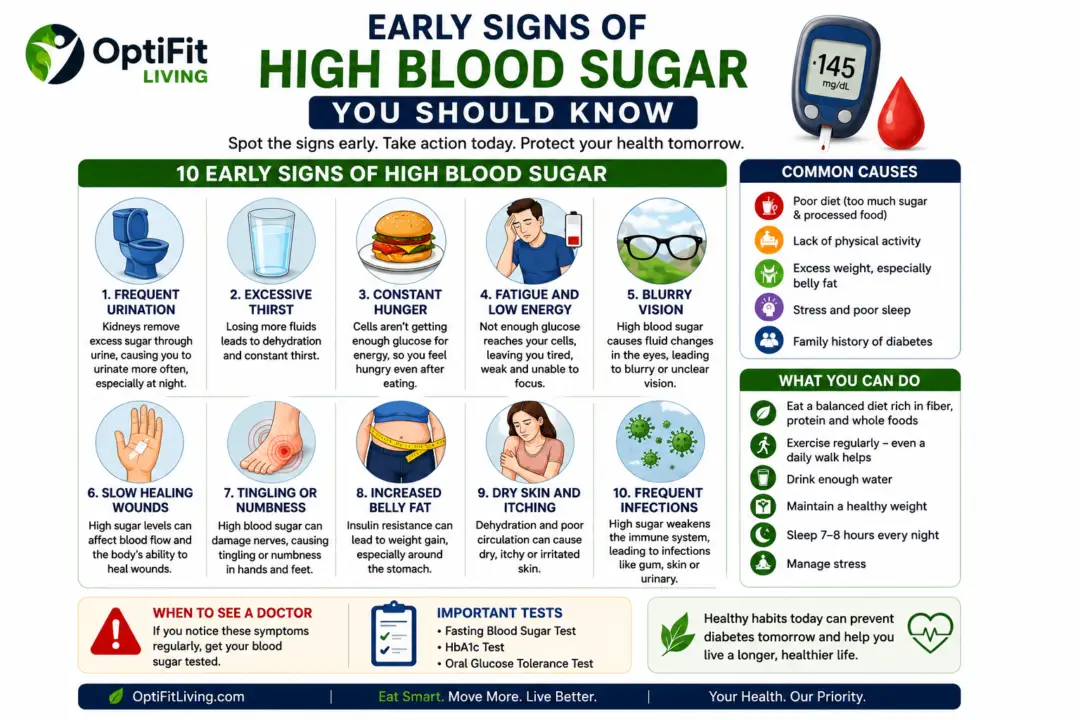
You cannot always feel high blood sugar, but some signs may suggest your energy and blood sugar habits need attention.
Possible signs include:
- Feeling tired after waking
- Feeling very sleepy after breakfast
- Strong sugar cravings
- Getting hungry soon after eating
- Brain fog before lunch
- Irritability
- Afternoon energy crashes
- Frequent thirst
- Frequent urination
- Increased belly fat
- Blurry vision
- Slow wound healing
- Low motivation to exercise
These signs can happen for many reasons and do not automatically mean diabetes. But if they continue, it is wise to speak with a healthcare professional and get proper testing.
Who Should Care About Morning Blood Sugar?
Morning blood sugar habits matter for many men, but especially for those who:
- Are over 40
- Have belly fat
- Have prediabetes
- Have type 2 diabetes
- Have a family history of diabetes
- Sit most of the day
- Feel sleepy after meals
- Eat heavy dinners
- Sleep poorly
- Have high stress
- Struggle with weight loss
- Drink sugary tea, soda, or sweet coffee often
- Have high fasting blood sugar readings
For busy men, morning habits are important because they set the tone for the whole day. A better morning can reduce cravings, improve focus, and make healthy choices easier.
Best Morning Habits That Help Stabilize Blood Sugar
The best morning habits are simple and repeatable. You do not need to change your whole life overnight. Start with two or three habits, then build slowly.
1. Wake Up at a Consistent Time
A consistent wake-up time helps your body follow a better daily rhythm.
When your sleep and wake time changes too much, your body can feel confused. This may affect hunger, cravings, mood, and energy.
How to Start
Choose a wake-up time that works for your real life. Try to keep it similar on most days.
You do not need to wake up very early. The goal is consistency.
Why It Helps Blood Sugar
Regular sleep timing supports better recovery and may help your body manage energy more smoothly. Poor sleep can make blood sugar control harder, especially for people with diabetes.
2. Drink Water Before Tea or Coffee
Many men start the day with tea or coffee. That is not always a problem. But after several hours of sleep, your body needs water first.
Mild dehydration can make you feel tired, dull, and hungry. Sometimes thirst feels like hunger or low energy.
Simple Habit
Drink one or two glasses of water after waking.
Plain water is enough. You do not need anything fancy.
Practical Tip
Keep water near your bed or in the kitchen so it becomes automatic.
3. Get Morning Sunlight
Morning sunlight helps your body wake up. It supports your natural sleep-wake rhythm, which is important for energy and sleep quality.
Better sleep supports better blood sugar habits. The CDC says adults need at least 7 hours of sleep each day, and getting enough sleep can help support healthy weight, reduce stress, improve mood, and improve metabolism.
How to Do It
Spend 10–15 minutes outside in the morning.
You can:
- Walk outside
- Stand on a balcony
- Sit near natural light
- Drink water outdoors
- Walk to a nearby shop
- Step outside before work
Do not stare directly at the sun. Just get natural daylight.
4. Walk for 10 Minutes
A short morning walk is one of the best habits for blood sugar and energy.
Walking activates your muscles. Active muscles use glucose. Walking also improves circulation, mood, and focus.
Simple Walking Plan
Start with 10 minutes.
If you have more time, walk 20–30 minutes.
If mornings are busy, walk after breakfast or after reaching work.
Why It Helps
The CDC states that physical activity is a foundation of diabetes management and helps manage blood sugar levels.
Walking is especially useful for men over 40 because it is gentle, practical, and easy to repeat.
5. Avoid a Sugary Breakfast
A sugary breakfast can make blood sugar rise quickly and then drop. This may cause tiredness, hunger, or cravings later.
Common high-sugar breakfast habits include:
- Sweet tea with biscuits
- Sugary cereal
- White bread with jam
- Pastries
- Sweet coffee drinks
- Cakes
- Sugary juices
- Large portions of refined carbs
These foods may feel convenient, but they do not support steady energy.
Better Choice
Choose a breakfast with protein, fiber, and healthy carbs.
6. Eat a Protein-Rich Breakfast
Protein helps you feel full and supports muscle health. It also helps slow digestion when included with carbohydrates.
Good protein options include:
- Eggs
- Greek yogurt
- Cottage cheese
- Chicken
- Fish
- Lentils
- Beans
- Nuts and seeds
- Protein smoothie if suitable
Simple Breakfast Ideas
- Eggs with whole grain toast
- Greek yogurt with oats and seeds
- Oats with nuts and fruit
- Lentils with vegetables
- Cottage cheese with fruit
- Chicken with whole grain bread
- Smoothie with protein, berries, and seeds
The CDC says healthy eating is key to managing blood sugar and recommends eating healthy foods in the right amounts at the right times to keep blood sugar in the target range as much as possible.
7. Add Fiber to Breakfast
Fiber helps slow digestion and supports fullness. This can help reduce sudden hunger and cravings.
Good fiber options include:
- Oats
- Berries
- Apples
- Chia seeds
- Flax seeds
- Vegetables
- Beans
- Lentils
- Whole grains
Easy Habit
Add one fiber food to breakfast.
For example:
- Oats with seeds
- Eggs with vegetables
- Yogurt with berries
- Lentils with salad
- Whole grain toast with eggs
8. Delay Coffee Until After Water and Movement
Coffee can be fine for many people, but it should not replace water, food, sleep, and movement.
Some men drink coffee first thing, skip breakfast, sit for hours, and then feel shaky or hungry later.
Better Morning Order
Try:
- Wake up
- Drink water
- Get sunlight
- Walk or stretch
- Eat a balanced breakfast
- Have coffee if you want
You do not need to quit coffee. Use it wisely.
9. Do 5 Minutes of Mobility
Morning stiffness is common after 40. A short mobility routine helps wake up your joints and muscles.
Simple Mobility Routine
Do each slowly:
- Neck circles
- Shoulder rolls
- Arm circles
- Hip circles
- Bodyweight squats
- Ankle circles
- Cat-cow stretch
This helps reduce stiffness and improves blood flow.
10. Avoid Phone Stress Immediately After Waking
Checking messages, emails, or news immediately can put your mind into stress mode.
Stress can affect blood sugar and food choices. If your day starts with tension, you may crave sugar, skip movement, or rush breakfast.
Better Habit
Keep the first 15–20 minutes phone-free.
Use that time for water, sunlight, prayer, breathing, walking, or planning your day.
11. Plan Your First Meal Before the Day Gets Busy
Many men make poor breakfast choices because they are rushed.
Prepare simple options ahead of time:
- Boiled eggs
- Yogurt
- Oats
- Nuts and seeds
- Fruit
- Whole grain bread
- Lentils
- Pre-cut vegetables
A planned breakfast is usually better than a rushed breakfast.
12. Take Medicine as Advised
If you have diabetes or prediabetes and your doctor has prescribed medicine, take it as directed. Do not stop or change medicine because you started walking or eating better.
Lifestyle habits support blood sugar, but they do not replace medical advice.
If you monitor blood sugar, follow your healthcare provider’s instructions.
Real-World Examples
Example 1: The Busy Office Worker
He wakes up late, drinks sweet tea, skips proper breakfast, and sits at work for hours. By 11 a.m., he feels tired and hungry.
Better routine:
- Wake up 15 minutes earlier
- Drink water
- Eat eggs or yogurt with oats
- Walk 10 minutes
- Take water to work
This supports better morning energy.
Example 2: The Man With High Fasting Blood Sugar
He eats a heavy dinner late at night and sleeps poorly. His morning blood sugar is often high.
Better routine:
- Lighter dinner
- Walk after dinner
- Sleep earlier
- Drink water after waking
- Morning walk
- Protein-rich breakfast
Morning blood sugar often reflects the previous night too.
Example 3: The Man With Belly Fat and Cravings
He feels hungry soon after breakfast and eats biscuits with tea.
Better routine:
- Add protein to breakfast
- Add fiber
- Reduce sweet tea
- Walk after breakfast
- Keep nuts or fruit as a better snack
This helps reduce cravings.
Example 4: The Man With Diabetes Medication
He wants to improve naturally but takes prescribed medicine.
Better routine:
- Continue medicine as advised
- Monitor blood sugar as instructed
- Eat balanced breakfast
- Walk safely
- Speak with healthcare provider before major changes
Safety comes first.
Common Mistakes People Make
1. Skipping Breakfast and Then Overeating Later
Some men skip breakfast to control sugar or lose weight but then overeat at lunch or dinner. This does not work for everyone.
If skipping breakfast makes you overeat later, choose a balanced breakfast instead.
2. Starting the Day With Sugar
Sweet tea, biscuits, juices, and sugary cereals can create blood sugar spikes and crashes.
3. Ignoring Sleep
Morning blood sugar can be affected by poor sleep. Sleep should be part of your blood sugar routine.
4. Drinking Coffee Instead of Water
Coffee is not water. Start with hydration.
5. Sitting All Morning
Long sitting makes the body less active. Even short movement breaks help.
6. Thinking One Habit Is Enough
Blood sugar improves through a system: food, movement, sleep, stress control, medication when needed, and consistency.
7. Looking for Quick Fixes
No morning drink or supplement will replace healthy habits.
8. Changing Medicine Without Advice
Never stop diabetes medicine without speaking to your healthcare provider.
Simple Action Plan
Here is a practical 4-week plan.
Week 1: Fix the First 15 Minutes
Goal: Start the morning calmly.
Do:
- Wake up at a consistent time
- Drink water
- Avoid phone for 15 minutes
- Get morning light
- Sleep 20 minutes earlier
Do not try to change everything.
Week 2: Improve Breakfast
Goal: Build a blood sugar-friendly first meal.
Do:
- Add protein to breakfast
- Add fiber
- Reduce sweet tea, juice, and biscuits
- Prepare breakfast items at night
- Drink water before coffee
Notice your hunger before lunch.
Week 3: Add Movement
Goal: Use your muscles early.
Do:
- Walk 10 minutes in the morning
- Do 5 minutes mobility
- Walk after breakfast if possible
- Take movement breaks at work
- Strength train once or twice
The CDC recommends adults get at least 150 minutes of moderate-intensity activity per week and 2 days of muscle-strengthening activity.
Week 4: Build a Complete Morning Routine
Goal: Make it repeatable.
Do:
- Water after waking
- Morning light
- 10-minute walk
- Protein and fiber breakfast
- Phone-free first 20 minutes
- Coffee after water and food
- Track energy, cravings, and blood sugar if advised
By the end of four weeks, your morning should feel more stable and less rushed.
Best 20-Minute Morning Routine for Blood Sugar
Here is a simple routine for busy men.
First 3 Minutes
- Wake up
- Drink water
- Avoid phone
Next 5 Minutes
- Light mobility
- Shoulder rolls
- Hip circles
- Bodyweight squats
Next 10 Minutes
- Walk outside or indoors
- Get sunlight if possible
- Breathe calmly
Final 2 Minutes
- Prepare protein-rich breakfast
- Plan your top 3 tasks
This routine is simple but powerful when repeated.
What to Eat for a Better Morning Blood Sugar Routine
Here are practical breakfast combinations.
Option 1
Eggs, whole grain toast, and fruit.
Option 2
Greek yogurt, oats, chia seeds, and berries.
Option 3
Lentils, vegetables, and a small portion of whole grain bread.
Option 4
Cottage cheese, nuts, and fruit.
Option 5
Protein smoothie with yogurt, berries, and flax seeds.
The goal is balance: protein, fiber, controlled carbs, and hydration.
Benefits of Better Morning Blood Sugar Habits
When you build better morning habits, you may notice:
- Better focus
- Fewer cravings
- Less sleepiness after breakfast
- Better mood
- Improved energy
- Better weight control
- Less belly fat gain
- Better workout motivation
- More confidence
- Healthier long-term routine
These benefits come from consistency, not perfection.
Risks of Ignoring Morning Blood Sugar Habits
If poor morning habits continue, they may contribute to:
- More cravings
- Weight gain
- Belly fat
- Low energy
- Poor focus
- Afternoon crashes
- Poor sleep cycle
- Less movement
- Higher blood sugar readings
- Reduced confidence
Small morning mistakes repeated daily can become a bigger health pattern.
FAQ: Morning Habits That Help Stabilize Blood Sugar
1. What are the best morning habits that help stabilize blood sugar?
The best habits include drinking water, getting morning sunlight, walking, eating a protein-rich breakfast, adding fiber, avoiding sugary breakfast foods, managing stress, and sleeping well.
2. Can walking in the morning lower blood sugar?
Morning walking can help your muscles use glucose and may support better blood sugar control. It is especially helpful when combined with balanced meals.
3. Is coffee bad for blood sugar?
Coffee is not automatically bad for everyone, but adding sugar or drinking it instead of water and breakfast can affect energy and cravings. Use coffee wisely.
4. Should men over 40 eat breakfast for blood sugar control?
It depends on the person. Many men feel better with a protein-rich breakfast. If skipping breakfast leads to overeating later, a balanced breakfast may be helpful.
5. What breakfast is best for stable blood sugar?
A good breakfast includes protein, fiber, and controlled carbs. Examples include eggs with whole grain toast, Greek yogurt with oats and seeds, or lentils with vegetables.
6. Can poor sleep raise morning blood sugar?
Poor sleep can make blood sugar harder to manage, especially for people with diabetes. Better sleep supports energy, weight control, stress, and metabolism.
7. What should I avoid in the morning?
Avoid sugary drinks, sweet tea with biscuits, skipping water, checking stressful messages immediately, sitting for hours, and eating a breakfast low in protein.
8. When should I see a doctor?
See a healthcare professional if you have frequent thirst, frequent urination, blurry vision, unexplained weight changes, very high readings, or ongoing fatigue.
Final WOrds…
After 40, I have noticed that mornings become more important than we think. The way you start the day can affect your hunger, energy, mood, focus, and blood sugar habits for many hours.
Morning habits that help stabilize blood sugar are not complicated. Drink water. Get light. Move your body. Eat protein and fiber. Avoid sugary breakfasts. Protect your mind from early stress. Sleep better the night before.
Start with one simple change tomorrow: drink water first, walk for 10 minutes, and eat a breakfast that includes protein.
A better morning can become the first step toward better blood sugar, better energy, and better health after 40.
You can read our blog on Best Walking Routine for Men Over 40 to Lose Belly Fat Naturally
You can also visit The CDC says adults need at least 7 hours of sleep each day