There comes a point in life when a man knows he needs a reset. Not because everything is falling apart, but because the body starts sending small signals. The waist feels heavier. Energy drops in the afternoon. Sleep does not feel as refreshing. Work stress feels stronger. Exercise becomes irregular. Food choices become more about convenience than health.
For many men over 40, this is where the problem begins. They do not need a dramatic transformation plan. They need a realistic health reset plan for men over 40 that helps them return to the basics: better food, more movement, stronger muscles, improved sleep, less stress, and smarter daily choices.
A health reset does not mean punishing yourself. It does not mean starving, training like a young athlete, buying many supplements, or following every trend online. It means stepping back, looking honestly at your routine, and rebuilding the habits that support energy, belly fat control, blood sugar balance, strength, confidence, and healthy aging.
In this article, you will learn a simple 7-point health reset plan that is practical for busy men over 40. The goal is not perfection. The goal is to help you create a routine that works in real life and becomes easier to follow with time.
What Is a Health Reset Plan?
A health reset plan is a structured way to bring your body and routine back into balance.
It is not a short crash diet. It is not a 7-day challenge that disappears after one week. It is a practical lifestyle correction.
A good health reset focuses on the daily habits that shape your health most:
- Food quality
- Walking and daily movement
- Strength training
- Sleep
- Stress control
- Blood sugar habits
- Consistency
- Preventive health awareness
Many men think they need motivation first. In real life, motivation often comes after action. When you start walking, eating better, sleeping earlier, and feeling more in control, motivation begins to return.
A health reset is useful when you feel stuck, tired, overweight, inactive, or mentally drained. It gives you a simple starting point.
Why Men Over 40 Need a Different Approach
After 40, the body usually responds differently than it did in your 20s or 30s.
A man may still feel young in his mind, but his recovery, sleep, digestion, belly fat, and energy may not behave the same way. Late nights feel harder. Heavy dinners affect the next morning. Skipping exercise for a few weeks shows up faster. Stress sits in the body longer.
This does not mean aging is weakness. It means the body now needs smarter care.
Men over 40 often face:
- Longer sitting hours
- More work pressure
- Family and financial responsibilities
- Less time for exercise
- Belly fat gain
- Muscle loss
- Poor sleep
- Higher stress
- Blood sugar concerns
- Lower energy
- Joint stiffness
- Lower recovery
The old approach of “I will fix everything from Monday” usually fails. A better approach is slow, structured, and repeatable.
A realistic health reset plan for men over 40 should help you build a routine that fits your real life, not a fantasy schedule.
The Simple Science Behind a Health Reset
Your body works like a connected system. Food affects blood sugar. Blood sugar affects energy. Sleep affects cravings. Stress affects appetite. Muscle affects metabolism. Walking affects mood and glucose use. Belly fat affects confidence and long-term health.
This is why focusing on only one thing rarely works.
For example, a man may try to lose belly fat by eating less, but if he sleeps poorly, sits all day, skips protein, and feels stressed at night, results become difficult.
A health reset works better because it improves several areas together.
The body usually responds well to:
- Regular movement
- Strength training
- Protein-rich meals
- Better sleep timing
- Less sugar and refined food
- Stress management
- Consistent daily routine
- Medical checkups when needed
Small improvements in these areas can create a stronger foundation.
Point 1: Reset Your Food Quality
Food is the first place many men need a reset, but it should not be handled with fear or extreme dieting.
After 40, food quality matters more because poor meals can quickly affect energy, belly fat, cravings, and blood sugar. Many men do not overeat because they are hungry. They overeat because meals are unplanned, protein is low, sleep is poor, stress is high, and snacks are easy.
A food reset starts with simple changes.
Build Meals Around Protein
Protein helps you stay full, supports muscle, and helps reduce unnecessary snacking.
Good options include:
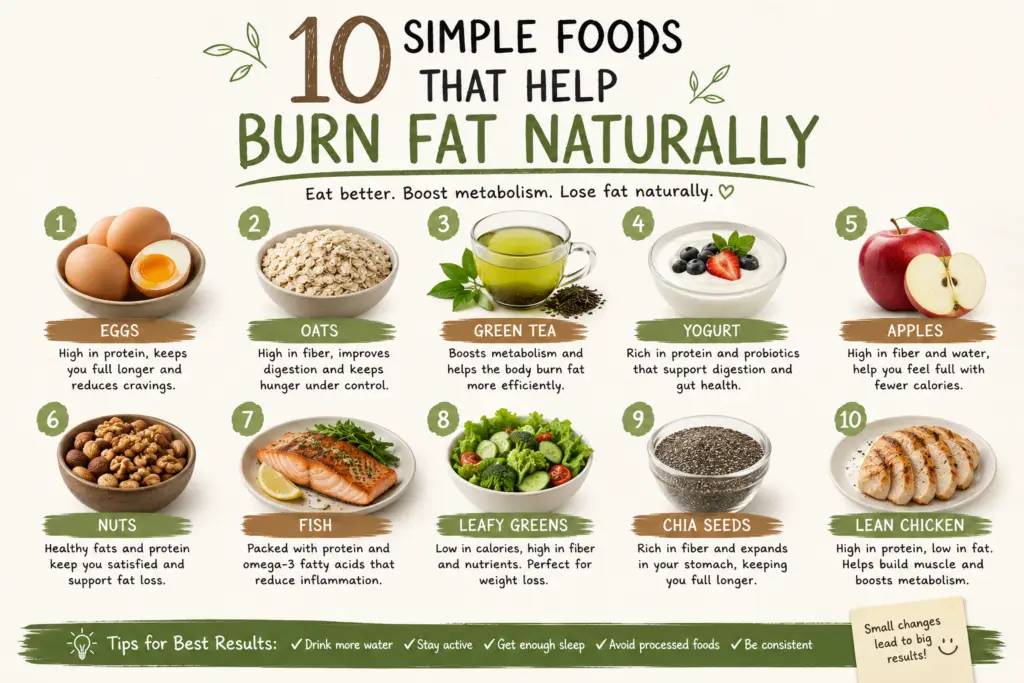
- Eggs
- Chicken
- Fish
- Lean meat
- Greek yogurt
- Cottage cheese
- Lentils
- Beans
- Chickpeas
Try to include protein in every main meal.
Add Fiber Daily
Fiber helps digestion, fullness, and steadier energy.
Good choices include:
- Vegetables
- Oats
- Beans
- Lentils
- Fruits
- Seeds
- Whole grains
A simple rule is to add vegetables or fiber-rich food to lunch and dinner.
Reduce Liquid Sugar
Sugary drinks are one of the easiest ways to overload the body.
Start reducing:
- Soft drinks
- Sweet tea
- Packaged juices
- Sugary coffee drinks
- Energy drinks
Replace them with water, unsweetened tea, black coffee if suitable, or lemon water without sugar.
Control Dinner Portions
For many men over 40, dinner is the biggest problem. It is often late, heavy, and followed by sitting.
Try a lighter dinner with protein, vegetables, and controlled portions of rice or bread. You do not need to remove every favorite food. You need better portions and timing.
Point 2: Reset Daily Movement
Movement is not only about workouts. It is about reminding the body that it is meant to move every day.
Many men over 40 sit for long hours. They drive, sit at a desk, attend meetings, eat, sit again, and then rest at night. Even if the mind is busy, the body is inactive.
Low daily movement can affect:
- Blood sugar
- Belly fat
- Stiffness
- Mood
- Energy
- Digestion
- Heart health
- Sleep
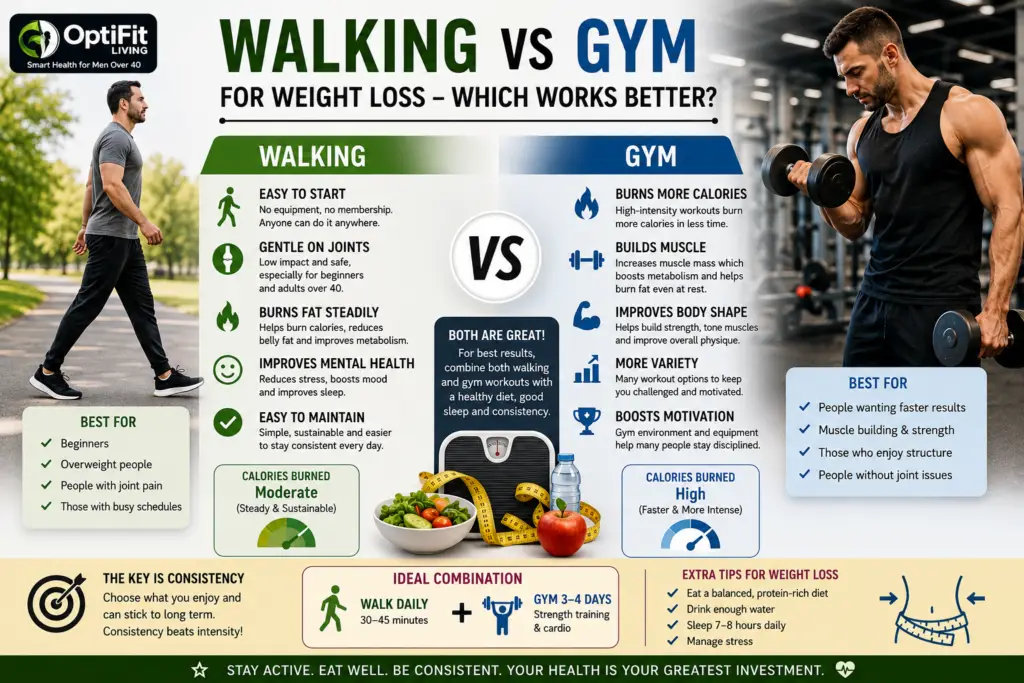
Walking is the easiest way to restart.
Start With 10 Minutes
If you are inactive, start with 10 minutes daily. Do not underestimate it. A short daily walk is better than a perfect plan you never follow.
You can walk:
- After breakfast
- During lunch break
- After dinner
- Before work
- While taking phone calls
- With family in the evening
Walk After Meals
Walking after meals is especially useful because your muscles use energy after eating. This can support steadier blood sugar habits and reduce the habit of sitting immediately after food.
Start with a 10-minute walk after your biggest meal.
Reduce Long Sitting
Every 60–90 minutes, move for 1–2 minutes.
Simple options:
- Walk around the room
- Use stairs if safe
- Do shoulder rolls
- Stand during calls
- Do 10 bodyweight squats
- Stretch your hips and back
Small movement breaks add up.
For men who want a more structured walking routine, Best Walking Routine for Men Over 40 can be a useful next read.
Point 3: Reset Strength and Muscle
One thing that becomes clear after 40 is that muscle is not only for appearance. Muscle is health protection.
Muscle helps with strength, posture, metabolism, blood sugar control, joint support, confidence, and healthy aging. If you do not train your muscles, they slowly reduce with age and inactivity.
You do not need bodybuilding workouts. You need basic strength training.
Start With Two Days Per Week
Begin with two sessions weekly. Each session can be 25–40 minutes.
Basic exercises include:
- Chair squats
- Wall push-ups
- Dumbbell rows
- Glute bridges
- Step-ups
- Shoulder press
- Planks
- Farmer’s carry
If you are new, use light weights or bodyweight. The goal is safe consistency.
Focus on Full Body Training
A full-body workout works well for busy men because it trains major muscles in less time.
A simple routine:
- Squat movement
- Push movement
- Pull movement
- Hip movement
- Core movement
- Carry or balance movement
This keeps training practical and complete.
Do Not Chase Pain
A good workout should challenge you, not injure you. Soreness is not the goal. Progress is the goal.
After 40, form and recovery matter more than ego.
Point 4: Reset Sleep and Recovery
Many men try to fix low energy with coffee, supplements, or harder workouts while ignoring sleep.
That does not work for long.
Sleep is when the body repairs, resets, and prepares for the next day. Poor sleep affects hunger, cravings, stress, blood sugar, mood, and workout recovery.
A health reset must include sleep.
Set a Realistic Bedtime
You do not need a perfect sleep routine. Start by sleeping 20–30 minutes earlier.
If you sleep very late, do not force a huge change overnight. Move bedtime gradually.
Reduce Screens Before Sleep
Phones and work messages keep the mind active. Try to keep the last 30 minutes calmer.
Use that time for:
- Light stretching
- Prayer or quiet reflection
- Reading
- Planning tomorrow
- Deep breathing
- Calm family time
Avoid Heavy Late Meals
Heavy dinners close to bedtime can affect sleep quality and morning energy.
A lighter dinner and a short walk afterward can help.
Respect Recovery Days
Recovery is not laziness. It is part of progress.
If you train hard, sleep poorly, and stay stressed, the body will not respond well. Walking, stretching, hydration, and sleep are all part of recovery.
If sleep is a major struggle, Why Sleep Becomes Important After 40 may help you understand why rest becomes more important for energy, weight, and long-term health.
Point 5: Reset Blood Sugar Habits
Blood sugar is not only a concern for people already diagnosed with diabetes. It matters for energy, cravings, belly fat, mood, and long-term health.
Many men over 40 feel sleepy after meals, crave sugar, or gain belly fat without realizing their blood sugar habits may be involved.
A blood sugar reset does not mean removing all carbs. It means eating smarter and moving more.
Avoid Naked Carbs
“Naked carbs” means eating carbs alone without protein, fiber, or healthy fat.
Examples:
- White bread with sweet tea
- Rice-heavy meal with little protein
- Biscuits alone
- Fruit juice
- Sweets after a heavy meal
Better combinations:
- Eggs with toast
- Chicken with rice and salad
- Yogurt with oats and seeds
- Lentils with vegetables
- Fruit with nuts
Walk After Carbohydrate Meals
If your meal includes rice, bread, potatoes, sweets, or fruit, a short walk afterward can help your body use that energy better.
Reduce Breakfast Sugar
A sugary breakfast can create cravings later.
Better breakfast options:
- Eggs with whole grain toast
- Plain yogurt with seeds
- Oats with nuts
- Lentils with vegetables
- Cottage cheese with fruit
Track Patterns
Notice what happens after meals. Do you feel sleepy, hungry, foggy, thirsty, or energetic?
Your body gives feedback. Learn from it.
Point 6: Reset Stress and Mental Load
Many men over 40 carry stress silently. Work pressure, money responsibilities, family duties, health worries, and future planning can all sit in the mind.
Stress affects health because it changes behavior. A stressed man may sleep late, eat more, skip exercise, drink more caffeine, and become less patient with himself.
A health reset must include stress control.
Create a Daily Quiet Window
Even 10 minutes can help.
Use it for:
- Breathing
- Prayer
- Sitting quietly
- Walking without phone
- Writing down thoughts
- Planning the day
This is not a luxury. It is mental maintenance.
Reduce Phone Overload
Constant phone use keeps the mind busy.
Try:
- No phone for the first 15 minutes after waking
- No phone during meals
- Fewer notifications
- No stressful content before sleep
Use Walking for Stress
Walking is one of the simplest ways to clear the mind. It gives the body movement and the brain space.
Many men think stress management means sitting and doing nothing. But for men over 40, walking can be one of the most practical stress tools.
Talk Before It Builds Up
If stress becomes heavy, speak to someone you trust or a qualified professional. Strong men do not ignore every warning sign. They manage problems early.
Point 7: Reset Tracking and Preventive Health
What gets measured gets noticed.
Many men avoid tracking because they do not want bad news. But the purpose of tracking is not fear. It is awareness.
A health reset should include simple tracking.
Track Your Waist
Waist size is important for men over 40 because belly fat is linked with blood sugar, energy, and long-term health.
Measure at the level of your belly button every two weeks.
Track Energy
Each day, rate your energy from 1 to 10.
Notice patterns:
- Did poor sleep reduce energy?
- Did heavy dinner affect morning energy?
- Did walking improve mood?
- Did protein breakfast reduce cravings?
Track Strength
Write down your workouts.
Track:
- Exercises
- Weight used
- Reps
- How you felt
- Progress over time
Strength progress builds confidence.
Get Basic Checkups
Men over 40 should not wait until symptoms become serious. Regular checkups can help detect problems early.
Ask your doctor what tests are suitable for your age, family history, weight, blood pressure, blood sugar, cholesterol, and personal health condition.
Preventive health is not fear. It is responsibility.
Real-World Examples
Example 1: The Busy Office Worker
He sits most of the day, eats late, drinks sweet tea, and feels tired after lunch.
A reset plan:
- Walk 10 minutes after lunch
- Reduce sugar in tea
- Add protein to breakfast
- Do two strength workouts weekly
- Sleep 20 minutes earlier
- Track waist every two weeks
This is simple, but it can change his health direction.
Example 2: The Man With Belly Fat and Low Energy
He wants to lose weight but feels too tired to start.
A reset plan:
- Start with daily walking
- Make dinner lighter
- Eat protein at breakfast
- Reduce sugary drinks
- Begin bodyweight strength training
- Improve sleep before adding intense workouts
He does not need punishment. He needs structure.
Example 3: The Man Who Keeps Starting and Stopping
He begins strong every Monday but quits by Thursday.
A reset plan:
- Choose only three habits first
- Walk daily
- Eat better breakfast
- Sleep earlier
- Add strength training after two weeks
- Track progress weekly
Consistency grows when the plan is not too extreme.
Example 4: The Stressed Family Man
He works hard, cares for family, and ignores his own health.
A reset plan:
- 10-minute quiet time daily
- Walk after dinner
- Prepare simple meals
- Reduce phone use at night
- Book a health checkup
- Build one habit at a time
A man can serve his family better when he protects his own health too.
Common Mistakes People Make
Looking for Quick Fixes
Many men look for a special drink, supplement, detox, or secret plan.
The correction: return to basics. Food, movement, sleep, strength, stress control, and consistency create real progress.
Doing Too Much Too Soon
Trying to change everything in one week usually leads to failure.
The correction: start with a few habits and build slowly.
Following Social Media Trends Blindly
Online fitness advice often looks exciting but may not fit a man over 40 with belly fat, stress, poor sleep, or joint stiffness.
The correction: choose practical routines that match your current body and lifestyle.
Ignoring Sleep and Recovery
Some men train harder but sleep poorly.
The correction: treat sleep and recovery as part of the plan.
Being Inconsistent
A perfect day followed by six poor days will not create results.
The correction: aim for a good weekly pattern, not perfect daily behavior.
Depending Only on Supplements
Supplements cannot replace poor food, no movement, bad sleep, and stress.
The correction: build the foundation first.
Ignoring Diet Quality
Eating less but choosing low-quality food can still leave you tired and hungry.
The correction: improve protein, fiber, vegetables, and meal balance.
Not Tracking Progress
Without tracking, it is easy to miss improvement.
The correction: track waist, energy, sleep, workouts, and habits weekly.
Giving Up Too Early
Many men expect fast results after years of poor habits.
The correction: give your reset plan at least 8–12 weeks.
Waiting Until the Problem Becomes Serious
Some men only act after diagnosis or major symptoms.
The correction: take action when the first signs appear.
Safety Advice
If you have diabetes, high blood pressure, heart disease, kidney disease, chest pain, dizziness, severe shortness of breath, foot numbness, unexplained weight loss, very high blood sugar, depression symptoms, or any serious medical concern, speak with a qualified doctor before starting major diet or exercise changes.
Do not stop or change prescribed medicine on your own. If you are unsure about exercise intensity, start gently and get proper advice.
This health reset plan is for education and lifestyle support. It is not a medical diagnosis or treatment plan.
Simple Action Plan to Start
Week 1: Build Awareness
- Measure your waist.
- Walk 10 minutes daily.
- Drink more water.
- Reduce one sugary drink.
- Sleep 20 minutes earlier.
- Add protein to breakfast.
Week 2: Improve Food and Movement
- Walk after your biggest meal.
- Add vegetables to lunch or dinner.
- Reduce late-night snacks.
- Do two short strength sessions.
- Keep phone away before sleep.
- Track energy after meals.
Week 3: Build Strength and Recovery
- Strength train 2–3 times weekly.
- Walk 20–30 minutes most days.
- Make dinner lighter.
- Stretch for 5 minutes at night.
- Reduce caffeine late in the day.
- Plan meals for busy days.
Week 4: Create Your Long-Term Routine
- Repeat the habits that worked.
- Track waist again.
- Review sleep, energy, cravings, and strength.
- Book a checkup if you have not done one recently.
- Keep walking and strength training consistent.
- Choose one new habit for the next month.
The reset is not over after four weeks. Four weeks simply gives you a foundation.
Benefits of a Health Reset After 40
A consistent health reset can support:
- Better energy
- Reduced belly fat
- Stronger muscles
- Better sleep
- Improved mood
- Better blood sugar habits
- Fewer cravings
- Better confidence
- Improved stamina
- Less stiffness
- Better long-term discipline
The biggest benefit is control. You stop reacting to your body and start guiding it.
FAQ: Health Reset Plan for Men Over 40
1. What is the best health reset plan for men over 40?
The best plan focuses on seven basics: better food quality, daily walking, strength training, sleep, blood sugar habits, stress control, and simple tracking.
2. How long does a health reset take?
You can start feeling better in a few weeks, but real lifestyle change usually takes months. A 4-week plan is a good starting point.
3. Can men over 40 lose belly fat naturally?
Yes, many men can reduce belly fat with walking, strength training, better meals, lighter dinners, sleep improvement, and consistency.
4. Should I start with diet or exercise first?
Start with both, but keep them simple. Walk daily, eat more protein, reduce sugary drinks, and make dinner lighter.
5. How often should men over 40 strength train?
Two to three times per week is a realistic target for most men. Beginners can start with two short sessions.
6. Why do men over 40 feel tired all the time?
Common reasons include poor sleep, stress, belly fat, low activity, poor food choices, blood sugar swings, and lack of recovery.
7. Do I need supplements for a health reset?
Not always. Food, sleep, movement, and stress control come first. Supplements should only fill real gaps and should be used wisely.
8. When should I see a doctor?
See a doctor if you have chest pain, severe fatigue, dizziness, high blood sugar, high blood pressure, unexplained weight loss, depression symptoms, or any serious concern.
Conclusion
From practical observation, most men over 40 do not need a complicated health plan. They need a reset that brings them back to the basics they already know but stopped practicing consistently.
A health reset plan for men over 40 is not about guilt. It is about responsibility. Your body is not asking for perfection. It is asking for better daily care.
Start with the simple things: walk today, eat one better meal, drink water, sleep earlier, and measure your waist. Then add strength training, stress control, and regular checkups.
Small actions repeated with discipline can help you feel stronger, lighter, calmer, and more confident after 40.
Helpful Resources
CDC: Healthy Weight and Growth