
Most people start their weight loss journey with one primary goal: achieving long term weight loss. Personally, I also spent years believing that losing weight required strict dieting, extreme workouts, cutting out my favorite foods completely, and chasing fast transformation plans.
At first, motivation always felt strong. But eventually, energy dropped, hunger increased, stress became worse, and old habits returned. And as expected, the lost weight usually came back again.
Over time, I realized something extremely important: the real secret behind long-term weight loss is not intensity. It is consistency.
After 40 especially, the body responds much better to sustainable routines, better sleep, daily movement, healthier eating, and stress management instead of short-term extreme methods. Personally, once I stopped chasing quick results and focused on realistic healthy habits, weight management became much easier and far less stressful.
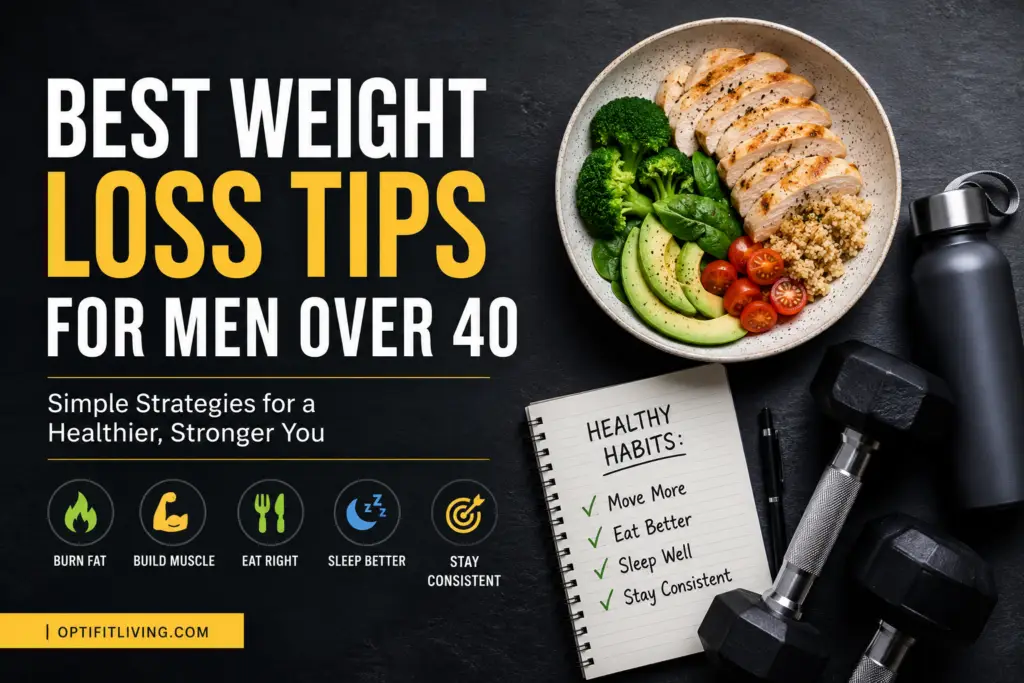
This guide explains the secret behind long term weight loss and why sustainable habits create lasting results for complete fitness and wellness.
Why Most Diets Fail
One of the biggest reasons people fail at weight loss is that they follow routines that are impossible to maintain long-term. Extreme diets and severe restrictions usually cause intense cravings, physical fatigue, mood swings, and mental frustration.
Crash diets often work temporarily because calorie intake becomes extremely low. However, extreme caloric restriction forces the body and mind to resist. Eventually, hunger increases drastically, motivation disappears, and old habits return.
One major lesson I learned personally to achieve sustainable results is this: temporary diets create temporary results. Real long-term fat loss happens when healthy habits become a natural part of everyday life. Once I improved my overall lifestyle instead of chasing short-term motivation, maintaining a healthier weight became much more realistic.
14 Daily Habits for Sustainable Weight Loss
1. Consistency Matters More Than Perfection
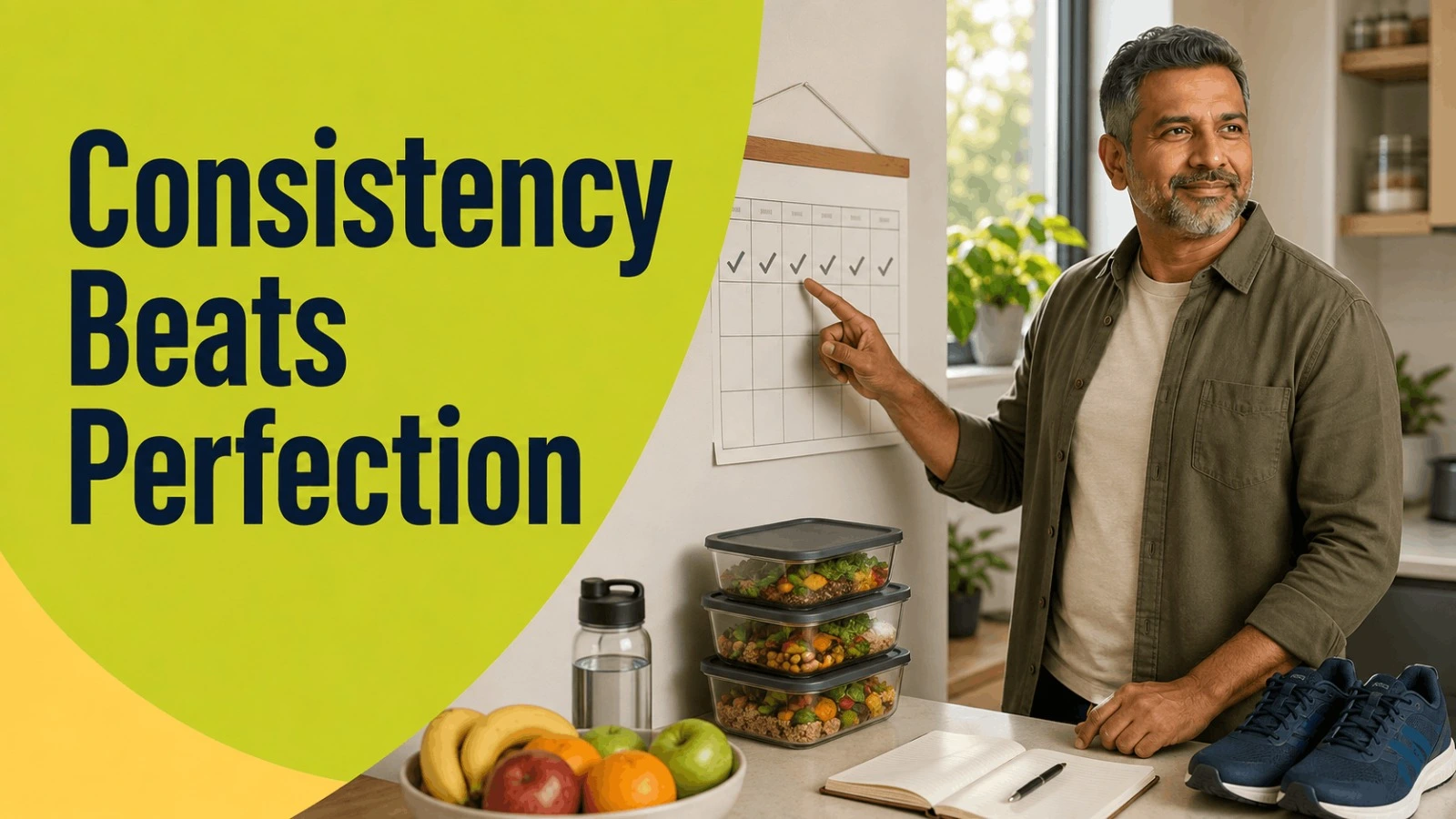
This was probably the biggest lesson I learned on my journey. Earlier, I believed that one unhealthy meal ruined all my progress or that missing a single workout meant complete failure. Now I understand that one bad day does not destroy your results, just like one healthy day does not create a complete body transformation. Long-term success comes from repeated healthy habits over time. Consistency will always beat perfection.
2. Walking Daily Helps More Than Most People Think

Walking became one of the most sustainable fat-loss habits in my life. Many people underestimate walking because it feels too simple, but it significantly improves calorie burning, blood circulation, stress reduction, digestion, and mental clarity. Personally, walking after meals improved my energy, digestion, blood sugar balance, and hunger control. Walking is low-stress, easy on the joints, and completely sustainable for the long run.
3. Sleep Strongly Affects Weight Loss

One critical factor I ignored for many years was sleep. Poor sleep increases cravings, hunger, fatigue, emotional eating, and belly fat storage. Personally, improving my sleep quality reduced late-night hunger, sugar cravings, and mental exhaustion. The human body handles weight management much better when it is properly rested.
Signs that poor sleep is affecting your weight include:
-
Constant tiredness and low energy throughout the day
-
Increased cravings for sugar and refined carbohydrates
-
Low motivation to exercise or move
-
Increased belly fat accumulation
-
Frequent emotional eating episodes
4. Stress Causes Weight Gain Too
Many people focus only on calorie tracking and completely ignore stress. Personally, high stress strongly affected my eating habits, sleep quality, motivation, and belly fat retention. Stress increases cortisol levels in the body, which worsens fat storage, triggers cravings, and promotes emotional eating.
Habits that helped reduce my stress eating included:
-
Walking outdoors in fresh air
-
Prioritizing early and restful sleep
-
Spending time in quiet reflection and prayer
-
Limiting daily screen time and digital overload
5. Stop Trying to Starve Yourself
One major mistake many people make is eating far too little food. Aggressive dieting usually causes severe fatigue, intense cravings, low daily energy, and mental frustration. Balanced eating works much better long-term than strict starvation. Instead of severe caloric restrictions, learning to lose weight with portion control allows you to enjoy balanced meals without feeling deprived. The goal of weight management should always be sustainability, not self-punishment.
6. Focus on Better Food Quality

Improving overall food quality helped me far more than strict dieting ever did. Focusing on whole, nutrient-dense foods improves fullness, keeps daily energy steady, and maintains blood sugar stability. Conversely, highly processed foods often create sugar cravings, energy crashes, and overeating.
Nutritious foods to include in your daily meals:
-
Protein sources like eggs, fish, and Greek yogurt
-
Fiber-rich options like fruits, vegetables, and oats
-
Healthy fats from nuts and seeds
7. Belly Fat After 40 Requires Patience
After age 40, losing belly fat becomes noticeably harder because metabolism naturally slows down, muscle mass gradually declines, daily stress increases, and overall activity often decreases. Personally, learning patience became extremely important. Slow, steady progress works much better and lasts longer than extreme short-term weight loss attempts.
8. Strength Training Supports Fat Loss
Many people think weight loss only requires hours of cardio. However, incorporating strength training improves metabolism, preserves lean muscle mass, boosts daily energy, and supports efficient fat burning. Muscle tissue helps the body burn more calories naturally, even while at rest.
Simple exercises you can start with:
-
Bodyweight squats
-
Push-ups (wall or knee variations)
-
Resistance band exercises
-
Light dumbbell workouts
9. Emotional Eating Is a Hidden Problem
One important thing I noticed personally is that many people eat because of stress, boredom, or emotional exhaustion—not true physical hunger. Emotional eating happens most frequently late at night, during high-stress situations, while staring at screens, or during periods of mental fatigue. Recognizing these emotional eating patterns is the first step toward overcoming them.
10. Stop Looking for Quick Fixes
The fitness industry constantly promotes miracle diets, fast fat burners, and instant transformation plans. Personally, none of those gimmicks created lasting results. Real transformation comes from building better habits, following structured routines, and staying consistent—not looking for shortcuts.
11. Small Daily Habits Create Big Results
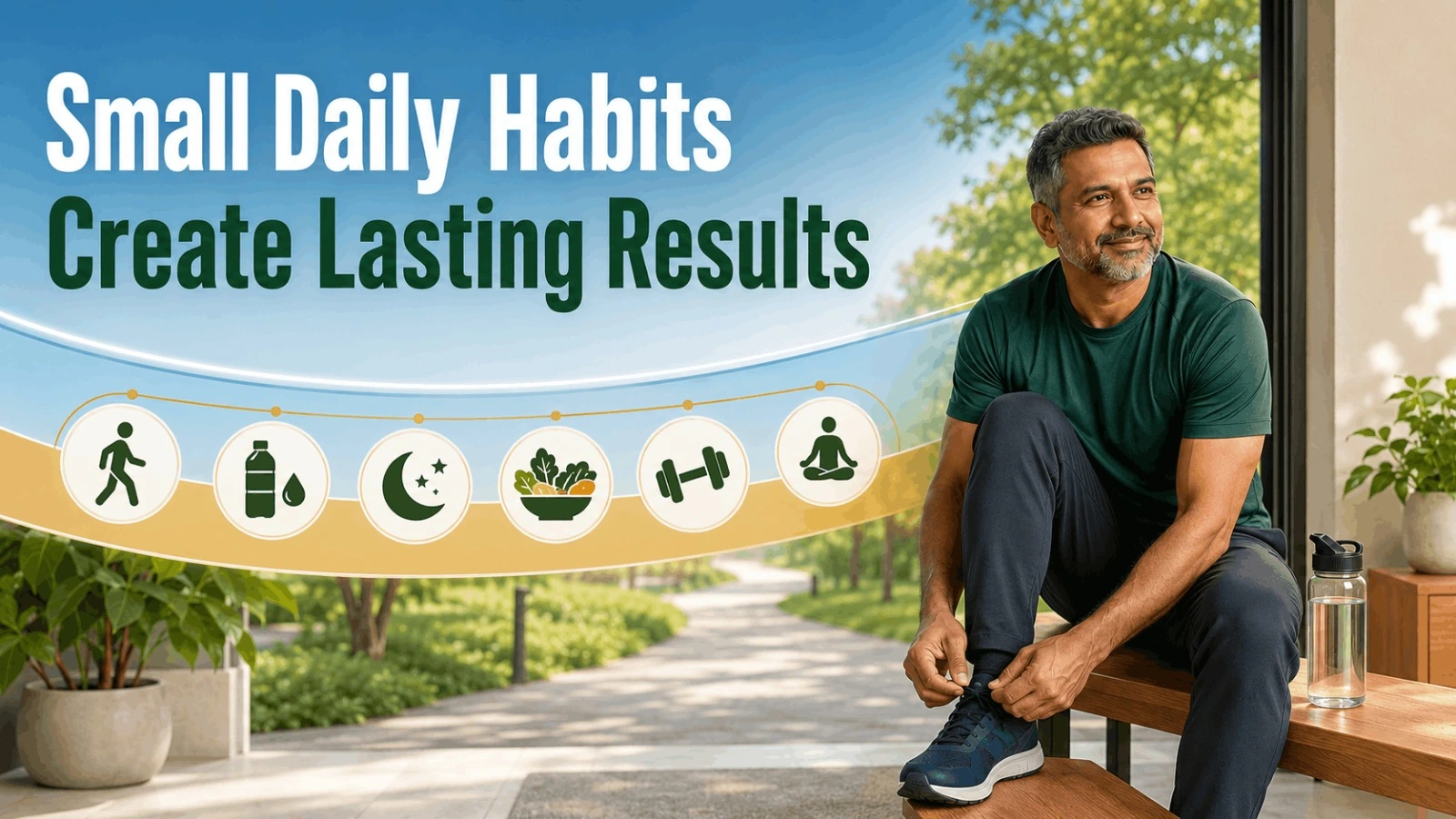
One simple realization changed my mindset completely: tiny habits repeated daily create major transformations over time. Small actions matter greatly:
-
Walking daily
-
Drinking more water throughout the day
-
Going to sleep earlier
-
Eating lighter dinners
-
Staying physically active
-
Reducing refined sugar intake
12. Weight Loss Should Improve Life, Not Destroy It
I stopped following strict plans that made my life feel miserable. Healthy living should improve your energy levels, reduce daily stress, increase self-confidence, and support mental health—not create constant frustration. Sustainable health routines must feel realistic and enjoyable.
13. Recovery Matters Too
After 40, your body requires better sleep, proper recovery, stress management, and balanced exercise. Overtraining without resting often creates severe fatigue, increased appetite, workout burnout, and poor long-term consistency. Balancing physical activity with adequate recovery yields much better overall health results.
14. Build Discipline Slowly
Discipline grows gradually over time through repeated action; you do not transform overnight. Healthy living is built on consistent decisions and steady patience. Focus on making small improvements every single day.
Habits That Helped My Weight Loss Most
To summarize what created the biggest personal shift, these realistic daily habits made the most noticeable difference:
-
Walking daily after meals
-
Going to bed earlier for proper rest
-
Actively managing daily stress
-
Eating nutrient-dense, whole foods
-
Drinking more water consistently
-
Adding simple strength training
-
Cutting back on refined sugars
None of these habits were extreme or restrictive, but together they completely improved weight, energy levels, sleep quality, mood, and mental clarity.
Why Long Term Weight Loss Feels Different After 40
After 40, your core health goals shift. Weight loss becomes less about meeting unrealistic aesthetic standards and more about:
-
Sustained daily energy
-
Better joint mobility and strength
-
Disease prevention and cardiovascular health
-
Long-term physical wellness and longevity
Feeling lighter, stronger, and healthier overall becomes far more rewarding than chasing fast, unsustainable body changes.
The Real Secret Behind Long Term Weight Loss
The real secret is simple: long-term weight loss happens when healthy habits become an effortless part of your normal lifestyle, not a temporary punishment. Once you shift your focus from short-term perfection to long-term sustainability, maintaining a healthy body becomes much easier.
Real transformation comes down to daily movement, nourishing food, quality rest, and emotional well-being. Focus on small, steady improvements, and let consistency do the work over time.
Pingback: How to Jump-Start Weight Loss After 40: Essential Guide for Men