
After turning 40, many men start noticing a quiet change. You may still have the same responsibilities, the same work pressure, and the same family duties, but your body may not feel the same. The morning starts slower. The afternoon feels heavier. A late night takes longer to recover from. Even simple tasks can sometimes feel more tiring than before.
Like many men over 40, you may wonder why energy levels drop with age and whether this is just a normal part of getting older. The answer is not always simple. While energy levels by age naturally fluctuate, lifestyle often plays an even bigger role than the date on your birth certificate. Poor sleep, belly fat, stress, low activity, weak muscles, blood sugar changes, and poor recovery can all make a man feel older than he really is.
The good news? Low energy after 40 is not a permanent sentence. In many cases, you can reclaim your vitality by building better habits around sleep, movement, strength training, nutrition, hydration, and stress management.
What Does Low Energy Really Mean?

Low energy is more than just feeling sleepy. It is a systemic issue that can affect your body, mind, mood, motivation, and confidence.
Some men describe low energy as feeling tired all the time. Others feel mentally drained, physically heavy, or unable to focus. Many find they can work all day but have zero fuel left for exercise, family time, or personal goals.
Common Warning Signs of Declining Energy:
- Waking up tired even after a full night’s sleep
- Experiencing the dreaded post-lunch energy crash
- Relying heavily on caffeine to get through the day
- Losing interest or feeling weak during workouts
- Experiencing poor focus, low mood, and less patience
- Noticing a stubborn increase in belly fat
Note: Low energy does not always mean there is a serious medical problem. However, if it continues for weeks or months, it should not be ignored. It is your body’s way of telling you that something needs to change.
Why Energy Levels Drop With Age: 10 Core Factors
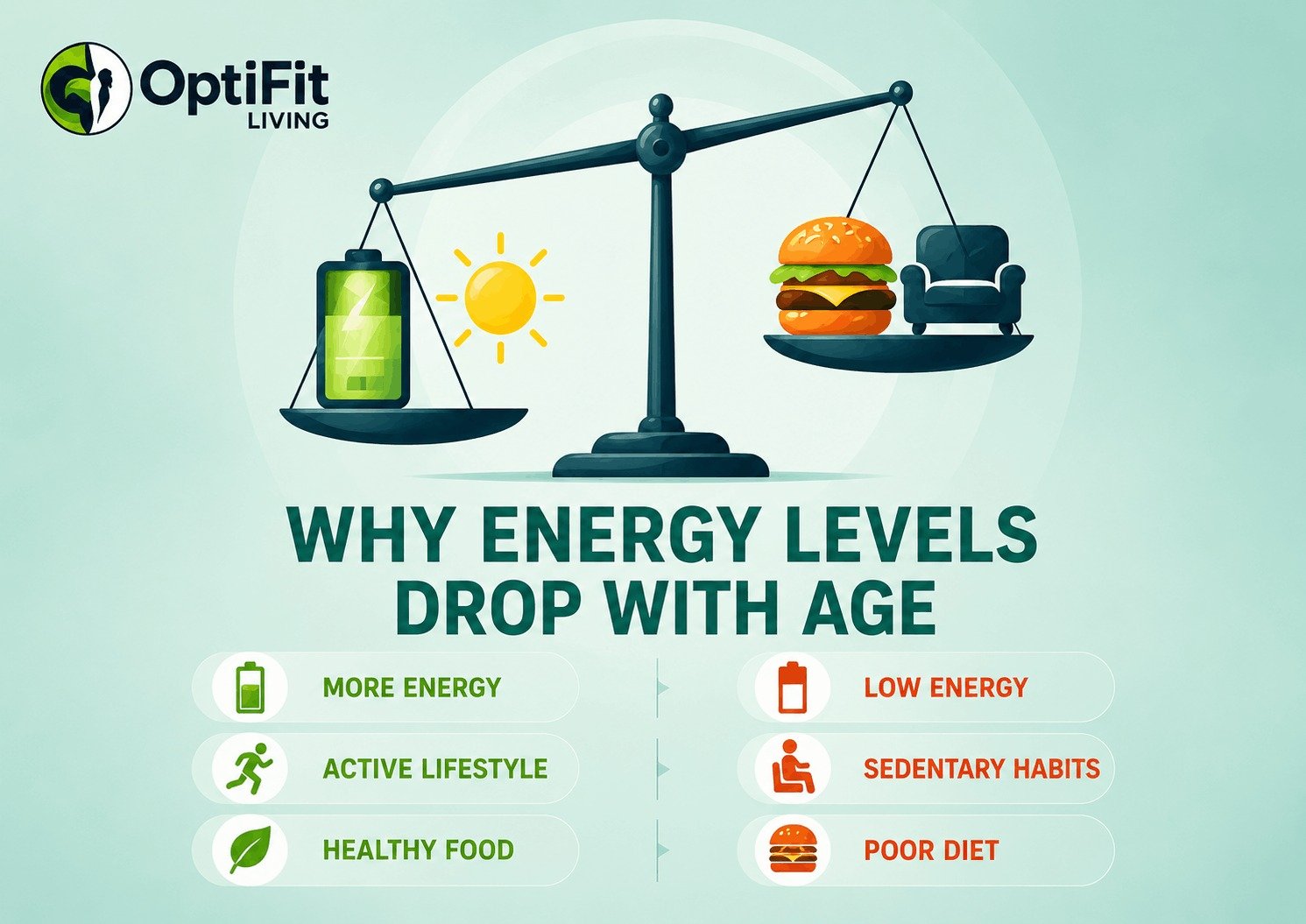
When analyzing energy levels by age, it becomes clear that the biological slowdown is often accelerated by shifting lifestyle habits. For many men, the real problem is not age alone—it is age combined with sitting more, moving less, eating heavier meals, and carrying more stress.
Here are the 10 primary reasons your energy might be dipping:
1. Muscle Mass Slowly Declines
Muscle is the ultimate engine for energy, strength, and healthy aging. As men age, muscle mass can slowly decline (a process called sarcopenia), especially without regular resistance training. Less muscle makes daily tasks feel harder, creating a vicious cycle: you feel tired → you move less → muscles weaken → daily tasks feel harder → you feel even more tired.
- Internal Link Opportunity: Learn How Often Should You Exercise Weekly to break this cycle.
2. Belly Fat Becomes Easier to Gain
Many men over 40 notice that belly fat increases even without eating more. This happens due to lower metabolic activity, poor sleep, stress, and reduced muscle mass. Belly fat acts as an inflammatory tissue that actively drains your energy and disrupts hormones.
- Internal Link Opportunity: Discover Why Belly Fat Gets Harder to Lose After 40.
3. Sleep Quality Often Gets Worse
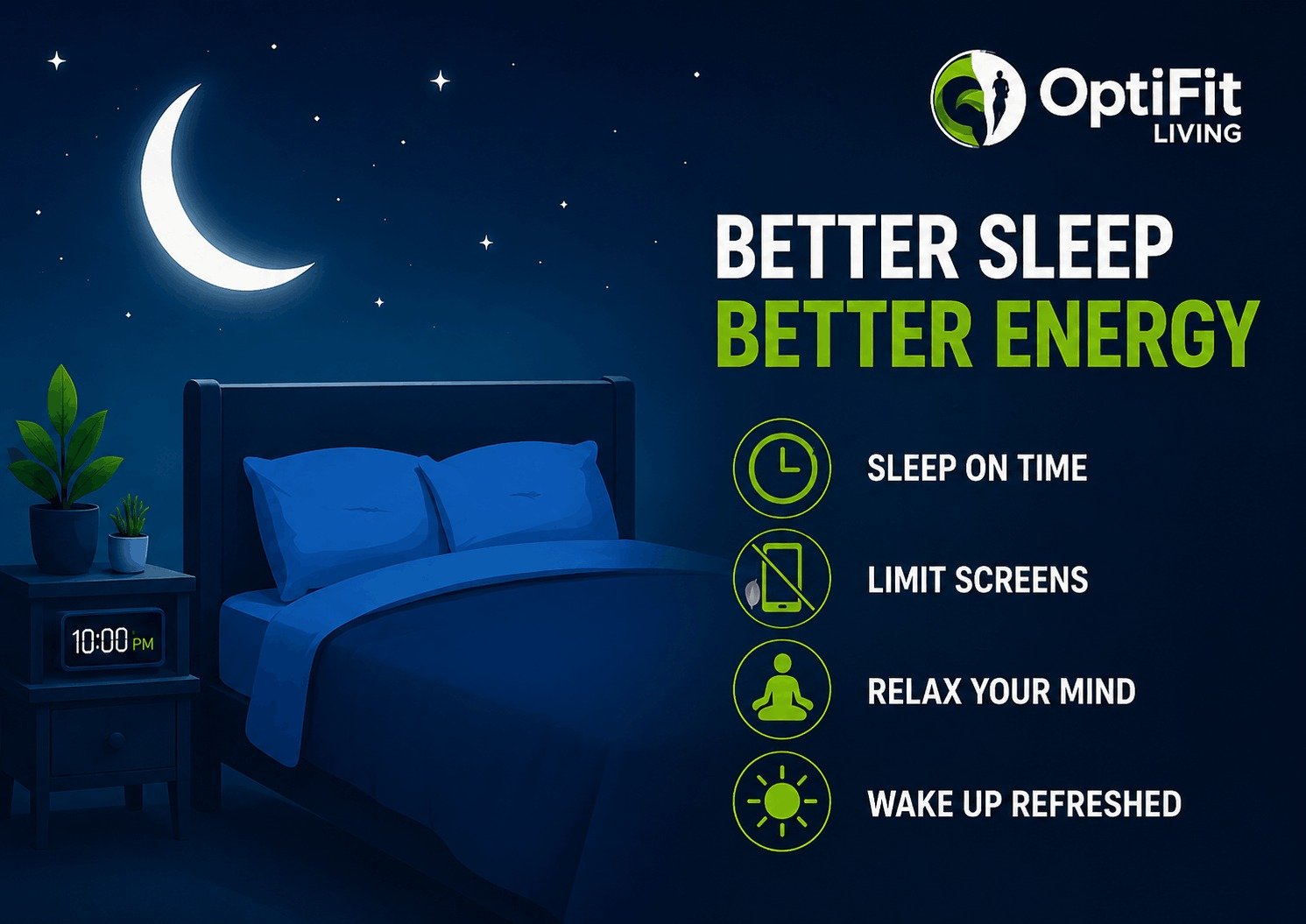
Sleep is arguably the biggest variable influencing why energy levels drop with age. Many men believe they sleep enough, but the quality of that sleep is poor due to late-night screen time, heavy dinners, or stress. One bad night can ruin a day; a week of bad nights ruins your productivity.
- Internal Link Opportunity: Read about Why Sleep Becomes Important After 40.
4. Chronic Stress Drains the Body
Work pressure, family duties, and financial responsibilities keep the mind in a constant “fight-or-flight” state. When stress continues long-term, it physically drains your adrenal reserves, leading to late-night eating, poor sleep, and sugar cravings. Stress management isn’t a luxury; it’s essential maintenance.
5. Blood Sugar Swings Cause Sudden Crashes
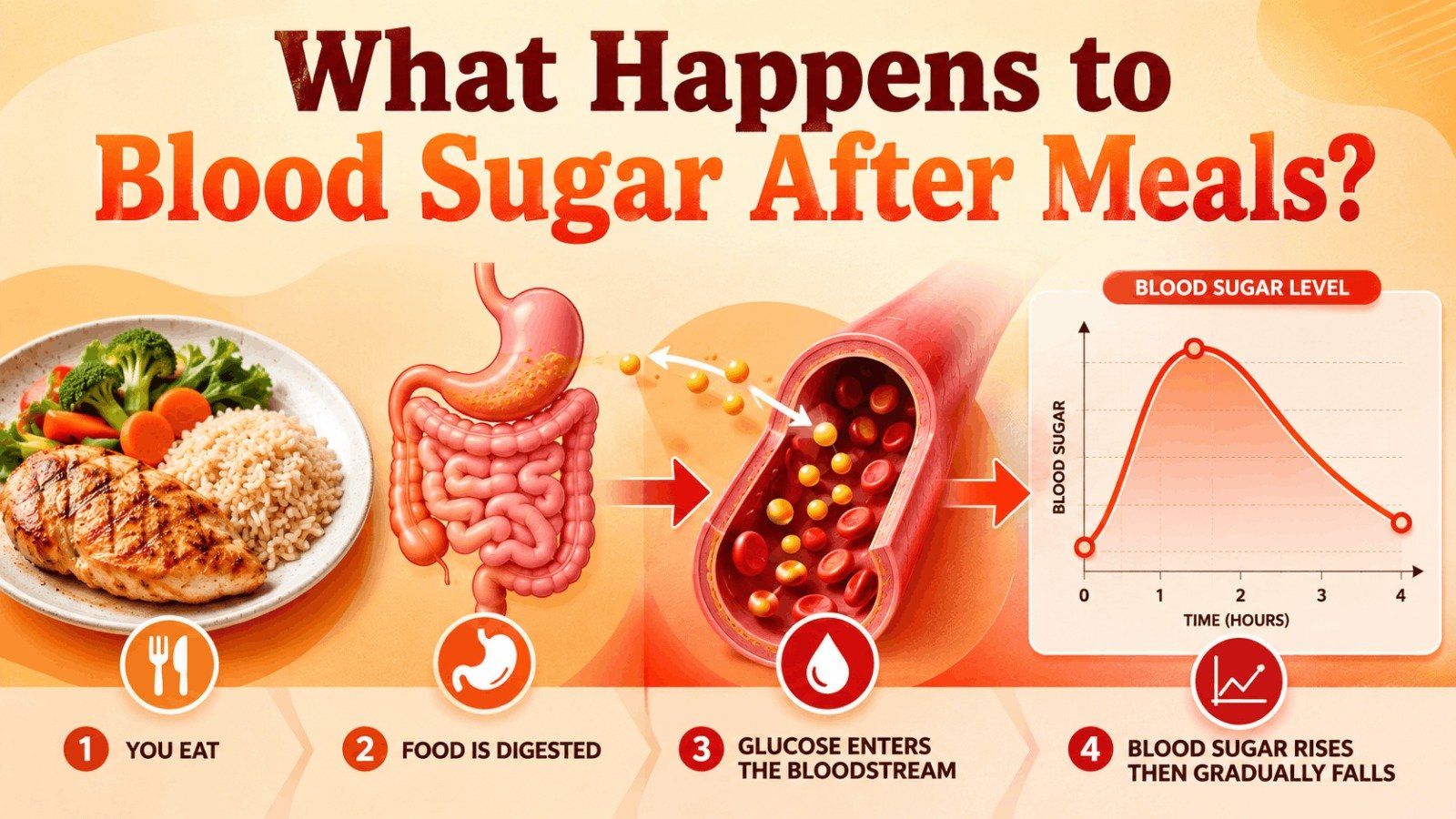
If you feel fine in the morning but sluggish after breakfast or lunch, blood sugar spikes are likely to blame. Meals high in refined carbs (sugary tea, white bread, large rice portions, biscuits) cause a rapid rise and sharp drop in blood glucose, leaving you mentally dull and fatigued.
[High Carb/Sugar Meal] ➔ [Blood Sugar Spike] ➔ [Insulin Surge] ➔ [Energy Crash/Fatigue]
6. Low Movement Makes the Body Stiff
The human body is designed to move. Sitting at a desk for 8–10 hours reduces blood flow, tightens your hips, and weakens your glutes. This physical inactivity mimics actual exhaustion, which is why office workers often feel drained despite doing no manual labor.
- Internal Link Opportunity: Check out Walking vs Running – Which Is Better for daily movement.
7. Hormonal Shifts Take Place
Hormones heavily influence energy, strength, mood, and body composition. For men, testosterone naturally declines by about 1% per year after age 30. While low testosterone can cause fatigue, general energy drops are just as frequently caused by poor sleep, high stress, and weight gain.
8. Recovery Takes Longer
After 40, your body’s cellular repair mechanisms slow down. A hard workout, a stressful week, or a poor night of sleep requires more recovery time than it did in your 20s. Pushing harder without adjusting your recovery strategy leads straight to burnout.
9. Poor Nutrition Reduces Cellular Fuel
If the fuel is poor, the machine runs poorly. A diet heavy in processed snacks, fried foods, and late-night meals slows down digestion and causes sluggishness. Men over 40 require nutrient-dense meals rich in protein, healthy fats, and micronutrients to optimize mitochondrial energy production.
10. Mental Fatigue Mimics Physical Fatigue
Carrying a heavy mental load—worrying about career growth, family well-being, aging parents, and financial planning—takes a massive toll. The brain consumes a massive amount of glucose; when your mind is overloaded, your muscles will feel just as heavy.
This connects naturally with How Exercise Improves Mental Wellness.
Who Is Most Affected by Age-Related Energy Drops?
While changes in energy levels by age affect everyone, certain lifestyles make men far more vulnerable to severe drops after 40:
- Busy Professionals: High stress, long desk hours, and constant deadlines.
- Men with Excess Belly Fat: Facing increased systemic inflammation and metabolic slowdown.
- Chronic Poor Sleepers: Relying on caffeine rather than deep, restorative sleep.
- Sedentary Individuals: Suffering from muscle atrophy and low cardiovascular stamina.
Warning Signs You Should Not Ignore
Low energy is common, but it can sometimes signal an underlying medical issue. Please speak to a healthcare professional if you experience:
- Severe, unyielding fatigue that does not improve with rest
- Chest pain, shortness of breath, or dizziness
- Unexplained weight loss or sudden muscle weakness
- Symptoms of severe depression or clinical anxiety
- Fatigue accompanied by sudden changes in sexual health or excessive urination
Practical Solutions to Boost Energy After 40

To optimize your energy levels by age, you do not need an extreme lifestyle overhaul. You need simple, realistic, and consistent habits.
1. Walk Every Day (20–30 Minutes)
Walking stimulates circulation, clears cortisol (the stress hormone), and helps stabilize blood sugar levels. Aim for a 10-minute walk immediately after meals to blunt blood sugar spikes.
2. Strength Train 2–3 Times Weekly
Resistance training tells your body to preserve muscle mass, boosts metabolic rate, and increases natural hormone production. Stick to compound basics:
- Squats & Glute Bridges
- Push-ups & Dumbbell Rows
- Planks & Farmer’s Carries
3. Prioritize a Sleep Routine
A great day starts the night before. Keep your sleeping and waking times consistent, cut off screens 45 minutes before bed, avoid late-night heavy dinners, and eliminate afternoon caffeine.
4. Optimize Your Plate

- Eat Protein with Every Meal: Eggs, chicken, fish, lentils, and Greek yogurt support muscle retention and fullness.
- Reduce Refined Carbs: Swap soft drinks, biscuits, and oversized portions of rice or white bread for complex carbs like oats, vegetables, and whole grains.
- Stay Hydrated: Drink a glass of water immediately upon waking and keep a water bottle at your desk. Even mild dehydration drops energy levels significantly.
Real-World Strategic Fixes
| The Scenario | The Old Pattern | The Energy Upgrade |
| The Sedentary Office Worker | Heavy carb lunch → Sitting for hours → 3 PM energy crash. | Protein-rich lunch → 10-minute walk post-meal → 2-minute stretch break every 90 minutes. |
| The Stressed Late-Nighter | Stress scrolling → Late heavy dinner → Waking up exhausted. | Phone-free last 30 mins → Lighter dinner → Earlier bedtime → Morning hydration. |
| The Former Athlete | Trying to jump back into extreme, intense workouts → Injury/Burnout. | Restarting wisely → Daily walking → 2 moderate strength sessions per week → Focus on recovery. |
Common Mistakes to Avoid
- Believing Low Energy is Just Age: Don’t let aging be an excuse for poor habits. Lifestyle often matters more than biology.
- Over-Caffeinating: Coffee masks tiredness temporarily but destroys sleep quality if consumed late in the day.
- Ignoring Recovery: Pushing your body to the limit without prioritizing rest days and nutrition causes long-term fatigue.
- Skipping the Weights: Walking is excellent, but strength training is non-negotiable for preserving aging muscle mass.
The 4-Week Step-by-Step Action Plan
[Week 1: Wake Up the Body] ➔ [Week 2: Build Strength] ➔ [Week 3: Fix Fuel & Recovery] ➔ [Week 4: Lock In the Routine]
- Week 1: Wake Up the Body: Walk 10 minutes daily, drink water right after waking up, and go to bed 20 minutes earlier. Cut out sugary drinks.
- Week 2: Build Strength: Introduce 2 basic strength sessions per week. Increase your daily walk to 20 minutes and ensure you eat protein at breakfast.
- Week 3: Improve Food & Recovery: Focus on protein with every meal, decrease dinner portion sizes, and cut off caffeine by 2 PM. Add light stretching before bed.
- Week 4: Create a Sustainable Lifestyle: Bump strength training to 3 times weekly. Track your energy, mood, and strength improvements.
- FAQ: Understanding Energy Levels by Age
Q: Why do energy levels drop with age?
A: While natural biological shifts occur, substantial drops are typically caused by a combination of muscle loss, poor sleep quality, increased belly fat, chronic stress, and a sedentary lifestyle.
Q: Is low energy after 40 normal?
A: A slight shift in recovery speed is normal, but chronic, debilitating fatigue is not. Most men can significantly improve their baseline energy through targeted lifestyle changes.
Q: Does belly fat actively lower my energy?
A: Yes. Belly fat induces low-grade systemic inflammation and can contribute to insulin resistance, both of which cause frequent energy crashes and feelings of sluggishness.
Q: Can low testosterone cause low energy?
A: It can, but it is rarely the only cause. Poor sleep, high stress, and lack of exercise can mimic the symptoms of low testosterone. It is best to consult a doctor for accurate testing.
Conclusion
When looking at how energy levels by age shift, it’s clear that vitality doesn’t disappear overnight. It drains away slowly through micro-habits: a few more hours of sitting, an extra late-night snack, missed workouts, and accumulated stress.
But just as energy drains away through small habits, it can be reclaimed through them too. A 10-minute walk. A consistent bedtime. Two strength sessions a week. More water, more protein, and less screen time.
Understanding why energy levels drop with age is valuable, but the real breakthrough comes when you take action. Start small, protect your habits, and build a routine your body can trust. A vibrant, strong, and highly energetic life after 40 is entirely within your control.