One of the most common reasons people stop exercising is not laziness.
It is lack of time.
Personally, this became much more noticeable after 40. Earlier in life, free time felt easier to manage. But with growing responsibilities:
- Work pressure
- Family responsibilities
- Mental stress
- Long office hours
- Fatigue
fitness often gets pushed to the side.
Many people think staying active requires:
- Long gym sessions
- Perfect schedules
- Hours of free time
But personally, I learned something important:
Health improves more through consistency than perfection.
The truth is that staying active does not always require dramatic workouts. Small daily movement habits can create major long-term improvements in:
- Energy
- Weight
- Mood
- Mental clarity
- Fitness
- Stress management
Personally, once I stopped chasing “perfect fitness schedules” and started focusing on realistic movement, staying active became much easier.
This article explains how to stay active with a busy schedule and how small practical habits can help improve long-term health naturally.
Why Busy People Stop Exercising
Modern life creates constant mental and physical exhaustion.
Personally, after long working days, I often felt:
- Mentally drained
- Physically tired
- Unmotivated
Many people believe they need high energy and motivation before starting exercise.
But waiting for “perfect motivation” usually leads to inactivity.
One major lesson I learned:
Movement actually creates energy.
The more inactive we become, the more tired we usually feel.
Healthy Living for Men Over 40: Complete Fitness & Wellness Guide
The Body Was Designed to Move
One thing I realized after 40 is that inactivity affects the body much faster.
Too much sitting often leads to:
- Stiffness
- Belly fat
- Low energy
- Poor circulation
- Back pain
- Mental fatigue
Personally, even short movement breaks improved:
- Alertness
- Mood
- Focus
- Physical comfort
The body functions better when movement becomes part of daily life.
1. Stop Thinking Exercise Must Be Perfect
This mindset changed my fitness approach completely.
Earlier, I thought:
- If I cannot do a full workout, there is no point
- Missing one day ruins progress
Now I understand:
- Small movement still matters
- Short workouts still help
- Walking still counts
Consistency is more important than perfection.
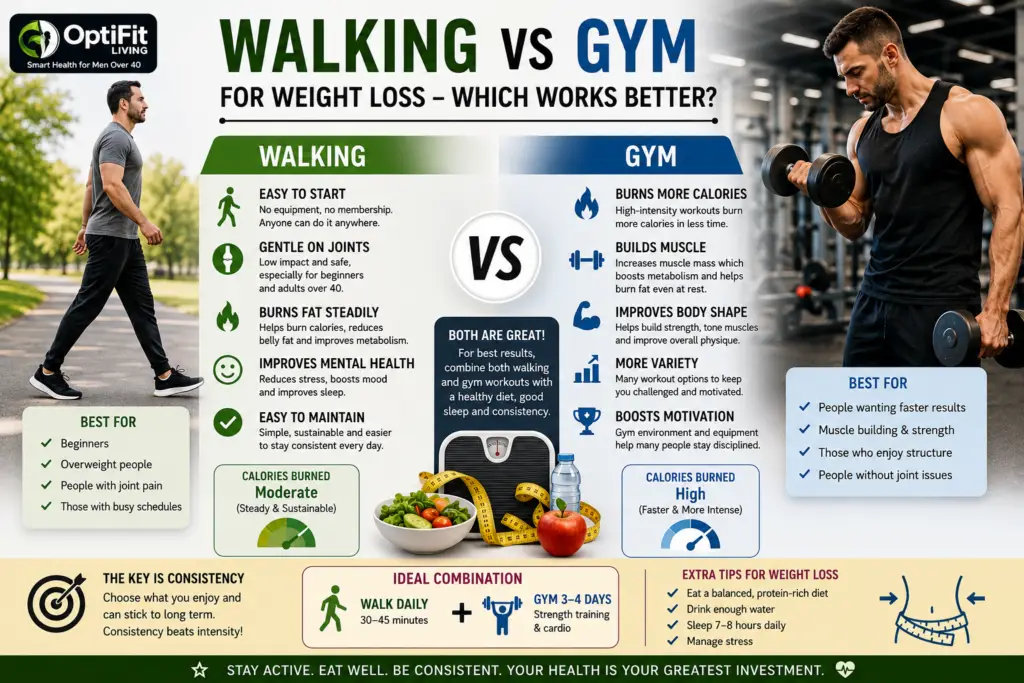
2. Walking Is One of the Easiest Ways to Stay Active
Personally, walking became the most sustainable exercise habit in my life.
Walking fits easily into busy schedules because it:
- Requires no equipment
- Needs little preparation
- Is low stress
- Can be done almost anywhere
Walking improved:
- Energy
- Digestion
- Stress levels
- Mental clarity
Even short walks create benefits.
Easy Ways to Walk More Daily
Simple changes help greatly:
- Walk after meals
- Use stairs
- Park farther away
- Walk during phone calls
- Take short walking breaks
Personally, these small habits increased my daily movement naturally.
3. Short Workouts Still Work
One major mistake many people make is believing workouts must last one hour or more.
Personally, I noticed even 15–20 minutes of exercise improves:
- Energy
- Mood
- Blood circulation
- Mental focus
Short workouts are much easier to maintain consistently.
Simple Short Exercises That Help
Helpful quick exercises include:
- Squats
- Push-ups
- Stretching
- Resistance bands
- Light dumbbells
- Walking intervals
Small workouts repeated consistently create real results.
4. Reduce Sitting Time
Long sitting hours damage both physical and mental health.
Personally, too much sitting made me feel:
- Heavy
- Tired
- Mentally slow
Reducing sitting improved:
- Back comfort
- Energy
- Focus
Simple Ways to Reduce Sitting
Helpful habits include:
- Standing during calls
- Stretching every hour
- Walking briefly after long sitting
- Using stairs more often
Movement throughout the day matters greatly.
5. Morning Movement Creates Better Energy
Personally, morning movement improved my entire day.
Even simple stretching or walking helps:
- Wake the body
- Improve circulation
- Increase mental freshness
You do not need intense morning workouts.
Small movement is enough to activate the body.
6. Schedule Activity Like Important Work
One important lesson I learned:
If movement is not scheduled, busy life usually pushes it aside.
Personally, planning activity helped greatly.
Even short planned movement sessions improved consistency.
7. Use Exercise to Reduce Stress
Many people view exercise only as weight loss.
Personally, movement helped my mental health just as much.
Walking and exercise reduced:
- Stress
- Overthinking
- Mental exhaustion
- Anxiety
After stressful days, movement often improved my mood significantly.
8. Focus on Daily Movement Instead of Intense Workouts
One major realization changed my mindset:
Daily movement matters more than occasional extreme effort.
Personally, regular activity improved my health more than short bursts of aggressive exercise.
The body benefits from consistency.
9. Sleep and Energy Affect Activity Levels
Poor sleep reduces motivation greatly.
Personally, lack of sleep increased:
- Laziness
- Fatigue
- Cravings
- Mental exhaustion
Improving sleep helped me stay more active naturally.
10. Healthy Eating Supports Activity
Heavy unhealthy meals often reduce energy.
Personally, healthier eating improved:
- Workout consistency
- Energy stability
- Daily movement
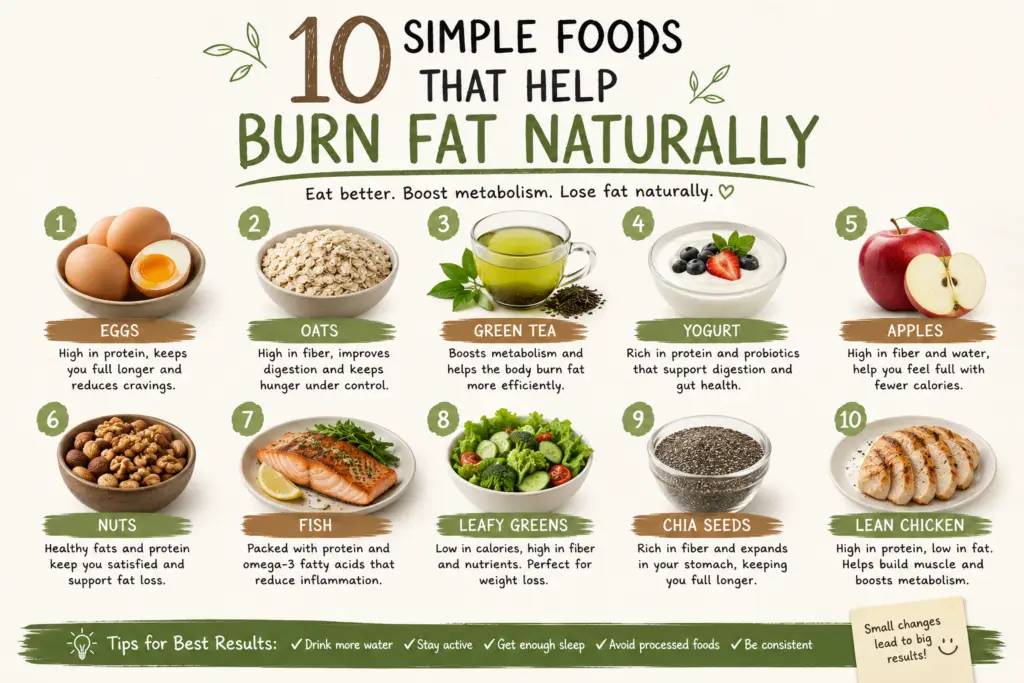
Helpful foods include:
- Fruits
- Yogurt
- Eggs
- Oats
- Nuts
- Vegetables
The body moves better when properly fueled.
11. Fitness Should Fit Real Life
One major mindset shift helped me greatly:
Fitness should support life — not control it completely.
Many people quit because their routines feel unrealistic.
Personally, simpler habits worked far better long-term.
12. Small Activity Habits Create Big Results
One important thing I learned after 40:
Small movement habits become powerful over time.
Simple habits matter greatly:
- Walking daily
- Stretching
- Standing more
- Short workouts
- Taking stairs
These habits slowly improve:
- Energy
- Weight
- Fitness
- Mental clarity
13. Avoid the “All or Nothing” Mindset
Many people think:
- “If I cannot exercise perfectly, I should not exercise at all.”
Personally, this mindset delayed progress many times.
Now I focus on:
- Doing something
instead of - Doing nothing
Even small movement is valuable.
14. Staying Active Improves Mental Health Too
Personally, inactivity affected my mood strongly.
Movement improves:
- Confidence
- Mental calmness
- Focus
- Emotional balance
The mind and body are deeply connected.
Habits That Helped Me Stay Active Most
Personally, these habits helped greatly:
- Walking daily
- Short home workouts
- Taking stairs
- Standing more often
- Stretching during work
- Morning movement
- Reducing long sitting hours
None of these habits were extreme.
But together they improved:
- Energy
- Mood
- Weight control
- Physical comfort
Why Staying Active Becomes More Important After 40
After 40, inactivity affects the body much faster.
Movement becomes important for:
- Joint health
- Muscle maintenance
- Heart health
- Weight management
- Mental wellness
Personally, staying active now feels less about appearance and more about maintaining long-term quality of life.
Final Thoughts
Staying active with a busy schedule is absolutely possible.
Personally, I learned that fitness does not require perfection.
It requires:
- Consistency
- Simplicity
- Realistic habits
- Daily movement
Simple habits like:
- Walking more
- Reducing sitting
- Short workouts
- Stretching daily
- Morning movement
can create powerful long-term improvements in:
- Energy
- Health
- Weight
- Mood
- Mental clarity
The goal is not finding perfect conditions.
The goal is building a healthier, more active lifestyle that fits naturally into real everyday life.