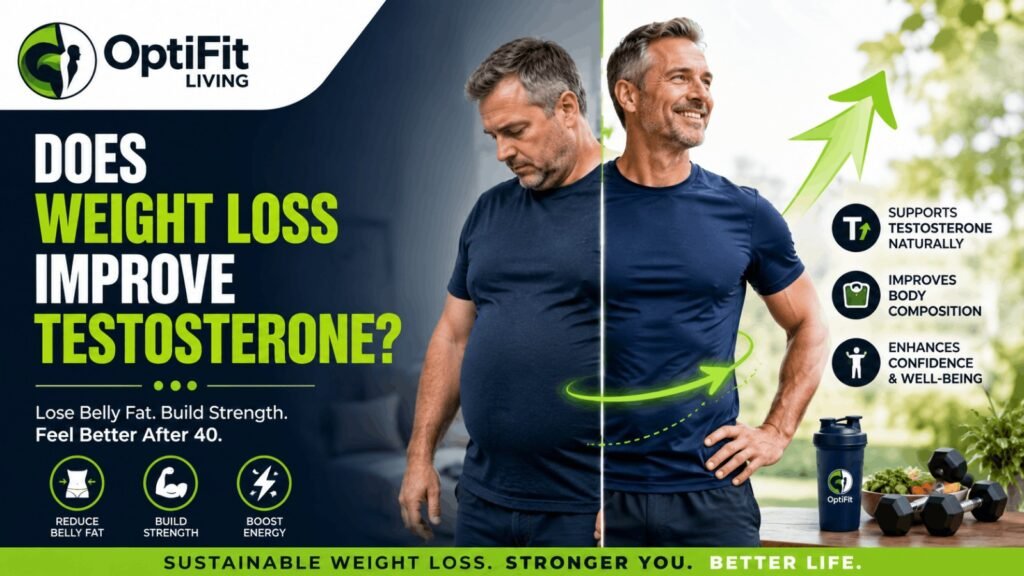
After turning 40, many men start noticing changes that feel frustrating. Belly fat becomes harder to lose. Energy does not feel the same. Strength may slowly decline. Sleep may become lighter. Confidence may take a hit.
Naturally, many men hit the internet looking for the best testosterone booster for men to recapture their youthful vitality. But before you buy a bottle of expensive pills, it is crucial to understand what actually works.
While the supplement industry promises quick fixes, real medical data shows that for overweight or obese men, the single best testosterone booster for men is sustainable weight loss achieved through better food, regular exercise, improved sleep, and reduced belly fat. Choosing the best testosterone booster for men starts with understanding what lowers testosterone naturally and how healthy lifestyle changes can restore hormone balance.
This article explains the connection between weight loss and hormone health, why belly fat lowers your T-levels, and how optimizing your lifestyle acts as the ultimate natural testosterone booster.
Why Testosterone Matters for Men Over 40
Testosterone is an important male hormone. It supports muscle mass, bone strength, red blood cell production, sex drive, mood, energy, and general well-being.
Men naturally have higher testosterone levels during younger adulthood. With age, testosterone often declines gradually. Mayo Clinic notes that testosterone levels usually decline about 1% per year after age 30 or 40. However, it is important to find out whether low testosterone is due to normal aging or a true medical condition called hypogonadism.
For men over 40, testosterone becomes a common concern because many lifestyle changes happen at the same time:
- Work pressure increases
- Sleep quality reduces
- Belly fat increases
- Exercise becomes less consistent
- Stress remains high
Common Symptoms of Low Testosterone
Low testosterone may be linked with symptoms such as:
- Low energy and stamina
- Reduced sex drive
- Less muscle strength
- Increased belly fat
- Low mood and motivation
- Brain fog
- Sleep problems
However, these symptoms can also happen because of poor sleep, stress, diabetes, thyroid problems, depression, excess weight, or medication side effects. That is why symptoms alone are not enough to diagnose low testosterone.
Is Weight Loss the Best Testosterone Booster for Men?
Yes. For men who are overweight or obese, dropping excess fat is arguably the best testosterone booster for men available naturally. This is especially true when weight loss reduces deep belly fat and improves metabolic health.
Excess body fat is directly linked with lower testosterone. Harvard Health has reported that obesity lowers testosterone levels and that waist circumference may be a stronger predictor of low testosterone than body mass index (BMI). A 2024 review in PubMed also explains that excess body fat is linked to reduced testosterone and that weight loss significantly increases testosterone levels in men with overweight or obesity.
The hormone response varies from person to person and depends on:
- Starting weight and waist size
- Age and medical conditions
- Sleep quality and stress levels
- Diet quality and exercise routine
- The total amount of weight lost
For many men over 40, the biggest improvement does not come from a pill. It comes from improving the habits that support testosterone naturally: losing excess fat, building muscle, sleeping better, walking more, and eating balanced meals.
Why Belly Fat Destroys Testosterone
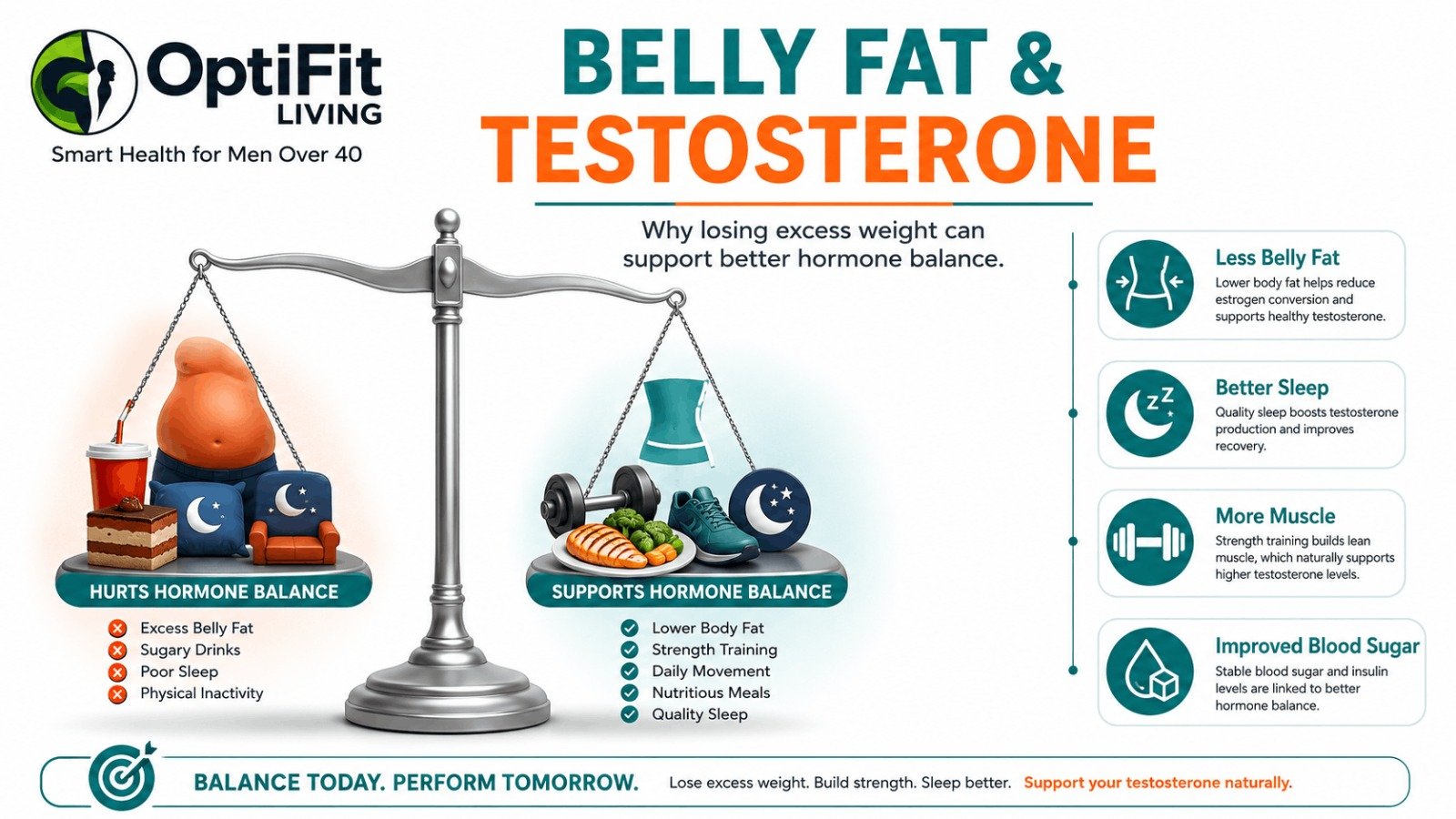
Belly fat is not just stored weight; it is an active tissue that negatively affects hormones, inflammation, blood sugar, and heart health.
Mayo Clinic explains that belly fat in men can increase the risk of serious health problems and that losing extra pounds matters, especially when weight is stored around the abdomen. Belly fat lowers testosterone in a few specific ways:
- Fat Tissue Converts Hormones: Fat tissue contains an enzyme called aromatase, which converts testosterone into estrogen (the primary female hormone). More belly fat means more testosterone gets converted and lost.
- Insulin Resistance: Insulin resistance, belly fat, and low testosterone often appear together. This is one reason men with prediabetes, type 2 diabetes, or abdominal obesity suffer from low T-levels.
- Poor Sleep Cycles: Belly fat is linked with snoring and sleep apnea. Poor sleep reduces daily testosterone production, increases hunger, and raises stress hormones.
- The Low-Activity Loop: Gaining weight makes movement harder, leading to muscle loss. Less muscle reduces your metabolism, making fat loss even tougher.
How Weight Loss Acts as a Natural Testosterone Booster
For many men, the best testosterone booster for men is not a supplement but a consistent weight loss plan combined with regular strength training.
When a man loses excess fat—especially around the waist—it resets the body’s internal environment:
- Restores Hormone Balance: Reducing fat stops the excessive conversion of testosterone into estrogen.
- Improves Insulin Sensitivity: Exercise and weight loss help muscles use blood sugar effectively, which supports overall metabolic health and hormone production.
- Improves Sleep Quality: Losing weight improves breathing comfort at night, allowing for deeper REM sleep (which is when your body produces the most testosterone).
- Reduces Inflammation: Less body fat lowers systemic inflammation, allowing the endocrine system to function optimally.
The Truth About Commercial Testosterone Boosters vs. Weight Loss
Before purchasing the best testosterone booster for men, focus on proven habits that naturally support healthy testosterone production.
When searching for the best testosterone booster for men, you will find thousands of herbal supplements. Most of these over-the-counter “boosters” lack strong clinical evidence. At best, they might give you a mild energy bump via vitamins; at worst, they are a waste of money.
Some men think low testosterone automatically means they need Testosterone Replacement Therapy (TRT). Harvard Health explains that being overweight, diabetes, thyroid problems, and certain medications can affect testosterone levels, and simply having low testosterone does not always mean a man needs extra medical testosterone.
TRT is appropriate for diagnosed hypogonadism under medical supervision, but it carries risks:
- Fertility problems
- Acne or oily skin
- Sleep apnea worsening
- Changes in red blood cell count
- Prostate health concerns
This is why natural lifestyle improvement should always be your first step.
9 Practical Ways to Boost Testosterone and Lose Weight
Men over 40 need a sustainable plan that protects muscle and supports energy. Extreme crash diets will actually lower your testosterone further. Instead, use these steps:
1. Focus on Waist Reduction
Belly fat is closely linked with hormonal health risks. Track your waist with a tape measure at the belly button once every two weeks rather than obsessing over the scale daily.
2. Strength Train 2–3 Times Per Week
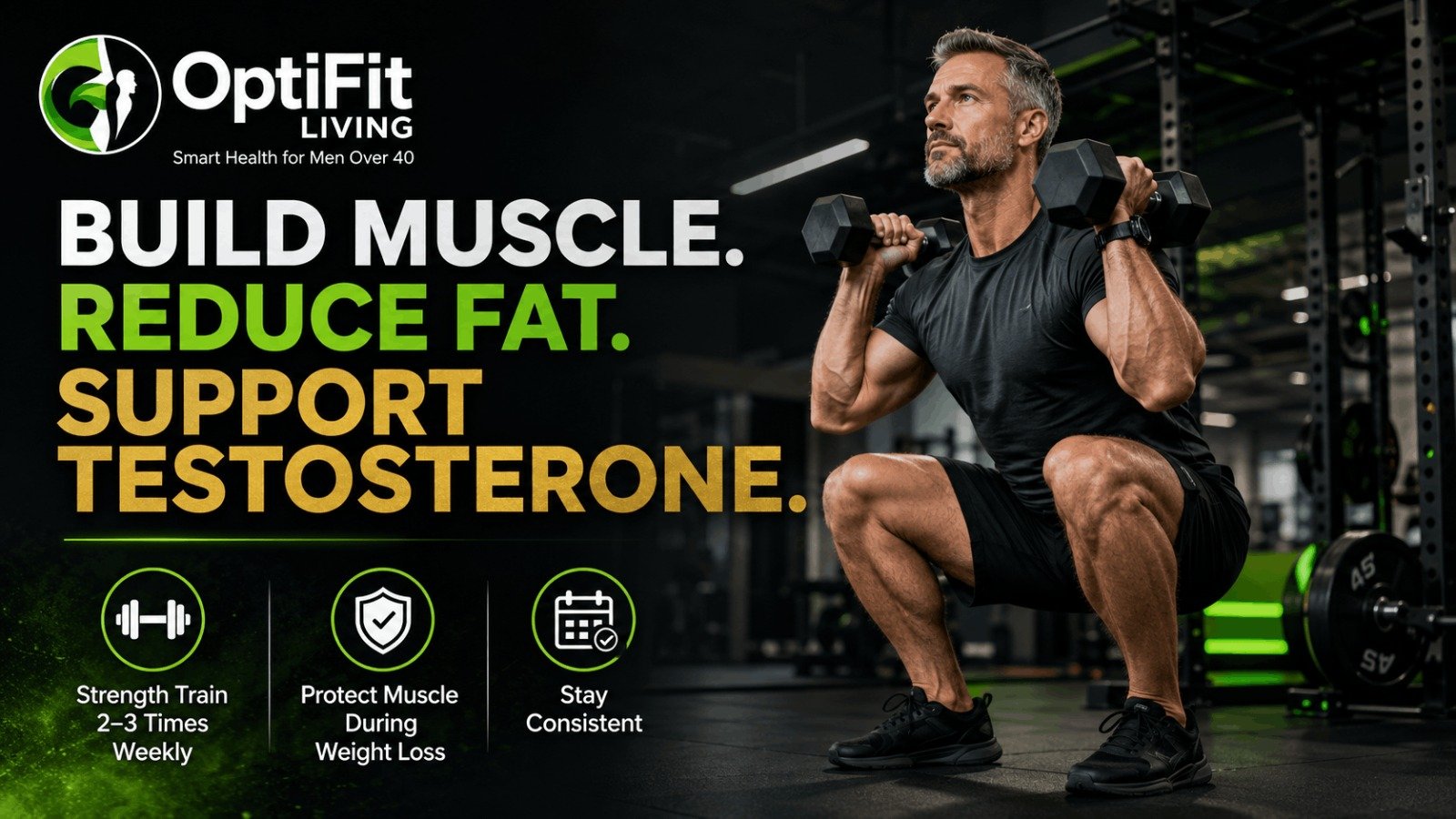
Strength training is one of the best testosterone boosters for men over 40 because lifting weights signals the body to build muscle and produce more hormones.
- Exercises to focus on: Squats, push-ups, dumbbell rows, chest press, shoulder press, planks, and farmer’s carries.
3. Walk Daily

Walking supports fat loss, blood sugar control, and stress reduction without exhausting your body. Aim for 20–30 minutes daily, or take a 10-minute walk right after meals.
4. Eat More Protein
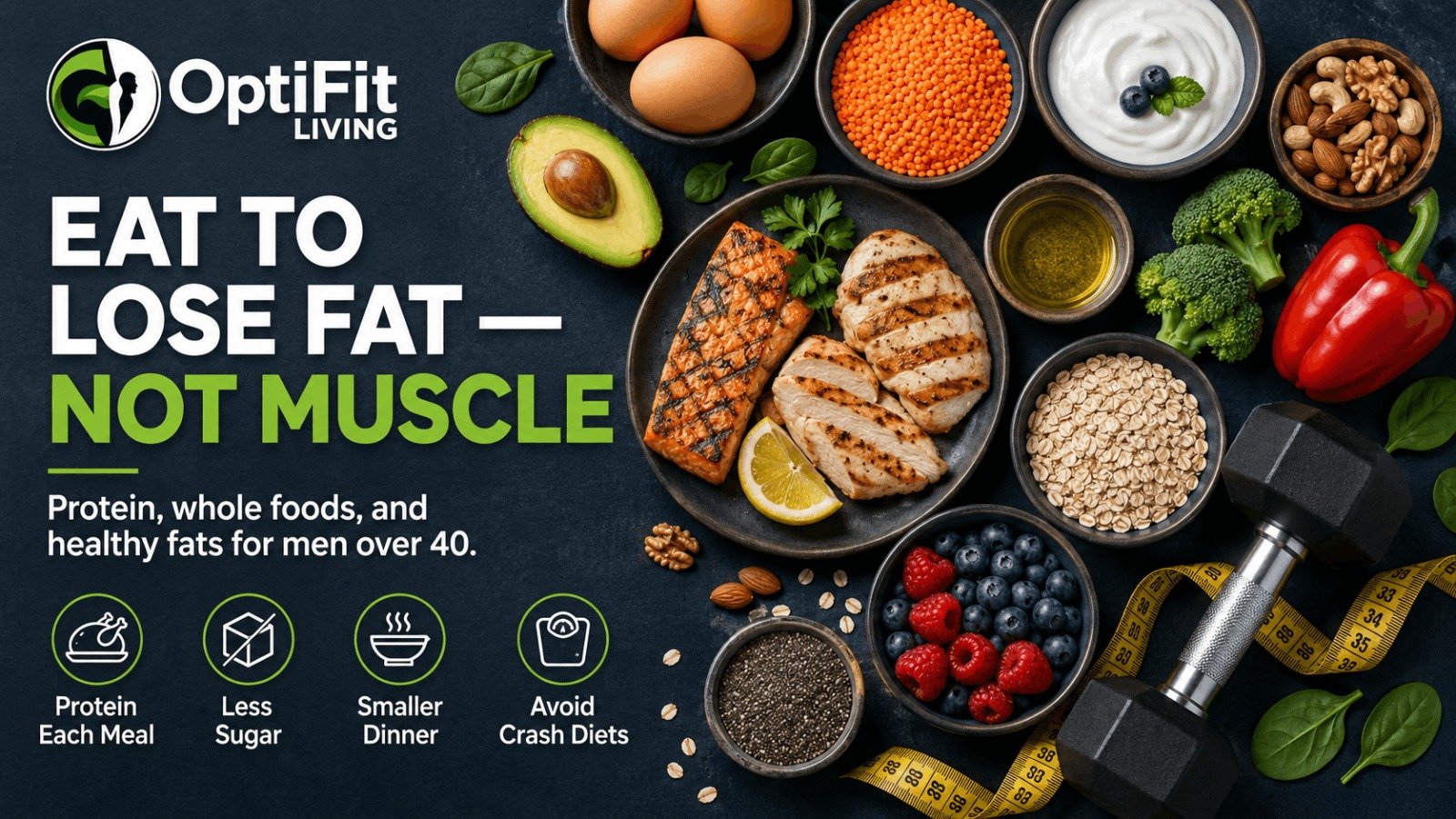
Protein protects your muscle mass while you lose fat. Good options include eggs, chicken, fish, lean meat, Greek yogurt, cottage cheese, lentils, and whey protein.
5. Keep Healthy Fats in Your Diet
Low-fat diets destroy testosterone because the body needs dietary fat to produce cholesterol, the building block of testosterone. Include whole eggs, olive oil, nuts, seeds, avocados, and fatty fish in your meals.
6. Avoid Crash Diets
Severe calorie restriction causes weakness, muscle loss, and poor mood, all of which crash your hormone levels. Stick to a moderate calorie deficit filled with whole foods.
7. Improve Sleep Hygiene
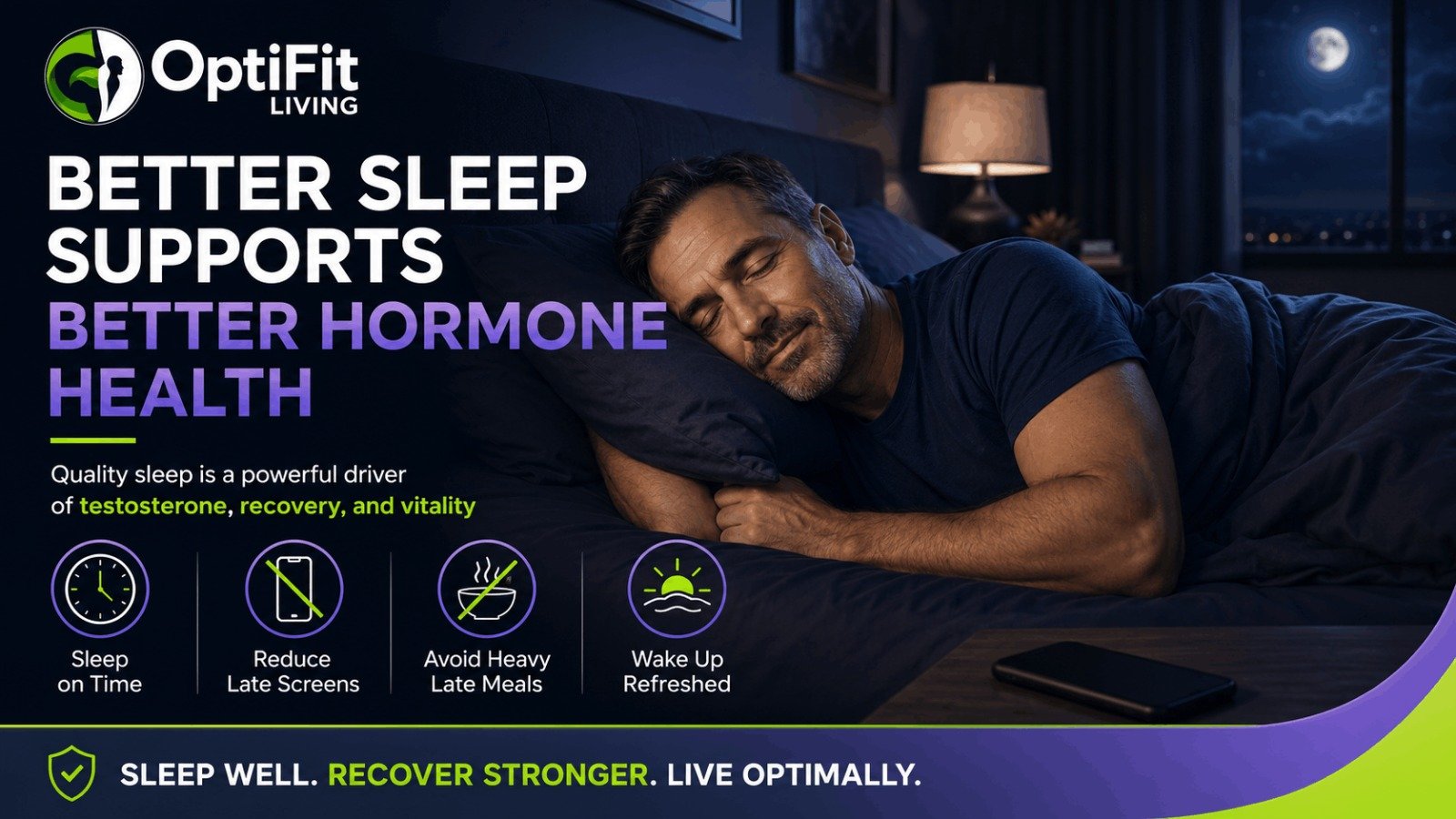
Sleep is the ultimate biological testosterone booster. Aim for 7–8 hours of quality sleep by keeping your room cool and dark, avoiding screens before bed, and waking up at consistent times.
8. Manage Stress
High stress releases cortisol, a hormone that actively blocks testosterone and drives up emotional eating. Practice daily walking, deep breathing, or quiet time to manage stress.
9. Reduce Sugary Drinks and Late-Night Snacks
Soft drinks, sugary coffees, and heavy late-night dinners are major contributors to belly fat. Swapping these out for water, herbal teas, or high-protein snacks makes a massive difference.
4-Week Action Plan for Men Over 40
| Week | Primary Goal | Action Steps |
| Week 1 | Measure & Move | Measure your waist. Walk 20 minutes daily. Drink more water and cut out sugary drinks. Go to sleep 30 minutes earlier. |
| Week 2 | Add Strength | Keep walking. Add a full-body strength routine 2 times this week (squats, push-ups, rows). Eat protein with breakfast. |
| Week 3 | Fix Food Quality | Include protein and vegetables with every meal. Reduce fried foods. Avoid weekend overeating. |
| Week 4 | Build the Routine | Strength train 3 times weekly. Walk most days. Re-measure your waist and note improvements in energy and sleep. |
Foods That Support Weight Loss and Testosterone Health
Eating nutrient-dense foods every day can help you achieve the benefits associated with the best testosterone booster for men without relying solely on supplements.
No single food boosts hormones instantly, but a nutrient-dense diet creates the perfect building blocks:
- Hormone Builders: Whole eggs, fatty fish (salmon, mackerel), lean meats, and pumpkin seeds.
- Metabolic Supporters: Oats, lentils, beans, Greek yogurt, broccoli, and spinach.
- Foods to Limit: Sugary drinks, highly processed snacks, fried foods, and late-night heavy meals.
FAQ: Best Testosterone Booster for Men
Understanding how the best testosterone booster for men works naturally allows you to make informed decisions instead of relying on marketing claims.
1. What is the absolute best testosterone booster for men naturally?
For men carrying excess weight, losing belly fat through a combination of strength training, a high-protein diet, and 7–8 hours of sleep is the most effective natural testosterone booster.
2. Do over-the-counter testosterone booster pills work?
Most commercial testosterone pills rely on aggressive marketing and lack strong scientific backing. They cannot fix the hormonal damage caused by poor sleep, high stress, or excess belly fat.
3. How much weight do I need to lose to see my testosterone improve?
Many men experience a noticeable boost in energy, libido, and mood after losing just 5% to 10% of their total body weight, particularly when that weight comes off the waistline.
4. Can crash dieting act as a testosterone booster?
No. Extreme calorie deprivation causes nutritional deficiencies and high stress, which actually lowers testosterone levels and causes muscle loss.
5. Should I see a doctor for low testosterone symptoms?
Yes. If you experience persistent low libido, severe fatigue, erectile difficulties, or mood disorders, you should get a morning blood test from a healthcare professional to rule out medical hypogonadism.
Final Thoughts
After 40, men do not just want to look better; they want their energy, strength, confidence, and control back. That is why finding the best testosterone booster for men is such a popular search.
In reality, the best testosterone booster for men combines healthy eating, regular exercise, quality sleep, and effective stress management.
But testosterone is not just a number in a pill bottle; it is a reflection of a larger bodily system. If you take care of the system by reducing belly fat, lifting weights, eating real food, and protecting your sleep, your body will naturally respond by maximizing its own testosterone production.
If you stay consistent with these lifestyle habits, you can experience the long-term benefits of the best testosterone booster for men while improving your overall health.