

How to lower bottom blood pressure number
If you are asking how to lower bottom blood pressure number, start with what that number is. The bottom number is the diastolic reading, the pressure in your arteries between heartbeats, when the heart rests. A reading of 120/80 mmHg means the top number, systolic, is 120 and the bottom number, diastolic, is 80. Many men watch the top number and ignore the bottom one, but a bottom number that stays high matters too, and it usually moves with the same food, activity, weight and sleep changes.
This article is general education, not medical advice. It does not replace advice from your doctor. If your reading is very high or you have symptoms, read the urgent care section first.
The short version
| Question | Short answer |
|---|---|
| What is the bottom number? | Diastolic pressure, the pressure between heartbeats, when the heart rests |
| What counts as high? | High blood pressure is usually defined from 130/80 mmHg, so a bottom number of 80 or above, on repeat readings, is the line to watch |
| How fast can it fall? | A tense reading can fall a few points within minutes by resting and measuring correctly; a lasting fall takes weeks of steady habits |
| What moves it most? | Less salt, a DASH style food pattern, daily walking, weight loss where it applies, less alcohol and better sleep |
| When is it urgent? | A reading of 180/120 mmHg or higher with symptoms needs emergency care now |
What the bottom number means
Blood pressure is two numbers because the heart works in two phases. The top number, systolic, is the pressure when the heart squeezes and pushes blood out. The bottom number, diastolic, is the pressure when the heart relaxes and fills again. Both are read from the same cuff at the same time.
The American Heart Association notes that a normal reading is below 120/80 mmHg, and high blood pressure is usually defined from 130/80 mmHg. A man can have a normal top number and a high bottom number, or both high at once. Doctors look at both numbers, and at the pattern over weeks, not at one reading on one day.
A bottom number that stays high is often called isolated diastolic hypertension when the top number is still below 130. It is more common in younger and middle aged men, and it is often linked to too much salt, extra weight, too little activity, too much alcohol, poor sleep and smoking. It usually causes no symptoms, which is why repeat home readings matter.
Why your bottom number stays high
There is rarely one cause, and this article cannot tell you yours. The factors doctors most often link to a high diastolic reading are also the ones you can change: too much salt, extra weight, too little activity, too much alcohol, poor sleep and smoking.
Salt holds water in the body, and that extra fluid raises pressure in the arteries. The American Heart Association advises keeping sodium to no more than 2,300 mg a day, moving toward 1,500 mg a day. Most salt comes from processed food, bread, cheese, sauces and restaurant meals.
Weight and activity. Extra weight raises both numbers, and the bottom number often falls as weight falls. Sitting most of the day keeps pressure higher than it needs to be, while regular activity lowers systolic pressure by about 5 to 8 mmHg on average, with a smaller, slower diastolic fall.
Alcohol, sleep and smoking. Alcohol raises blood pressure the same day and over time, and the CDC advises men to keep it to two drinks or fewer a day. Short sleep pushes readings up the next day, and sleep apnea is a common and often missed cause of a high bottom number. Loud snoring, waking up gasping and daytime sleepiness are signs worth telling your doctor about. Smoking damages blood vessels, and age, diabetes, kidney disease and some medicines can also raise blood pressure.
Measure the bottom number correctly
Before you try to lower the bottom number, make sure you are measuring it right. A rushed reading can be several points higher than a rested one, and the fix is free.
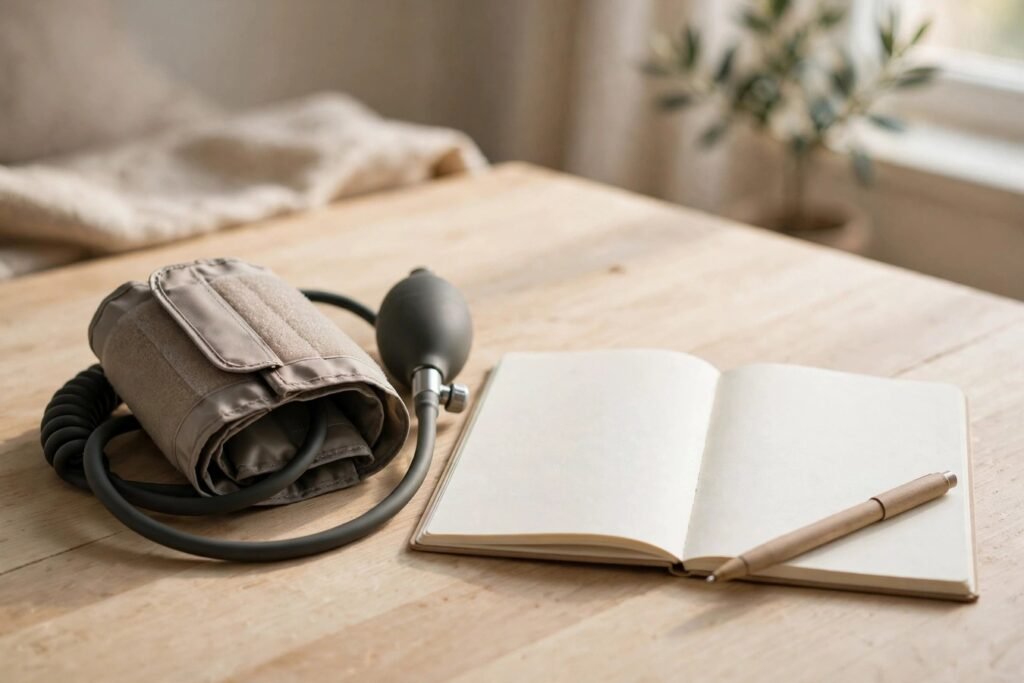
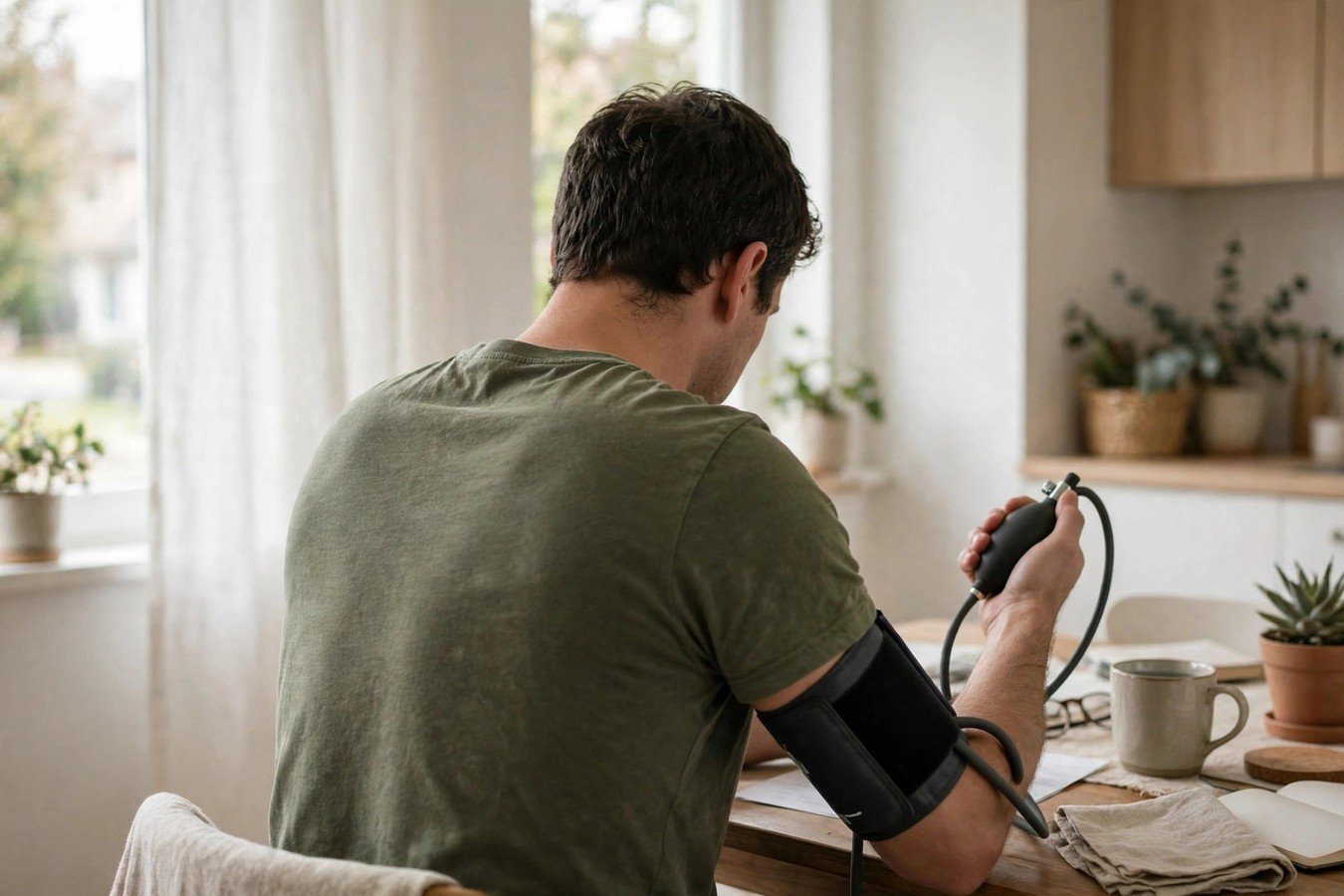
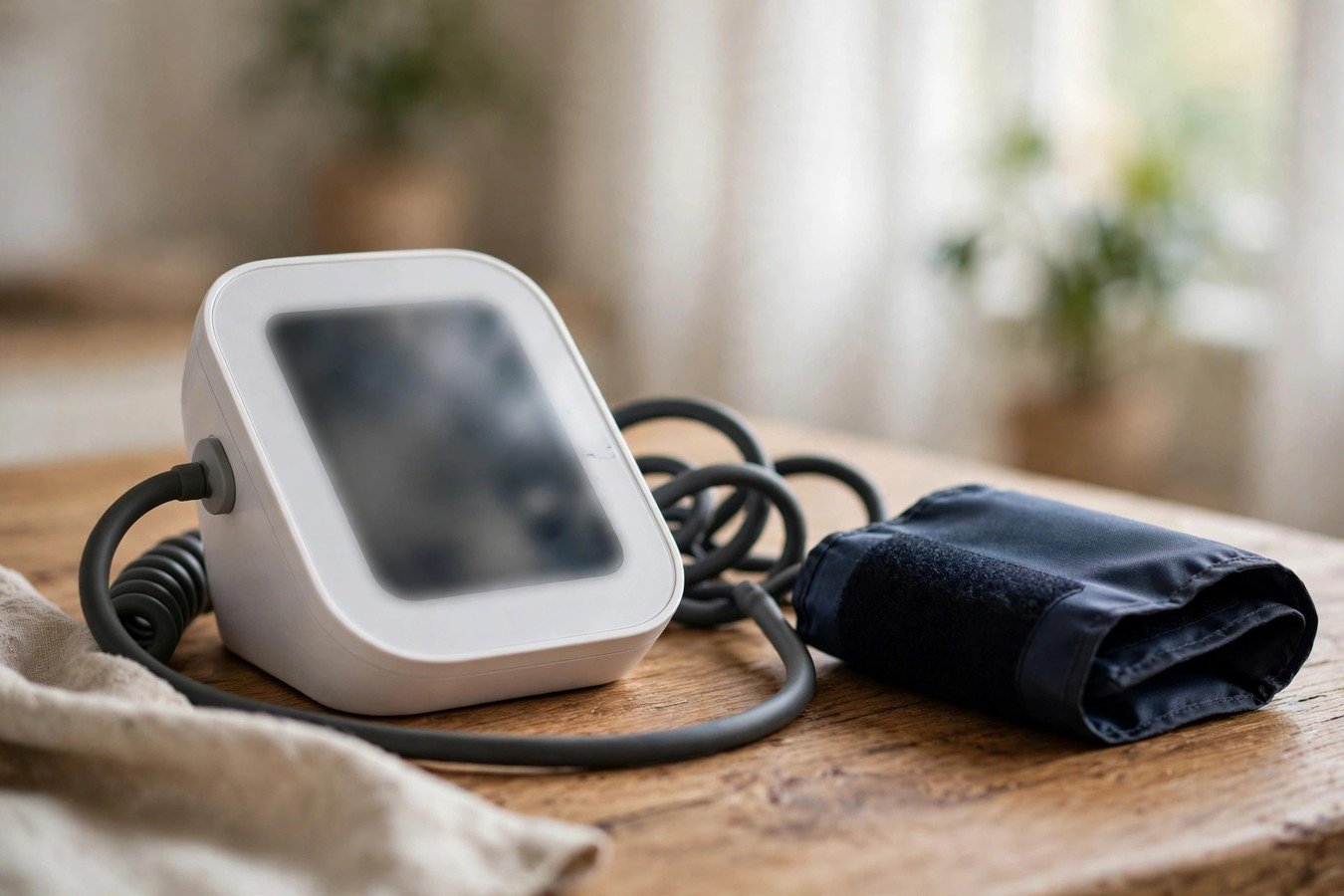
Sit with your back supported and both feet flat on the floor, arm on a table so the cuff sits at heart level. Do not talk, do not cross your legs, and empty your bladder first. Sit quietly for 5 minutes, then take a second reading a minute or two later and note both numbers with the date. Caffeine, a full bladder, a cuff over a sleeve, an arm hanging down, talking, and feet dangling all push a reading up. Use the same arm, cuff size and times of day, morning and evening, for at least a week, and compare weekly averages, not single readings. A cuff that is too small reads high, and a wrist monitor is less reliable than an upper arm cuff.
How to lower bottom blood pressure number with food
Food is the change with the fastest evidence, and it is where most men should start when they ask how to lower bottom blood pressure number.
Eat the DASH way. DASH means plenty of vegetables, fruit, whole grains, beans, nuts, fish and low fat dairy, with little red meat, sweets and sugary drinks. The National Heart, Lung, and Blood Institute points to DASH as one of the main lifestyle treatments for high blood pressure, and found it can lower systolic pressure by several points within about two weeks. The diastolic fall follows the same pattern, more slowly.

Cut salt steadily. Cut it in steps, so the food still tastes like food. Read labels and cut the saltiest item in your usual week first, cook with herbs, garlic, lemon and pepper instead of extra salt, and ask for less salt when you eat out. Vegetables, fruit, beans, lentils, nuts and low fat dairy are rich in potassium, which helps the body balance sodium. Do not take potassium supplements or salt substitutes without asking your doctor first. One DASH dinner does not move a bottom number that has been high for months. Two to four weeks of steady eating is the window where repeat readings start to sit lower.
How to lower the bottom number of blood pressure with activity
Activity lowers the bottom number more slowly than it lowers a tense single reading, and that is normal. A single brisk walk can lower blood pressure for hours afterwards, but the lasting fall builds over a month or two of regular movement.

Walk at a pace where you can talk but not sing. Thirty minutes of brisk walking on five days a week reaches the 150 minutes a week target, and it counts even split into three 10 minute walks a day. Add strength work on two days a week. If you have chest pain, breathlessness, or you have been inactive for a long time, talk to your doctor before vigorous activity.
Weight, alcohol, sleep and smoking
These four work together, and they are often the difference between a bottom number that falls and one that stays stuck.
Weight. If you carry extra weight, losing it slowly is one of the strongest levers on the bottom number. Weigh yourself once a week at the same time of day and note the trend. Crash diets do not hold the result.
Alcohol. Cutting back is one of the fastest lasting steps, because alcohol raises blood pressure in proportion to how much you drink. Keep some alcohol free days each week, and if your reading is high today, have no alcohol at all today.
Sleep. Sleep 7 to 8 hours where you can, with a regular bedtime and a wind down hour without screens. If you snore loudly, wake up gasping, or feel sleepy in the day despite a full night, tell your doctor. Treating sleep apnea can lower blood pressure, including the bottom number, in a way food and walking alone cannot.

Smoking. Quitting does not lower the bottom number overnight, but it protects the blood vessels that high blood pressure is already straining. If you smoke, set a quit date and ask your doctor about support.
What does not work, and what to avoid
Do not take an extra dose of blood pressure medicine to bring a reading down, and do not start, stop or change the dose of any medicine on the basis of an article. That decision belongs to your prescriber. Do not rely on a supplement, a detox tea, a garlic pill, a beetroot shot or a breathing gadget as a treatment. None of them replaces the food, activity and weight changes above, or medicine when it is needed. Cold showers, holding your breath and other internet tricks do not lower blood pressure in a reliable way. Do not skip the doctor because a home reading looked better after resting.
When to get urgent care
Seek emergency care now if your reading is 180/120 mmHg or higher and you have chest pain, shortness of breath, back pain, numbness or weakness, change in vision, difficulty speaking, or severe headache. The American Heart Association describes this as a hypertensive crisis, and it needs emergency care, not a breathing exercise. If your reading is 180/120 mmHg or higher and you have no symptoms, wait 5 minutes, rest quietly, and measure again. If the second reading is still that high, contact your doctor the same day. Do not take an extra dose of medicine unless your doctor has already told you to do that in this situation.
When to see a doctor first
See your doctor before starting a blood pressure plan if you have heart disease, diabetes or kidney disease; have had a heart attack or stroke; take medicine for blood pressure, cholesterol or diabetes; or have a family history of early heart disease. Your doctor can set a personal target and a retest date that fits you. See your doctor sooner if your bottom number stays at or above 90 on repeat readings, if it keeps rising while you are making the changes in this article, or if you have loud snoring, waking up gasping, or daytime sleepiness that could point to sleep apnea.
An 8 week starter plan
Weeks 1 to 2: Measure and eat. Measure at rest, twice a day, and write down both numbers with the date. Start DASH meals, cut the saltiest item in your usual week, and walk 30 minutes on five days.
Weeks 3 to 4: Add activity and sleep. Compare the average of weeks three and four with week one. Add two short strength sessions, keep alcohol small or none on most days, and set a regular bedtime.
Weeks 5 to 6: Check weight and drink. Weigh yourself once a week and note the trend. If you smoke, set a quit date and ask your doctor about support.
Weeks 7 to 8: Lock the routine and book the retest. Bring your home readings to a doctor visit 4 to 12 weeks after you started. Your doctor can set a personal target and decide whether lifestyle alone is enough or whether medicine should start or change.
Questions people ask
How to lower bottom blood pressure number fast?
You cannot lower it to normal in minutes and keep it there. Resting for 5 minutes and measuring correctly can bring a tense reading down a few points, and a brisk walk can help for hours. A lasting fall takes 2 to 4 weeks for the first change and 4 to 12 weeks for the fuller effect.
What is a good bottom blood pressure number?
A normal reading is below 120/80 mmHg, so a bottom number below 80 is the usual normal range, and high blood pressure is usually defined from 130/80 mmHg. Your personal target depends on your age and overall risk, so ask your doctor what number to aim for.
Why is only my bottom number high?
A high bottom number with a normal top number is often called isolated diastolic hypertension. It is more common in younger and middle aged men, and it is often linked to too much salt, extra weight, too little activity, too much alcohol and poor sleep.
Can salt alone raise the bottom number?
Salt raises both numbers, more so in men who are salt sensitive, older, or already have high blood pressure. Cutting salt steadily, toward 1,500 to 2,300 mg of sodium a day, is one of the strongest food steps for the bottom number, and it works best with the rest of the DASH pattern.
Built from the American Heart Association, the National Heart, Lung, and Blood Institute, and the CDC. We did not test these methods or run trials for this guide. Last checked: 25 November 2026.
Related guides
- How to Lower Blood Pressure Quickly: Safe, Evidence-Based Ways
- How Long Does It Take to Lower Blood Pressure?
- How Long Does It Take to Lower Cholesterol?
- How to Lower Your Cholesterol Naturally in 7 Steps
- How to Lower LDL Cholesterol: What Actually Works
This article is general education, not medical advice. It does not diagnose or treat any condition. Talk to your doctor before you change your diet, your activity level or any medicine, and seek urgent care for the symptoms listed above.