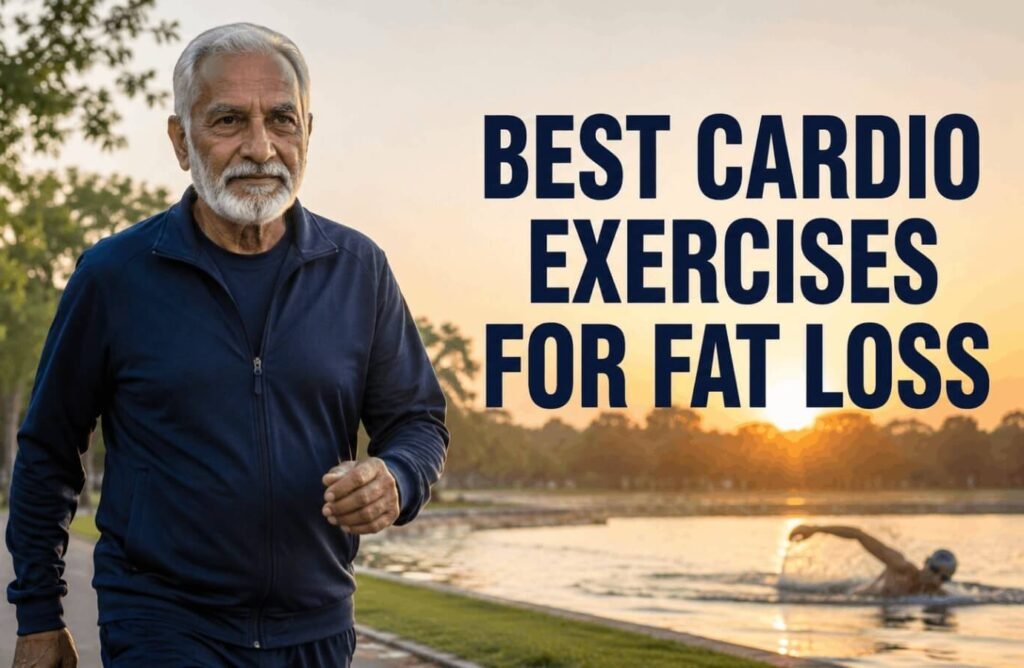
Understanding the best cardio exercises for fat loss became a crucial life lesson for me once I crossed the milestone of age 40. In my 20s and early 30s, losing a few extra pounds was relatively simple. A few quick workout sessions, cutting back on meals for a couple of days, or spending an extra twenty minutes on a treadmill usually did the trick.
However, as the years passed, I realized that fat loss after 40 operates under a completely different set of rules. The methods that worked effortlessly in younger years suddenly began causing extreme fatigue, persistent joint soreness, and frustrating weight loss plateaus.
Like many fitness enthusiasts and everyday people, I spent years holding onto severe fitness misconceptions:
-
I believed intense, high-impact workouts were mandatory to burn body fat.
-
I assumed that longer, more punishing exercise sessions always produced better results.
-
I thought fat loss required pushing my physical limits to absolute exhaustion every single day.
It took time, trial, error, and physical strain to realize a fundamental truth: sustainable cardio works far better than exhausting cardio.
The most dramatic, long-lasting improvements in my physical health and body composition did not come from extreme routines. Instead, they were the direct result of consistency, joint-friendly movement, realistic daily routines, and respecting my body’s recovery needs.
This comprehensive guide breaks down the most effective, practical, and sustainable cardio exercises for fat loss after 40, helping you build stamina, boost energy, protect your joints, and improve your overall quality of life without burning out.
Why Fat Loss Changes Significantly After 40
To select the best cardio exercises for fat loss, it is essential to first understand why our bodies respond differently to exercise as we age. Biological shifts alter how we burn calories, recover from physical stress, and maintain lean muscle mass.
1. Metabolic Slowdown and Muscle Changes
As age progresses, natural metabolic rates slow down. This change is often accompanied by a gradual loss of lean muscle mass (sarcopenia) if strength and cardiovascular maintenance are neglected. A slower metabolism means the body burns fewer calories at rest, making traditional high-intensity calorie-burning methods less effective if they lead to overtraining.
2. Hormonal Shifts and Stress Response
Hormonal balances shift after 40. Cortisol—the body’s primary stress hormone—tends to spike when subjected to excessive physical stress, such as chronic high-intensity interval training (HIIT) or extreme calorie restriction. Elevated cortisol levels can actually encourage the body to store stubborn visceral fat, particularly around the midsection, while increasing overall inflammation.
3. Joint Sensitivity and Slower Recovery Time
Collagen production decreases with age, reducing the cushioning in our joints. High-impact exercises like aggressive road running or heavy jumping place immense stress on knees, hips, and ankles. Furthermore, muscle recovery takes significantly longer than it did a decade prior. Sustainable cardio prioritizes joint longevity while maximizing caloric output.
The Best Sustainable Cardio Exercises for Fat Loss
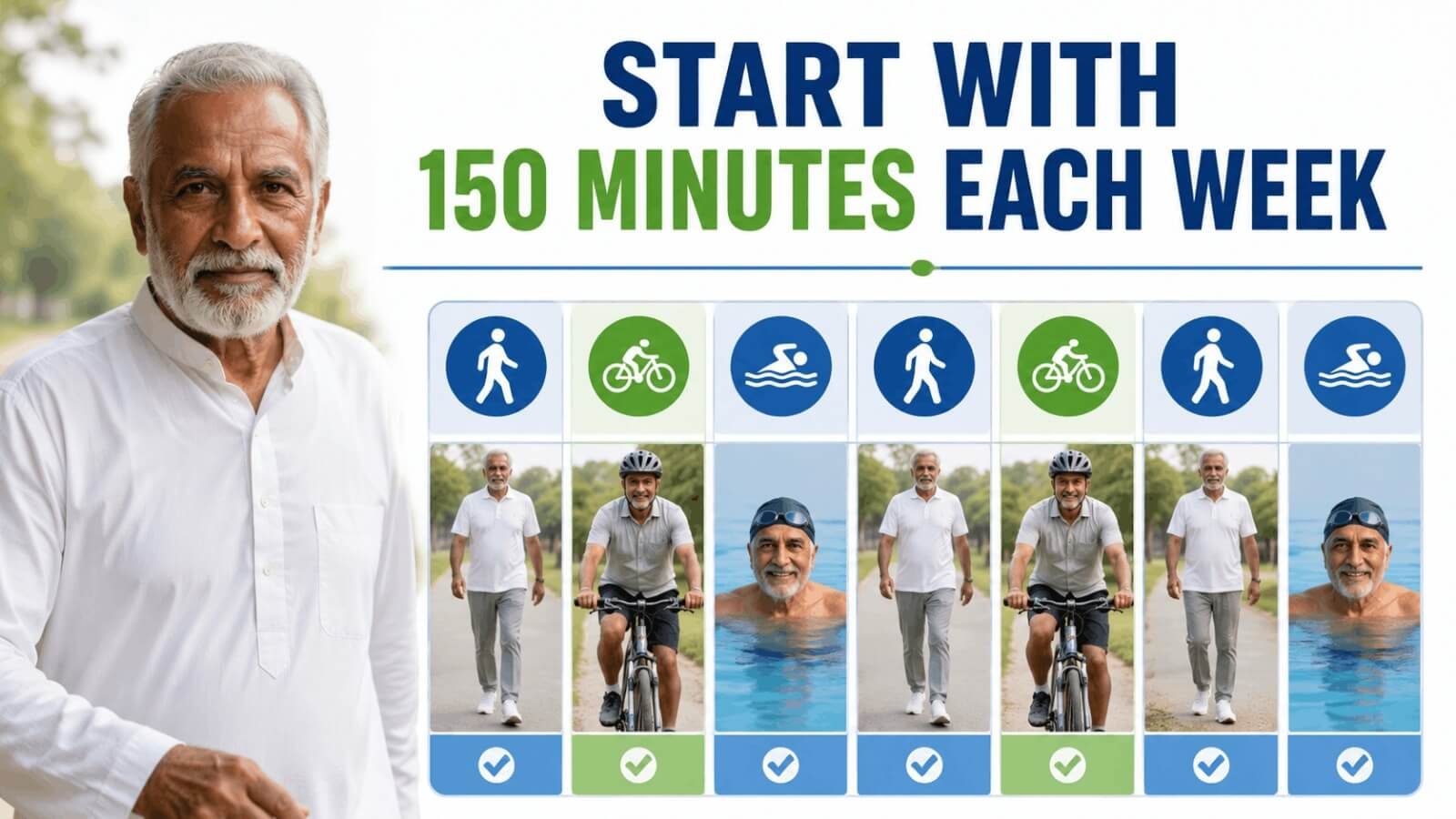
Finding exercise routines that burn fat without causing pain or injury is the cornerstone of lifelong fitness. Here is an in-depth breakdown of the most effective low-to-moderate-impact cardio exercises.
+-------------------+--------------------+------------------------+------------------+
| Cardio Exercise   | Impact on Joints   | Primary Benefit        | Best Frequency   |
+-------------------+--------------------+------------------------+------------------+
| Brisk Walking     | Extremely Low      | Daily Fat Burn & Stress| 5 - 7 Days/Week  |
| Cycling           | Very Low           | Knee-Friendly Stamina  | 3 - 4 Days/Week  |
| Swimming          | Zero Impact        | Full-Body Conditioning | 2 - 3 Days/Week  |
| Stair Climbing    | Low to Moderate    | Rapid Heart Rate Boost | 2 - 3 Days/Week  |
| Moderate Jogging  | Moderate           | High Caloric Expenditure| 2 - 3 Days/Week  |
+-------------------+--------------------+------------------------+------------------+
1. Brisk Walking: The Underrated Powerhouse
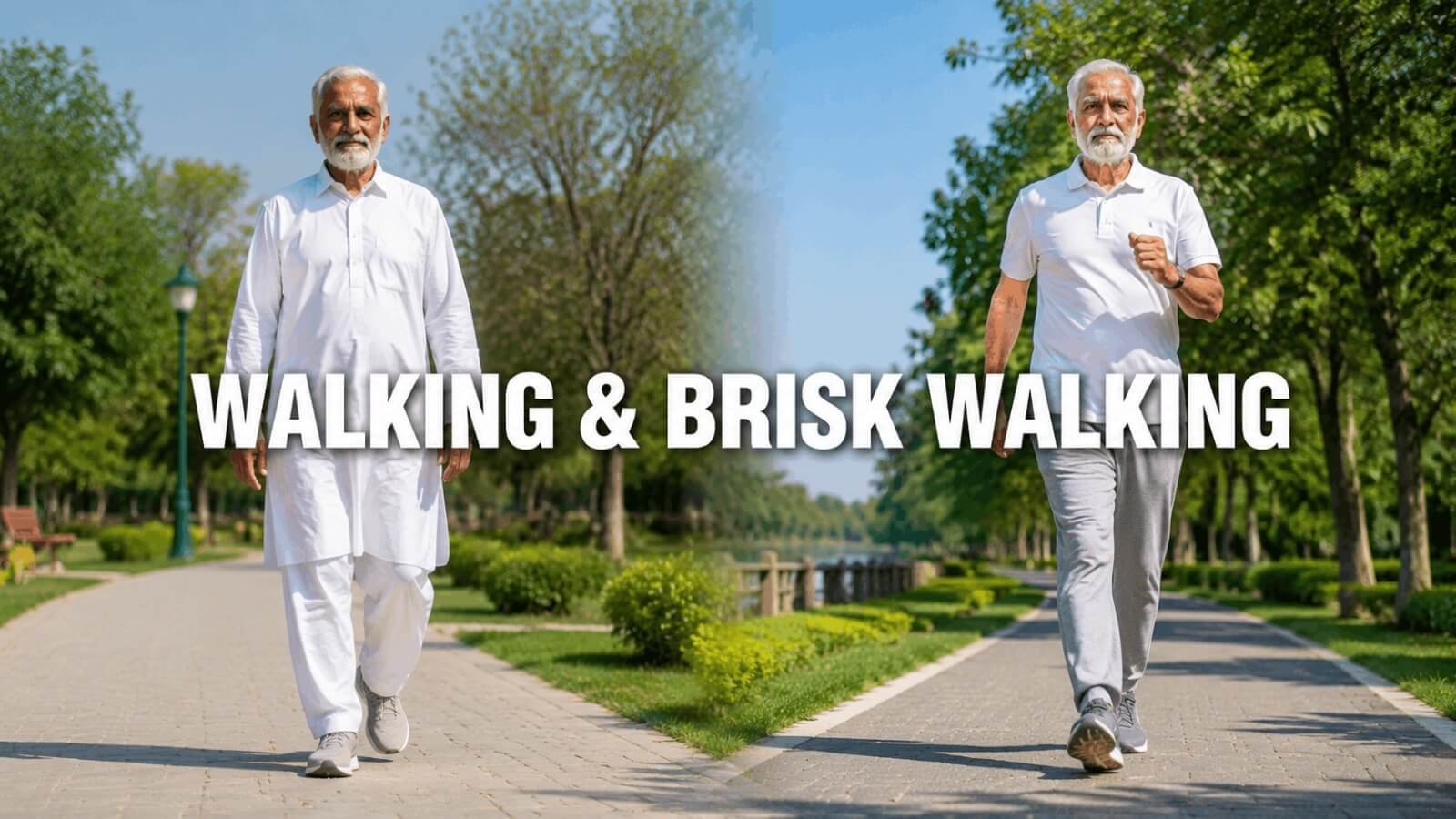
For a long time, I personally underestimated walking because it seemed “too easy” to yield real physical transformation. However, consistent daily walking turned out to be the single most powerful fat-loss tool in my routine.
Why Walking Works Exceptionally Well:
-
Zone 2 Fat Burning: Walking keeps your heart rate in a steady low-intensity zone (Zone 2), where the body primarily utilizes stored fat as its main fuel source rather than quick carbohydrates.
-
Zero Joint Strain: It places minimal mechanical strain on ankles, knees, and lower back, making it accessible every single day.
-
Seamless Integration: Walking can be split throughout the day—a 15-minute walk after breakfast, a brisk mid-day stroll, and a 20-minute evening walk.
How to Optimize Walking for Maximum Results:
To transform a casual stroll into an effective fat-burning session, maintain a brisk pace where speaking full sentences requires slight effort. Incorporating slight inclines, walking outdoors on natural paths, or adding a light backpack can elevate the challenge naturally.
2. Cycling: Low-Impact Endurance & Lower-Body Power
Cycling—whether on a stationary indoor exercise bike or outdoors—is one of the most effective cardio options for individuals seeking to protect their knees while shedding excess body weight.
Benefits of Cycling for Adults Over 40:
-
Smooth Mechanical Motion: The circular pedaling motion eliminates foot-striking impacts, preventing heel strike pain, shin splints, and joint inflammation.
-
Leg Strength Development: Cycling actively engages the quadriceps, hamstrings, and glutes. Building muscle in the lower body directly increases your resting metabolic rate.
-
Variable Intensity: You can easily adjust resistance levels to match your daily energy and recovery capacity.
3. Swimming: Total-Body Conditioning with Zero Joint Stress
If joint stiffness or chronic pain limits your ability to walk or cycle long distances, swimming stands out as an unbeatable full-body cardiovascular exercise.
Key Advantages of Aquatic Cardio:
-
Buoyancy and Support: Water supports up to 90% of your body weight, removing almost all compression forces from your spine, hips, and knees.
-
Engages Upper and Lower Body: Unlike traditional running, swimming requires active involvement from your chest, back, shoulders, arms, and core muscles alongside your legs.
-
Cardiovascular & Respiratory Expansion: Controlled breathing patterns underwater expand lung capacity and significantly improve overall heart health.
4. Stair Climbing: High-Efficiency Calorie Burning
When time is limited and you need a quick, highly effective cardiovascular session, stair climbing is a practical, equipment-free solution.
Why Stair Climbing Accelerates Fat Loss:
-
Rapid Heart Rate Elevation: Moving your body weight upward against gravity requires significant energy, bringing your heart rate into an optimal cardiovascular training zone within minutes.
-
Glute and Core Activation: Climbing stairs forces your lower body to push through full ranges of motion, strengthening your glutes, calves, and core stabilization muscles.
-
Time Efficiency: A focused 15-to-20-minute stair climbing session can burn as many calories as 40 minutes of flat-surface walking.
5. Jump Rope: High-Intensity Cardio (With Caution)
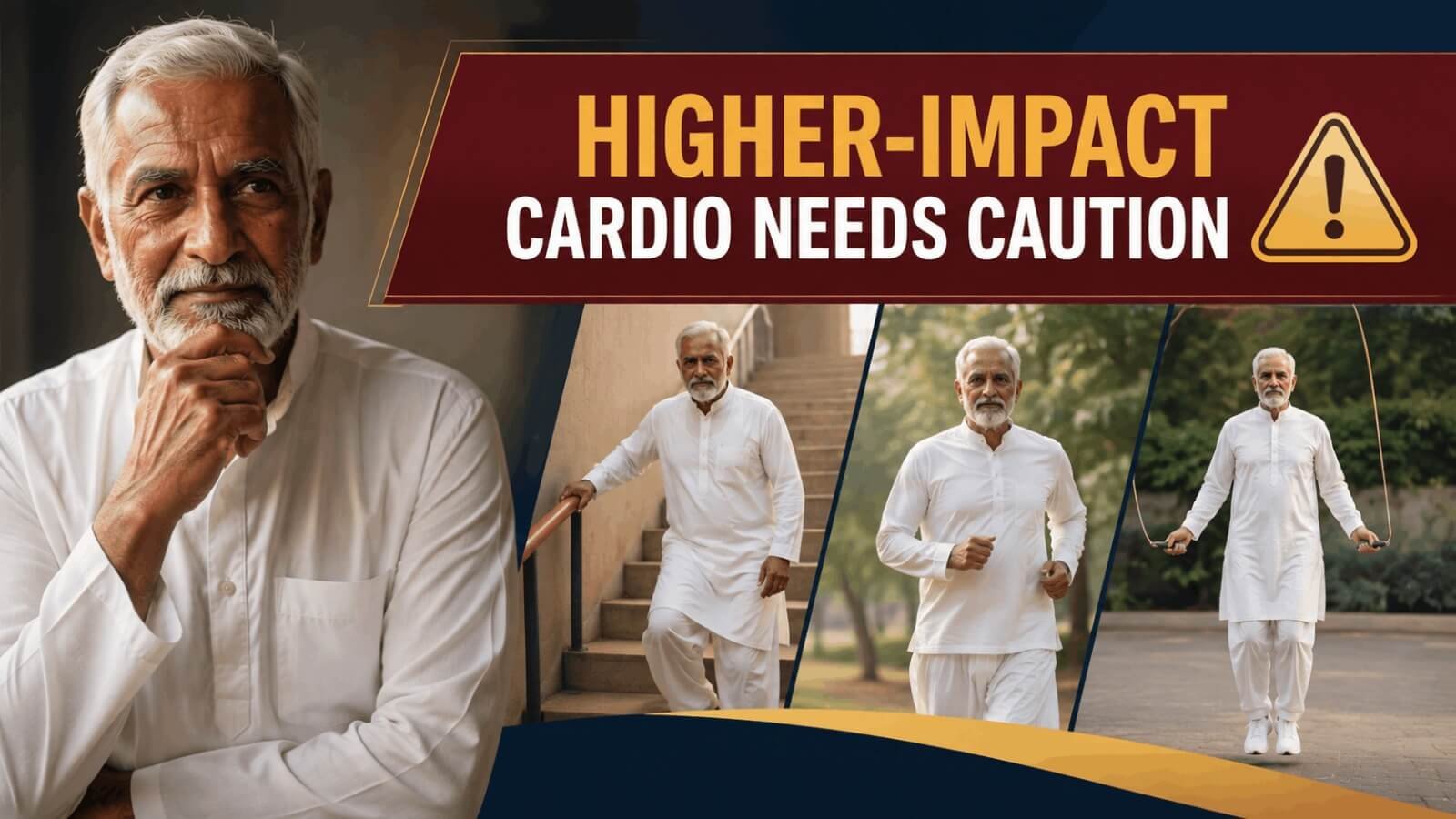
For those who have maintained good joint health, foot mobility, and strong bone density, jumping rope offers a fast-paced, high-calorie workout.
How to Safely Include Jump Rope After 40:
-
Keep Sessions Short: Limit jump rope workouts to 5–10 minutes as a warm-up or finisher rather than doing 30 continuous minutes.
-
Use Proper Footwear: Always jump on forgiving surfaces (like rubber mats or wooden floors) with well-cushioned athletic shoes to absorb vertical forces.
Beyond Calorie Burn: Surprising Health Benefits of Cardio
Focusing exclusively on weight loss often leads to frustration. Reminding yourself of the holistic health benefits of regular cardiovascular movement keeps motivation strong over time.
1. Mental Clarity and Reduced Stress
Physical movement acts as a natural pressure-release valve for mental tension. Engaging in regular cardio releases endorphins, dopamine, and serotonin—neurotransmitters responsible for elevating mood, reducing anxiety, and cutting through brain fog. Outdoor walking or cycling in natural sunlight provides additional psychological grounding.
2. Metabolic Regulation and Blood Sugar Control
Cardiovascular exercise increases insulin sensitivity. When your muscles contract during exercise, they absorb glucose directly from the bloodstream to use for energy, keeping blood sugar levels balanced and preventing energy crashes after meals.
3. Enhanced Sleep Architecture
Consistently engaging in moderate cardio helps regulate your circadian rhythm. Deep, uninterrupted sleep is essential after age 40 because growth hormone release, muscle repair, and stress-hormone reduction occur almost exclusively during deep sleep cycles.
Smart Lifestyle Strategies to Accelerate Fat Loss
Exercise is only one piece of the fat-loss puzzle. To achieve visible and permanent physical changes, your cardiovascular routine must be paired with supportive lifestyle habits.
1. Reduce Inactive Sitting Hours
A common trap is working out for 45 minutes in the morning but remaining completely sedentary for the remaining 15 hours of the day. Prolonged sitting slows down lipolysis (the process by which the body breaks down fats).
-
Action Tip: Stand up every 60 minutes, stretch, perform light chores, or take brief 2-minute walks throughout your workday.
2. Align Cardio with Balanced Nutrition
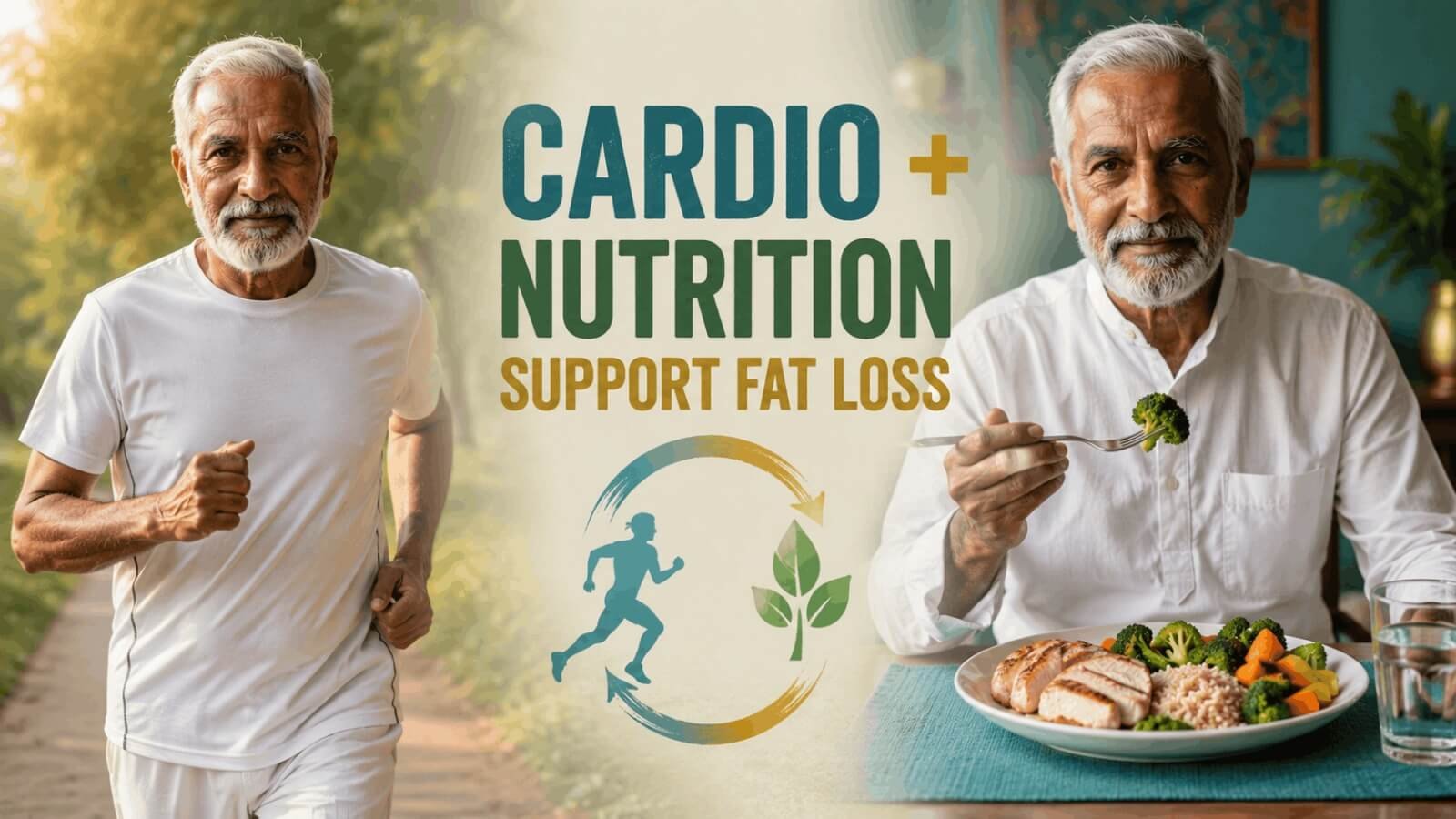
Cardio alone cannot compensate for poor dietary choices. As metabolic flexibility shifts after 40, prioritize:
-
Protein Intake: Consume adequate lean protein to protect existing muscle tissue during a calorie deficit.
-
Whole Foods & Fiber: Emphasize vegetables, whole grains, and healthy fats that stabilize hunger levels.
-
Hydration: Proper water intake keeps joints lubricated, optimizes energy levels, and prevents false hunger cues caused by dehydration.
3. Prioritize Active Recovery and Rest Days
Overtraining is the enemy of sustainable fat loss. After age 40, your body repairs itself during rest periods, not during the workout itself. Ensure you schedule at least 1 to 2 complete rest or active recovery days (light stretching, slow walks) every week to allow central nervous system recovery.
Frequently Asked Questions (FAQs)
What is the single best cardio exercise for fat loss after 40?
Brisk walking and cycling are generally considered the most effective options because they combine high daily caloric expenditure with extremely low joint impact, allowing for consistent daily practice without risk of overuse injuries.
Is walking really enough to lose stubborn belly fat?
Yes. When paired with a modest calorie deficit and healthy sleep routines, daily brisk walking burns stored fat reserves effectively while keeping stress hormones low, which is crucial for losing abdominal fat after 40.
How many days a week should adults over 40 do cardio?
Aiming for 30 to 45 minutes of moderate low-impact cardio 4 to 5 days a week, combined with light daily walking, provides the ideal balance between caloric expenditure and optimal physical recovery.
Should I choose High-Intensity Interval Training (HIIT) or steady-state cardio?
Low-to-moderate Low-Intensity Steady State (LISS) cardio is generally more sustainable after 40. While occasional light HIIT can be useful, excessive high-intensity training can strain joints and elevate stress hormones unnecessarily.
How do I prevent knee pain while doing cardio workouts?
To protect your knees, select zero-to-low-impact activities like swimming, cycling, or using an elliptical machine. Invest in supportive footwear, avoid hard concrete running, and strengthen your quadriceps and hamstrings through light resistance training.
Final Thoughts: Focus on Sustainability Over Intensity
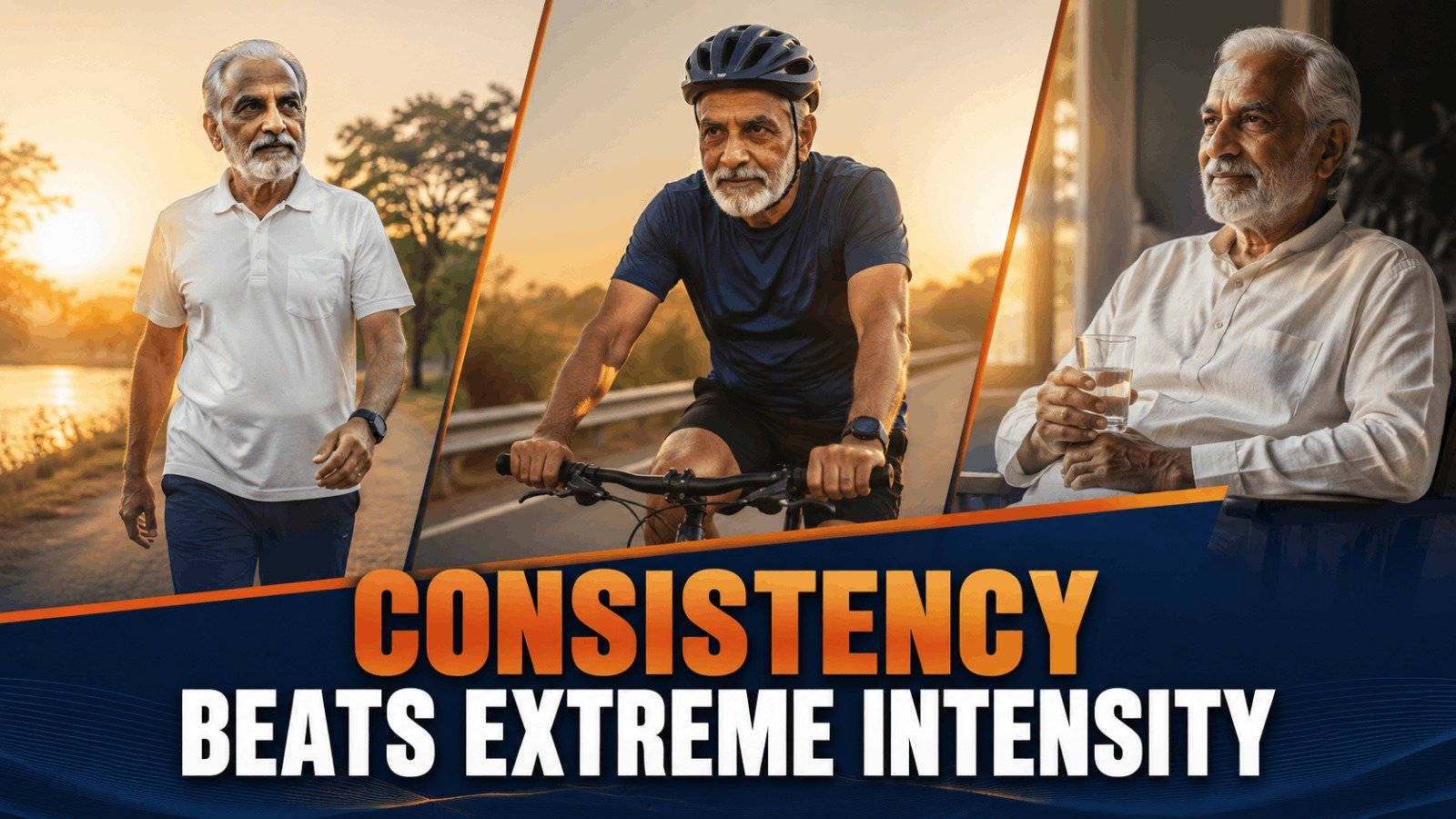
Finding the best cardio exercises for fat loss after age 40 is ultimately a journey of listening to your body, prioritizing longevity, and favoring consistency over brute force.
Fitness should enhance your daily life, boost your energy levels, and protect your long-term mobility—not leave you exhausted and injured. By selecting joint-friendly cardiovascular activities, maintaining a balanced diet, staying consistent, and respecting your recovery needs, you can achieve natural, sustainable fat loss and maintain vibrant health for decades to come.
Helpful Resources
- Physical Activity and Weight Management — CDC
- Physical Activity Recommendations for Adults — American Heart Association
- Weight Management Information — NIDDK
- Tips for Becoming More Active — NIDDK
- Exercise With Chronic Health Conditions — National Institute on Aging
- Healthy and Sustainable Weight Loss — CDC