Snack time is where many good health plans quietly break down. You may eat a sensible breakfast and lunch, but by late afternoon, tiredness begins to set in. Tea arrives, biscuits come out, someone offers sweets, or you grab whatever is easy because work is still pending and dinner is far away.
For men over 40, this small daily pattern can affect more than just temporary hunger. It directly impacts energy levels, belly fat accumulation, intense cravings, blood sugar readings, and overall discipline. Many men do not fail because their main meals are terrible; they struggle because their snacks are unplanned.
When looking for the best healthy snacks, diabetes management or blood sugar control doesn’t mean eating boring food or living with restrictive rules. It is about choosing satisfying options that provide steady energy, reduce sudden cravings, and help you avoid the destructive sugar spike-and-crash cycle.
In this comprehensive guide, you will learn what makes a snack ideal for blood sugar stability, which practical options work best for men over 40, what foods to avoid, and how to build a sustainable habit that fits into a busy lifestyle.
What Makes a Snack Good for Blood Sugar Management?
A blood sugar-friendly snack is one that does not raise glucose levels too quickly and helps keep you full until your next meal.
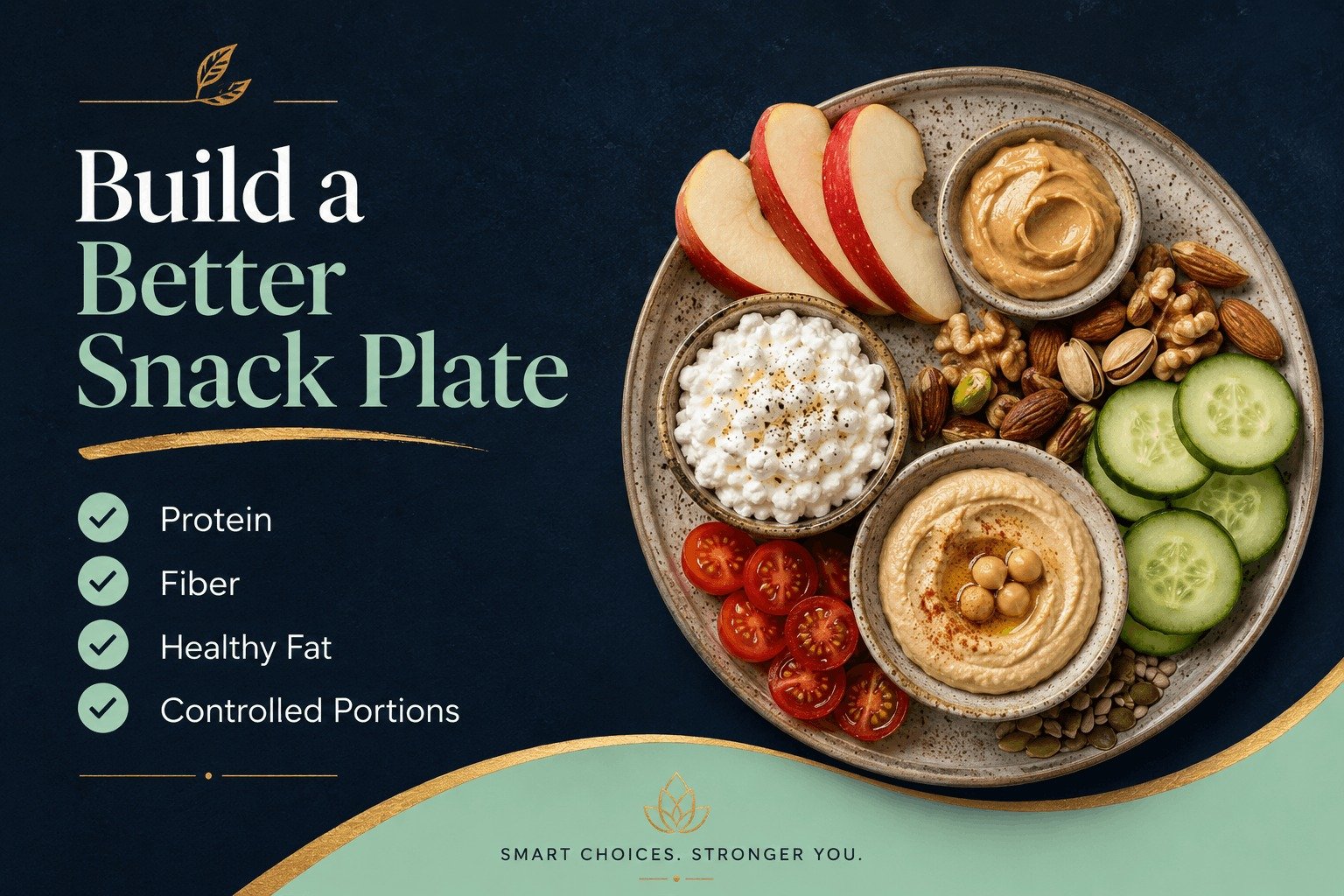
The most effective healthy snacks diabetes-conscious individuals can choose generally incorporate a combination of the following elements:
- High Protein: Takes longer to digest and promotes satiety.
- Dietary Fiber: Slows down the absorption of carbohydrates into the bloodstream.
- Healthy Fats: Provides sustained energy and keeps hunger at bay.
- Low Added Sugar: Prevents sudden insulin spikes.
- Controlled Portions: Ensures calorie intake aligns with metabolic needs.
- Whole Food Ingredients: Avoids hidden preservatives and refined flours.
The Danger of Quick-Spike Snacks
A snack consisting entirely of refined carbohydrates or simple sugars may give a temporary burst of energy, but it rarely lasts. You will likely feel hungry again soon after or experience intense cravings.
To stabilize your metabolism, avoid relying on these common culprits:
- Sweet biscuits and cookies
- Sugary tea or coffee
- Candies and chocolates
- Carbonated sweet drinks
- Pastries and cakes
- Potato chips and fried crisps
- Processed fruit juices
- White bread
- Sweetened flavored yogurts
Why Strategic Snacking Matters More After 40
After the age of 40, the human body becomes significantly less forgiving of poor dietary patterns. A sugary snack that felt harmless in your twenties can now directly lead to mid-afternoon sleepiness, stubborn weight gain, and elevated HbA1c readings.
Several physiological and lifestyle changes make smart snacking essential after 40:
1. Increased Abdominal Fat and Insulin Resistance
With age, men are more prone to storing visceral belly fat. This specific type of fat is strongly linked with insulin resistance, meaning your cells struggle to use insulin effectively, making blood sugar management much harder.
2. Loss of Lean Muscle Mass
Muscle tissue plays a critical role in clearing glucose from the blood. If physical activity decreases and muscle mass naturally declines with age, your blood sugar can rise much more sharply after poor food choices.
3. High-Stress Professional Environments
Long meetings, corporate stress, frequent travel, and family responsibilities often leave men exhausted, causing them to reach for ultra-processed convenience foods.
4. Sleep Deprivation and Fatigue
Poor sleep alters hunger hormones (ghrelin and leptin), which drastically increases cravings for high-carb, sugary foods the following day.
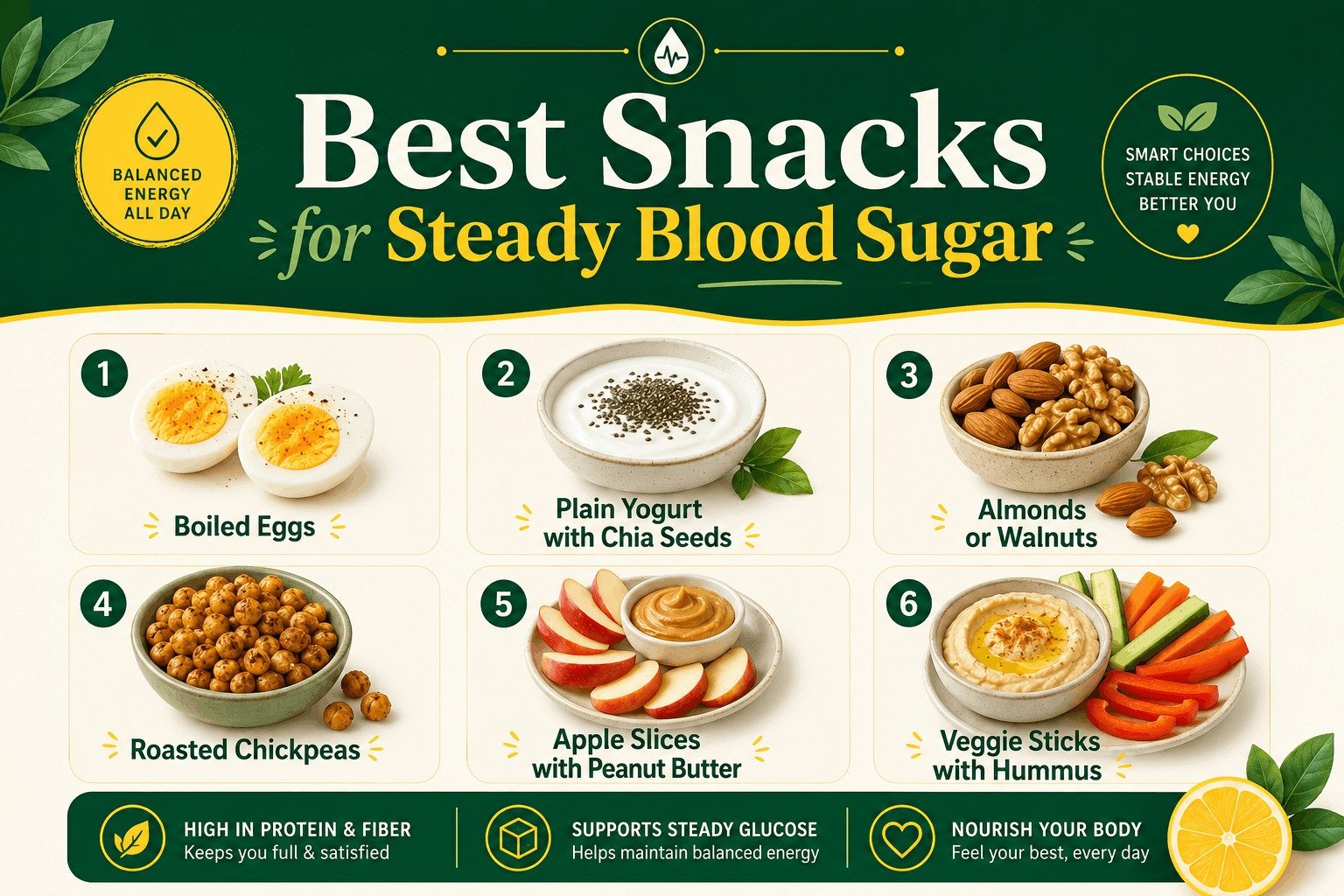
12 Best Healthy Snacks for Diabetes and Blood Sugar Control
The ideal snack routine should be simple, highly accessible, and realistic. A man over 40 does not need a complicated, expensive diet plan; he needs repeatable, high-quality choices.
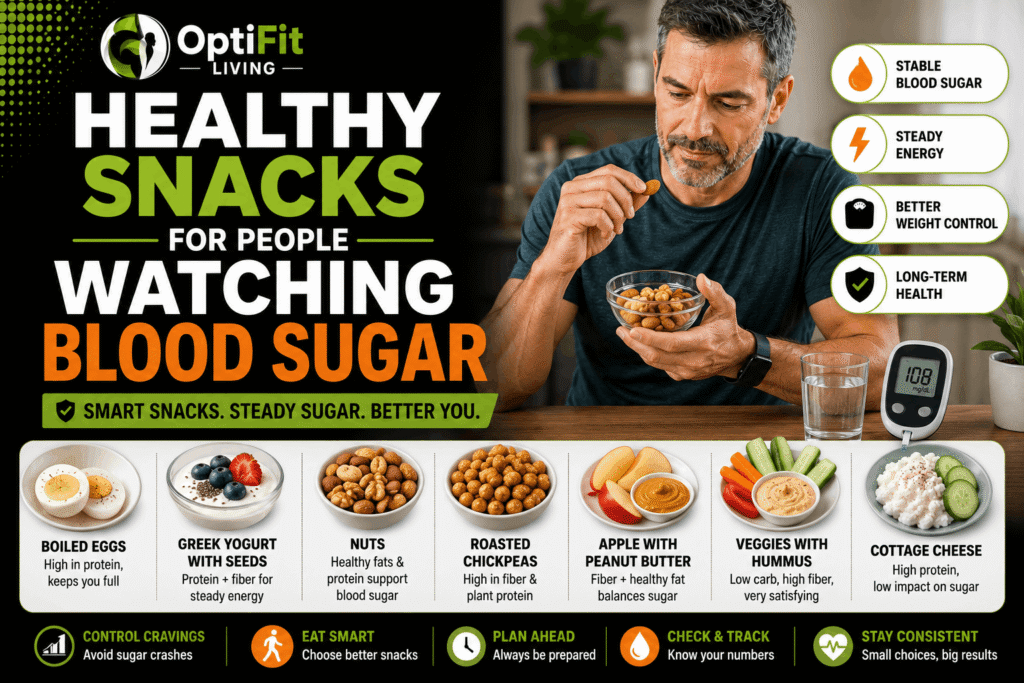
1. Hard-Boiled Eggs
Hard-boiled eggs are one of the most efficient, pure protein snacks available. They contain zero carbohydrates, are highly portable, and can be prepared ahead of time to curb sudden hunger pangs.
- How to Use: Keep a few boiled eggs in your office or home fridge. Pair them with sliced cucumber or a pinch of black pepper for extra flavor.
2. Plain Greek Yogurt with Seeds
Unlike regular flavored yogurts which function more like desserts due to added sugars, plain Greek yogurt is packed with protein.
- How to Use: Mix in a tablespoon of chia seeds or flaxseeds. The combination of dairy protein with the fiber and healthy omega-3 fats from the seeds slows down digestion perfectly.
3. Portion-Controlled Tree Nuts
Nuts are exceptional healthy snacks diabetes patients can rely on because they offer a natural blend of proteins, fibers, and monounsaturated fats.
- Options: Almonds, walnuts, pistachios, and peanuts are excellent.
- Portion Tip: Keep your serving size to a small handful (around 1 ounce). Nuts are calorie-dense, so mindlessly eating out of a large container can hinder weight goals.
4. Oven-Roasted Chickpeas
If you miss the crunchy texture of potato chips, roasted chickpeas (chana) are an excellent whole-food alternative. They provide a sturdy mix of plant-based protein and complex carbohydrates.
- How to Use: Roast them lightly with olive oil, sea salt, and spices like cumin or paprika. Avoid commercial varieties that contain sweet or sugary coatings.
5. Apple Slices with Pure Peanut Butter
Whole fruits contain natural fiber that slows down sugar absorption, making them infinitely better than drinking fruit juice.
- How to Use: Slice a medium apple and pair it with a single tablespoon of unsweetened peanut butter. The healthy fat and protein in the nut butter balance out the natural carbohydrates of the fruit.
6. Cottage Cheese with Crisp Vegetables
Cottage cheese (paneer) is exceptionally high in casein protein, which digests slowly and provides a steady release of amino acids.
- How to Use: Pair a half-cup of low-fat cottage cheese with freshly sliced cucumber, tomatoes, or radish wheels.
7. Fresh Vegetable Sticks with Hummus
Raw vegetables provide essential vitamins and water weight without a heavy carbohydrate load.
- How to Use: Dip celery, bell peppers, or carrot sticks into two tablespoons of hummus. Hummus, made from chickpeas and tahini, delivers fiber and healthy monounsaturated fats.
8. Tuna or Chicken Lettuce Boats
When dinner is still several hours away and you need something more substantial than nuts or fruit, a mini-meal approach works best.
- How to Use: Mix canned tuna or shredded chicken with a splash of olive oil or plain Greek yogurt, and spoon it into crisp romaine lettuce leaves.
9. Unsweetened Chia Seed Pudding
Chia seeds can absorb many times their weight in liquid, expanding in your stomach to signal fullness to your brain.
- How to Use: Mix chia seeds with unsweetened almond milk or skim milk and a dash of cinnamon. Let it sit in the fridge overnight. Avoid adding honey, agave, or syrups.
10. Whole Low-GI Fruits Coupled with Almonds
Certain whole fruits have a lower glycemic index (GI), meaning they cause a slower rise in blood glucose.
- Options: Berries (strawberries, blueberries), pears, oranges, and guavas are fantastic choices. Always pair them with 5 to 10 almonds to blunt any potential blood sugar response.
11. Zesty Lentil or Three-Bean Salad
Legumes are dense in dietary fiber and complex carbohydrates, making them ideal for long-term metabolic health.
- How to Use: Toss boiled lentils or chickpeas with finely chopped onions, tomatoes, fresh cilantro, a squeeze of lemon juice, and a drizzle of extra virgin olive oil.
12. Unsweetened Herbal Tea with a Protein Side
For many men, afternoon tea is a non-negotiable cultural habit. The issue is rarely the tea itself, but rather the multiple spoons of white sugar and the accompanying biscuits.
- How to Use: Switch to unsweetened black, green, or herbal tea, and replace the biscuits entirely with a boiled egg, a small serving of roasted chickpeas, or a handful of raw almonds.
Highly Processed Snacks to Limit
You do not need to ban your favorite foods forever, but certain snacks should never become daily defaults if you are serious about managing your blood sugar. Limit the consumption of:
- Bakery biscuits and cookies
- Commercial deep-fried foods (samosas, pakoras, commercial fries)
- Sweetened cereal and protein bars loaded with high-fructose corn syrup
- Large portions of dried fruits (which have highly concentrated sugars)
- White flour breads, jams, and jellies
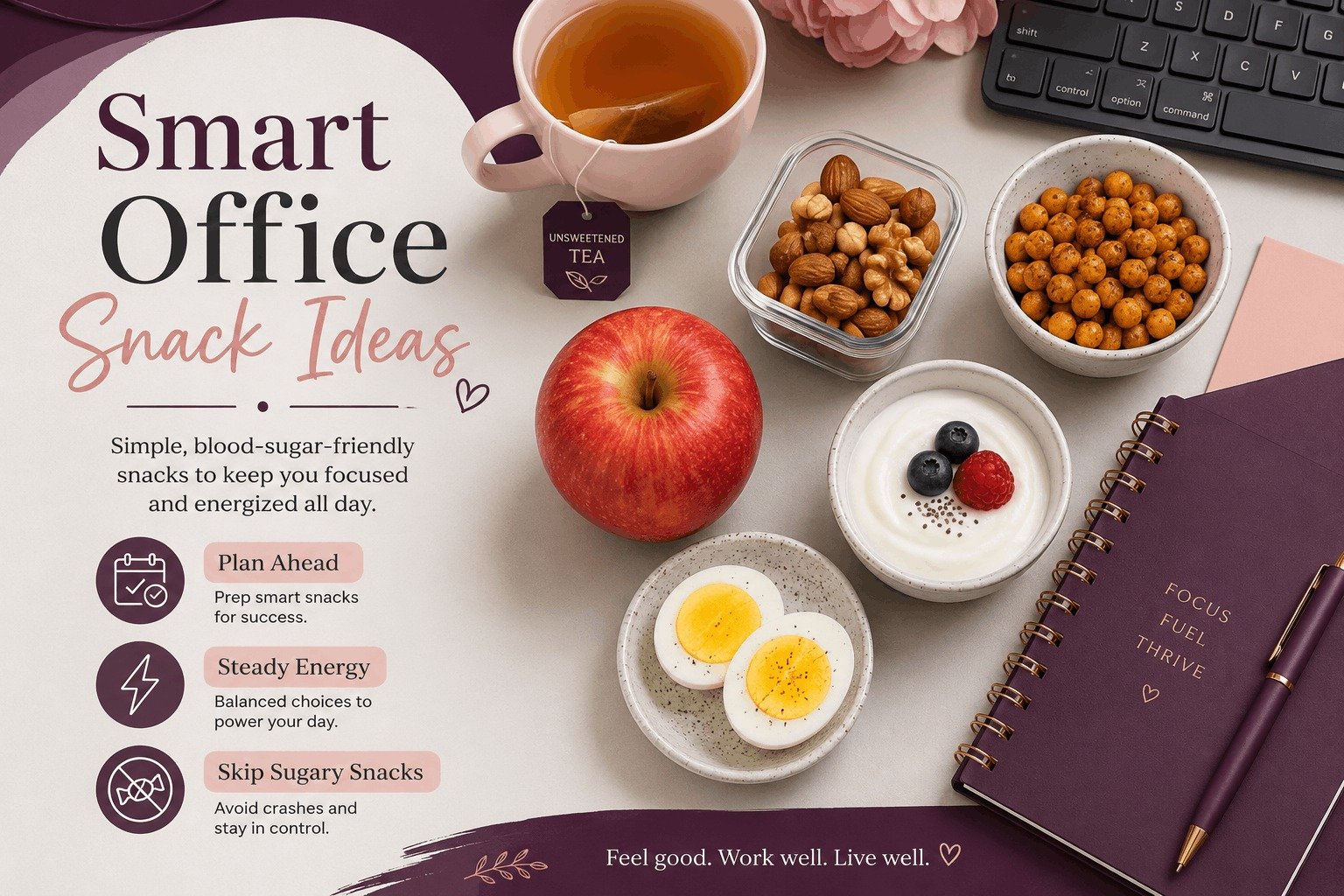
Smart Office Snacking Strategies for Professionals
Corporate life presents significant dietary hurdles. Long hours at a desk, high-stress environments, and accessible pantry treats make unhealthy snacking incredibly easy.
To protect your health during the workday, implement these professional workplace rules:
- The Proactive Stash: Keep a non-perishable snack—like a small jar of roasted chickpeas or pre-portioned almonds—directly in your desk drawer or briefcase.
- The Hunger Rule: Consume your healthy snack before your hunger becomes severe. When a man reaches extreme hunger, his brain defaults to whatever carbohydrate-heavy option is fastest and closest.
- Hydration First: Workplace fatigue is frequently just mild dehydration. Drink a full glass of water before heading to the office kitchen or tea station.
Navigating the Evening Craving Danger Zone
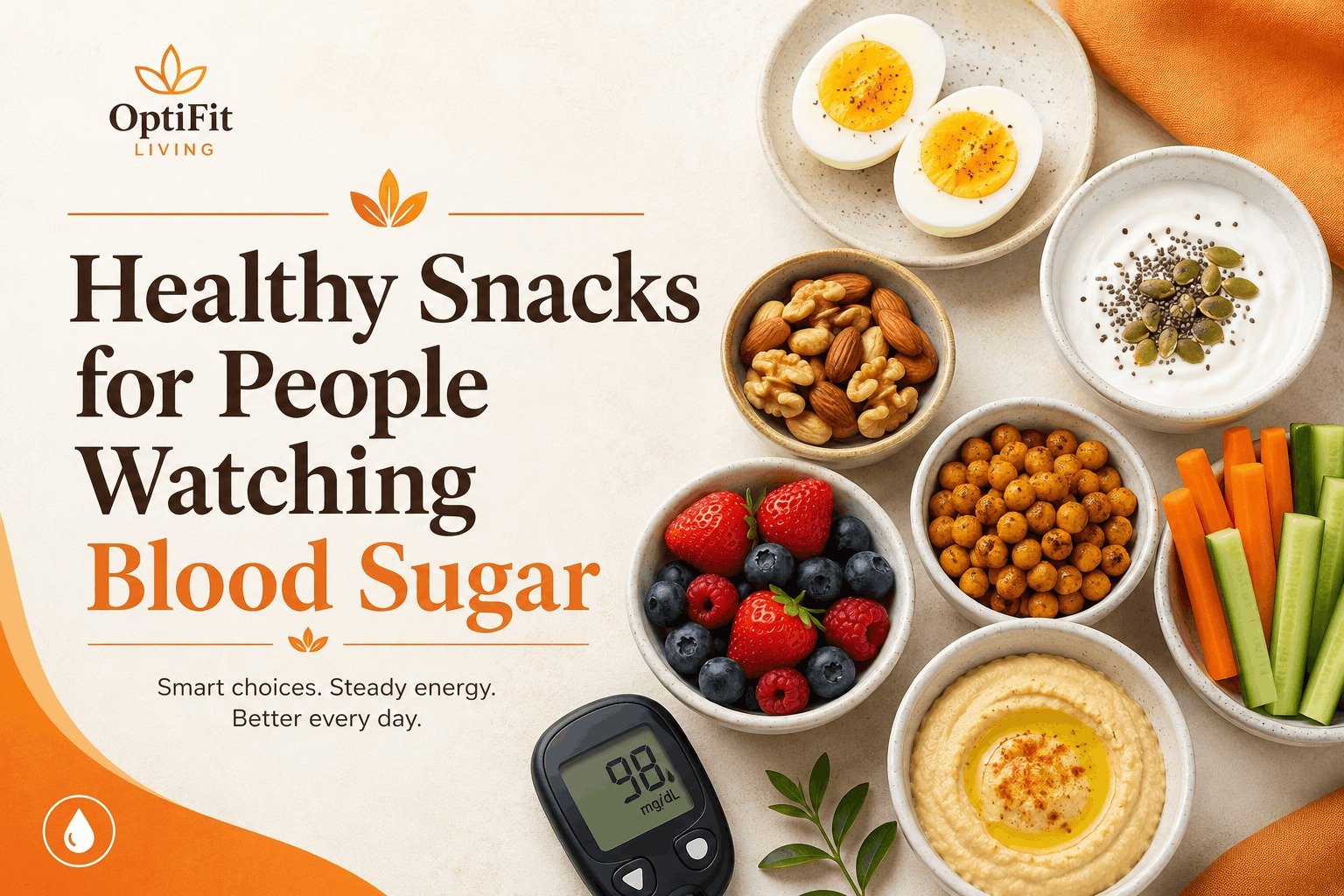
The period between arriving home from work and eating dinner is a metabolic danger zone for many men over 40. After a stressful day, willpower is depleted, and the mind craves comfort.
If you struggle with evening overeating, use this self-reflection checklist before opening the pantry:
- Did I eat an adequate amount of lean protein during lunch?
- Have I consumed enough water throughout the afternoon?
- Am I genuinely physically hungry, or am I just mentally exhausted and stressed?
- Did a poor night’s sleep yesterday leave me craving quick energy right now?
Healthy Evening Options: If you genuinely need a snack, choose something small and protein-centric, such as a cup of warm unsweetened milk with a pinch of turmeric, or a small bowl of cottage cheese.
Pre- and Post-Workout Nutrition Basics
If you engage in regular brisk walking, running, or weight training, proper snack timing can support your energy levels without compromising your glycemic target.
- Before Light Exercise: Most men do not require a dedicated snack before a short walk unless they are prone to hypoglycemia or take specific medications.
- Before Strength Training: If you feel low on energy before a workout, consume a light, easily digestible option 45 minutes prior—such as half an apple with a few walnuts or a small bowl of Greek yogurt.
- After Exercise: Focus on muscle recovery and proper hydration. Opt for a protein-rich snack like boiled eggs, sliced chicken breast, or lentil salad within an hour of your session.
Comprehensive Action Plan to Transition Your Habits
Do not attempt to overhaul your entire lifestyle overnight, as this often leads to burnout. Use this structured, step-by-step timeline to gradually implement better choices.
Phase 1: Your Goals for This Week
- Identify your most problematic snack time (e.g., the 4:00 PM office tea break) and replace that specific food with a high-protein option.
- Gradually reduce the added sugar in your tea or coffee by half.
- Clear away visible biscuit boxes or candy wrappers from your immediate workspace or kitchen counters.
- Drink a glass of water immediately before reaching for any food.
Phase 2: Your Goals for This Month
- Allocate 15 minutes twice a week to prep your snacks (e.g., boiling eggs on Sunday night, portioning out your nuts into small containers).
- Add a 10-minute walk immediately following your largest meal of the day to assist with postmeal glucose clearance.
- Keep a simple log of how you feel 1 to 2 hours after trying different snacks to identify what gives you the most stable energy.
Clinical Safety Advice
If you have a diagnosed medical condition such as Type 2 diabetes, are prescribed insulin or oral blood glucose-lowering medications, or have a history of chronic kidney or cardiovascular disease, consult with a qualified medical professional before making major shifts in your eating patterns.
Never adjust or stop taking prescribed medication without explicit medical supervision. If you experience symptoms of severe low blood sugar—such as shakiness, sudden sweating, dizziness, confusion, or extreme weakness—check your blood glucose immediately and follow standard medical protocols or seek urgent healthcare assistance.
FAQ:
1. What are the best healthy snacks for diabetes management?
The absolute best options are whole foods that combine protein and dietary fiber with minimal glycemic impact. Excellent choices include hard-boiled eggs, plain Greek yogurt with flaxseeds, portion-controlled tree nuts, and fresh vegetable sticks paired with hummus.
2. Can men with diabetes eat fresh fruit as a snack?
Yes, whole fresh fruit is an excellent choice due to its natural fiber, vitamins, and water content. Stick to low-glycemic options like berries, apples, and pears, and keep portions moderate. Pairing the fruit with a source of healthy fat or protein (like almonds or walnuts) will help keep your blood sugar even more stable.
3. Why are nuts considered a premium snack for blood sugar control?
Nuts provide a stellar nutritional balance of plant protein, dietary fiber, and healthy monounsaturated fats. This combination significantly slows down stomach emptying and glucose absorption. However, because they are calorically dense, you should keep portions to a single small handful.
4. Is yogurt safe to eat if you are watching your blood sugar?
Plain Greek yogurt is highly safe and beneficial because it contains double the protein of regular yogurt and fewer carbohydrates. However, you must carefully read nutrition labels and avoid sweetened commercial varieties, which are often loaded with added fruit syrups and cane sugars.
5. Can choosing better snacks genuinely help reduce abdominal belly fat?
Yes. When you replace refined, high-sugar snacks with protein and fiber-rich alternatives, you prevent the massive insulin spikes that signal your body to store fat. Furthermore, stable blood sugar reduces overeating at your main meals, creating the consistent, natural calorie deficit required to reduce visceral belly fat over time.
Conclusion:
Practical observation consistently demonstrates that snacks are the crucial daily pivot points that shape long-term health outcomes. A man over 40 may eat perfectly balanced breakfasts and dinners, yet still struggle with high blood sugar, low energy, and visceral belly fat simply because his afternoon snacks are high in refined carbs and trans fats.
Developing a collection of healthy snacks diabetes-friendly and nutrient-dense is not complicated. Focus on whole proteins, add natural fiber, control your portions, and prepare your food ahead of time. Do not wait until you are starving to decide what to eat.
Your next step is simple: select just one high-quality snack from this guide today, prepare it, and place it exactly where you normally reach for sweets or biscuits. Small, disciplined steps are how lasting metabolic health and daily vitality are built.