
Poor sleep can leave you tired, distracted, and less interested in sex. Those symptoms can resemble testosterone deficiency, but they do not establish it. Sleep supports normal hormone regulation. Severe sleep loss can lower testosterone, while the effects of shorter sleep vary. Understanding how sleep affects testosterone levels helps you choose between improving sleep, investigating symptoms, and considering testing.
Key takeaways
- Severe or total sleep loss can lower testosterone, but the effect of shorter sleep varies between people and studies.
- Tiredness, low mood and low desire can follow poor sleep and do not by themselves show low testosterone.
- Persistent symptoms, loud snoring or breathing pauses deserve a clinician’s assessment, and any low blood test should be repeated before action.
How sleep affects testosterone levels: the direct answer
Adequate sleep supports normal testosterone production. Sleeping longer does not guarantee a higher level, particularly when yours is already normal.
A temporary testosterone change is different from persistent hypogonadism
One low reading after disrupted sleep does not diagnose hypogonadism. Persistent deficiency requires compatible symptoms and consistently low, appropriately measured testosterone.
What sleep studies can tell us, and where the evidence is limited
Studies of how sleep affects testosterone levels differ in design. Experiments can test short-term effects. Observational associations cannot establish cause. Findings from healthy young men also need cautious interpretation in other populations.
Testosterone production during sleep: REM, deep sleep, and hormone signals
 Testosterone generally rises after sleep onset and falls during waking hours. Sleep timing helps shape the daily pattern.
REM sleep and testosterone: why a peak near first REM is not REM-only production
Levels can peak around the first rapid eye movement episode. That timing does not mean testosterone is produced only during REM.
Deep sleep and testosterone: how N3 differs from REM and growth hormone release
N3 is slow-wave sleep, distinct from REM. Growth hormone release is strongly associated with deep sleep. The mechanism behind how sleep affects testosterone levels runs through signals in the hypothalamic-pituitary-gonadal axis, including luteinizing hormone.
Sleep deprivation and testosterone: how large is the effect?
 There is no reliable percentage for how sleep affects testosterone levels in everyone, and no number predicts your own response to lost sleep.
The 10-15% claim: what the small five-hour sleep study measured
In 10 healthy young men, roughly a week of five-hour sleep opportunities reduced daytime testosterone by 10-15%. This was not proof of permanent deficiency.
Partial vs total sleep deprivation: one short night, repeated restriction, and an all-nighter
Losing an hour and staying awake all night are different exposures, and the table below compares what each study type found about how sleep affects testosterone levels. Blood-sampling schedules and participant characteristics also affect results.
| Sleep exposure or analysis | Finding | Practical limit |
|---|---|---|
| Five-hour sleep opportunities in 10 young men | Lower daytime testosterone | Cannot predict an individual’s response |
| Two 2019 sleep-restriction trials | No adverse testosterone effect detected | Small samples and specific protocols |
| 2021 pooled analysis of 252 men | Total deprivation lowered testosterone; short-term partial restriction was not significant | Does not establish that partial restriction is harmless |
| 2026 observational and genetic analyses | No detected sleep-to-testosterone effect in the reported analyses | Does not reproduce acute sleep-loss experiments |
How much sleep for testosterone: are six, seven, or nine hours enough?
 Adults aged 18-60 generally need at least seven hours regularly. There is no separate duration that guarantees normal testosterone. Recommended sleep ranges are seven to nine hours at ages 61-64 and seven to eight hours from 65 onward.
Six hours of sleep and testosterone: what four-to-six-hour studies do and do not show
Feeling accustomed to six hours does not establish that it meets your needs. Laboratory findings cannot calculate your personal hormone loss.
Oversleeping and testosterone: why extra time in bed is not an unlimited boost
Ten hours is not a proven testosterone target. Persistent long sleep, especially without feeling refreshed, deserves attention rather than automatic encouragement to sleep longer.
Circadian rhythm and testosterone: late bedtimes, early alarms, and night shifts
 Timing is part of how sleep affects testosterone levels. Clock time, sleep timing, and time since waking overlap. Treating them as interchangeable can mislead.
Does going to bed late or waking early change testosterone?
A consistent late schedule differs from repeatedly cutting sleep short. An early alarm can reduce sleep opportunity and extend wakefulness before testing.
Night shift work and testosterone: protecting daytime sleep and planning blood tests
Testosterone can rise during daytime sleep. Rotating schedules complicate interpretation, so disclose your work pattern before arranging blood tests.
Sleep quality and testosterone: what broken sleep changes beyond total hours
Sleep quality also shapes how sleep affects testosterone levels. Eight hours in bed may include substantial waking time. Sleep continuity matters alongside duration.
Fragmented sleep and testosterone: awakenings, nocturia, pain, and caregiving
Frequent awakenings can disrupt sleep architecture. Record recurring triggers, including bathroom trips, pain, or caregiving, rather than assuming a hormonal cause.
What sleep trackers can reveal, and what they cannot diagnose
A wearable can help identify patterns. Its estimated REM or deep-sleep minutes cannot measure testosterone or replace assessment for a sleep disorder.
Cortisol, obesity, and low testosterone: separating direct effects from shared causes
Sleep problems and low testosterone can share underlying causes. Their coexistence does not identify which problem came first.
Cortisol, sleep, and testosterone: plausible pathways without a one-hormone explanation
Stress can disrupt sleep. However, cortisol did not increase in the small five-hour experiment, despite lower daytime testosterone. A simple hormone seesaw misses that detail.
Obesity, sleep apnea, insulin resistance, and other overlapping causes
Obesity, sleep problems, and low testosterone often overlap. Illness, depression, medication effects, or inadequate nutrition can further complicate symptoms and hormone measurements.
Sleep apnea and testosterone: what screening and CPAP can realistically change
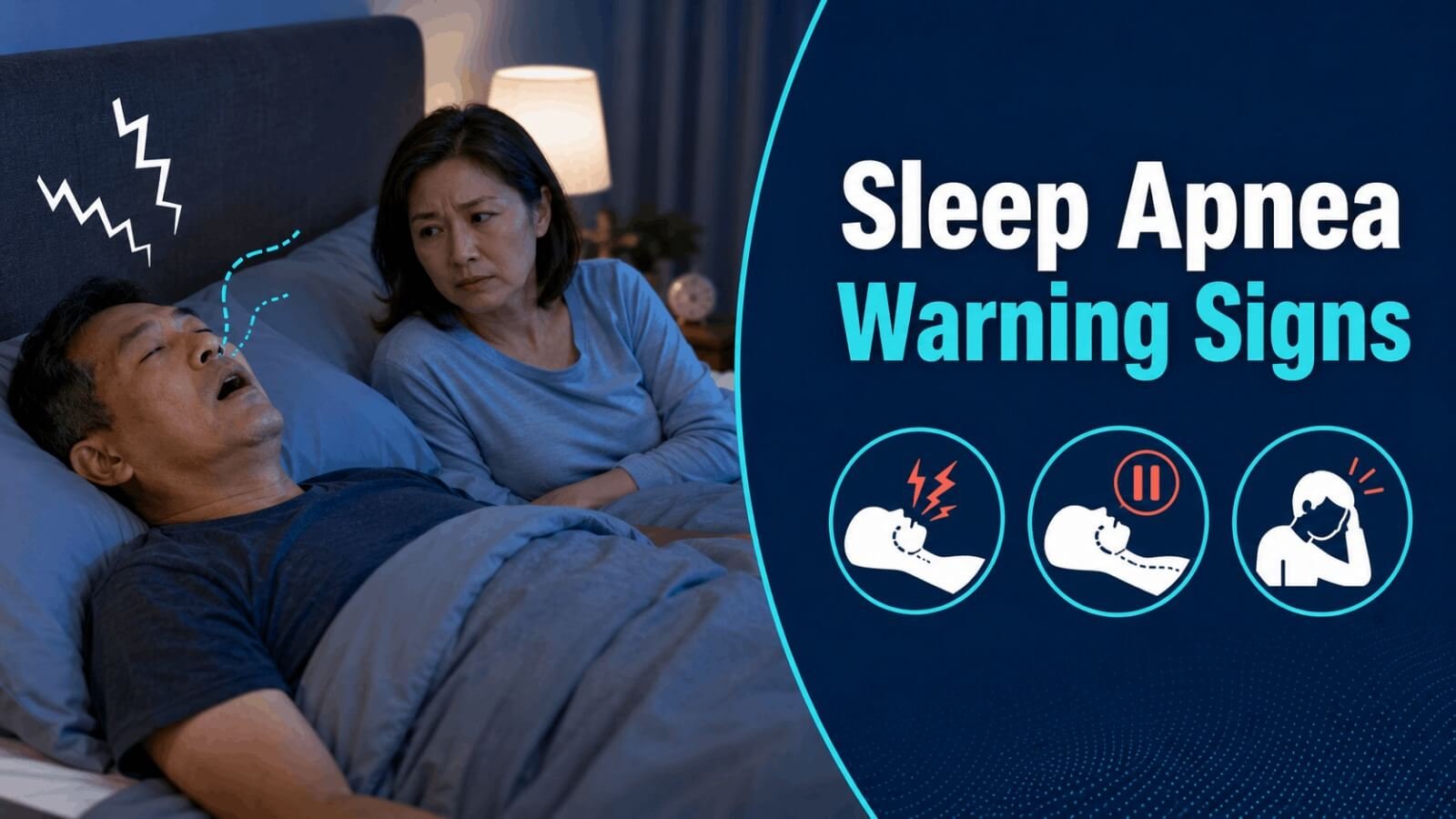 Obstructive sleep apnea involves repeated airway obstruction. It is associated with lower testosterone, but association does not settle causation.
Snoring, gasping, and daytime sleepiness: when to ask about sleep-apnea testing
Discuss witnessed breathing pauses, gasping, or persistent sleepiness with a clinician. Your medical history helps determine whether home testing or laboratory assessment is appropriate.
CPAP and testosterone: why better breathing and a higher hormone level are different outcomes
Pooled intervention findings have not shown a significant testosterone increase with CPAP. Continue prescribed treatment: its value does not depend on raising testosterone.
What combined weight-loss and sleep-apnea interventions can and cannot prove
A 2026 analysis of 89 men found improved testosterone after combined lifestyle and weight-loss treatment. It could not isolate sleep’s contribution.
Insomnia and low testosterone: which problem needs treatment?
Difficulty sleeping does not, by itself, establish testosterone deficiency.
Sleep deprivation versus insomnia: too little opportunity is not the same as inability to sleep
A short sleep window calls for more opportunity. Trouble sleeping despite adequate opportunity needs assessment, including possible anxiety, pain, or another sleep disorder.
CBT-I, sleep hygiene, and medication: which outcomes should be expected?
Cognitive behavioral therapy for insomnia, or CBT-I, is recommended for chronic insomnia. Sleep hygiene alone is insufficient treatment. Better sleep does not prove testosterone increased. CBT-I can include supervised adjustments to time in bed. That differs from casually cutting sleep to fit a busy schedule.
Recovery sleep and testosterone: timelines, weekend catch-up, and naps
Recovery is another part of how sleep affects testosterone levels. Some short-term hormonal changes can reverse, but recovery is not predictable for everyone.
Recovery sleep after an all-nighter or a period of sleep debt
Small experiments have shown recovery after restored sleep. They do not establish a universal timetable for someone with persistent low testosterone.
Naps and weekend lie-ins: helpful sleep opportunities without a guaranteed hormone effect
Evidence about naps and testosterone remains limited. Weekend catch-up findings do not prove hormonal benefit or harm. Consistent adequate sleep remains the practical goal.
Low testosterone symptoms or sleep deprivation: fatigue, libido, erections, and fertility
The symptom pattern matters more than assuming every complaint has one hormonal explanation.
Fatigue, low mood, brain fog, and poor gym recovery are not specific to low testosterone
These complaints can follow insufficient sleep. Persistent symptoms deserve evaluation even when improving sleep helps somewhat. Our guide to why men feel tired all the time after 40 covers other common causes, and our overview of low testosterone in men explains symptoms and diagnosis.
Sleep, testosterone, and libido: why erections and desire are separate outcomes
Desire and erectile function have multiple influences. Morning erections are not a home testosterone test, and their absence does not diagnose deficiency.
Sleep, testosterone, and fertility: hormone numbers do not replace sperm assessment
Testosterone levels cannot establish normal sperm production. Fertility concerns may require semen analysis and specialist evaluation.
How age, sex, and hormone treatment change the sleep-testosterone picture
Advice about how sleep affects testosterone levels should reflect the population being assessed.
Sleep and testosterone in older men: what differs from young-male laboratory studies?
Age, fragmented sleep, and chronic illness can interact. Age alone does not establish an indication for testosterone treatment.
Sleep and testosterone in women: PCOS, menopause, and limits of male-derived advice
Male findings cannot simply be transferred to women. PCOS and menopause need their own assessment; sleep symptoms cannot diagnose a testosterone abnormality.
Teenagers and people using prescribed hormones need a different interpretation
Teenagers need age-appropriate sleep targets and hormone ranges. Prescribed hormone regimens, including gender-affirming treatment, require individualized monitoring.
A testosterone blood test after poor sleep: timing, repeat results, and SHBG
Because how sleep affects testosterone levels can shift a result, tell the clinician about disrupted sleep before interpreting it.
Before the test: sleep, fasting instructions, illness, medicines, and shift schedule
Follow the clinic’s sampling instructions. Report acute illness, medication use, and shift patterns. Do not cancel testing or change treatment independently. For people who sleep at night, testing is generally done in the morning, often fasting. A low result usually needs confirmation on another day.
Total vs free testosterone and SHBG: why one number may not tell the whole story
Binding proteins influence interpretation, particularly with borderline results.
| Measurement | What it represents | Why it matters |
|---|---|---|
| Total testosterone | Bound and unbound testosterone together | Usually the initial measurement |
| Free testosterone | Testosterone not bound to proteins | May clarify selected borderline results |
| SHBG | A testosterone-binding protein | Abnormal levels can complicate total-testosterone interpretation |
Repeat testing and test types: why symptoms plus reliable measurements matter
Repeat measurements help address day-to-day variation. With home testing, ask about sample method, laboratory quality, and clinical interpretation.
How to improve sleep for testosterone without promising a hormone boost
 Aim for reliable sleep and better daytime function, rather than a promised change in how sleep affects testosterone levels. Choose changes you can repeat, then assess your sleep pattern over several nights.
Build enough sleep opportunity with a consistent schedule and supportive environment
- Protect enough time for sleep and keep a consistent schedule.
- Reduce disruptive light, noise, and uncomfortable bedroom temperatures.
- Review late caffeine and alcohol when sleep is poor.
Exercise, nutrition, weight, and stress: support the whole picture
Regular activity and adequate nutrition support health, and our list of foods to support testosterone naturally offers practical meal ideas. Avoid treating short-lived exercise hormone spikes as proof of lasting improvement.
Melatonin, sleep aids, and testosterone boosters: evaluate the right outcome
A sleep benefit does not establish a hormone benefit.
Melatonin and magnesium: separate sleep timing, sleep quality, and hormone claims
Neither should be assumed to correct testosterone deficiency. For the sleep side of magnesium, see our guide to magnesium benefits for sleep. Melatonin can help selected timing problems, but long-term safety information remains limited.
Sleeping pills, alcohol, cannabis, and boosters: sedation is not proof of restorative sleep
Products can affect sleep, breathing, and alertness differently. Review medicines and supplements professionally rather than changing them to chase testosterone.
Testosterone replacement therapy and sleep: possible benefits, limits, and apnea risks
TRT is not a general insomnia treatment.
Confirmed hypogonadism versus sleep-related symptoms: when TRT enters the discussion
Treatment requires a confirmed indication. Fatigue alone is insufficient.
TRT and sleep apnea: monitoring breathing, symptoms, and treatment response
Testosterone can worsen sleep-disordered breathing in some patients. Untreated severe apnea is a reason not to start TRT.
Fertility plans and higher doses: why self-treatment changes the risk
TRT can suppress sperm production. Discuss conception plans first; high-dose steroid use is different from monitored replacement.
A two-week sleep diary and action plan: track patterns without self-diagnosing low T
A sleep diary shows how sleep affects testosterone levels only indirectly, because it records sleep and symptoms, not hormone values. Two weeks is an observation window, not a hormone-reset deadline.
Record sleep opportunity, awakenings, symptoms, and relevant exposures
- Note bedtimes, waking times, awakenings, and naps.
- Record snoring reports, medicines, caffeine, and alcohol.
- Track energy and symptoms without assigning a cause.
Review the pattern and choose the next step with appropriate support
Look for insufficient opportunity or persistent disruption. Neither a diary nor improved energy establishes your testosterone level.
Frequently asked questions about sleep and testosterone
Does lack of sleep lower testosterone?
It can. How sleep affects testosterone levels is clearest in experiments: in a small one, about a week of five-hour sleep opportunities lowered daytime testosterone in healthy young men, and pooled analyses found that total sleep deprivation lowers it. Findings for shorter, partial sleep loss are less consistent, so the effect should not be assumed for every person.
How many hours of sleep do I need for normal testosterone?
Adults aged 18 to 60 generally need at least seven hours of sleep regularly. No specific duration guarantees normal testosterone, and sleeping longer does not guarantee a higher level when yours is already normal.
Can I raise testosterone by sleeping more?
Not reliably. Extra time in bed is not an unlimited boost, and ten hours is not a proven target. If you are sleeping long hours without feeling refreshed, that deserves a conversation with a clinician rather than more sleep.
How long does testosterone take to recover after poor sleep?
How sleep affects testosterone levels over time is not fully mapped. Small experiments have shown recovery after sleep was restored, but there is no universal timetable. Someone with persistently low testosterone should not expect sleep alone to resolve it.
Should I get tested if I feel tired all the time?
Fatigue, low mood and poor recovery are not specific to low testosterone and often follow poor sleep. If symptoms persist, speak with a clinician, tell them about your sleep, and expect a low result to be repeated on another day before it is acted on.
When to seek help and which sleep-testosterone resources to trust
Start with primary care when symptoms persist. Reliable starting points include MedlinePlus’s explanation of the testosterone levels test, the CDC’s sleep guidance, and the American Academy of Sleep Medicine’s patient site, SleepEducation.org.
Persistent symptoms, witnessed breathing pauses, and unsafe daytime sleepiness
Breathing pauses warrant assessment. If sleepiness makes driving unsafe, stop driving and seek medical advice promptly.
Find clinical guidance, arrange assessment, or start a sleep diary
Bring your sleep record, medication list, and results. Assessment should address the sleep problem and any hormone concern together. That is the practical answer to how sleep affects testosterone levels: protect adequate sleep, investigate persistent symptoms, and interpret any blood test with your clinician.
Related guides
- Vitality for Men: A Practical Guide to Feeling Better After 40
- Male Vitality Supplements After 40: What Really Helps?
- How to Build Muscle Over 40: 7 Amazing & Powerful Tips for Men
- Men Belly Fat: Causes, Health Risks, and Effective Ways to Lose It
- Strength Training for Men Over 40: Safe Beginner Plan