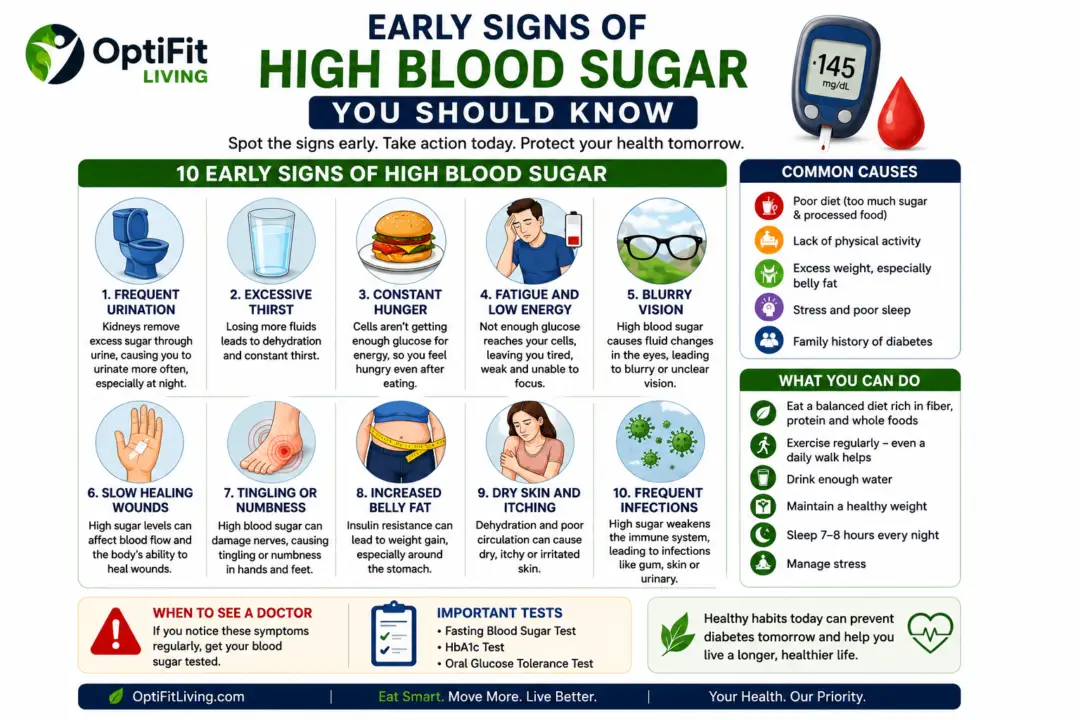

Sometimes the body gives quiet signals long before a serious health problem becomes obvious. A man may feel more tired after meals, gain belly fat, feel thirsty more often, crave sweets at night, or notice that his energy is not steady anymore. Because these signs feel common, many people ignore them.
That is why understanding the symptoms of prediabetes most people ignore is important, especially for men over 40. Prediabetes does not always create clear warning signs. In many cases, a person may feel almost normal while blood sugar is slowly rising.
One thing I have observed in men over 40 is that they often explain these symptoms as age, work stress, poor sleep, or “normal weakness.” Sometimes that may be true. But sometimes these same signs can be connected with blood sugar changes, belly fat, low activity, poor food habits, and insulin resistance.
This article will help you understand what prediabetes means, why it matters after 40, which early signs are commonly ignored, what daily habits make the problem worse, and what practical steps you can take before the issue becomes harder to manage.
Key Takeaway: Prediabetes is a silent warning stage where blood sugar is higher than normal but not yet type 2 diabetes. Detecting it early through subtle body changes can help you reverse it completely before it causes permanent damage.
What Is Prediabetes?
Prediabetes means your blood sugar is higher than normal, but not high enough to be called type 2 diabetes. It is a warning stage. The important thing to understand is that prediabetes is not a small matter, but it is also not a final sentence. It is a chance to act early.
In simple words, your body may be struggling to move sugar from the blood into the cells properly. This often happens because of insulin resistance.
Insulin is a hormone that helps sugar enter your cells for energy. When the body becomes less sensitive to insulin, sugar may stay in the blood longer. Over time, this can increase the risk of type 2 diabetes and other health problems. Prediabetes often develops slowly. That is why many people miss it.
Why Early Warning Signs Are Often Ignored
Prediabetes is easy to ignore because the signs are usually not dramatic. A man may still go to work, manage family responsibilities, attend meetings, drive, travel, and live normally. But inside the body, blood sugar may be slowly moving out of a healthy range.
People often ignore these warning signs because:
- Gradual Changes: Symptoms come and go very slowly.
- The “Mostly Fine” Trap: Since they can perform daily chores, they avoid routine testing.
- Blaming Lifestyle: Tiredness is blamed on work, belly fat on aging, and thirst on hot weather.
In real life, many major health problems do not begin loudly. They begin with small, unnoticeable patterns repeated for years.
Why Men Over 40 Should Pay Attention
After 40, the body usually becomes less forgiving of poor lifestyle habits. Long sitting, heavy dinners, poor sleep, stress, belly fat, and low activity start affecting energy and blood sugar more clearly.
Men over 40 also face higher social and professional pressure, causing them to push personal health to the backseat.
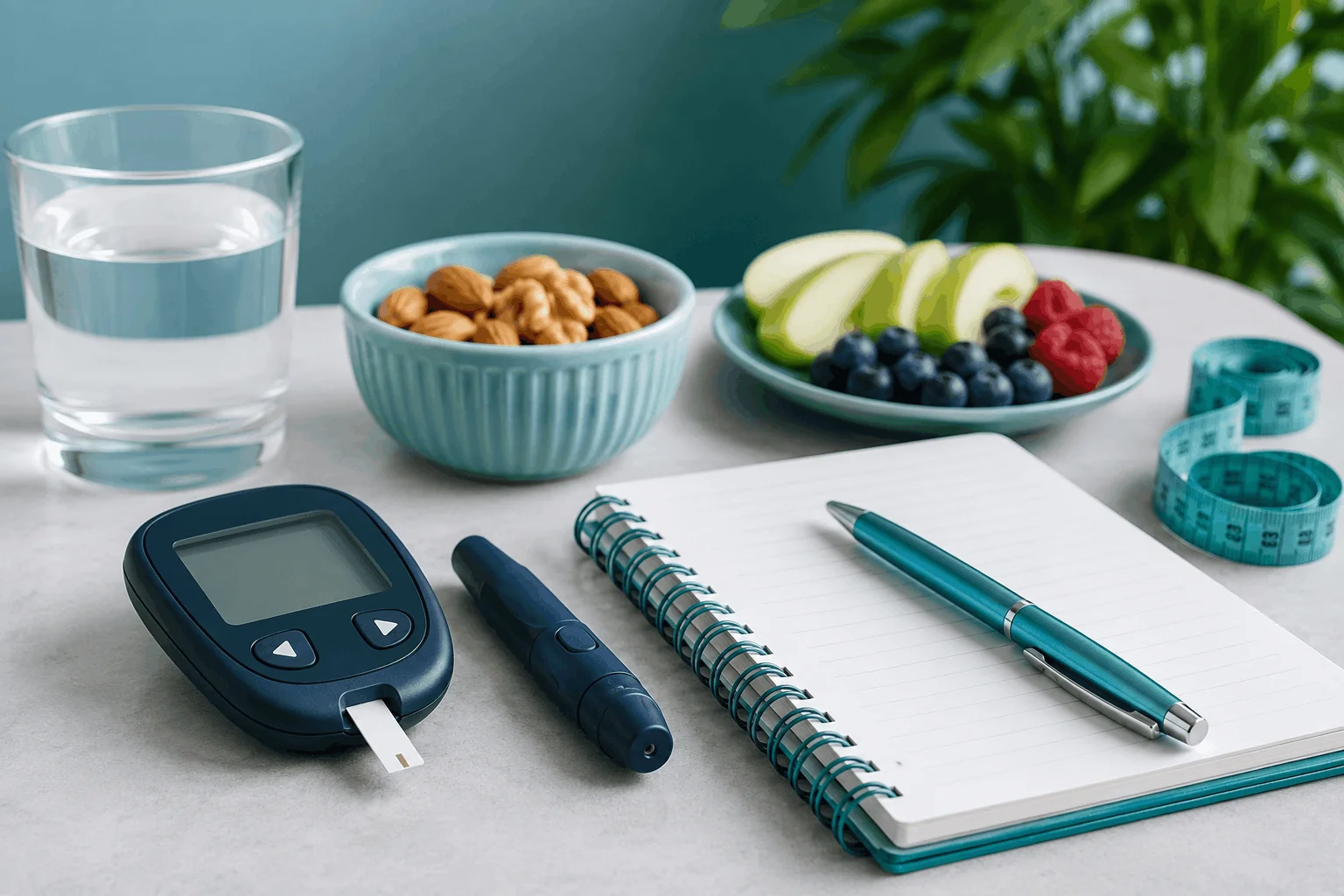
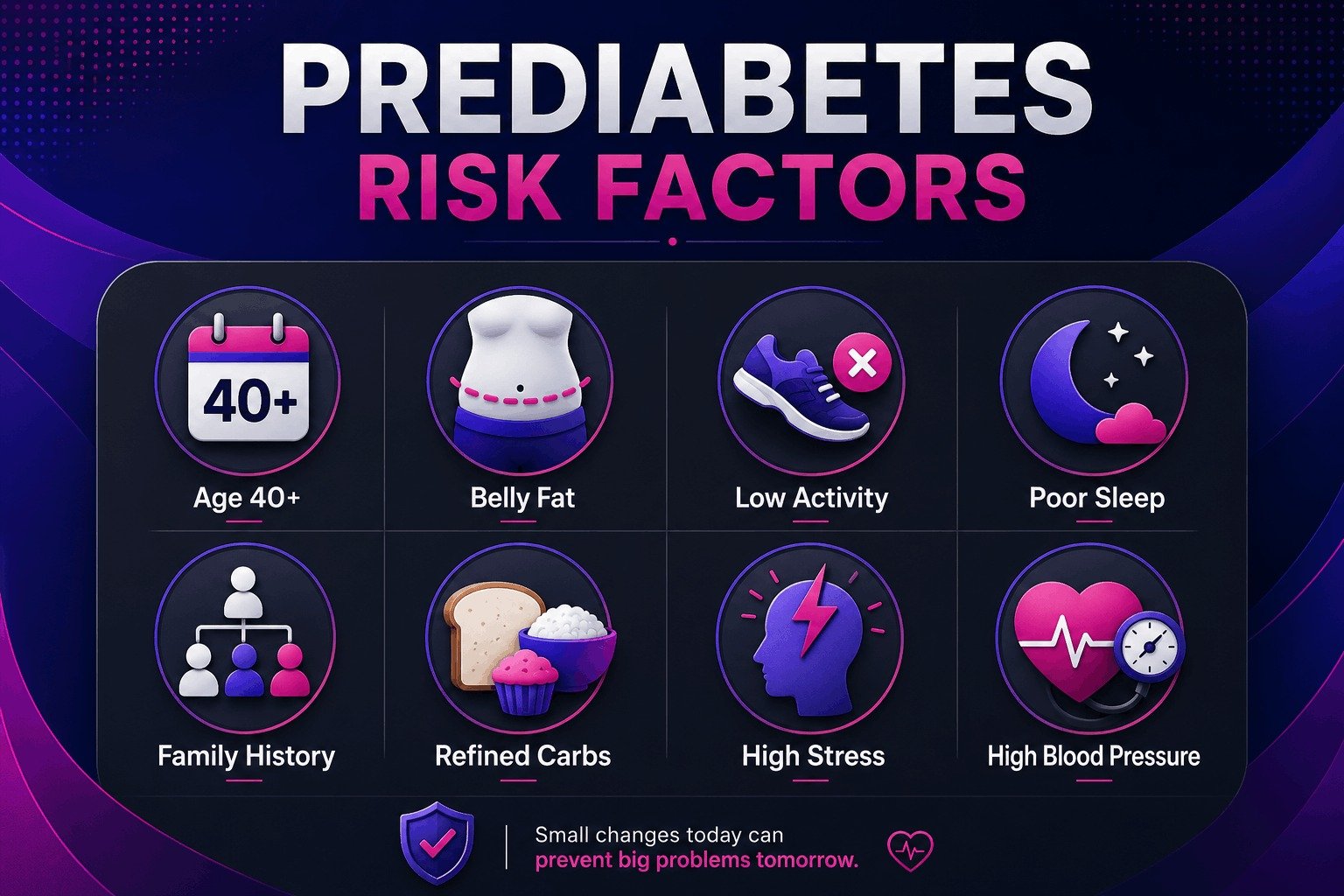
High-Risk Categories
| Risk Factor | Why It Matters |
| Belly Fat & Weight | Directly promotes insulin resistance around vital organs. |
| Sedentary Lifestyle | Sitting for long hours reduces muscle glucose uptake. |
| Age & Family History | Natural metabolism slows down after 40; genetics increase vulnerability. |
| Poor Sleep & High Stress | Spikes cortisol levels, which directly raises fasting blood sugar. |
Skipping Protein
Meals without enough protein may leave you hungry sooner and increase cravings.
Poor Sleep
Poor sleep can affect hunger, cravings, energy, and blood sugar control.
If sleep is part of your struggle, Why Sleep Becomes Important After 40 can help you understand why rest affects weight, energy, and long-term health.
12 Symptoms of Prediabetes Most People Ignore
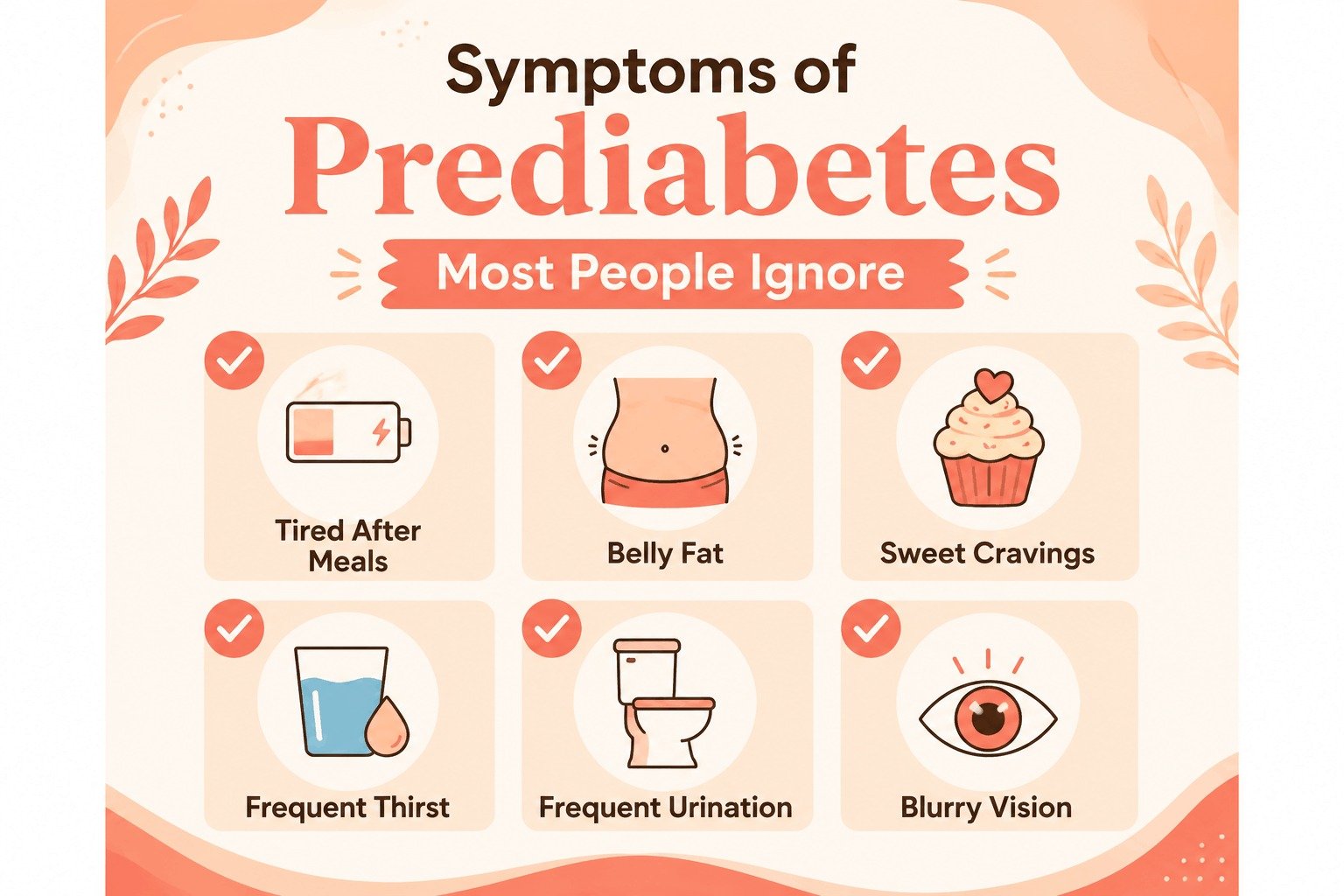
The early signs can be extremely subtle. If you notice the following red flags, your metabolism might be waving a warning flag.
1. Feeling Tired After Meals
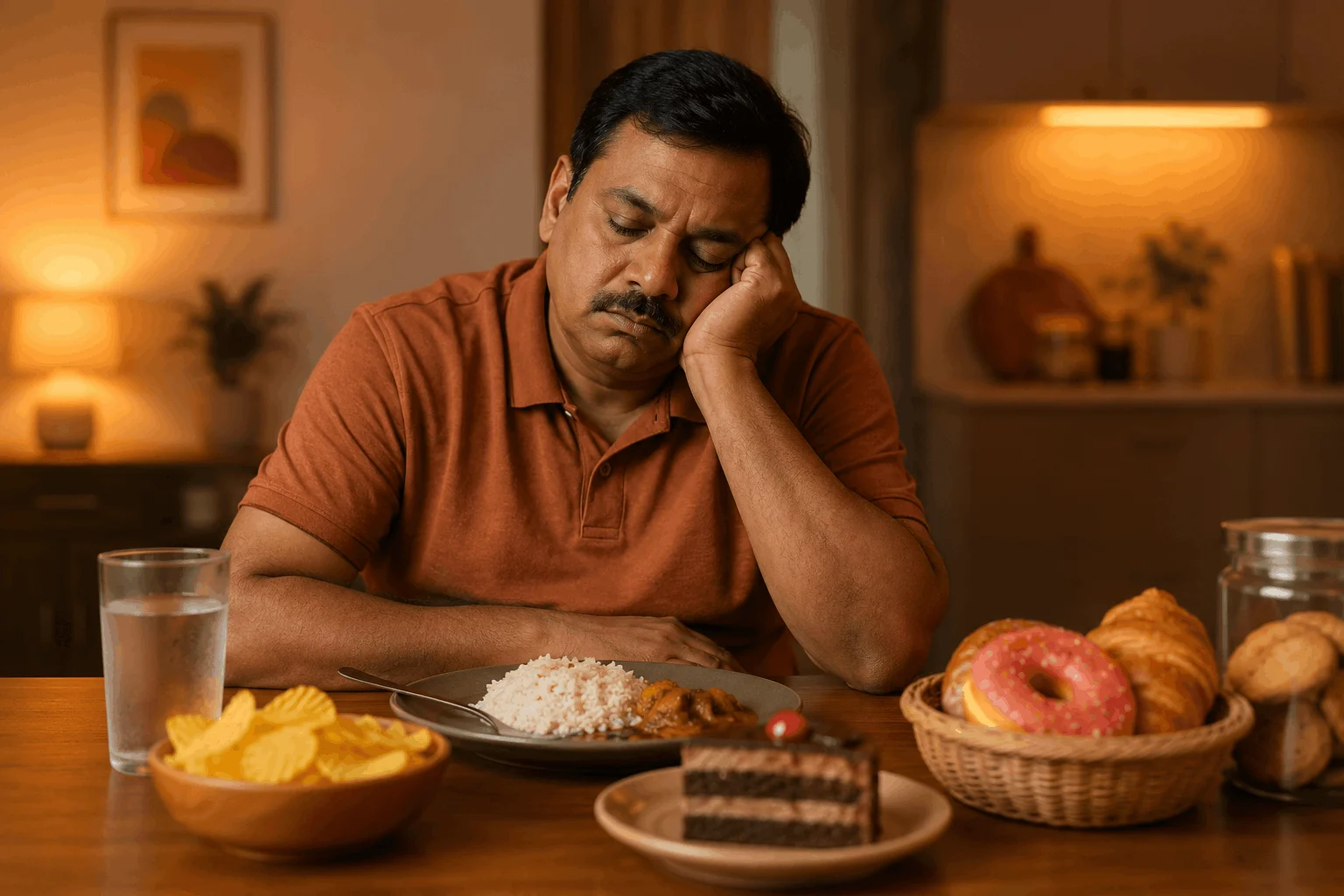
Feeling sleepy after a heavy meal can happen to anyone. But if it happens often, especially after rice, bread, sweets, or large carb-heavy meals, it may be a sign that your body is struggling with blood sugar balance.
Many men say, “I just feel lazy after lunch.” But that afternoon crash may be connected with blood sugar rising quickly and then dropping.
- Ask yourself: Do I feel sleepy after lunch almost daily? Do I need tea or coffee to stay awake? Do I feel heavy after rice or bread?
2. Increased Belly Fat
Belly fat is one of the most ignored warning signs. Many men over 40 accept a growing waistline as normal aging. However, visceral fat (fat around the midsection) is actively linked with insulin resistance.

The issue is not only appearance; belly fat secretes inflammatory chemicals that affect how your body handles sugar. If your shirts feel tighter or your belt size is changing, it is time to pay attention.
3. Craving Sweets or Refined Carbs
Cravings are often physical, not emotional. When blood sugar levels go up and down rapidly, the brain demands fast energy, translating into intense cravings for sweet tea, biscuits, chocolate, white bread, or late-night snacks. It is a sign that previous meals lacked structural balance.
4. Feeling Hungry Soon After Eating
If you eat a full meal but feel hungry again within an hour, your meal quality may be the problem. Food combinations that are mostly refined carbs and low in protein or fiber give quick spikes but no lasting fullness.
- Poor Combinations: Sweet tea with biscuits, white bread with jam, or a rice-heavy lunch with little protein.
- Better Alternative: Meals containing lean protein, dietary fiber, and complex carbohydrates.
5. Frequent Thirst
Feeling thirsty due to heat or workouts is normal. However, an unquenchable, frequent thirst that keeps returning is a classic symptom. When blood sugar is high, the kidneys work overtime to filter and excrete the excess glucose through urine, drawing moisture from your tissues.
6. Frequent Urination
Some men blame frequent urination on drinking too much tea or water. But if your bathroom trips increase without a clear reason—especially if you have to wake up multiple times during the night—it warrants a medical blood check.
7. Blurry Vision
Fluctuating blood sugar can cause fluid to move in and out of the lenses of your eyes, causing temporary swelling. This makes your vision feel blurry. People often attribute this to excessive screen use or simple tiredness, but combined with thirst, it is a metabolic marker.
8. Slow Healing
If minor cuts, scratches, or small wounds take weeks to disappear, your circulatory system may be compromised. High blood sugar can damage micro-vessels, slowing down the delivery of essential nutrients required for cellular healing.
9. Tingling or Numbness
An ongoing “pins and needles” sensation, burning, or mild numbness in your feet or hands should never be ignored. Chronic blood sugar elevations can damage minor nerve endings over time, starting from the extremities.
10. Mood Changes and Irritability
Blood sugar swings directly affect brain energy supply. When blood sugar crashes after a rapid high, it can make a person feel suddenly impatient, anxious, irritable, or mentally drained without an external reason.
11. Poor Focus or Brain Fog
Feeling mentally slow, losing focus during meetings, or needing to reread a simple email multiple times right after lunchtime is a classic sign of a blood sugar crash. If brain fog appears regularly post-meals, your food patterns need a review.
12. Unexplained Weight Changes
While gradual weight gain around the stomach is typical with prediabetes, losing weight suddenly without any change in diet or workouts can also be a red flag. It means cells are starving because they cannot access glucose, forcing the body to burn muscle tissue for energy.
Daily Habits That Make Prediabetes Worse
Prediabetes develops over time from repeated lifestyle patterns:
- Prolonged Sitting: Reduces muscle contractions, which are essential for clearing glucose from the bloodstream.
- Refined Carbohydrates: Regular consumption of white rice, processed flour, bakery items, and sugary sodas continuously spikes insulin.
- Protein Deficient Diets: Eating carb-only meals accelerates digestion speed, resulting in shorter satiety and more cravings.
- Chronic Sleep Deprivation: Disrupts leptin and ghrelin (hunger hormones), forcing your body to crave survival sugar the next day.
- Late Heavy Dinners: Consuming a large portion of food right before sleeping ruins morning fasting blood glucose baselines.
Practical Steps to Reverse the Symptoms
Reversing prediabetes requires simple, repeatable daily shifts rather than extreme restrictions.

1. Optimize Meal Design
Do not just eat less; focus on food quality to keep blood sugar stable.
| Bad Routine | Better Alternative |
| Sweet tea + Biscuits | Eggs + Whole grain toast |
| Only White Rice for lunch | Vegetables + Grilled chicken or Lentils |
| Sugary soda / Juices | Water, Unsweetened green tea, or Black coffee |
2. Implement Post-Meal Walking
Walking is an excellent mechanism for blood sugar control. A short 10-to-15-minute brisk walk right after your heaviest meal utilizes glucose immediately for energy without requiring massive insulin output.
3. Add Strength Training
Muscles act as a primary storage sink for glucose. Engaging in basic resistance exercises twice a week—such as chair squats, wall push-ups, or dumbbell rows—improves long-term insulin sensitivity.
Common Mistakes to Avoid
- Chasing Quick Fixes: Relying on single herbal teas or fat-burner supplements instead of altering daily movement and food habits.
- The All-or-Nothing Approach: Starting a highly restrictive diet or intense gym program that leads to mental burnout and quitting within a week.
- Ignoring Sleep Quality: Trying to fix blood sugar while sleeping less than 6 hours a night. Rest is mandatory for metabolic recovery.
- Waiting for a Diagnosis: Postponing lifestyle modifications until a doctor officially declares type 2 diabetes.
Simple Action Plan to Start
Today
- Take a 10-minute walk immediately after dinner.
- Swap one processed sugary beverage for plain water.
- Ensure your next meal contains a clean source of protein.
This Week
- Walk after your largest meal at least 5 days this week.
- Eliminate processed bakery items and biscuits from your snack routine.
- Measure your waist size with a tape measure to set a baseline.
This Month
- Perform 2 brief strength training sessions per week.
- Shift your dinner timing to at least 2 hours before bedtime.
- Schedule a formal HbA1c blood sugar test if you exhibit multiple risk factors.
FAQ: Symptoms of Prediabetes Most People Ignore
- What are the symptoms of prediabetes most people ignore?
The most frequent ignored indicators are post-meal fatigue, localized belly fat, rapid carbohydrate cravings, frequent thirst, night urination, and mild brain fog.
- Can you have prediabetes without any symptoms?
Yes, prediabetes is often completely asymptomatic in its initial years. Routine blood tests are the only definitive way to know your status.
- Does belly fat automatically mean I have prediabetes?
Not automatically, but central visceral fat significantly increases your chances because it physically blocks insulin receptors on cells.
- Why do I feel intensely sleepy after eating?
A major post-meal crash usually implies that the meal contained too many simple carbohydrates, causing blood sugar to spike rapidly and then drop suddenly.
- Is prediabetes fully reversible?
Yes. Unlike advanced type 2 diabetes, prediabetes is entirely reversible through targeted nutrition adjustments, regular walking, and weight management.
Conclusion
From practical observation, prediabetes is often ignored because it does not feel painful or serious at first. A little tiredness, a growing waist, sweet cravings, or sleepiness after meals can easily be excused as normal life after 40.
But small signs matter. The body always whispers before it shouts.
The symptoms of prediabetes most people ignore are not highlighted to cause panic; they are tools for personal empowerment. If you notice these patterns, take control today. Walk more, prioritize protein, rest adequately, and test your levels. Your health after 40 depends entirely on the attention you pay right now.
Helpful Resources