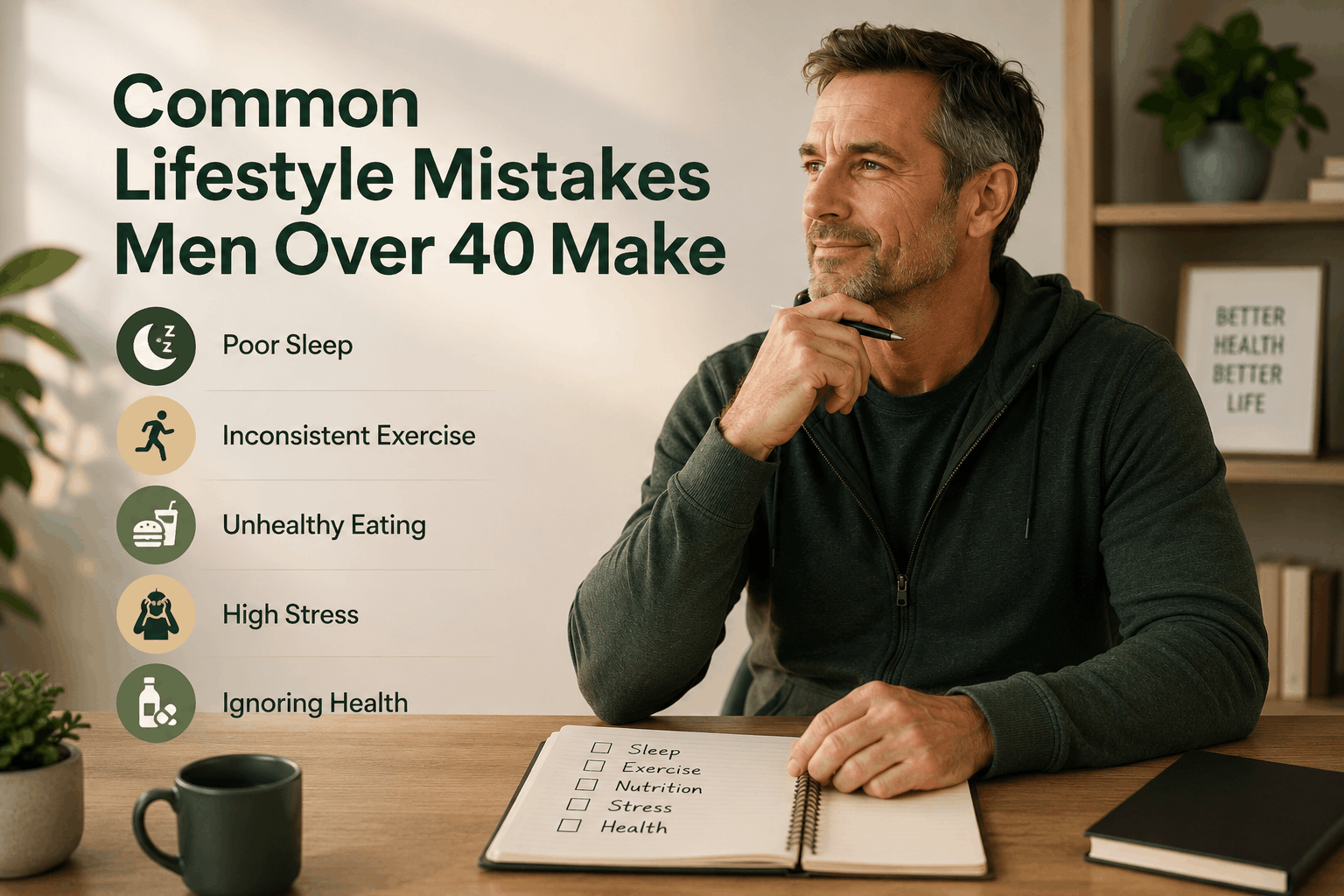
One thing I have observed in men over 40 is that most health problems do not appear suddenly. They usually build quietly through small daily habits. A late dinner here, missed sleep there, long sitting at work, sugary tea, no walking, and constant stress may not feel serious at first.
But after months and years, these small habits can show up as low energy, belly fat, poor sleep, high blood sugar, weak stamina, joint stiffness, and loss of confidence.
The good news is that the opposite is also true. Small lifestyle changes can create big results when they are repeated consistently. You do not need to change your whole life in one week. You need to improve a few daily patterns and stay with them long enough.
In this article, we will discuss why small changes work, why they matter more after 40, which habits create the biggest health impact, what mistakes to avoid, and how to start with a realistic four-week plan.

What Do Lifestyle Changes Really Mean?
Lifestyle changes are small adjustments in daily habits that improve health over time. These changes may include how you eat, sleep, move, manage stress, drink water, use screens, and handle your routine.
Many people hear the words “lifestyle changes” and think it means a strict diet, intense gym routine, or complete life transformation. That is not true.
A lifestyle change can be as simple as:
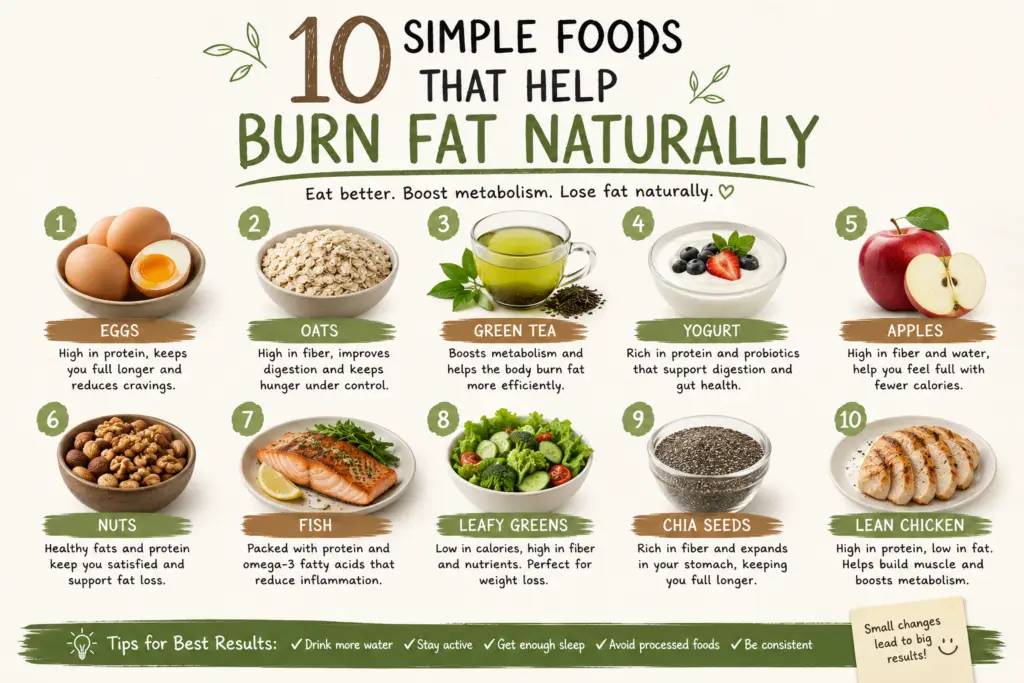
- Walking after dinner
- Sleeping 30 minutes earlier
- Reducing sugary drinks
- Adding protein to breakfast
- Drinking more water
- Taking stairs more often
- Eating vegetables with lunch
- Reducing late-night snacking
- Stretching for 5 minutes
- Taking short breaks from sitting
These actions look small, but they affect the body repeatedly. That is why they matter.
Your body responds to what you do most often, not what you do once in a while.
Why Small Lifestyle Changes Matter After 40
After 40, the body often becomes less forgiving. This does not mean men become weak. It means recovery, metabolism, hormones, blood sugar control, and muscle maintenance may need more attention.
A man may eat the same way he did in his 30s but gain weight faster. He may sleep late for a few nights and feel tired for the whole week. He may stop exercising for a few months and notice stiffness, belly fat, and low stamina.
This is where small lifestyle changes become powerful.
They help men improve health without feeling overwhelmed. Instead of trying to fix everything at once, you improve one habit, then another, then another.
Small Changes Reduce Resistance
Most men fail because they try to change too much too soon. They start a strict diet, join the gym, stop sugar, wake up early, and try to sleep perfectly all in the same week.
That may work for a few days, but it is hard to maintain.
Small changes are easier because they reduce resistance. A 10-minute walk feels possible. One glass of water before tea feels possible. Adding eggs to breakfast feels possible. Sleeping 15 minutes earlier feels possible.
When a habit feels possible, you are more likely to repeat it.
Small Changes Build Confidence
Confidence grows when you keep promises to yourself.
If you decide to walk for 10 minutes and actually do it, your mind starts believing that change is possible. That small win creates energy for the next step.
This matters for men over 40 because many men carry years of failed diet attempts, broken gym routines, and unfinished health plans.
Small wins rebuild trust.
The Simple Science Behind Small Changes
The body works through patterns. Your blood sugar, weight, energy, sleep, mood, and fitness are all affected by repeated daily actions.
One unhealthy meal may not damage your health. One missed workout may not matter. One poor night of sleep may not change everything.
But when these things become routine, they create results.
The same is true for healthy habits.
One walk may not transform your body. One healthy meal may not change your weight. One early night may not fix sleep. But repeated over weeks and months, these small choices start changing the body’s direction.
Your Body Adapts to Repetition
If you sit all day, your body adapts to sitting. Muscles become weaker, posture changes, blood flow slows, and energy drops.
If you walk daily, your body adapts to movement. Stamina improves, joints feel better, blood sugar may become easier to manage, and mood may improve.
If you sleep late every night, your body adapts to poor recovery. Hunger may increase, cravings may rise, and focus may drop.
If you sleep better consistently, your body gets more time to repair.
The key word is consistency.

The Biggest Areas Where Lifestyle Changes Help
Small lifestyle changes can support many areas of health. For men over 40, some areas matter more because they directly affect energy, confidence, strength, and long-term wellness.
Energy Levels
Low energy is one of the most common complaints after 40. Many men think they need more tea, coffee, supplements, or energy drinks. Sometimes the real problem is simpler.
Energy often drops because of poor sleep, dehydration, low activity, heavy meals, stress, and unstable blood sugar.
Small changes that may help include:
- Drinking water earlier in the day
- Walking after meals
- Eating protein at breakfast
- Reducing late-night snacks
- Sleeping at a fixed time
- Taking short movement breaks at work
These habits support energy from the foundation instead of forcing the body with stimulants.
Belly Fat
Belly fat after 40 is not only about appearance. It can also be connected with blood sugar, heart health, sleep quality, and overall metabolism.
Small lifestyle changes can help reduce the habits that cause belly fat to increase.
For example, reducing sugary drinks, walking after dinner, improving dinner timing, eating more protein, and sleeping better can support better weight control.
For men who want a practical movement habit, this guide on walking after meals to lower sugar can help you understand how a simple walk fits into daily health.
Blood Sugar
Blood sugar problems often build quietly. Many men do not notice the issue until fatigue, cravings, belly fat, or test results appear.
Lifestyle changes can support better blood sugar control by improving how the body uses energy.
Helpful habits include:
- Walking after meals
- Reducing refined sugar
- Eating balanced meals
- Sleeping properly
- Losing extra belly fat
- Managing stress
- Strength training
You do not need to make the routine extreme. Even small daily improvements can help the body move in a better direction.
Sleep and Recovery
Sleep is one of the most ignored health tools. Men often sacrifice sleep for work, mobile scrolling, late dinners, or television.
Poor sleep can affect hunger, mood, focus, recovery, weight, and energy.
A small change like fixing bedtime, reducing screens at night, or stopping heavy meals late can make a real difference.
If sleep is part of your struggle, you may also find this guide on how sleep affects diabetes and sugar levels useful.
Strength and Mobility
Many men over 40 do not lose strength suddenly. They lose it slowly because they stop using their muscles.
Long sitting, no strength training, poor protein intake, and low movement can affect muscle and mobility.
Small changes can help protect strength:
- Do bodyweight squats
- Walk daily
- Use stairs
- Stretch tight areas
- Add protein to meals
- Lift light weights
- Avoid sitting for too long
You do not need to train like an athlete. You need to keep the body active enough to stay useful, strong, and mobile.

Why Big Plans Often Fail
Many men do not fail because they are lazy. They fail because the plan is unrealistic.
A strict plan may look impressive, but if it does not fit your real life, it will not last.
A man with family responsibilities, office pressure, travel, late meetings, and stress needs a realistic plan. He may not be able to spend two hours in the gym every day or cook perfect meals all week.
This is why small lifestyle changes work better.
They fit into real life.
The Problem With Motivation
Motivation is useful, but it is not stable. Some days you feel ready. Other days you feel tired, busy, or stressed.
If your health routine depends only on motivation, it will break.
Habits are stronger than motivation because they become part of your normal day.
For example, brushing your teeth does not require motivation. It is automatic. The same can happen with walking, drinking water, stretching, and better meal choices.
The Problem With All-or-Nothing Thinking
Many men think they must be perfect or they have failed.
They eat one unhealthy meal and say, “The whole day is ruined.” They miss one workout and stop for the week. They sleep late once and give up on the routine.
This thinking is harmful.
A better approach is simple: return to the next good choice.
One poor meal does not destroy progress. One missed walk does not end the plan. One bad night does not mean failure.
Consistency means returning again and again.
Daily Habits That Quietly Damage Health
Some daily habits look normal but create problems over time. Men over 40 should pay attention to these patterns before they become serious.
Sitting Too Long
Long sitting can affect posture, energy, circulation, stiffness, and weight. Many office workers sit for hours without realizing how little they move.
A simple correction is to stand or walk for 2 to 5 minutes every hour.
Late-Night Eating
Heavy late meals can affect sleep, digestion, blood sugar, and weight. This is common for busy men who skip meals during the day and eat heavily at night.
A better approach is to eat a balanced dinner earlier when possible and keep late snacks light.
Too Much Sugar
Sugar in tea, cold drinks, desserts, juices, and snacks can add up quickly. Many men do not notice how much sugar they consume because it feels normal.
A practical correction is to reduce one sugary item at a time.
Poor Sleep Timing
Sleeping late affects more than tiredness. It can influence hunger, cravings, stress, mood, and recovery.
A small correction is to fix one sleep anchor, such as a regular wake-up time or screen-off time.
Ignoring Stress
Stress becomes dangerous when it becomes normal. Work pressure, family responsibility, financial worry, and lack of rest can keep the body in a tense state.
Small breaks, walking, breathing, prayer, quiet time, and better planning can help reduce the pressure.
Practical Lifestyle Changes That Create Big Results
Now let us look at the most useful changes. These are simple, realistic, and suitable for men over 40.
Start Walking Daily
Walking is one of the easiest health habits. It does not require equipment, gym membership, or special training.
Start with 10 minutes if that is all you can do. Walk after lunch or dinner. Walk during a phone call. Park slightly farther away. Use stairs when possible.
Walking supports energy, heart health, blood sugar, mood, and weight control.
Add Protein to Breakfast
Many men start the day with only tea, biscuits, bread, or something sweet. This can lead to hunger, cravings, and low energy later.
Adding protein can make breakfast more stable.
Simple options include:
- Eggs
- Yogurt
- Cottage cheese
- Lentils
- Chicken leftovers
- Beans
- Protein-rich smoothie
You do not need a fancy breakfast. You need a more balanced one.
Reduce Liquid Calories
Sugary drinks are easy to consume and easy to ignore. Cold drinks, sweet tea, packaged juices, and flavored drinks can add extra calories without making you full.
Start by reducing one drink per day or cutting sugar gradually.
This one lifestyle change can support weight and blood sugar over time.
Improve Dinner Timing
Late heavy dinners are common in busy routines. But eating too late may affect sleep and digestion.
Try to finish dinner earlier when possible. If that is not possible, keep dinner lighter and avoid lying down immediately after eating.
A short walk after dinner can also help.
Strength Train Twice a Week
Men over 40 need muscle. Muscle supports strength, posture, metabolism, balance, and confidence.
You do not need a heavy gym routine. You can start with:
- Squats
- Wall push-ups
- Light dumbbells
- Resistance bands
- Step-ups
- Planks
Two short sessions per week can create a strong base.
Fix Your Sleep Routine
Better sleep starts before bedtime.
Try this:
- Reduce screens before bed
- Avoid heavy late meals
- Keep caffeine earlier in the day
- Keep the room dark and cool
- Sleep and wake at regular times
- Use a calming routine at night
Sleep is not wasted time. It is recovery time.
Drink More Water
Many men confuse dehydration with tiredness or hunger. Start the morning with water and keep a bottle nearby.
You do not need to overdo it. Just make hydration visible and easy.
How Small Changes Support Testosterone and Confidence
Men over 40 often ask about testosterone, energy, and confidence. These areas are connected with lifestyle.
Poor sleep, excess belly fat, stress, inactivity, and poor diet can affect how a man feels physically and mentally.
Small lifestyle changes may support a healthier internal environment.
Better sleep supports recovery. Strength training supports muscle. Weight control supports confidence. Stress management supports mood. Balanced meals support energy.
This does not mean lifestyle changes cure hormonal problems. If symptoms are serious or ongoing, proper medical advice is important.
But for many men, improving daily habits is the first practical step.
Common Mistakes People Make
Mistake 1: Looking for Quick Fixes
Many men search for a fast solution. They want one supplement, one diet, or one exercise to fix years of poor habits.
This matters because quick fixes usually fail when real life becomes busy.
The correction is to focus on one or two habits you can repeat daily.
Mistake 2: Doing Too Much Too Soon
Starting too aggressively can lead to soreness, frustration, or burnout.
This matters because extreme routines are hard to maintain after 40, especially with work and family responsibilities.
The correction is to start small and increase slowly.
Mistake 3: Ignoring Sleep and Recovery
Some men focus only on food and exercise but sleep very little.
This matters because poor sleep can affect energy, hunger, recovery, mood, and weight control.
The correction is to treat sleep as part of the plan, not as an optional extra.
Mistake 4: Depending Only on Supplements
Supplements may support health, but they cannot replace food, movement, sleep, and stress control.
This matters because a supplement-first mindset can delay real change.
The correction is to build the routine first and use supplements only when genuinely needed.
Mistake 5: Copying Someone Else’s Routine
What works for a young fitness influencer may not work for a man over 40 with knee pain, office stress, and poor sleep.
This matters because copying the wrong routine can lead to injury or disappointment.
The correction is to choose habits that fit your age, body, schedule, and health condition.
Mistake 6: Not Tracking Progress
Many men give up because they do not notice small improvements.
This matters because progress is not always visible on the scale immediately.
The correction is to track energy, sleep, waist size, walking stamina, mood, and consistency.
Mistake 7: Giving Up Too Early
Lifestyle changes need time. A few good days are not enough to judge results.
This matters because the body needs repeated signals before it changes.
The correction is to review progress after 4 weeks, not after 4 days.
Mistake 8: Ignoring Medical Symptoms
Some men try to manage serious symptoms with lifestyle alone.
This matters because chest pain, severe dizziness, uncontrolled blood sugar, or ongoing weakness may need medical attention.
The correction is to use lifestyle as prevention and support, not as a replacement for medical care.
Simple Action Plan to Start
The goal is not to become perfect. The goal is to build momentum.
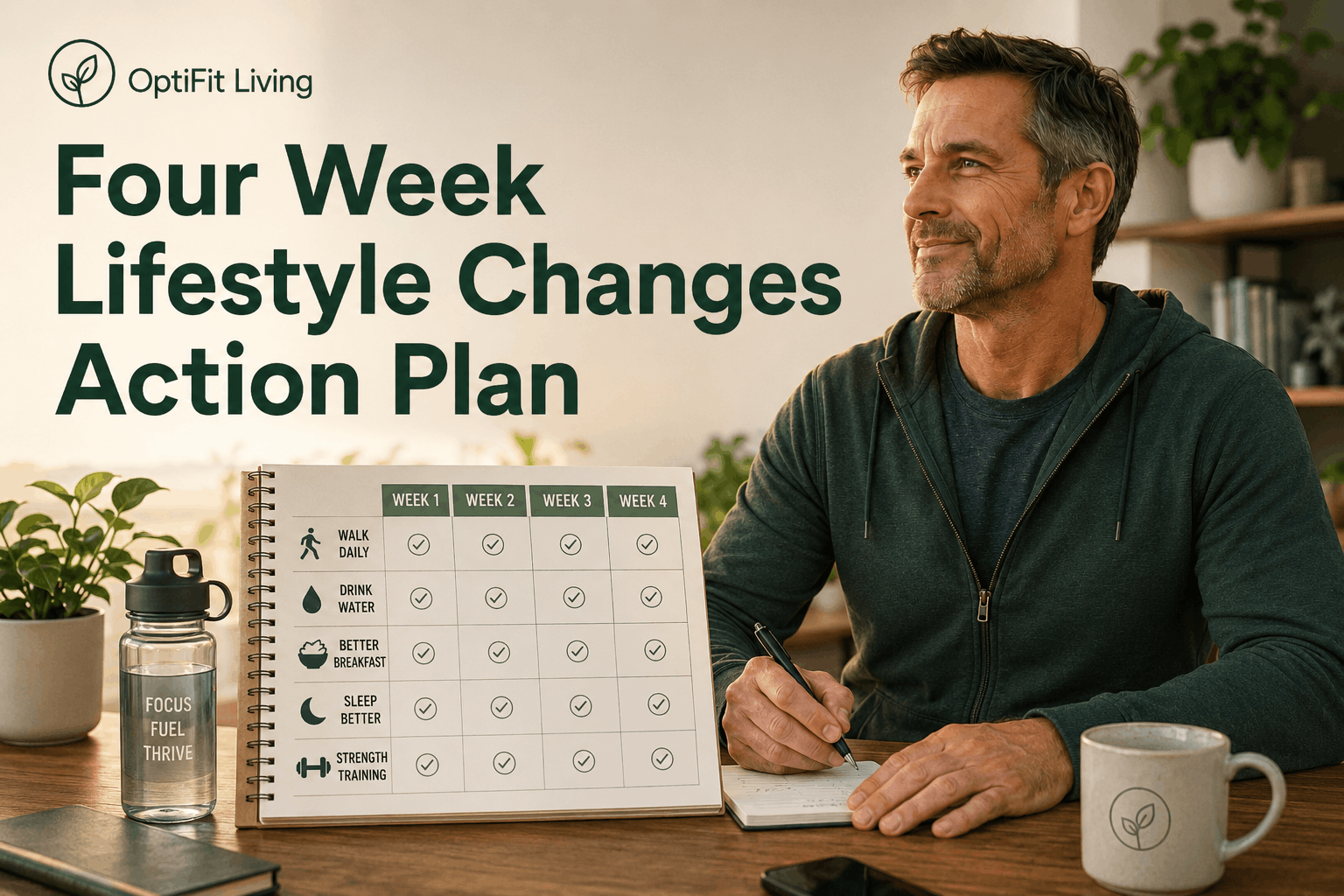
Here is a realistic four-week plan for men over 40.
First 3 Days: Observe Your Current Routine
Do not change everything immediately. First, notice your pattern.
Write down:
- What time you sleep
- How much water you drink
- How often you walk
- What you eat at breakfast
- How often you eat late
- How many sugary drinks you take
- How stressed you feel
This gives you a clear starting point.
Week 1: Start With Walking and Water
For the first week, choose two simple habits:
- Walk for 10 minutes daily
- Drink one extra glass of water in the morning
Do not worry about perfection. Just create rhythm.
Week 2: Improve Breakfast
In week 2, add protein to breakfast.
Choose one simple option:
- Eggs
- Yogurt
- Beans
- Lentils
- Cottage cheese
- Chicken
- Nuts with yogurt
This can help reduce cravings later in the day.
Week 3: Improve Sleep Timing
In week 3, focus on sleep.
Choose one sleep improvement:
- Stop screens 30 minutes earlier
- Sleep 15 minutes earlier
- Avoid heavy late-night snacks
- Keep a fixed wake-up time
- Reduce late caffeine
Sleep improvement often supports energy, appetite, and mood.
Week 4: Add Strength
In week 4, add two short strength sessions.
Start with 15 to 20 minutes.
Use simple movements:
- Squats
- Wall push-ups
- Light dumbbells
- Step-ups
- Resistance bands
- Planks
Keep the intensity comfortable and controlled.
After 4 Weeks: Review Your Results
After 4 weeks, review your progress.
Ask yourself:
- Is my energy better?
- Is my sleep improving?
- Am I walking more?
- Is my waist feeling lighter?
- Are cravings reduced?
- Am I more confident?
- Did I stay consistent?
This review helps you decide what to continue and what to improve next.
Safety Advice Before Starting a New Routine
Lifestyle changes are generally safe when they are realistic and gradual. Still, some men should be careful before starting a new exercise, diet, or supplement routine.
Speak to a qualified doctor if:
- Symptoms are serious
- Symptoms are sudden
- Symptoms are ongoing
- You have chest pain
- You feel severe weakness or dizziness
- You have uncontrolled diabetes
- You have high blood pressure
- You take regular medication
- You have heart disease
- You have severe joint pain
- You are unsure about starting exercise
- You feel depressed or mentally overwhelmed
Do not stop or change prescribed medicine on your own. Lifestyle habits can support health, but they should not replace medical advice when a condition needs care.
FAQs
What are lifestyle changes?
Lifestyle changes are small improvements in daily habits, such as eating better, walking more, sleeping properly, drinking water, managing stress, and reducing unhealthy routines.
Why do small lifestyle changes work?
Small changes work because they are easier to repeat. When repeated daily, they send consistent signals to the body and slowly improve energy, weight, sleep, and overall health.
What is the best lifestyle change for men over 40?
The best starting point is usually daily walking because it is simple, safe for many people, and supports heart health, blood sugar, mood, energy, and weight control.
Can lifestyle changes reduce belly fat?
Lifestyle changes can support belly fat reduction when they improve diet quality, activity, sleep, stress, and calorie balance. Results take time, but small habits can make a big difference.
How long does it take to see results from lifestyle changes?
Some men feel better within a few days, especially with better sleep and hydration. Visible changes in weight, waist size, and stamina usually take several weeks of consistency.
Do I need a gym to improve my health after 40?
No. A gym can help, but it is not required. Walking, bodyweight exercises, resistance bands, home workouts, and better meals can all support health.
Why do men fail with lifestyle changes?
Most men fail because they try to change too much at once, expect fast results, ignore sleep, or follow unrealistic routines. A simple plan is easier to maintain.
When should I see a doctor before changing my routine?
You should speak to a doctor if you have chest pain, severe dizziness, uncontrolled diabetes, high blood pressure, heart disease, serious weakness, or ongoing symptoms.
Conclusion
A real-life lesson I have seen many times is that men over 40 do not usually need a perfect lifestyle. They need a better direction.
Small lifestyle changes can create big results because they are realistic, repeatable, and easier to maintain. A short walk, better breakfast, earlier sleep, more water, less sugar, and two strength sessions per week may look simple, but together they can change how you feel.
Do not wait for the perfect time. Start with one small action today.
Your health after 40 is not built by one big decision. It is built by the small decisions you repeat every day.
Helpful Resources
CDC — Adult Activity: An Overview
CDC — Healthy Eating Tips
NIDDK — Healthy Eating & Physical Activity for Life
MedlinePlus — Stress
FDA — Information for Consumers on Using Dietary Supplements