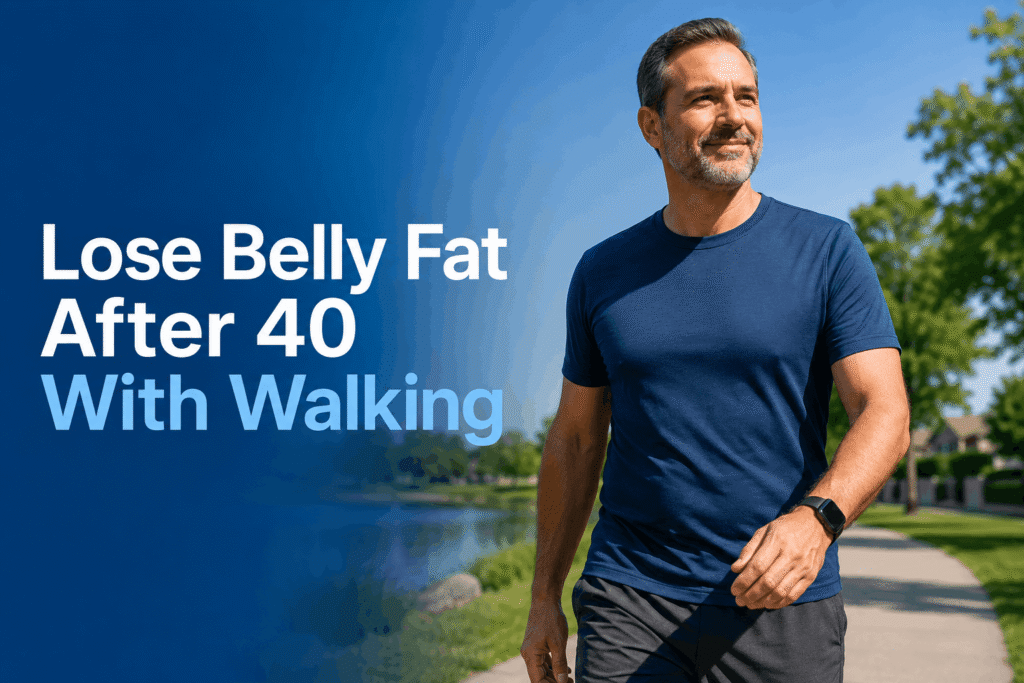

Belly fat is one of the most common body-composition concerns among men, especially as they get older. Many men notice that their waistline gradually increases even when their overall weight does not change dramatically. This extra weight around the middle can affect appearance, confidence, mobility, and long-term health.
Understanding the causes of men belly fat is more useful than following quick-fix diets or extreme workout plans. Abdominal fat develops through a combination of factors, including excess calorie intake, reduced physical activity, poor sleep, stress, aging, genetics, and changes in muscle mass.
The good news is that men can reduce belly fat by building sustainable habits. A balanced diet, regular strength training, daily movement, sufficient sleep, and effective stress management can support healthy weight management and improve overall metabolic health. Losing men belly fat requires a combination of sustainable nutrition, targeted strength training, and lifestyle adjustments.
Compound movements boost your metabolic rate, making it easier to burn men belly fat over time.
What Causes Belly Fat in Men?
There is no single reason why men develop belly fat. Usually, several lifestyle and biological factors work together.
Multiple biological and lifestyle factors directly contribute to the accumulation of men belly fat.
Excess Calories and Weight Gain
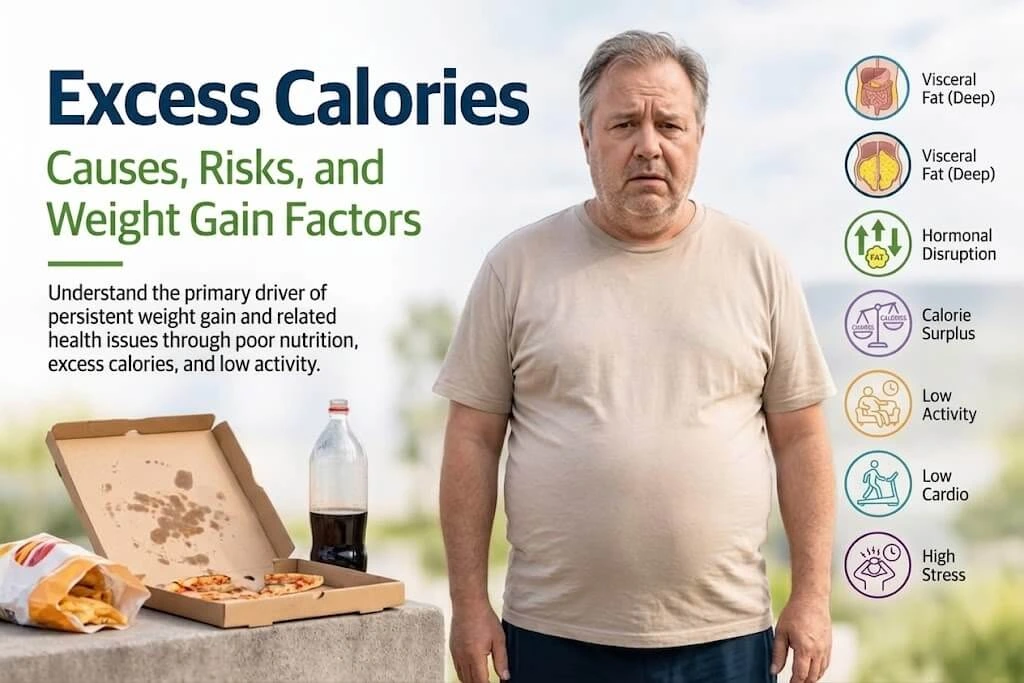
When you consistently consume more calories than your body uses, the excess energy is stored as body fat. Over time, this can lead to increased fat around the abdomen and other areas. Consuming more energy than you burn is one of the primary drivers behind stubborn men belly fat.
Foods and drinks that are high in added sugars, refined carbohydrates, and calories can make it easier to exceed your daily energy needs. Large portions and frequent snacking can also contribute to gradual weight gain.
Creating a moderate calorie deficit through sensible eating and regular activity can help men lose body fat without relying on extreme restrictions.
Aging and Changes in Muscle Mass
Aging can make maintaining muscle mass more challenging. When men become less active and lose muscle over time, their daily energy expenditure may decrease.
This does not mean gaining belly fat is unavoidable with age. Regular resistance training, adequate protein intake, and consistent physical activity can help support muscle and healthy body composition.
For men over 40, maintaining strength becomes particularly important because muscle plays an important role in physical function and long-term health.
Stress and Poor Sleep
Chronic stress can influence eating behavior, activity levels, and overall health. Some men respond to stress by eating more highly processed or calorie-dense foods. High cortisol levels combined with sleep deprivation can accelerate the storage of men belly fat.
Poor sleep can also make healthy weight management more difficult. When you regularly sleep too little, you may experience increased hunger, reduced energy, and less motivation to exercise.
Improving sleep quality and developing healthier ways to manage stress can therefore support efforts to reduce abdominal fat.
Why Is Belly Fat a Concern for Men’s Health?

Not all body fat carries the same health implications. Fat stored deep within the abdominal area is known as visceral fat.
Visceral fat surrounds internal organs and is metabolically active. Higher levels of visceral fat are associated with several health risks, including cardiovascular disease, type 2 diabetes, and metabolic problems.
This is one reason waist circumference can be a useful health measure alongside body weight. A growing waistline may indicate increasing abdominal fat even when the number on the scale changes very little.
However, waist measurements and weight alone cannot provide a complete assessment of health. Men with concerns about abdominal obesity or related health risks should discuss them with a qualified healthcare professional.
How to Lose Belly Fat for Men
The most effective strategy to reduce men belly fat involves maintaining a moderate calorie deficit while preserving lean muscle mass.
Create a Sustainable Calorie Deficit
A calorie deficit occurs when your body uses more energy than you consume over time. This is the fundamental principle behind fat loss.
The goal should not be to drastically reduce food intake. Severe calorie restriction can be difficult to maintain and may negatively affect energy, training performance, and adherence.
Instead, focus on practical changes such as:
- Reducing oversized portions
- Choosing more nutrient-dense foods
- Limiting sugary drinks
- Eating more vegetables and fiber-rich foods
- Including adequate protein
- Reducing frequent high-calorie snacks
- Paying attention to portion sizes
A sustainable approach is much more likely to produce lasting results.
Eat More Protein
Protein can help support muscle maintenance during weight loss and may improve feelings of fullness.Increasing daily protein intake supports satiety and muscle retention when aiming to lose men belly fat
Good protein sources include eggs, fish, poultry, lean meat, Greek yogurt, cottage cheese, beans, lentils, and other nutrient-rich foods.
Including protein at each meal can make a balanced diet easier to follow. However, individual protein requirements vary according to body size, activity level, age, and health status.
Focus on Whole Foods
A healthy eating pattern should include a variety of minimally processed foods.
Build meals around vegetables, fruits, lean protein, whole grains, legumes, nuts, seeds, and healthy sources of dietary fat.
You do not need to completely eliminate carbohydrates or fat to lose belly fat. Overall calorie intake, food quality, portion sizes, and consistency matter more than following a single restrictive diet.
Exercises to Reduce Belly Fat for Men

Exercise can support fat loss, improve cardiovascular fitness, and help preserve muscle. However, doing hundreds of abdominal exercises will not specifically burn stomach fat.Incorporating resistance training with daily movement helps target overall body fat and reduces men belly fat.
A combination of resistance training and aerobic activity is generally more useful.
Strength Training
Strength training should be an important part of a fat-loss plan for men.
Exercises such as squats, lunges, rows, presses, deadlift variations, and other resistance movements can train multiple muscle groups.
Regular resistance training can help maintain or build muscle while you lose body fat. Beginners should start with manageable weights and focus on proper technique.
If you have an injury, medical condition, or have not exercised for a long time, consider speaking with a qualified professional before beginning a demanding training program.
Walking and Cardiovascular Activity
Daily walking is a simple way to increase energy expenditure without requiring complicated equipment.
A brisk walk can also be easier to maintain than an intense workout, particularly for men who are returning to exercise.
Cycling, swimming, jogging, hiking, and other cardiovascular activities can also contribute to an active lifestyle.
The most effective activity is often the one you can perform consistently.
Core Exercises
Core exercises can strengthen the abdominal muscles, although they do not directly remove the fat covering those muscles.
While core workouts strengthen abdominal muscles, they must be combined with a total-body approach to shed men belly fat.
Planks, dead bugs, bird dogs, controlled leg raises, and other core movements can improve trunk strength and stability.
Combine core training with full-body resistance exercise and regular cardiovascular activity for a more complete fitness routine.
How to Reduce Belly Fat After 40
Many men notice changes in their waistline after 40. Lower activity levels, gradual muscle loss, lifestyle changes, and accumulated weight gain can all contribute.
The solution is not to blame age. Instead, focus on the habits you can control.The solution is not to blame age. Instead, focus on the habits you can control. For a detailed step-by-step approach tailored specifically for this age group, read our guide on how to lose belly fat after 40.
Men over 40 can benefit from:
- Regular strength training
- Adequate daily protein
- More walking and general movement
- A balanced calorie intake
- Consistent sleep
- Stress management
- Limiting excessive alcohol intake
- Regular health checkups
These habits can support healthy body composition while also improving strength, energy, and overall wellbeing.
Why Stubborn Belly Fat Can Be Difficult to Lose
Many men describe abdominal fat as “stubborn” because it may be one of the last areas where visible fat loss occurs.
This is normal. Your body determines where it stores and loses fat based partly on genetics, hormones, sex, age, and other biological factors.
Trying to target one specific area through special exercises or supplements is unlikely to produce localized fat loss.
Instead, focus on the bigger picture. Maintain a modest calorie deficit, eat enough protein, perform resistance training, stay active, and give the process enough time.
Consistency is usually more important than finding a perfect diet or workout.
Does Testosterone Affect Belly Fat?
Testosterone and body composition are connected, but the relationship is more complex than many online advertisements suggest.
Men experiencing changes in body composition should not automatically assume that low testosterone is the cause. Abdominal fat can develop for many reasons, including excess calorie intake, inactivity, poor sleep, stress, aging, and genetics.
If you have symptoms that concern you, such as persistent fatigue, reduced sexual function, or unexplained changes in physical performance, speak with a qualified healthcare professional rather than self-treating with testosterone products or supplements.
A healthcare professional can determine whether testing or further evaluation is appropriate.
Sleep is often overlooked when men are trying to lose abdominal fat.
Most adults need around seven or more hours of sleep each night, although individual needs can vary. Consistently poor sleep may affect appetite, energy, mood, and the ability to maintain healthy lifestyle habits.
To improve your sleep routine, try going to bed and waking up at consistent times. Keep your bedroom comfortable and limit stimulating activities close to bedtime.
If you regularly have difficulty sleeping or experience symptoms such as loud snoring and excessive daytime sleepiness, discuss the problem with a healthcare professional.
Stress Management and Abdominal Weight

Stress does not automatically cause belly fat, but long-term stress can make healthy weight management harder.
Some people respond to stress by eating more, choosing high-calorie comfort foods, sleeping poorly, or becoming less physically active.
Simple stress-management habits can help. Walking outdoors, exercising, spending time with friends and family, practicing relaxation techniques, and maintaining a structured daily routine may all be useful.
The goal is not to eliminate every source of stress. Instead, develop healthier ways to respond to it.
Common Mistakes Men Make When Trying to Lose Belly Fat
Relying on Ab Exercises Alone
Abdominal exercises can strengthen your core, but they cannot selectively burn belly fat.
Following Extremely Restrictive Diets
Very restrictive diets may produce rapid short-term weight changes but can be difficult to maintain. A balanced approach is usually more sustainable.
Ignoring Strength Training
Only performing cardio may not be the best approach for preserving muscle during weight loss. Resistance training can help maintain strength and lean mass.
Expecting Fast Results
Healthy fat loss takes time. Daily changes in body weight can also reflect water, food intake, and other factors rather than changes in body fat.
Buying Unproven Supplements
Products marketed as instant belly-fat burners often make exaggerated claims. A supplement cannot replace a healthy diet, physical activity, adequate sleep, and appropriate medical care.
A Simple Daily Routine for Men Trying to Lose Belly Fat
A realistic routine can make healthy habits easier to maintain.
Start the morning with a nutritious breakfast containing protein and fiber. Stay physically active throughout the day rather than sitting for long periods.
Include a balanced lunch and dinner built around protein, vegetables, whole-food carbohydrates, and appropriate portions of healthy fats.
Complete strength training several times per week according to your fitness level. On other days, prioritize walking or another enjoyable cardiovascular activity.
Drink water regularly and limit calorie-dense beverages. In the evening, create a relaxing routine that helps prepare your body for sleep.
Most importantly, focus on habits you can maintain for months and years rather than trying to achieve dramatic results within a few days.
When Should Men Talk to a Healthcare Professional?
Belly fat is often related to lifestyle and body composition, but some health conditions can also affect weight and metabolic health.
Speak with a healthcare professional if you experience unexplained weight changes, persistent fatigue, significant changes in appetite, or other symptoms that concern you.
It is also worth discussing your health if you have risk factors for conditions such as high blood pressure, diabetes, or cardiovascular disease.
A healthcare professional can evaluate your individual situation and recommend appropriate testing, nutrition advice, physical activity, or treatment when necessary.
Final Thoughts on Men Belly Fat
Reducing men belly fat does not require a miracle diet or extreme exercise program. The most reliable approach is to improve the habits that influence overall body composition and metabolic health.
Prioritize a balanced diet, adequate protein, regular strength training, daily movement, quality sleep, and effective stress management. Avoid quick fixes that promise to remove abdominal fat overnight.
For men over 40, these habits become especially valuable because maintaining muscle, staying active, and managing body weight can support healthy aging.
Remember that progress does not always appear immediately. Measure success through consistent habits, improved fitness, strength, energy, waist measurements, and overall wellbeing rather than relying only on the scale.
If belly fat is accompanied by other health concerns, seek individualized advice from a qualified healthcare professional. A sustainable, evidence-based approach is more valuable than any short-term solution.
Higher levels of visceral fat are associated with several health risks, including cardiovascular disease, type 2 diabetes, and metabolic problems. According to research on belly fat in men by Mayo Clinic, waist circumference is a critical indicator of long-term health risks.